Psalms 118:19
Open to me the gates of righteousness: I will go into them, and I will praise the LORD:
Translations
American King James Version, King James Version
Open to me the gates of righteousness: I will go into them, and I will praise the LORD:
Open to me the gates of righteousness:
I will go into them, and I will praise the Lord:Open to me the gates of righteousness: I will enter them, and I will praise the LORD:
Open to me the gates of righteousness: I will enter into them, I will give thanks unto the LORD.
Open to me the gates of righteousness:
I will enter into them, I will give thanks unto Jehovah.Open ye to me gates of righteousness, I enter into them — I thank Jah.
Open to me the gates of righteousness: I will enter into them; Jah will I praise.
Open to me the gates of righteousness, I will enter therein, I will give thanks unto Yah.
Berean Standard Bible, Majority Standard Bible
Open to me the gates of righteousness,
that I may enter and give thanks to the LORD.Open to me the gates of righteousness.
I will enter into them.
I will give thanks to the LORD.Let the doors of righteousness be open to me; I will go in and give praise to the Lord.
Open ye vnto me the gates of righteousnes, that I may goe into them, and praise the Lord.
Douay-Rheims (Challoner revision)
Open ye to me the gates of justice: I will go into them, and give praise to the Lord.
Pictures
Cross-references
- Psalms 122:1-2
I was glad when they said unto me, Let us go into the house of the LORD.
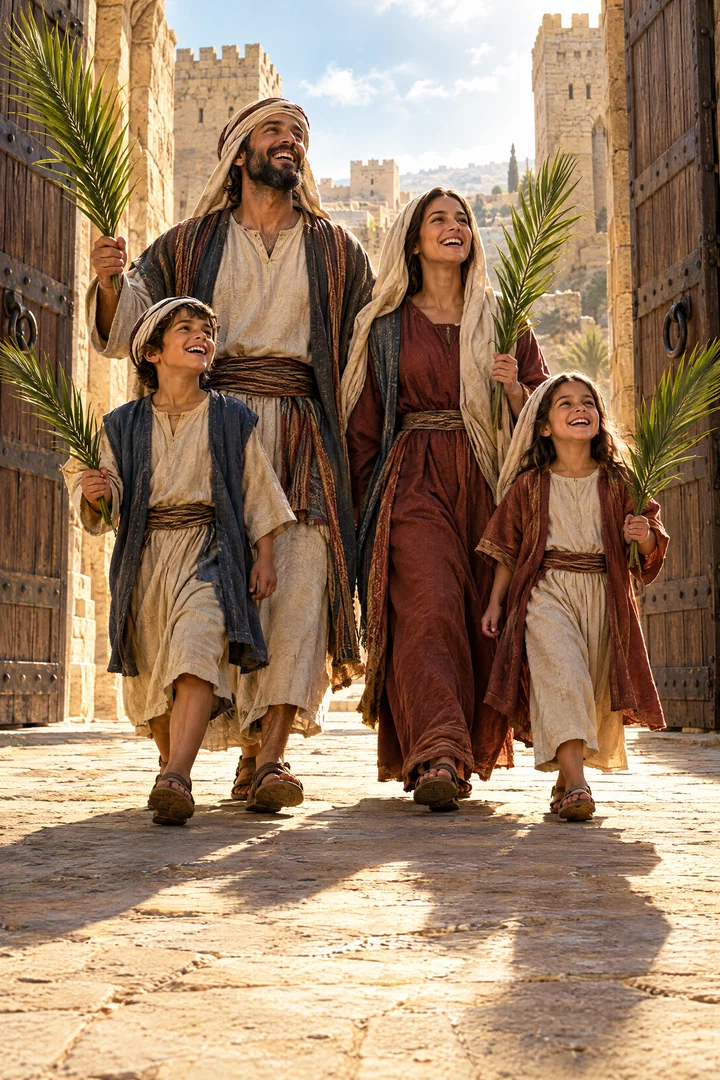
Pilgrims rejoice as they approach Jerusalem and its gates to worship.
- Isaiah 61:10-11
I will greatly rejoice in the LORD, my soul shall be joyful in my God; for he hath clothed me with the garments of salvation, he hath covered me with the robe of righteousness, as a bridegroom decketh himself with ornaments, and as a bride adorneth herself with her jewels.
It describes salvation’s robe of righteousness and righteousness springing forth in the earth.
- Psalms 118:26
Blessed be he that cometh in the name of the LORD: we have blessed you out of the house of the LORD.
cited together as one proof text
Commentary
Each commentary is drawn from primary sources: the writings of Ellen G. White and Adventist pioneers and periodicals. Each commentary is separate. Its own words are not a quotation; follow the references to read the source passages.
Ellen G. White
2 sources
The verse is a song of worship sung by pilgrims as they draw near to Jerusalem.Ms 23, 1886, par. 19–20PP 539.1 In it they plead for the gates of righteousness to be opened to them, that they may pass into the city and the temple and offer praise to the Lord within His sanctuary.Ms 23, 1886, par. 19–20PP 539.1 It belongs especially to those journeying up to the temple to keep the Feast of Tabernacles.PP 539.1
Sources
Pioneers and periodicals
14 sources
The gates of righteousness stand open today for all, and the righteous are those who enter through them to praise the Lord for His loving-kindness and saving goodness.STST Nov 19, 1912RH Oct 22, 1914 To enter is to come away from strife to Jesus Christ to be cleansed from sin and justified by faith in Him, which blossoms into right doing clothed in His robe of righteousness. The verse belongs to the Passover Hallel sung by Jesus just before His betrayal, Gethsemane, and the cross, joining praise to suffering in trust in the Father who is too wise to err.ST Aug 21, 1893RH Apr 14, 1903ST Jan 7, 1889 It reveals Christ's inner struggle with the enemy and His triumph through resurrection from the dead after the hour of darkness, when His mediatorial righteousness was approved and heaven's door was visibly opened to all true believers.ST Aug 8, 1878RH Nov 29, 1853STRH Jun 6, 1912 That day the Lord made is not a twenty-four-hour day or any one day of the week to change the Sabbath to Sunday, but the long gospel-day of salvation and grace whose gladness belongs to every day.ST Apr 20, 1888RH Jun 16, 1868RH Nov 21, 1871
Passover Setting and Praise
Psalm 118:19 belongs to Psalms 113 to 118, the Hallel sung at Passover and other Hebrew feasts.ST Aug 21, 1893RH Apr 14, 1903ST Jan 7, 1889 At the last Passover supper the Hallel was sung, with Psalm 118 chanted at the close of the feast as the second portion after the meal and its cups of wine.RH Apr 14, 1903ST Apr 21, 1881 Jesus sang the verse there just before his betrayal, the agony of Gethsemane, and the darkness of the cross.ST Aug 21, 1893 He sang it though he knew those sufferings lay before him.ST Aug 21, 1893
In that Passover setting the verse joins praise to suffering, as praise offered to God even while facing suffering.ST Aug 21, 1893ST Jan 7, 1889 It was sung with faith in the Father who is too wise to err and too good to prove unkind, as praise to him from whom all blessings flow.ST Aug 21, 1893 The verse and its psalm express thanksgiving for God's loving-kindness and saving goodness.STST Nov 19, 1912
Christ's Triumph and Day
The psalm is prophetic of Christ and opens His inner experience in His struggles with the enemy, including what His disciples did not witness because they were often asleep.STRH Jun 6, 1912 The gates of righteousness are His entry on the day of His ascension, when the Father formally approved His mediatorial righteousness.ST Aug 8, 1878RH Nov 29, 1853 That entry visibly showed the universe that heaven's door stands open to all true believers.ST Aug 8, 1878RH Nov 29, 1853
That entry identifies the day the Lord made as the day of ascension rather than the day of Christ's resurrection.ST Aug 8, 1878RH Nov 29, 1853 Those who hold this place the formal opening of the gates at ascension, not at resurrection.ST Aug 8, 1878RH Nov 29, 1853
The day connected with the verse is the day of triumph by Jesus Christ through resurrection from the dead. The betrayal into the hands of His enemies was their hour and the power of darkness, and the sealing in the stone sepulcher was the seeming triumph of Satan. The demonstration to be the Son of God with power by resurrection from the dead was the day of Christ's triumph and the day of the salvation of the church. That day is not a twenty-four-hour day or any day of the week, but one great long lifetime day, the glorious gospel-day of Christ's triumph and the season of His appearing and His work.RH Jun 16, 1868 Its gladness and fruits belong to every day of the week for him who knows the power of His resurrection, as appropriately on the fourth day as on the first.
It is the day of salvation and of grace secured through Jesus Christ, the same day spoken of in Psalm 95:7 and the day Abraham saw to his rejoicing.ST Apr 20, 1888 It is granted so that some may still enter God's rest, which is possession of the whole earth freed from the curse.ST Apr 20, 1888 That rest was prepared from the foundation of the world when God rested the seventh day and first gave man dominion over the pure earth, lost through transgression.ST Apr 20, 1888 In this day all who will may become children of Abraham through faith, heirs of God and joint-heirs with Christ, to whom Christ sitting on the throne of His glory at His coming will give inheritance of the kingdom prepared from the foundation of the world.ST Apr 20, 1888 The verse and its context mention no Sabbath day and give no warrant for transferring the Sabbath from Saturday to Sunday or for keeping the first day of the week, and Peter's preaching on the psalm as prophecy included no mention of a change of Sabbath.RH Jun 16, 1868RH Nov 21, 1871
Open Gates for Believers
The gates of righteousness stand open today for all, yet few are entering in. The righteous are the ones who enter through them into praise and thanksgiving to the Lord.RH Oct 22, 1914 To enter is to come away from the pathway of strife to Jesus Christ as the life-giving fountain of David. It is to plunge into His cleansing blood to be purified from sin and uncleanness and to drink of eternal life.
Righteousness is right doing, and it comes as the natural outgrowth of finding Christ and being justified by faith in Him and living by faith in Him. To enter the gates is to find blessedness within, where the soul is joyful in God because He has covered the believer with the robe of righteousness. The gates stand in the setting of chastening that does not end in death, and mark entry into a righteous life.RH Oct 22, 1914 Ultimately they lead into a purified world where righteousness dwells.RH Oct 22, 1914
The request to enter becomes a prayer for the gates of righteousness and light to open as God sends the latter rain.ST Sep 2, 1913 That opening revives indifferent hearts and clothes His people in purity.ST Sep 2, 1913 Offering such praise glorifies God, and greater praise brings greater blessings.ST Aug 21, 1893
Sources