Song of Solomon 7:12
Let us get up early to the vineyards; let us see if the vine flourish, whether the tender grape appear, and the pomegranates bud forth: there will I give thee my loves.
Translations
Let us get up early to the vineyards; let us see if the vine flourish, whether the tender grape appear, and the pomegranates bud forth: there will I give you my loves.
Let us get up early to the vineyards; let us see if the vine flourish, whether the tender grape appear, and the pomegranates bud forth: there will I give thee my loves.
Let us get up early to the vineyards;
Let us see if the vine flourish, whether the tender grape appear,
And the pomegranates bud forth:
There will I give thee my loves.Let us get up early to the vineyards; let us see if the vine flourisheth, whether the tender grape appeareth, and the pomegranates bud forth: there will I give thee my loves.
Let us get up early to the vineyards; let us see whether the vine hath budded, and its blossom be open, and the pomegranates be in flower: there will I give thee my love.
Let us get up early to the vineyards;
Let us see whether the vine hath budded,
And its blossom is open,
And the pomegranates are in flower:
There will I give thee my love.We lodge in the villages, we go early to the vineyards, We see if the vine hath flourished, The sweet smelling-flower hath opened. The pomegranates have blossomed, There do I give to thee my loves;
We will go up early to the vineyards, We will see if the vine hath budded, [If] the blossom is opening, And the pomegranates are in bloom: There will I give thee my loves.
Let us get up early to the vineyards, Let us see whether the vine, hath burst forth, the blossom, hath opened, the pomegranates, have bloomed,—There, will I give my caresses to thee.
Berean Standard Bible, Majority Standard Bible
Let us go early to the vineyards
to see if the vine has budded,
if the blossom has opened,
if the pomegranates are in bloom—
there I will give you my love.Let’s go early up to the vineyards.
Let’s see whether the vine has budded,
its blossom is open,
and the pomegranates are in flower.
There I will give you my love.Let us go out early to the vine-gardens; let us see if the vine is in bud, if it has put out its young fruit, and the pomegranate is in flower. There I will give you my love.
Let vs get vp early to the vines, let vs see if the vine florish, whether it hath budded the small grape, or whether the pomegranates florish: there will I giue thee my loue.
Douay-Rheims (Challoner revision)
Let us get up early to the vineyards, let us see if the vineyard flourish, if the flowers be ready to bring forth fruits, if the pomegranates flourish: there will I give thee my breasts.
Pictures
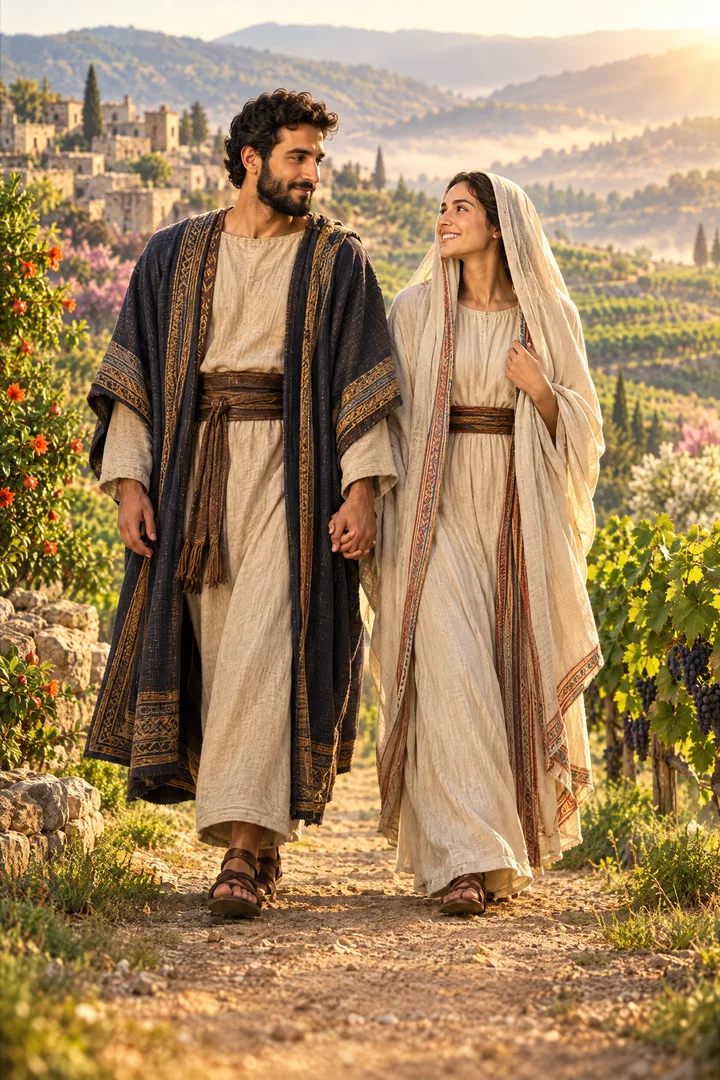

Commentary
Each commentary is drawn from primary sources: the writings of Ellen G. White and Adventist pioneers and periodicals. Each commentary is separate. Its own words are not a quotation; follow the references to read the source passages.
Pioneers and periodicals
3 sources
The book to which the verse belongs is one of the one thousand and five songs or poems composed by Solomon.ST May 24, 1910 It is constructed as a dialogue carried on between various parties.ST May 24, 1910 Its expression is in vivid, warm, figurative imagery of the East.ST May 24, 1910ST Jul 29, 1908
In its plain sense the verse is the beloved inviting her companion to rise early and go out to the vineyards.ST Sep 15, 1909 The purpose of the visit is to see whether the vine flourishes, whether the tender grape appears, and whether the pomegranates are budding.ST Sep 15, 1909 There, in that setting of fruitfulness, she promises to give him her love.ST Sep 15, 1909
In its spiritual sense the whole is a poetical picture and parable of Christ and His church.ST May 24, 1910ST Jul 29, 1908ST Sep 15, 1909 It displays His wonderful love toward her and her love in response to Him.ST May 24, 1910 That responsive love is often wanting in faithfulness and constancy.ST May 24, 1910 It is to be read alone with God, keeping that picture of Christ and the church in mind.ST May 24, 1910 Objections sometimes raised against its imagery would not be felt when it is read in the light of the time in which it was written.ST Jul 29, 1908
Sources