Song of Solomon 7:13
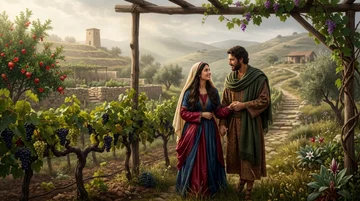
The mandrakes give a smell, and at our gates are all manner of pleasant fruits, new and old, which I have laid up for thee, O my beloved.
Translations
The mandrakes give a smell, and at our gates are all manner of pleasant fruits, new and old, which I have laid up for you, O my beloved.
King James Version, Webster Bible
The mandrakes give a smell, and at our gates are all manner of pleasant fruits, new and old, which I have laid up for thee, O my beloved.
The mandrakes give a smell,
And at our gates are all manner of pleasant fruits,
New and old,
Which I have laid up for thee, O my beloved.The mandrakes give forth fragrance, and at our doors are all manner of precious fruits, new and old, which I have laid up for thee, O my beloved.
The mandrakes give forth fragrance;
And at our doors are all manner of precious fruits, new and old,
Which I have laid up for thee, O my beloved.The mandrakes have given fragrance, And at our openings all pleasant things, New, yea, old, my beloved, I laid up for thee!
The mandrakes yield fragrance; And at our gates are all choice fruits, new and old: I have laid them up for thee, my beloved.
The love-apples, have given fragrance, and, at our openings, are all precious things, new and yet old,—O my beloved! I have treasured them up for thee.
Berean Standard Bible, Majority Standard Bible
The mandrakes send forth a fragrance,
and at our door is every delicacy,
new as well as old,
that I have treasured up for you, my beloved.The mandrakes produce fragrance.
At our doors are all kinds of precious fruits, new and old,
which I have stored up for you, my beloved.The mandrakes give out a sweet smell, and at our doors are all sorts of good fruits, new and old, which I have kept for my loved one.
The mandrakes haue giuen a smelll, and in our gates are all sweete things, new and olde: my welbeloued, I haue kept them for thee.
Douay-Rheims (Challoner revision)
The mandrakes give a smell. In our gates are all fruits: the new and the old, my beloved, I have kept for thee.
Pictures

Commentary
Each commentary is drawn from primary sources: the writings of Ellen G. White and Adventist pioneers and periodicals. Each commentary is separate. Its own words are not a quotation; follow the references to read the source passages.
Pioneers and periodicals
3 sources
The verse belongs to one of the one thousand and five songs or poems Solomon wrote, formed as a dialogue carried on between various parties.ST May 24, 1910 It uses vivid, warm, figurative Oriental language as part of an Oriental love poem.ST May 24, 1910ST Jul 29, 1908ST Sep 15, 1909 Its loving imagery belongs to the time when it was written and carries no objection when read in that setting.ST Jul 29, 1908
It is a poetical picture or parable of Christ and His church, presenting His wonderful love for her.ST May 24, 1910ST Jul 29, 1908ST Sep 15, 1909 It also shows the church's love in response to Christ, though often wanting in faithfulness and constancy.ST May 24, 1910 The poem may also draw on experiences in Solomon's own life as types of Christ and His church.ST Sep 15, 1909 It is to be read alone with God with its picture of Christ and the church in mind.ST May 24, 1910
Sources