Sunday Laws and the Presbyterian General Assembly.
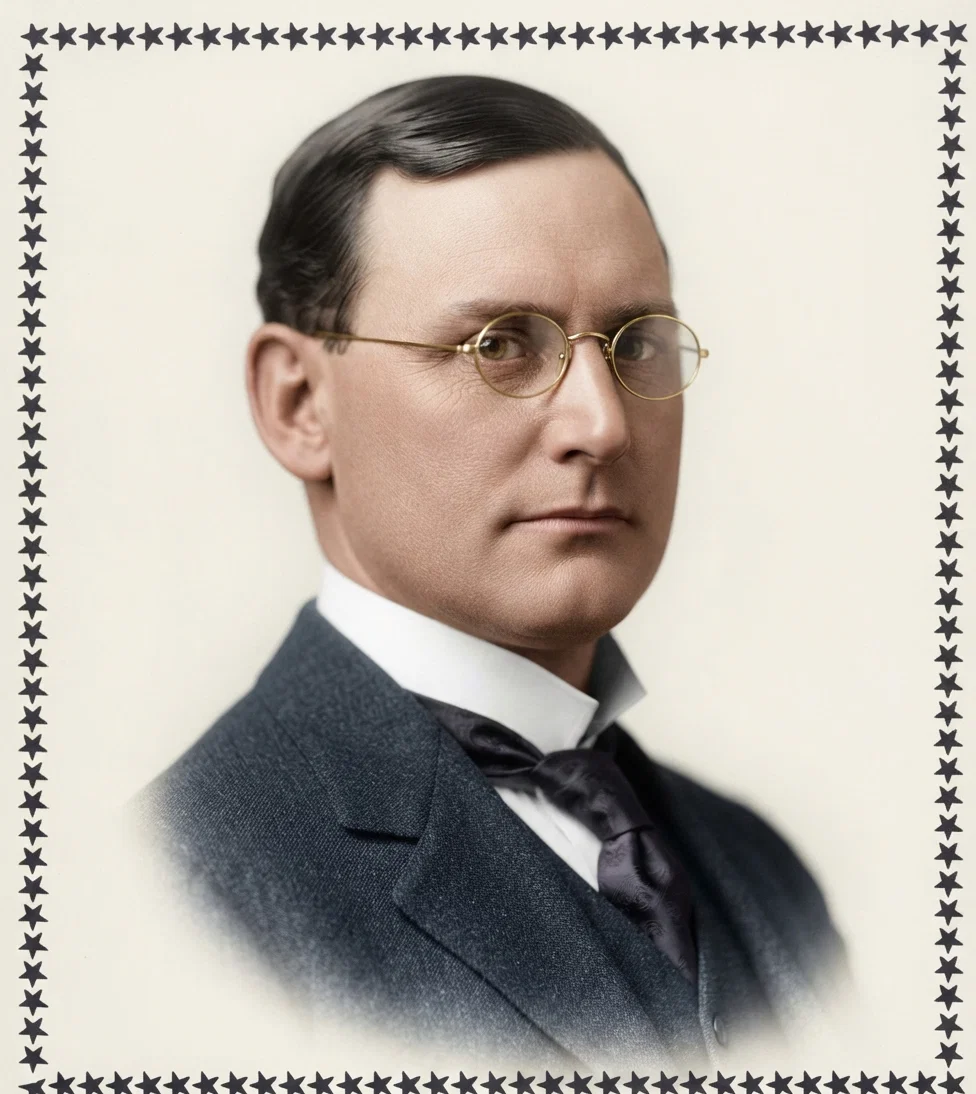
THE Presbyterian Church held its one hundred and twentieth general assembly in Kansas City, Mo., commencing May 21. It came to the city when Judge Wallace had his Sunday-law campaign running at about its strongest, and as might have been expected, he was asked to address the assembly. Some of the judge's utterances on that occasion are worthy of comment, since they show the manifest tendency of this time:
"The laws of the United States are ruled by Christianity. The church needs not go to the state for an enforcement of its laws regarding the sabbath, because the law of the church is the law of the state. Especially is this true in Missouri. The Sunday law is taken from the Fourth Commandment and we have decision after decision behind us in this matter.
"The same as the law for the punishment of a murderer is taken from the Decalogue, so is the law of the sabbath. This day is set apart by God for a day of rest."
"The defamers may say that the sabbath can not be observed by law and that the Sunday laws can not be executed, but I stand as an example before you. I tell you that the sabbath is to-day observed in Kansas City. It is enforced by law."
"The law is not enforced vindictively. The railroad trains and the street-cars, parts of our strenuous commercial existence in the United States, are permitted to run on Sunday. They are not stopped. The livery stables are open. People can get anything they want to eat or drink, provided there is no intoxicant in the liquid."
"The parks, the breathing spots for the people of the crowded districts, will not be closed. Those who do not see a blade of grass or a pretty flower can go to the parks and enjoy nature.
"I have eight more months to serve as criminal judge, and during that time the Sunday-closing law will be observed."
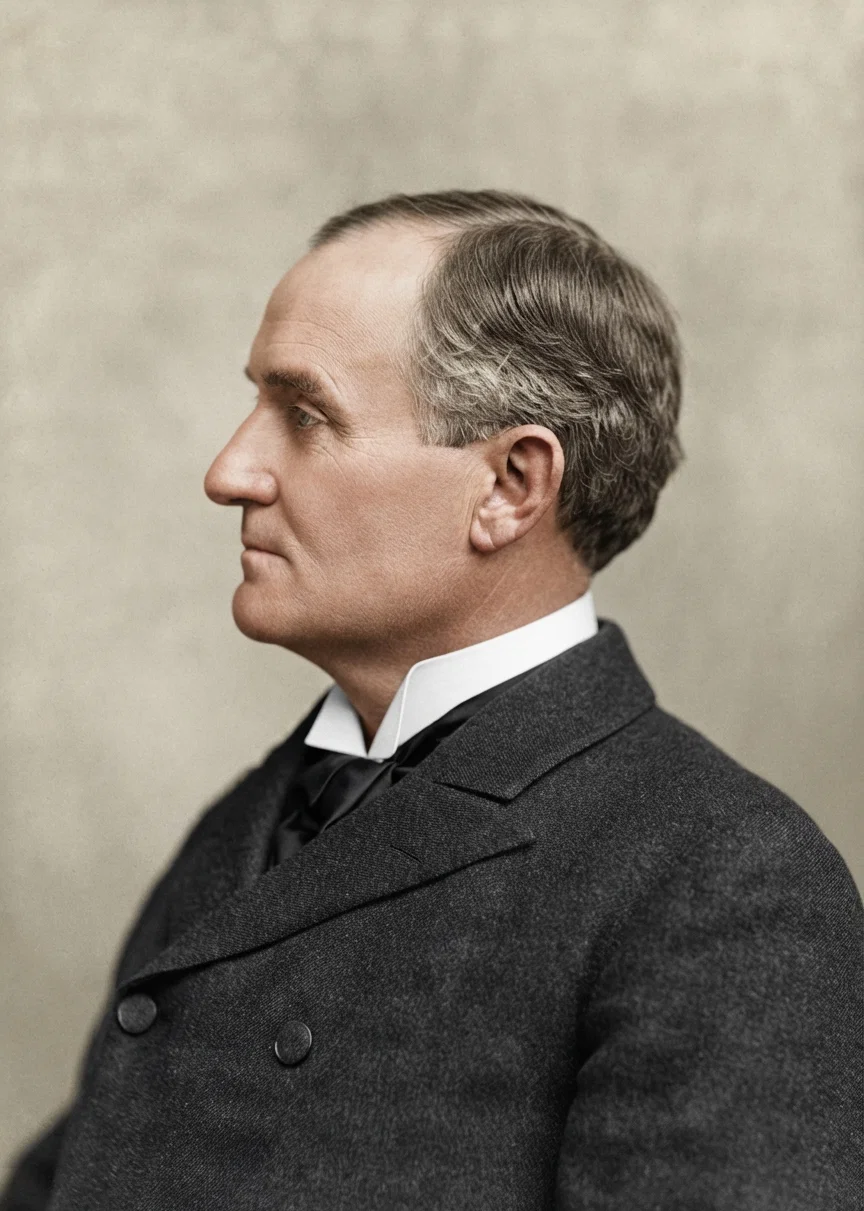
Joseph W. Folk, the Governor of Missouri.
"The sabbath is in jeopardy in the United States. From the gulf to the lakes old mammon is crying out. It is his best day. It is the best day for Venus to make way for lewdness. It is the best day for Bacchus and the brewers, and it all means destruction of the sabbath if the laws are not enforced."
The judge claims to get his Sunday law from the Fourth Commandment of the Decalogue. But the commandment speaks of the seventh day, or what is commonly called Saturday, and makes no mention of Sunday. And right here is where one of the greatest evils comes in when the attempt is made to enforce religious doctrine by civil law. In most cases the thing that God has actually commanded is swept aside and some substitute put in its place to be enforced by the human statute. And it is perfectly natural that this should be the case, for if men had the spiritual discernment that would enable them to see the truth just as God teaches it in His word, they would readily see the folly of enacting a human law to support a law that God Himself had made.
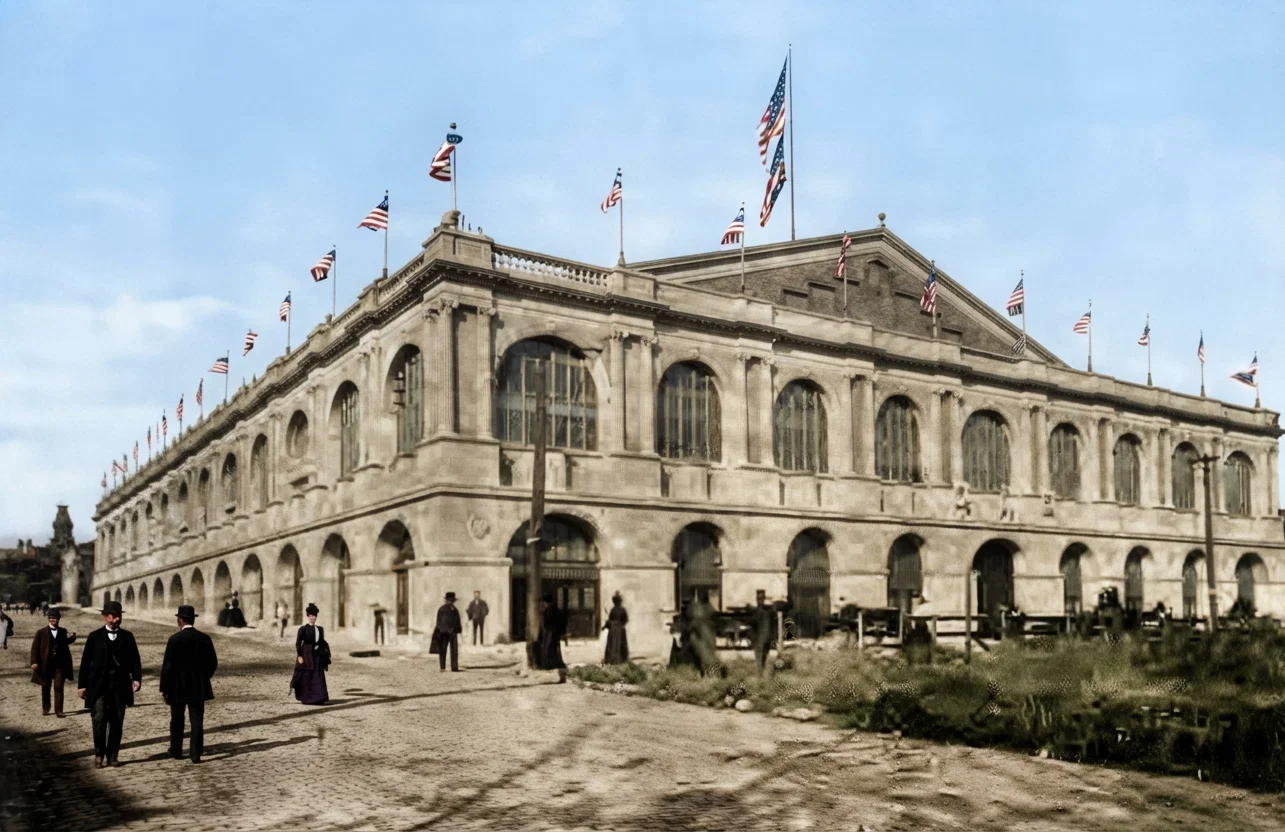
Convention Hall, Kansas City, Where the Great Presbyterian Assembly Was Held; Capable of Seating 15,000 Persons.
Men who are attempting to enforce "sabbath laws" for the good of mankind do not realize what they are undertaking. Sabbath observance is one of the highest forms of spiritual worship. Sitting still, or doing what men call "resting," is not Sabbath-keeping. The Sabbath of the Bible points to the Creator of the heavens and the earth, and calls upon men to worship Him because He is the Creator. The Sabbath of the Bible points out the Creator, and thus distinguishes Him from the lifeless gods that do not have the power to do anything, much less to create.
We are free to admit that men may compel their fellows to be idle on some day of the week, but idleness is not Sabbath-keeping. In order for men to keep the Sabbath, they must know the God of the Sabbath, and worship Him as their Creator. For no power short of that which enabled our heavenly Father to create the worlds is sufficient to create within the individual a new heart. The power that was in creation is the same power that is in conversion, and therefore no unconverted man can truly observe the Sabbath.
Mr. Wallace says, "I tell you that the sabbath is to-day observed in Kansas City." Then he proceeds to tell us how it is observed. "The law is not enforced vindictively. The railroad trains and the street-cars, parts of our strenuous commercial existence in the United States, are permitted to run on Sunday. . . . The livery stables are open. People can get anything they want to eat or drink, provided there is no intoxicant in the liquid."
Now let us look into the above statements a little: The judge has already told us that the authority for the Missouri Sunday-law is the Sabbath-commandment of the Decalogue. That commandment states, "Six days shalt thou labor, and do all thy work; but the seventh day is a Sabbath unto Jehovah thy God: in it thou shalt not do any work, thou, nor thy son, nor thy daughter, thy man servant, nor thy maid servant, nor thy cattle, nor thy stranger that is within thy gates." Ex. 20: 9, 10. Now if we were to admit that Sunday is the day the commandment refers to, how could it be made to appear that running street-cars and railroad trains, and livery stables and the like could be passed over when the law of God plainly says, "Thou shalt not do any work"?
This is only a sample of the folly of all human legislation when it enters the field of a man's duty to his God. The supporters of these laws will become very enthusiastic in talking about how they have made their statutes to harmonize with the law of Jehovah, but when their acts are brought before that law they are shown to be very wide of the mark. They will make allowances and excuses for "strenuous commercial existence" which in truth can not be made if a correct character is to be formed. This "strenuous commercial existence" can so blindfold minds that they will say that running cars and livery stables and so on may be made an exception to a divine law which says, Thou shalt not do ANY work on the Sabbath day.11
the Judge Wm. H. Wallace, of the Criminal Court, Kansas City.
Judge Wallace refers to the drunkenness and lewdness that are indulged on Sunday. There is no questioning the existence of these evils. But compelling men to be idle on Sunday will not help that matter. It requires a strong character to be freed from toil and yet be able to keep out of the vices of idleness. And that is the reason why every one should recognize that Sabbath-keeping must carry with it the very highest forms of spiritual worship. If it does not have this worship, it is simple idleness, and the way is opened all the more strongly for the very lewdness and vices that the judge decries.
It is hoped by the Sunday-law advocates that they will be able to put an end to drunkenness and lewdness by compelling Sunday rest. But these things will go on just the same after the Sunday laws are all made. Then it will be seen that one more thing is needed and that is a law to compel people to attend church on that day. That is the next logical step. It may seem absurd to think of such a thing in these days when men can talk so fluently of religious freedom, but just watch the developments. Laws to compel people to attend church followed Rome's first Sunday law, and why should we expect anything different in the United States? T.
Fresh Air and Pneumonia.
By Editor
THE advanced physicians are learning slowly that the very best remedies we have are the common things which God gives us. Pure water, simple living, fresh air, a clean life, are blessings within the reach of all.
Consumption has been called the great white plague, the disease which above all others is sweeping away humanity; but the last year or so has shown that the death-ratio of pneumonia is greater than that of its rival, tuberculosis. So much is it feared that eminent physicians from all parts of the country are engaged in endeavoring in some way to meet its dread ravages. This is especially true among eminent physicians in New York City. They have learned this regarding the pneumonia germ, that it works in the dark. The germ will die in an hour if exposed to fresh air, and surely this reveals the remedy, and that is to give the patient all the fresh air possible. One physician remarks: "Formerly when a patient had pneumonia, the room was closed, and the temperature kept up. Now they are treating them in the open air, with the thermometer sometimes at zero."
Personally we have known cases where every symptom indicated a severe attack of pneumonia, in which the one affected literally killed the disease by breathing. It was a very painful process. The germs multiply at an astounding rate, filling and congesting the air passages. It takes tremendous courage and endurance to do much deep breathing on such an occasion, when sometimes every breath pierces like a lance. But the fresh air inhaled is death to the germs. And it seems to us that the lesson ought to be learned for common every-day life that in proper breathing there is life.
Among the curses of civilization are closed rooms, vitiated air, shallow breathing, dark living rooms. Let all our readers join in the cry for fresh air and plenty of sunlight. In these are life and health for the body.
It seems to us a horrible thing which the Western Watchman suggests to mitigate the evil of drinking. It says: "Keep men from behind the bar. Women cook and serve food to the hungry in boarding-houses; they should dispense drink to the thirsty in the barrooms. Boys might help them, but no boy should be allowed behind a bar after he is old enough to work. This would eliminate the bloated, hideous, vulgar brute that now mixes insanity and serves murder drops to the unwary. Women serve liquor all over Europe, where it is dispensed in conjunction with food, and their presence is a guarantee against vulgarity and excess. Women obey the law. They keep orderly houses and make the liquor business as respectable as it can be made." We wish that were true, but our observation is that serving at the bar degrades women, lowers the standard until it is not an infrequent thing to find women brawling, swearing, and acting as indecently as men ever do. Thus far the greatest degradation of the results of liquor-drinking has been confined to the men. By all means let it go no farther than that. Among women let it be the exception, and not the rule. But the best way to mitigate the evil is to abolish it altogether.
Spiritual Dearth.
The leading journal of Methodism in the United States has this note regarding its utterances to its own denomination:
"The Christian Advocate did not receive during the past winter so many reports of accessions as might reasonably be expected. We do not hear from any source of information of marked manifestations of divine power and human effort, and have therefore directed the attention of the churches and the pastors to the fact that God never intended His servants to wait for special outpourings, that the apostles never did so, that the founders of our special communion never did so." This is about the news that we receive from every source in these days of overwhelming commercialism, greed, and pleasure. Spirituality is at low ebb; even so Christ said it would be in the days just prior to His coming. "And because iniquity shall abound, the love of the many shall wax cold."
Reformed Spelling.
The reformed spelling seems to be making fairly good progress. It is not scientific by any means. It comes by pieces. If the whole scholastic English world could but once come to the conclusion that we would make our spelling scientific, it certainly would be a wonderful help. Some of our letters are utterly useless, as "c" for instance, always taking the place of "k" or "s" except in the combination of "ch," for which it could well be used. There are those, especially in England, who object to spelling honor, "honor," and yet Shakespeare spelled it in various ways, among which was "honor;" and so with most of the reforms thus far suggested, precedence can be found for them all thru the centuries. A few of these suggestions the SIGNS OF THE TIMES has adopted. It follows the reform which has taken place among medical men in dropping the final "e" in "bromide," "sulfide," "iodine," etc., the "ugh" in "though," and writing "thru" for "through," altho it seems to us that "throo" would be preferable.
We write "lost" instead of "lossed," why should we not write "crost" instead of "crossed"? We write blest, "blest," why not write pressed "prest," and dressed, "drest"? While everything in the world, nearly, is striving toward economy of time, it would seem as tho reformed spelling would commend itself to the majority of people. There seems, however, to be as much prejudice against it as against the American Standard Revised Version Bible. A contemporary mentions one person who declares that the Saint James Version is good enough for him. He seemed to suppose that it was a holy man who gave us our so-called "authorized" version. Our "authorized" version is like our "authorized" spelling; neither has ever been authorized by any authority which should affect people of ordinary common sense, yet it does.
Methodist Controversy Over Bishop Election
The Methodists have been tremendously stirred over the refusal of the General Conference to elect Dr. Goodell, of New York, bishop, because he divorced his first wife. The story is that he did it for just and proper reasons. He is pastor of one of the very largest churches, is said to be a successful man; but politics ran high, rival candidates seemed, according to reports, to do all they could to disparage Mr. Goodell, and the result was that he was defeated. One of the first things that his congregation did was to pass a resolution of sympathy for him, and censure of the General Conference.
Philippine Opium Ban Succeeds
By Editor
The "Philippine Christian Advocate" of April tells us that the elimination of the opium curse from the Philippines is a success, and that opium joints are closed. One month the law has been in force, and results were reported as "very satisfactory." Good. Let the United States apply the same principles elsewhere.
Chinese Immigration and Oregon Prohibition
The law prohibits Chinese workmen from coming into this country, yet the anxiety to come here is evidenced from the fact that they have been smuggled across the border from Mexico to El Paso, and from there shipped in nailed-up boxes to New York, and twelve were found dead when they reached New York. A Chinese telegram from New York states: "Twelve boxes has received all right, but all qui hin, which means 'gone to heaven.'" Not long ago some who had been put aboard somewhere in Canada were found frozen to death in a refrigerator car.
The returns from the Oregon election, recently held, indicate that twenty-one counties have voted prohibition.
The Spain of Old and of To-Day.
By Frank S. Bond
HERE is perhaps in all history "no name more fraught with picturesque and romantic interest than that of the Spanish Peninsula." A historian says: "After finishing this rare bit of handiwork, nature seems to have thrown up a great ragged wall, stretching from sea to sea, to protect it; and the Pyrenees have stood for ages a frowning barrier, descending toward France on the northern side from gradually decreasing heights, but on the Spanish side in wild disorder, plunging down thru deep chasms, ravines, and precipices; with sharp cliffs towering thousands of feet skyward which better than standing armies protect the sunny plains below."
To be able to realize that the Spain of to-day is only a mere semblance of her former self, one has but to visit her decayed cities and gaze upon her fallen watch-towers. To be able to appreciate the fact that her former greatness and culture have departed, one has to mingle but very little with her present inhabitants.
Spain is situated between the thirty-sixth and forty-third degree, forty-seven minutes, north latitude; and between west longitude nine degrees, seventeen minutes, and east longitude three degrees, twenty minutes. Its greatest length from east to west is 560 miles, and breadth from north to south, 540 miles. The surface contains 193,000 square miles, or about three times more than England. With the exception of Switzerland, Spain is the most mountainous country in Europe.
It is said that the country may be divided into seven distinct chains of mountains. The greatest elevations are found in the Pyrenees in the north, and the Sierra Nevada range in the southeast. The highest mountain is Mulahacen, near Granada. Its height is 11,703 feet.
There are but few rivers of much importance in Spain. Under Moorish rule, in the ninth and tenth centuries, an excellent irrigation system was established in different parts of the country. The canals and ditches excavated so many centuries ago are being operated with success to-day; and by their use many thousands of acres of the old land of the "Don" are made to blossom as the rose.
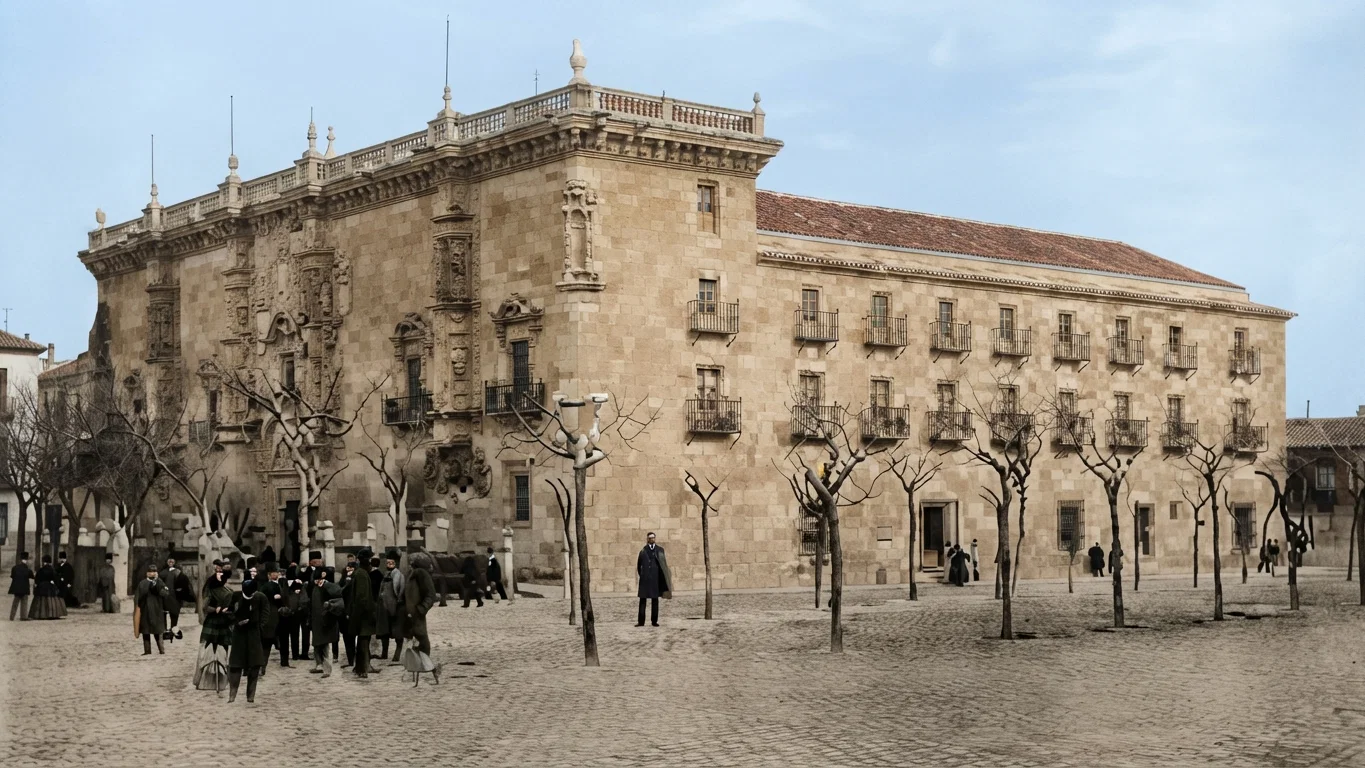
Art Museum, Valladolid, the Great University Center of Spain.
Spain is divided into forty-nine provinces; each of these having a separate government. It can not be said tho that each has an independent government. To give an idea of how limited its power is, I will refer to one thing: Should the city board of trustees in any city be desirous of paving some street in their city, they must first make their wants known to the central government at Madrid, and from there receive permission to carry out their plans. Just imagine the city board of some California city wanting to pave one of its streets, but not being able to execute their plans, without first receiving permission from Washington, D. C.!
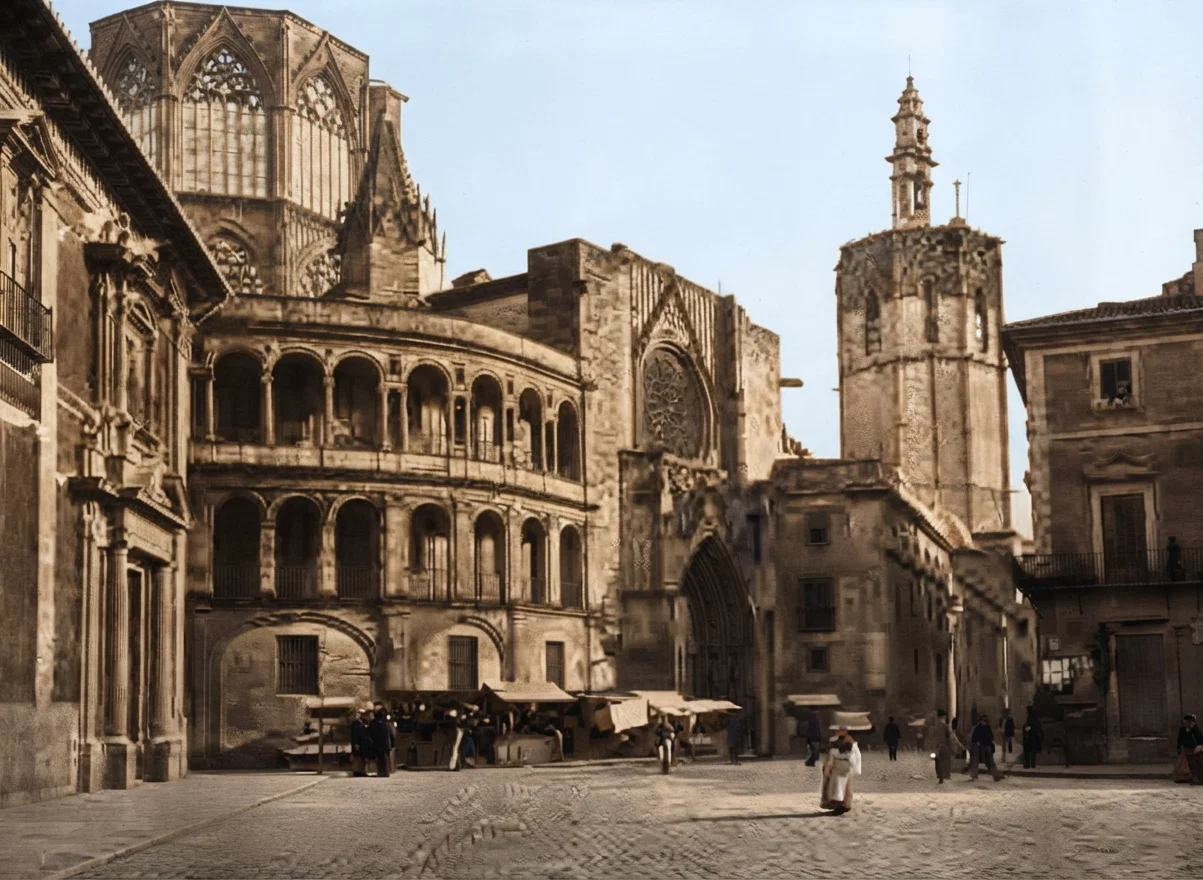
The Cathedral of Valencia, Spain.
It is considered that the climate in Spain is superior to that of Italy. In the first place it is more southern, and it is also sheltered from the north winds by the elevated Sierras running east and west. There is, however, quite a variety of climates to be found here, and consequently a greater variety in agricultural products. Spanish soil is usually light and very fertile, and being blessed with abundance of sunshine and in a number of places with a good irrigation system, this country is not only able to supply the demand of home consumption, but by her numerous exports does a big part toward supplying the markets of other European countries.
Northwestern Spain abounds with productive iron mines; the great table-lands, in the center of which is located Madrid, are almost wholly employed for the production of grains and wine. The greater portion of southern and western Spain is absorbed in the fruit industry. Stock-raising is also extensively carried on in the south as well as in central Spain. The province of Seville is famous for its superior olives.
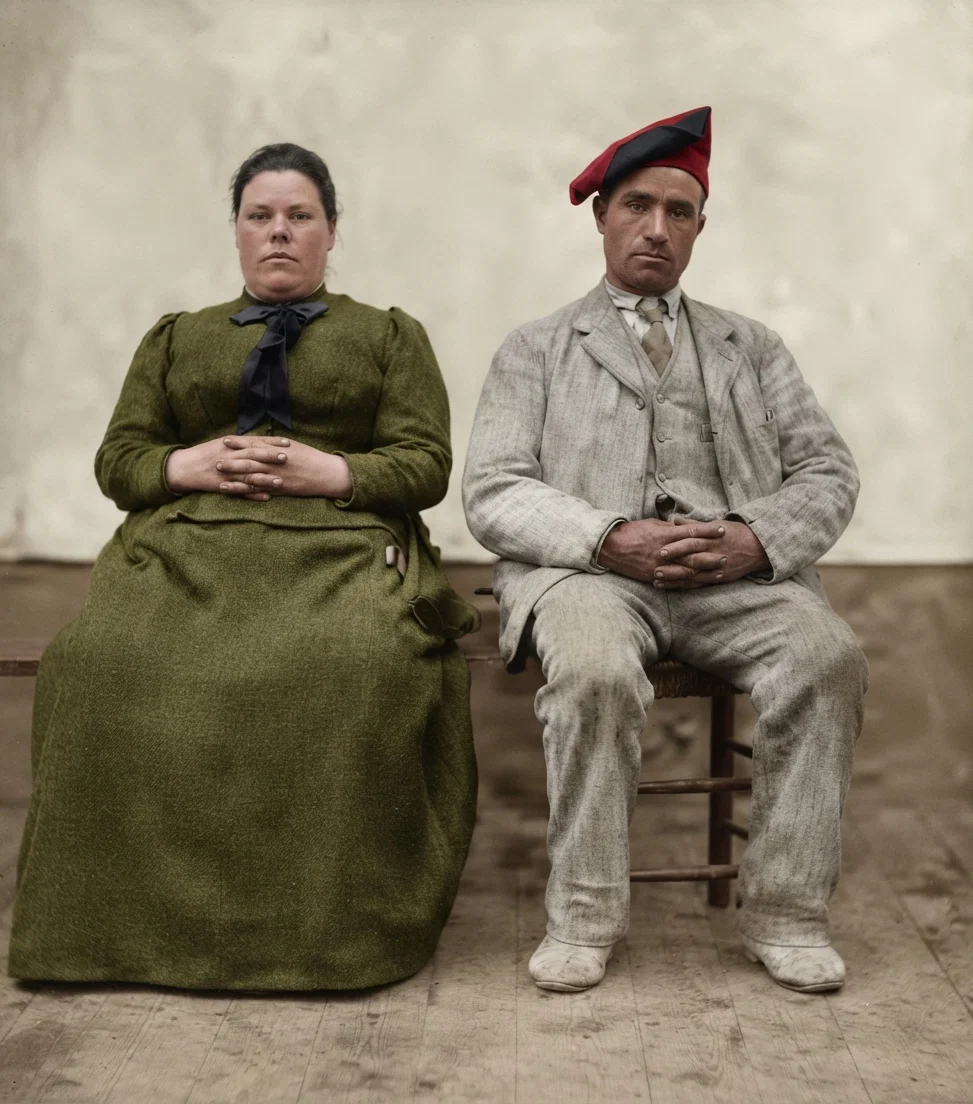
Catalan People of Northeast Spain.
Malaga and Denia are the great raisin centers, while Valencia is known all over Europe by her very fine oranges and other fruits. This climate is adapted to all fruits with which Californians are familiar.
Population and Cities.
Spain has a population of about eighteen million souls. There are numerous large cities, each having from fifty thousand to six hundred thousand inhabitants; and there are thousands of smaller cities and towns. Spanish cities are usually planned after ancient styles of architecture, so to the American traveler the exterior view of the general run of buildings affords but little attraction. Narrow streets are very prevalent, but most every city has several wide, well-shaded ramblas and paseos which very effectually break the monotony.
Altho Spain has descended from her exalted and leading position which only three centuries ago she held among the nations of earth, still to-day this is a land full of interest.
As is true in every land and clime, the only power which can uplift and save the people from the awful depths into which they have fallen, is the Gospel of Christ.
In my next letter I shall write something about the Spanish people, their language, customs, etc. FRANK S. BOND.
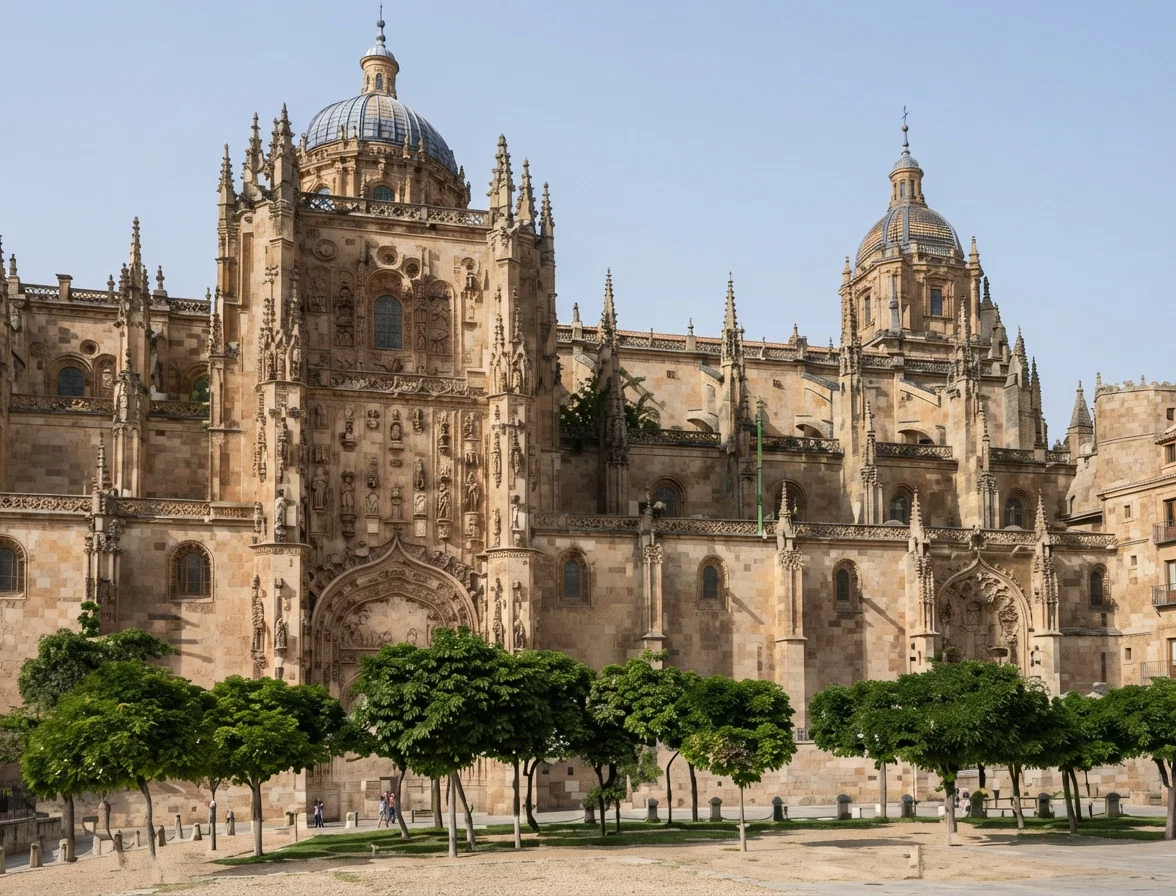
General View of Cathedral, Salamanca, Spain.
Our Work and Workers.
By Editor
BROTHER WM. KENNEDY baptized four at Kline, Colo., May 6.
W. W. STEBBINS reports the baptism of four at Superior, Wis., the fruits of the labors of two Bible workers, Sisters Belin and Roberson.
THE little company of fifteen believers at Yoncalla, Ore., dedicated a new church building May 10, Brother W. F. Martin delivering the sermon.
"THE work is still onward in this part of the field. Last Sunday I had the pleasure of baptizing five precious souls."—M. Mackintosh, Florence, Colo.
SABBATH, April 25, nine precious souls were baptized by Brother S. T. Shadel at Marshfield, Wis., and the day following a church of twelve members was organized.
SABBATH, May 16, a church organization was perfected at Montrose, S. Dak., with twenty-two members. Brethren J. W. Christian and N. J. Ronlund had charge of the services.
THE labors of Byron and Flora Post at Chippewa Falls, Wis., the past year and a half have resulted in the establishment of a company of twenty believers at that place.
"A SABBATH-SCHOOL with twenty members has been organized two miles west of Ramsey, S. Dak. This is the result of the labor of Brother N. J. Ronlund in this neighborhood."—Northern Union Reaper.
BROTHER S. A. WELLMAN, editor of The Caribbean Watchman, published at Port-of-Spain, Trinidad, W. I., writes of baptizing thirteen at Tunapuna, Trinidad, the first-fruits of a tent-meeting held at Arouca.
AT Long Creek, Ore., a church of eighteen members has been organized by Brethren F. M. Oliver and A. M. Dart. About half of the members are new converts to the truth. The church is known as the Fox Valley Church.
BROTHER AND SISTER E. H. HUNTLEY, who have been laboring for some time at Bossburg, Wash., write: "A church of twenty-two members has been organized as the result of this effort. Thus far we have baptized fifteen."
S. S. Supplies.—We still have a good supply of S. S. Record at 35 cents, for schools of 20 to 90 members; class records at 10 cents; S. S. Quarterlies at five cents each. If you need a Bible, send for our "Select List of Bibles." Address, Pacific Press, Mountain View, Cal.
Here and Hereafter, or Man's Nature and Destiny. By Uriah Smith. This work is a thoro canvass of the great questions of a future existence, and the nature of man in the present life. Every text in the Bible which has any possible bearing upon these points is taken up and carefully explained. Cloth, 357 pp., $1.00. Address this office.