2 Samuel 19:2
And the victory that day was turned into mourning unto all the people: for the people heard say that day how the king was grieved for his son.
Translations
And the victory that day was turned into mourning to all the people: for the people heard say that day how the king was grieved for his son.
King James Version, KJV Cambridge Paragraph Bible
And the victory that day was turned into mourning unto all the people: for the people heard say that day how the king was grieved for his son.
And the victory that day was turned into mourning to all the people: for the people heard it said that day how the king was grieved for his son.
And the victory that day was turned into mourning unto all the people: for the people heard say that day, The king grieveth for his son.
And the victory that day was turned into mourning unto all the people; for the people heard say that day, The king grieveth for his son.
and the salvation on that day becometh mourning to all the people, for the people hath heard on that day, saying, 'The king hath been grieved for his son.'
And the victory that day was [turned] into mourning for all the people; for the people heard say that day, The king is grieved for his son.
So the victory, on that day, was turned into mourning, with all the people,—for the people heard, on that day, saying, The king is distressed for his son.
Berean Standard Bible, Majority Standard Bible
And that day’s victory was turned into mourning for all the people, because on that day they were told, “ The king is grieving over his son.”
The victory that day was turned into mourning among all the people, for the people heard it said that day, “ The king grieves for his son.”
And the salvation of that day was changed to sorrow for all the people: for it was said to the people, The king is in bitter grief for his son.
Therefore the victorie of that day was turned into mourning to all the people: for the people heard say that day, The King soroweth for his sonne.
Douay-Rheims (Challoner revision)
And the victory that day was turned into mourning unto all the people: for the people heard say that day: The king grieveth for his son.
Pictures
Cross-references
- 2 Samuel 18:33
And the king was much moved, and went up to the chamber over the gate, and wept: and as he went, thus he said, O my son Absalom, my son, my son Absalom! would God I had died for thee, O Absalom, my son, my son!
David’s grief over Absalom continues.
- 2 Samuel 18:1-23
And David numbered the people that were with him, and set captains of thousands and captains of hundreds over them.
The preceding reading covers the war that ended in Absalom’s defeat.
- 2 Samuel 15:1-18
And it came to pass after this, that Absalom prepared him chariots and horses, and fifty men to run before him.
Absalom’s rebellion and crimes form part of the retribution described.
- 2 Samuel 12:10-12
Now therefore the sword shall never depart from thine house; because thou hast despised me, and hast taken the wife of Uriah the Hittite to be thy wife.
Nathan announces consequences for David’s sin that unfold in his life and family.
- 2 Samuel 13:1-22
And it came to pass after this, that Absalom the son of David had a fair sister, whose name was Tamar; and Amnon the son of David loved her.
The history of Amnon and Tamar is included among David’s family sorrows.
Commentary
Each commentary is drawn from primary sources: the writings of Ellen G. White and Adventist pioneers and periodicals. Each commentary is separate. Its own words are not a quotation; follow the references to read the source passages.
Ellen G. White
1 source
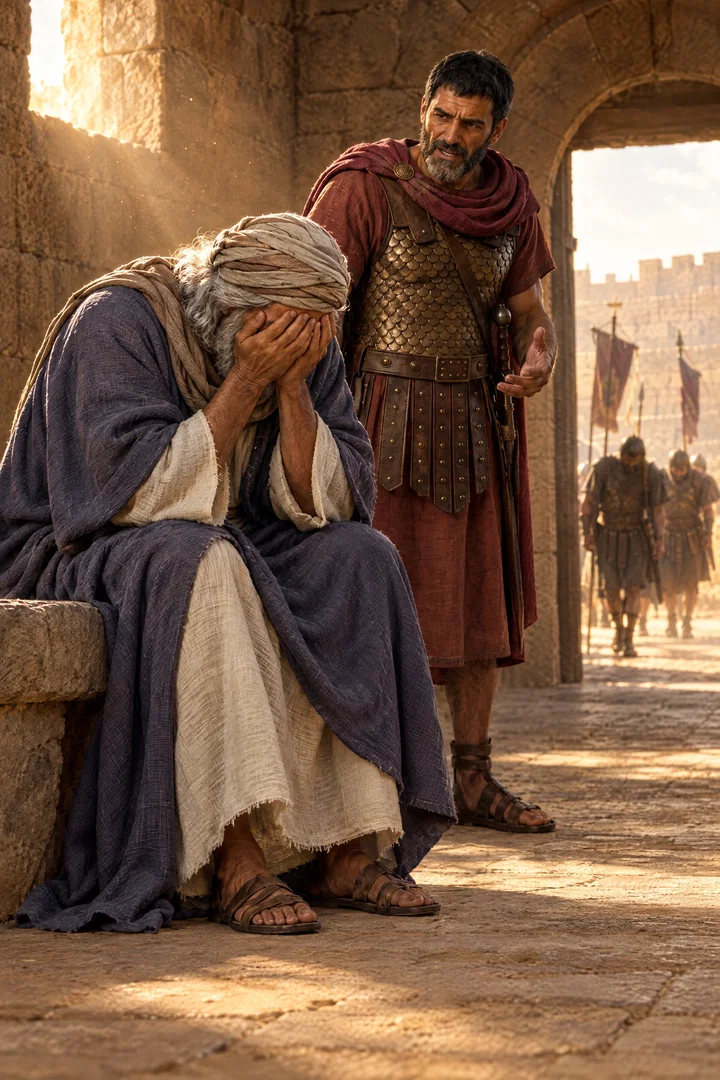
The triumph of that day was transformed into grief for the entire nation because the king was overwhelmed with sorrow for his son Absalom.PP 745.1–2 When word spread through the ranks that David was mourning so bitterly over his lost son, the joy of deliverance was swallowed up in shared mourning.PP 745.1–2 Instead of returning in the boldness of conquerors, the troops slipped back into the city quietly and downcast.PP 745.1–2 They bore the shame and demeanor of a beaten army, though they had won the battle, because their king's lament had turned victory into mourning.PP 745.1–2
Sources
Pioneers and periodicals
6 sources
The verse belongs to the account of Absalom's defeat and death, of David's lament over him, and of David's victory over Absalom and return to Jerusalem.ST May 6, 1913ST Apr 14, 1909 It stands at the moment when the triumph of that day was turned into mourning for all the people, because they heard how the king was grieved for his son.RH Apr 26, 1870ST Apr 29, 1908ST Mar 31, 1881 That son was the wicked Absalom, whose defeat turned the people's victory into grief for them all.ST Apr 29, 1908ST Mar 31, 1881
This grief belongs to the family troubles recorded in 2 Samuel 13-20, which grew out of David taking many wives for himself.ST Apr 29, 1908 That gave him a large family of children by different mothers, where idleness, luxury, and jealousy built bad character.ST Apr 29, 1908 Absalom himself, beautiful, shrewd and handsome, was stirred to ambition by lavish flattery.ST Apr 29, 1908
The verse is part of the sad history of retribution for David's wrongs, especially his wicked conduct and sin against Uriah.RH Apr 26, 1870ST Mar 31, 1881RH Oct 12, 1869 David's later history shows in this way the fulfillment of Nathan's prophetic denunciation through the judgments that came upon David afterward.RH Oct 12, 1869 This sorrow was retribution that followed David through all the rest of his life, principally in his own family.ST Mar 31, 1881 It stands alongside the sad history of Amnon and Tamar and the rebellion and unnatural crimes of Absalom, with even Adonijah's rebellion and death as part of the same retribution.ST Mar 31, 1881 In this it proves that wrongdoing brings calamity and sorrow upon the wrongdoer in the very kind of evil caused to others.ST Mar 31, 1881 No one can walk contrary to God's laws without suffering, and sin never pays, because every transgression of divine law carries its own curse even when God does not openly reprove and lets blindness go unnoticed for a time.ST Apr 29, 1908ST Mar 31, 1881
Sources