2 Samuel 19:4
But the king covered his face, and the king cried with a loud voice, O my son Absalom, O Absalom, my son, my son!
Translations
American King James Version, King James Version, Webster Bible
But the king covered his face, and the king cried with a loud voice, O my son Absalom, O Absalom, my son, my son!
But the king covered his face, and the king cried with a loud voice, O my son Absalom, O Absalom, my son, my son.
Revised Version, American Standard Version
And the king covered his face, and the king cried with a loud voice, O my son Absalom, O Absalom, my son, my son!
and the king hath covered his face, yea, the king crieth — a loud voice — 'My son Absalom, Absalom, my son, my son.'
And the king covered his face, and the king cried with a loud voice, My son Absalom! Absalom, my son, my son!
But, the king, muffled his face, and the king made outcry, with a loud voice,—O my son Absolom, O Absolom, my son, my son!
Berean Standard Bible, Majority Standard Bible
But the king covered his face and cried out at the top of his voice, “ O my son Absalom! O Absalom, my son, my son!”
The king covered his face, and the king cried with a loud voice, “ My son Absalom, Absalom, my son, my son!”
But the king, covering his face, gave a great cry, O my son Absalom, O Absalom, my son, my son!
So the King hid his face, and the King cryed with a loude voyce, My sonne Absalom, Absalom my sonne, my sonne.
Douay-Rheims (Challoner revision)
And the king covered his head, and cried with a loud voice: O my son Absalom, O Absalom my son, O my son.
Pictures
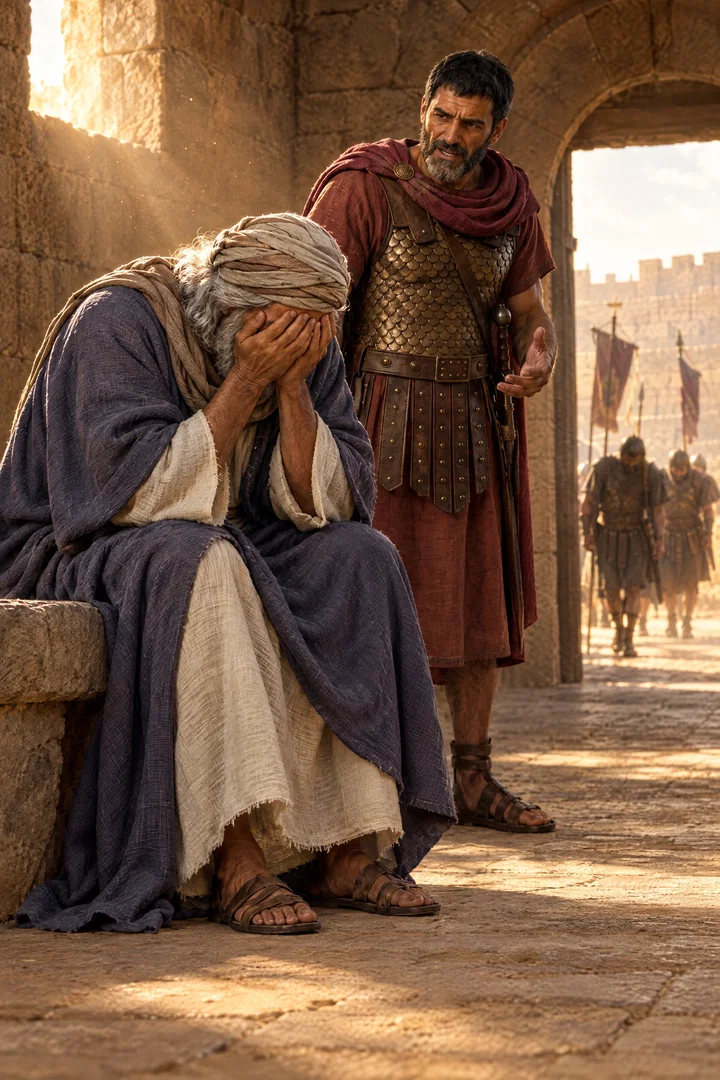
Cross-references
- 2 Samuel 15:1-18
And it came to pass after this, that Absalom prepared him chariots and horses, and fifty men to run before him.
Absalom’s rebellion leads to David’s mourning for his son.
- 2 Samuel 13
And it came to pass after this, that Absalom the son of David had a fair sister, whose name was Tamar; and Amnon the son of David loved her.
The Amnon and Tamar account is part of David’s later family sorrows.
- 2 Samuel 12:10-12
Now therefore the sword shall never depart from thine house; because thou hast despised me, and hast taken the wife of Uriah the Hittite to be thy wife.
The announced judgment on David’s household is reflected in his family’s later troubles.
- 2 Samuel 18
And David numbered the people that were with him, and set captains of thousands and captains of hundreds over them.
Records events following David’s transgression.
- 2 Samuel 17
Moreover Ahithophel said unto Absalom, Let me now choose out twelve thousand men, and I will arise and pursue after David this night:
Records events following David’s transgression.
- 2 Samuel 14
Now Joab the son of Zeruiah perceived that the king’s heart was toward Absalom.
The chapter records events following David’s transgression.
- 1 Kings 1:5-10
Then Adonijah the son of Haggith exalted himself, saying, I will be king: and he prepared him chariots and horsemen, and fifty men to run before him.
Adonijah’s rebellion is counted among the consequences of David’s earlier wrongs.
- 2 Samuel 12:23
But now he is dead, wherefore should I fast? can I bring him back again? I shall go to him, but he shall not return to me.
David accepts that he will join his dead child, who cannot return to him.
Commentary
Each commentary is drawn from primary sources: the writings of Ellen G. White and Adventist pioneers and periodicals. Each commentary is separate. Its own words are not a quotation; follow the references to read the source passages.
Pioneers and periodicals
8 sources
The cry is David's lament over the death of his son Absalom after Absalom's rebellion against him, uttered after the victory in the war against Absalom and before and in connection with David's return to Jerusalem.ST May 6, 1913ST Apr 14, 1909 To cover the face is to cover it for shame and grief.ST Jun 24, 1889 Absalom had been the petted idol of the kingdom, and his death was the fate of a wicked son.ST May 6, 1913ST Apr 29, 1908
The grief belongs to the history of David's reign and its difficulties in chapters 13-20, with heavy disgrace, suffering and sorrow coming upon David through his sons, including Amnon and Absalom, whom he was unable to control, all traced largely to the evil of taking many wives.ST May 6, 1913ST Apr 29, 1908ST Apr 14, 1909 It is included without further explanation as part of David's later history, which records the consequences of his sin concerning Uriah and the fulfillment of Nathan's denunciation.RH Oct 12, 1869 The loud mourning is one of the family sorrows that followed David's wrongs against Uriah, and it proves that sin brings consequences of its own kind, so that the very kind of evil caused to others returns upon the wrongdoer.RH Apr 26, 1870ST Mar 31, 1881
The grief belongs to calamity and sorrow that came back upon David through all the rest of his life, principally in his own family, including the sad history of Amnon and Tamar and the rebellion and unnatural crimes of Absalom, with even Adonijah's rebellion and death as part of it.ST Mar 31, 1881 David mourned Absalom intensely because he believed in the resurrection and the coming judgment; Absalom had died while sinning, sin's wages being the second death, and his death had closed the door to repentance and pardon.ST Jul 31, 1884 The detailed faithfulness with which the account is told stamps it as inspired and shows that God does not hide the sins of even the greatest kings.ST May 6, 1913
This mourning shows what happens when the earth is given into the hand of the wicked, that Satan and his servants so rule that the faces of righteous judges are covered for shame and grief.ST Jun 24, 1889
Sources