2 Samuel 19:6
In that thou lovest thine enemies, and hatest thy friends. For thou hast declared this day, that thou regardest neither princes nor servants: for this day I perceive, that if Absalom had lived, and all we had died this day, then it had pleased thee well.
Translations
In that you love your enemies, and hate your friends. For you have declared this day, that you regard neither princes nor servants: for this day I perceive, that if Absalom had lived, and all we had died this day, then it had pleased you well.
In that thou lovest thine enemies, and hatest thy friends. For thou hast declared this day, that thou regardest neither princes nor servants: for this day I perceive, that if Absalom had lived, and all we had died this day, then it had pleased thee well.
in that thou lovest thine enemies, and hatest thy friends: for thou hast declared this day, that thou regardest neither princes nor servants: for this day I perceive, that if Absalom had lived, and all we had died this day, then it had pleased thee well.
In that thou lovest thy enemies, and hatest thy friends. For thou hast declared this day, that thou regardest neither princes nor servants: for this day I perceive, that if Absalom had lived, and all we had died this day, then it had pleased thee well.
Revised Version, American Standard Version
in that thou lovest them that hate thee, and hatest them that love thee. For thou hast declared this day, that princes and servants are nought unto thee: for this day I perceive, that if Absalom had lived, and all we had died this day, then it had pleased thee well.
to love thine enemies, and to hate those loving thee, for thou hast declared to-day that thou hast no princes and servants, for I have known to-day that if Absalom [were] alive, and all of us to-day dead, that then it were right in thine eyes.
in that thou lovest them that hate thee, and hatest those that love thee. For thou hast declared this day, that neither princes nor servants are anything to thee: for to-day I perceive, that if Absalom had lived, and all we had died to-day, then it would have been right in thine eyes.
by loving them who hated thee, and hating them who loved thee,—for thou hast declared, to-day, that, nothing to thee, are princes or servants, for I perceive, to-day, that, if, Absolom, had lived, and, all we, to-day had died, that, then, it had been right in thine eyes.
Berean Standard Bible, Majority Standard Bible
You love those who hate you and hate those who love you! For you have made it clear today that the commanders and soldiers mean nothing to you. I know today that if Absalom were alive and all of us were dead, it would have pleased you!
in that you love those who hate you and hate those who love you. For you have declared today that princes and servants are nothing to you. For today I perceive that if Absalom had lived and we had all died today, then it would have pleased you well.
For your haters, it seems, are dear to you, and your friends are hated. For you have made it clear that captains and servants are nothing to you: and now I see that if Absalom was living and we had all been dead today, it would have been right in your eyes.
In that thou louest thine enemies, and hatest thy friendes: for thou hast declared this day, that thou regardest neither thy princes nor seruants: therefore this day I perceiue, that if Absalom had liued, and we all had dyed this day, that then it would haue pleased thee well.
Douay-Rheims (Challoner revision)
Thou lovest them that hate thee, and thou hatest them that love thee: and thou hast shewn this day that thou carest not for thy nobles, nor for thy servants: and I now plainly perceive that if Absalom had lived, and all we had been slain, then it would have pleased thee.
Pictures
Cross-references
- 2 Samuel 15
And it came to pass after this, that Absalom prepared him chariots and horses, and fifty men to run before him.
Absalom's rebellion as part of the same retribution
- 2 Samuel 13:1-22
And it came to pass after this, that Absalom the son of David had a fair sister, whose name was Tamar; and Amnon the son of David loved her.
named as part of the same family retribution
Commentary
Each commentary is drawn from primary sources: the writings of Ellen G. White and Adventist pioneers and periodicals. Each commentary is separate. Its own words are not a quotation; follow the references to read the source passages.
Ellen G. White
1 source
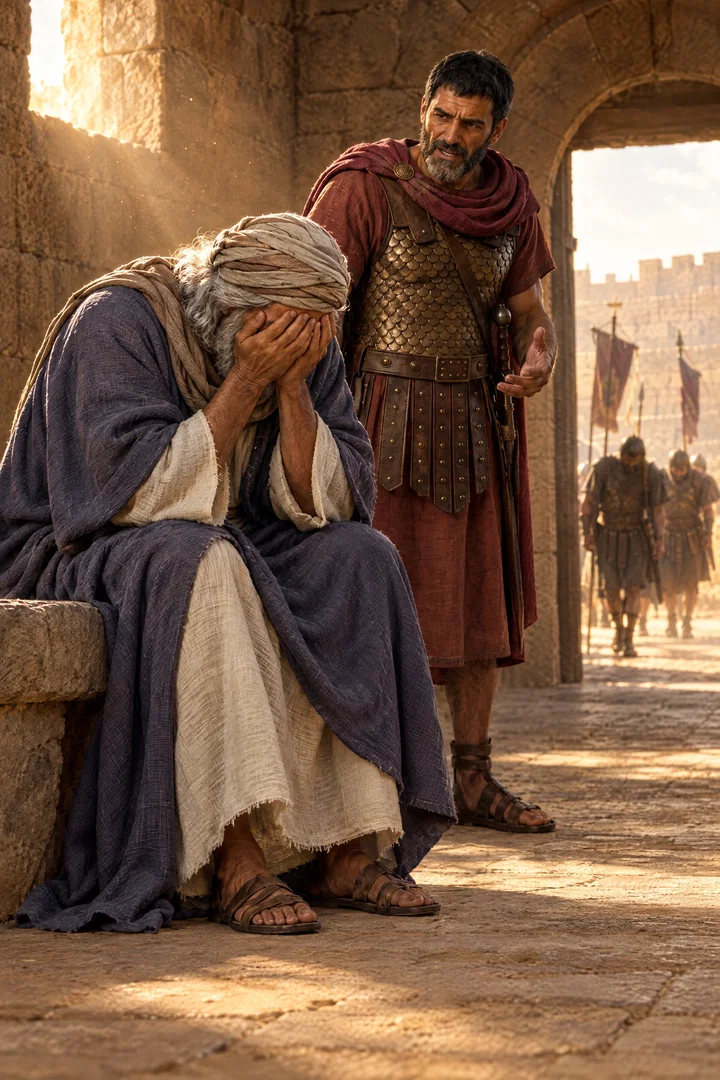
The words are Joab's sharp rebuke to David when the king's grief over Absalom became so excessive that it put to shame the very soldiers who had risked their lives to save him and his household.PP 745.3–4 David was shut away mourning for his rebellious son instead of acknowledging the victory that had preserved his throne, his life, and his family.PP 745.3–4 Joab confronted him directly over this failure, treating the mourning as a public dishonor to loyal men returning from battle.PP 745.3–4
The charge was that David was acting as if he loved his enemies and hated his friends, weeping for the one who had sought his overthrow while slighting those who had stood by him.PP 745.3–4 In doing so he seemed to show no regard for either princes or servants, for commanders or common soldiers alike.PP 745.3–4 The rebuke pressed further that David appeared to wish Absalom had lived even if all his faithful supporters had died in his place that day.PP 745.3–4 Stung by this plain speaking, David rose and went out to sit in the gate and speak encouragingly to the troops, restoring their honor and confidence.PP 745.3–4
Sources
Pioneers and periodicals
6 sources
The verse is Joab's blunt rebuke to David after he mourned Absalom's death, charging that his grief loved his enemy and hated his loyal friends who had fought and risked their lives for him.RH Apr 26, 1870RH Oct 12, 1869 It accused him of declaring that day that he regarded neither princes nor servants, neither leaders nor soldiers.RH Oct 12, 1869 It pressed the point that his conduct made it seem he would have been well pleased if Absalom had lived and all his supporters had died that day.RH Apr 26, 1870RH Oct 12, 1869
It belongs to the history of the rest of David's reign after Absalom's rebellion, with its difficulties and sorrows.ST May 6, 1913 That history includes Absalom's defeat and death as the petted idol of the kingdom, David's lament, his victory over Absalom and his return to Jerusalem after fleeing from Jerusalem and war against Absalom.ST May 6, 1913ST Apr 14, 1909 It includes also his troubles with Joab and his numbering of the people.ST May 6, 1913 Its wider setting is Absalom's base conduct and ambition roused by flattery, the treachery of Ahithophel, the cursing of Shimei, and David's fear and flight and pathetic journey that touched the hearts of his old friends, at a time when David's kindness to the house of Saul was still in evidence.ST Apr 29, 1908
The mourning rebuked in the verse grew out of David's sin in multiplying wives to himself, which produced a large family of children by different wives whom he was unable to control.ST May 6, 1913ST Apr 29, 1908ST Apr 14, 1909 In that household idleness, luxury, and jealousy developed unenviable characters, bringing heavy disgrace and sorrow upon David on account of his sons Amnon and Absalom.ST May 6, 1913ST Apr 29, 1908ST Apr 14, 1909 The troubles connected with Absalom were the result.ST Apr 29, 1908 This episode belongs to the retribution that followed David's wicked conduct toward Uriah through all the rest of his life, principally in his own family.RH Apr 26, 1870ST Mar 31, 1881 That retribution included the sad history of Amnon and Tamar, the rebellion and unnatural crimes of Absalom, and even Adonijah's rebellion and death.ST Mar 31, 1881
The verse teaches that what a man sows he reaps, that wrongdoing brings back the same kind of evil upon the wrongdoer and sin never pays except in its own kind.ST Mar 31, 1881 It teaches that no one can walk contrary to God's laws without suffering, for every transgression of divine law carries its inherent curse even when God does not openly reprove and seems to wink at blindness.ST Apr 29, 1908 The account containing the verse is told with detailed faithfulness that stamps it with inspiration and shows that God does not hide the sins of the greatest of kings.ST May 6, 1913
Sources