2 Samuel 20:15
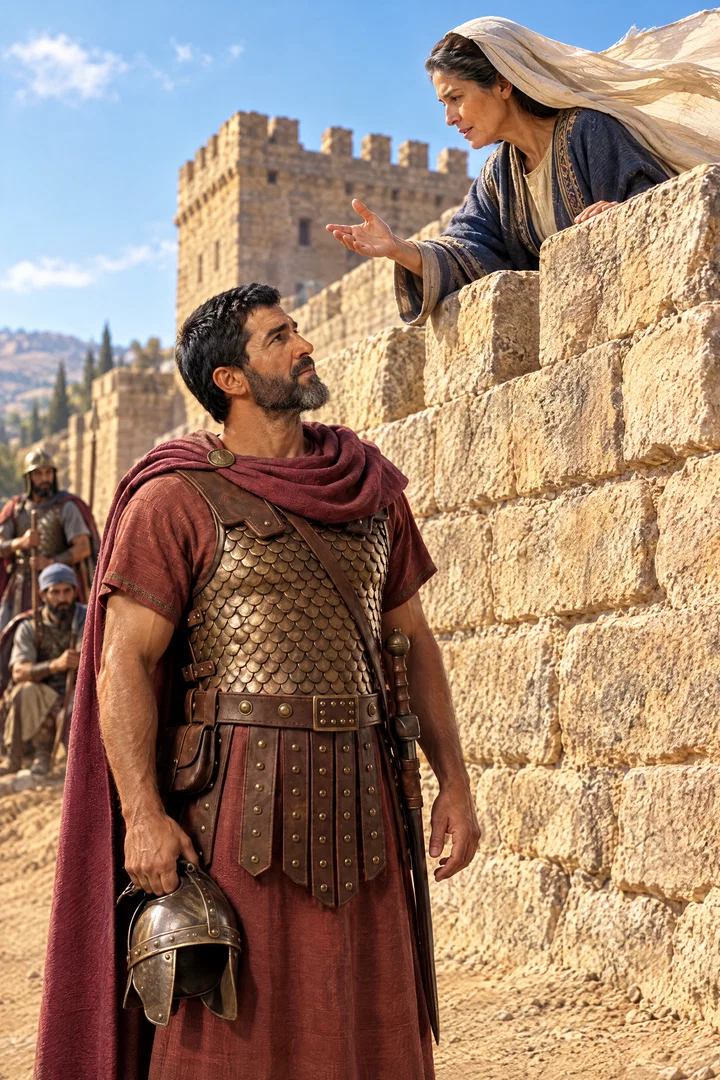
And they came and besieged him in Abel of Beth-maachah, and they cast up a bank against the city, and it stood in the trench: and all the people that were with Joab battered the wall, to throw it down.
Translations
And they came and besieged him in Abel of Bethmaachah, and they cast up a bank against the city, and it stood in the trench: and all the people that were with Joab battered the wall, to throw it down.
King James Version, KJV Cambridge Paragraph Bible, Webster Bible
And they came and besieged him in Abel of Beth-maachah, and they cast up a bank against the city, and it stood in the trench: and all the people that were with Joab battered the wall, to throw it down.
And they came and besieged him in Abel of Beth-maacah, and they cast up a mount against the city, and it stood against the rampart: and all the people that were with Joab battered the wall, to throw it down.
And they came and besieged him in Abel of Beth-maacah, and they cast up a mound against the city, and it stood against the rampart; and all the people that were with Joab battered the wall, to throw it down.
and they go in and lay siege against him, in Abel of Beth-Maachah, and cast up a mount against the city, and it standeth in a trench, and all the people who are [are] with Joab are destroying, to cause the wall to fall.
And they came and besieged him in Abel-Beth-Maacah, and they cast up a bank against the city, and it was raised in the trench; and all the people that were with Joab sapped the wall, to throw it down.
So they came, and laid siege against him, in Abel, Beth-maachah, and they cast up a mound against the city, so that it stood within a rampart, —and, all the people who were with Joab, were battering the wall to throw it down.
Berean Standard Bible, Majority Standard Bible
And Joab’s troops came and besieged Sheba in Abel-beth-maacah and built a siege ramp against the outer rampart of the city.As all the troops with Joab were battering the wall to topple it,
They came and besieged him in Abel of Beth Maacah, and they cast up a mound against the city, and it stood against the rampart; and all the people who were with Joab battered the wall to throw it down.
And Joab and his men got him shut up in Abel of Beth-maacah, and put up an earthwork against the town: and all Joab's men did their best to get the wall broken down.
So they came, and besieged him in Abel, neere to Bethmaachah: and they cast vp a mount against the citie, and the people thereof stood on the ramper, and al the people that was with Ioab, destroyed and cast downe the wall.
Douay-Rheims (Challoner revision)
And they came, and besieged him in Abela, and in Bethmaacha, and they cast up works round the city, and the city was besieged: and all the people that were with Joab, laboured to throw down the walls.
Pictures
Cross-references
- 2 Samuel 20:19
I am one of them that are peaceable and faithful in Israel: thou seekest to destroy a city and a mother in Israel: why wilt thou swallow up the inheritance of the LORD?
The city is called a mother in Israel.
- 1 Kings 15:20
So Ben-hadad hearkened unto king Asa, and sent the captains of the hosts which he had against the cities of Israel, and smote Ijon, and Dan, and Abel-beth-maachah, and all Cinneroth, with all the land of Naphtali.
Benhadad also besieged Abel-beth-maachah.
- 2 Kings 15:29
In the days of Pekah king of Israel came Tiglath-pileser king of Assyria, and took Ijon, and Abel-beth-maachah, and Janoah, and Kedesh, and Hazor, and Gilead, and Galilee, all the land of Naphtali, and carried them captive to Assyria.
Tiglath-pileser also besieged Abel-beth-maachah.
- 2 Samuel 17
Moreover Ahithophel said unto Absalom, Let me now choose out twelve thousand men, and I will arise and pursue after David this night:
These family troubles lead into the events of chapter 20.
- 2 Samuel 18
And David numbered the people that were with him, and set captains of thousands and captains of hundreds over them.
Both texts recount family troubles that lead into chapter 20.
Commentary
Each commentary is drawn from primary sources: the writings of Ellen G. White and Adventist pioneers and periodicals. Each commentary is separate. Its own words are not a quotation; follow the references to read the source passages.
Pioneers and periodicals
3 sources
This verse belongs to the closing history of the reign of David.ST May 6, 1913 It describes the siege connected with the revolt of Sheba the son of Bichri, which arose from a quarrel between the men of Judah and the men of Israel after Absalom's revolt was suppressed and threatened to prove a very serious thing.RH Jul 27, 1869 The episode forms part of David's difficulties and unending troubles, including his troubles with Joab.ST May 6, 1913RH Jul 27, 1869
These troubles were God's judgment for David's sin in the case of Uriah, proving that the sword would never depart from his house.RH Jul 27, 1869 On another account, the troubles in David's family grew out of his taking many wives.ST Apr 29, 1908 The detailed faithfulness with which the account is told marks it as inspired and shows that God does not hide the sins of even the greatest kings.ST May 6, 1913 The broader lesson is that people cannot break God's laws without suffering, because every transgression carries an inherent curse.ST Apr 29, 1908
Sources