Deuteronomy 8:16
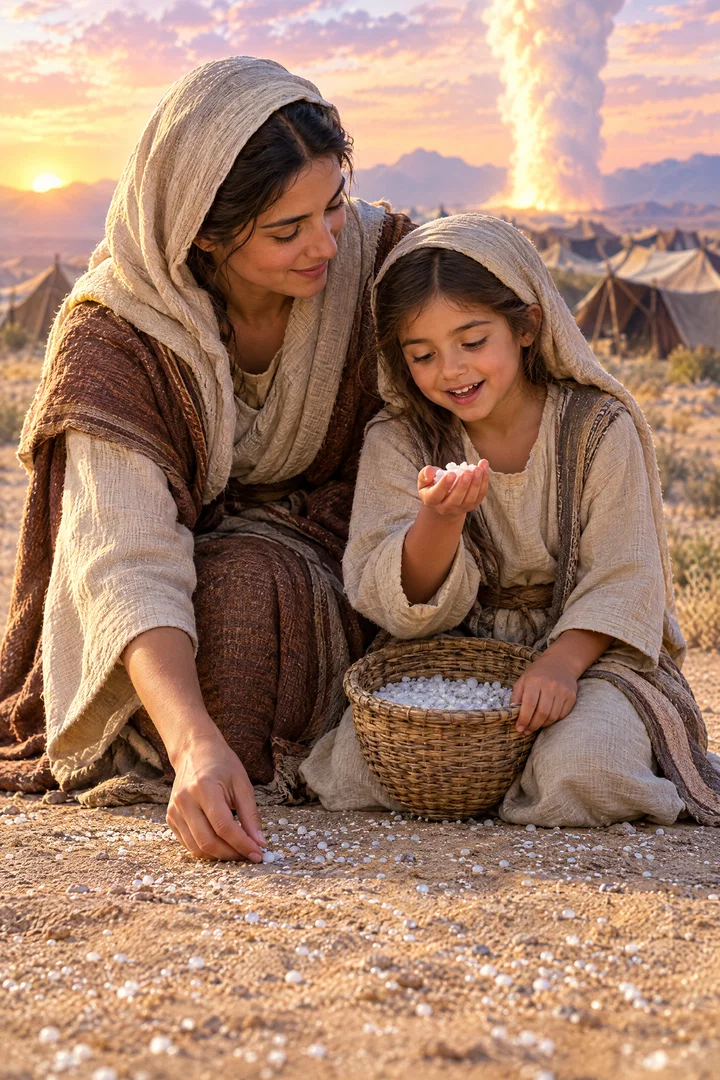
Who fed thee in the wilderness with manna, which thy fathers knew not, that he might humble thee, and that he might prove thee, to do thee good at thy latter end;
Translations
Who fed you in the wilderness with manna, which your fathers knew not, that he might humble you, and that he might prove you, to do you good at your latter end;
Who fed thee in the wilderness with manna, which thy fathers knew not, that he might humble thee, and that he might prove thee, to do thee good at thy latter end;
KJV Cambridge Paragraph Bible, Darby Translation
who fed thee in the wilderness with manna, which thy fathers knew not, that he might humble thee, and that he might prove thee, to do thee good at thy latter end;
Who fed thee in the wilderness with manna, which thy fathers knew not, that he might humble thee, and that he might prove thee, to do thee good at thy latter end.
Revised Version, American Standard Version
who fed thee in the wilderness with manna, which thy fathers knew not; that he might humble thee, and that he might prove thee, to do thee good at thy latter end:
who is causing thee to eat manna in the wilderness, which thy fathers have not known, in order to humble thee, and in order to try thee, to do thee good in thy latter end),
who fed thee with manna in the desert, which thy fathers had not known,—that he might humble thee, and that he might put thee to the proof, to do thee good in thy hereafter,
Berean Standard Bible, Majority Standard Bible
He fed you in the wilderness with manna that your fathers had not known, in order to humble you and test you, so that in the end He might cause you to prosper.
who fed you in the wilderness with manna, which your fathers didn’t know, that he might humble you, and that he might prove you, to do you good at your latter end;
Who gave you manna for your food in the waste land, a food which your fathers had never seen; so that your pride might be broken and your hearts tested for your good in the end;
Who fed thee in the wildernesse with MAN, which thy fathers knewe not) to humble thee, and and to proue thee, that he might doe thee good at thy latter ende.
Douay-Rheims (Challoner revision)
And fed thee in the wilderness with manna which thy fathers knew not. And after he had afflicted and proved thee, at the last he had mercy on thee,
Pictures
Cross-references
- Deuteronomy 8:2
And thou shalt remember all the way which the LORD thy God led thee these forty years in the wilderness, to humble thee, and to prove thee, to know what was in thine heart, whether thou wouldest keep his commandments, or no.
God led Israel through the wilderness to humble and test them.
- 1 Corinthians 10:11
Now all these things happened unto them for ensamples: and they are written for our admonition, upon whom the ends of the world are come.
The wilderness events are written as admonition for those living at the end of the world.
- Exodus 16:15
And when the children of Israel saw it, they said one to another, It is manna: for they wist not what it was. And Moses said unto them, This is the bread which the LORD hath given you to eat.
God feeds Israel in the wilderness with manna they did not know.
- Exodus 15:25-26
And he cried unto the LORD; and the LORD shewed him a tree, which when he had cast into the waters, the waters were made sweet: there he made for them a statute and an ordinance, and there he proved them,
At Marah God tested Israel and promised healing for obedience.
- Deuteronomy 8:3
And he humbled thee, and suffered thee to hunger, and fed thee with manna, which thou knewest not, neither did thy fathers know; that he might make thee know that man doth not live by bread only, but by every word that proceedeth out of the mouth of the LORD doth man live.
Manna taught Israel that life depends on every word from God.
- Matthew 4:4
But he answered and said, It is written, Man shall not live by bread alone, but by every word that proceedeth out of the mouth of God.
Repeats the lesson that life depends on God’s word, not bread alone.
- Psalms 66:10-12
For thou, O God, hast proved us: thou hast tried us, as silver is tried.
listed together as proof of God's proving
- Deuteronomy 8:5
Thou shalt also consider in thine heart, that, as a man chasteneth his son, so the LORD thy God chasteneth thee.
The wilderness discipline is compared to a father’s correction of his son.
- Job 23:10
But he knoweth the way that I take: when he hath tried me, I shall come forth as gold.
listed together as proof of God's proving
- Romans 8:28
And we know that all things work together for good to them that love God, to them who are the called according to his purpose.
God uses trials to bring good in the end.
- 1 Peter 1:7
That the trial of your faith, being much more precious than of gold that perisheth, though it be tried with fire, might be found unto praise and honour and glory at the appearing of Jesus Christ:
listed together as proof of God's proving
- Numbers 21:6-9
And the LORD sent fiery serpents among the people, and they bit the people; and much people of Israel died.
Fiery serpents were among the dangers God sent in the wilderness.
Commentary
Each commentary is drawn from primary sources: the writings of Ellen G. White and Adventist pioneers and periodicals. Each commentary is separate. Its own words are not a quotation; follow the references to read the source passages.
Ellen G. White
17 sources
God fed Israel in the wilderness with manna, a food unknown to them and to their fathers, as part of His leading them out of bondage through hunger, danger and thirst to water from the rock.Ms 64, 1899, par. 8–97MR 309.1–3Ms 63, 1897, par. 20–22Lt 292, 1908, par. 7–12Lt 98, 1900, par. 26–27 By hunger and provision He humbled them and proved what was in their hearts, whether they would keep His commandments and walk in His ways, teaching them as a father disciplines his son that life depends not on bread alone but on every word from God.Ms 64, 1899, par. 8–97MR 309.1–3Ms 134, 1899, par. 25–26Lt 292, 1908, par. 7–12Lt 112, 1909, par. 22–24 This humbling and testing was done in order to do them good at their latter end.Ms 134, 1899, par. 25–26Lt 292, 1908, par. 7–12Lt 98, 1900, par. 26–27 The teaching warns them not to forget the Lord when full, housed and increased in goods, by pridefully claiming wealth and blessing came from their own power and righteousness, but to remember that mercy and power to get wealth come from Him to establish His covenant, lest they perish like the nations before them.Ms 64, 1899, par. 8–9Ms 63, 1897, par. 20–22Ms 131, 1902, par. 11–12Ms 130, 1899, par. 5–6 Its lessons are of the greatest importance for believers living at the end of the world, for God still leads His people through hardship and opposition they would not choose, to cure self-sufficiency and turn them to faith, trust and obedience.Lt 98, 1900, par. 26–27Lt 6b, 1890, par. 18–19FE 508.1–4Ms 14, 1898, par. 16–1720MR 111.2–112.2
Manna, Humbling and Testing
God fed Israel in the wilderness with manna, a food unknown to them and to their fathers and ancestors.Ms 64, 1899, par. 8–97MR 309.1–3Ms 63, 1897, par. 20–22Ms 134, 1899, par. 25–26Lt 292, 1908, par. 7–12 That unfamiliar provision was the means by which He humbled them and proved them in order to do them good at their latter end.Ms 64, 1899, par. 8–97MR 309.1–3Ms 63, 1897, par. 20–22Ms 134, 1899, par. 25–26Lt 98, 1900, par. 26–27
The feeding belonged to a wider wilderness leading in which He let them hunger, brought them from bondage in Egypt, led them through the great and terrible wilderness of fiery serpents and scorpions and drought without water, and brought them water from flint rock.Ms 63, 1897, par. 20–22Lt 292, 1908, par. 7–12Lt 112, 1909, par. 22–24 It included desert march and conflict with Amalek after triumph at the sea, with hardship, obstruction and conflict instead of a smooth way, while His restraining care protected them from dangers that would otherwise have harmed them.Lt 98, 1900, par. 26–27Lt 6b, 1890, par. 18–19RH Oct 8, 1901 Through hunger and provision He humbled Israel and proved them in order to reveal what was in their hearts, whether they would keep His commandments and walk in His ways.7MR 309.1–3Lt 292, 1908, par. 7–12Lt 112, 1909, par. 22–24 That discipline was a father's care for his son, and the opposition blocking their way was a trial meant to teach faith, trust and obedience.Lt 292, 1908, par. 7–12Lt 112, 1909, par. 22–24Ms 14, 1898, par. 16–17
The humbling taught dependence on God, for hunger and manna showed that life depends not on bread alone but on every word from God, so that Israel would look to Him rather than pride itself on its own power, righteousness, or wealth.Ms 64, 1899, par. 8–97MR 309.1–3Ms 134, 1899, par. 25–26Ms 130, 1899, par. 5–6Lt 112, 1909, par. 22–24 Their blessings came from His mercy, not from their own righteousness or power.Ms 130, 1899, par. 5–6 The stated purpose of this humbling and testing was to do Israel good at its latter end and prepare them for their later good.Ms 134, 1899, par. 25–26Lt 292, 1908, par. 7–12Lt 98, 1900, par. 26–27Ms 131, 1902, par. 11–12Ms 130, 1899, par. 5–6
Warning and Present Application
The verse stands as part of a warning against forgetting the Lord by neglecting His commandments, judgments and statutes when satisfied, housed, and multiplied in flocks, silver, gold and every possession with a lifted heart.Ms 63, 1897, par. 20–22 In that time of fullness Israel was to remember the Lord who brought them from bondage in Egypt, led them through the great and terrible wilderness of fiery serpents, scorpions and waterless drought, brought them water from flint rock, and gives power to get wealth to establish His covenant sworn to the fathers.Ms 63, 1897, par. 20–22 To forget Him and follow and worship other gods would bring certain perishing like the nations destroyed before them.Ms 63, 1897, par. 20–22
Blessings therefore come from God's mercy, not from Israel's own righteousness or power, so prosperity depends on obedience.Ms 64, 1899, par. 8–9Ms 131, 1902, par. 11–12Ms 130, 1899, par. 5–6Ms 130, 1899, par. 7 The wilderness provision taught dependence on God rather than pride in personal power or wealth, and prosperity must not lead to forgetting the Lord or claiming wealth came from self.Ms 64, 1899, par. 8–9Ms 131, 1902, par. 11–12 They were not to become proud, forget Him, or credit their blessings to themselves.Ms 130, 1899, par. 5–6Ms 130, 1899, par. 7
The word spoken to Israel was verified, for the people disobeyed and only two of the adults who left Egypt entered Canaan while the rest died in the wilderness.FE 508.1–4 God will vindicate His word in the same way today if the leaders of His people depart from His commandments.FE 508.1–4 Its lessons are of the greatest importance and are given to present believers as verily as to the Israelites.FE 508.1–4 They are written for the instruction of people living at the end of the world.FE 508.1–420MR 111.2–112.2
God still leads His people by a way they would not choose for themselves and by ways they do not know, through hardship, obstruction, opposition and conflict instead of making the way smooth.Lt 98, 1900, par. 26–27Lt 6b, 1890, par. 18–19Ms 14, 1898, par. 16–17RH Oct 8, 1901 This is because self is mingled with everything they do and easy success would lead them to take the glory and become self-sufficient, as with Israel after triumph at the sea when the desert march and the conflict with Amalek sorely tried them.Lt 6b, 1890, par. 18–19 He faithfully applies tests and brings them into difficult situations where their need allows Him to display His power and restrain harm that would otherwise injure them.Lt 98, 1900, par. 26–27Lt 6b, 1890, par. 18–19RH Oct 8, 1901 The opposition blocking the way and the trials faced are part of His plan to teach faith, trust and obedience and to turn them to look to Him.Lt 6b, 1890, par. 18–19Ms 14, 1898, par. 16–17Ms 63, 1899, par. 3–615MR 29.3–30.2 Through them He works out His will, and He can relieve difficulties and heal when obeyed, with the experiences to remain in memory and lead to glorifying Him.Lt 98, 1900, par. 26–27Ms 63, 1899, par. 3–6RH Oct 8, 1901
Sources
Pioneers and periodicals
18 sources
God fed Israel in the wilderness with manna their fathers had never known in order to humble them and test them and finally to do them good.ST May 19, 1914 He led them through hunger and danger in the great and terrible wilderness, giving unfamiliar bread and water from rock, to see whether they would obey His commandments and to train practical faith in the generation prepared amid hardship to enter the good land.RH Oct 8, 1901RH Jul 6, 1868ST Feb 4, 1913 He led them by ways they did not know because the hard things that did not seem good at the time were meant to work out His will and do them greater good afterward.RH Oct 8, 1901RH Apr 16, 1901ST Feb 4, 1913 The same pattern holds for those called from sin to righteousness, whom He leads through sore trials that burn away dross and build enduring character, limiting every test to what they can bear and working all things together for good for those who love Him.ST May 15, 1907 The verse therefore warns not to forget God in prosperity by claiming personal strength produced wealth, but to remember the Lord as the giver of power to acquire it and to use it for His glory and the advance of His truth rather than for selfish pleasure and pride.ST Dec 16, 1903ST Nov 26, 1896
Context and Meaning
Deuteronomy 8:16 belongs to God's dealings with Israel at the close of the forty years of wandering, before the people entered the promised land.ST Mar 11, 1913ST Mar 1, 1910 It stands in the addresses of Moses given just before his death, as Israel was about to cross the Jordan into the promised land.RH Feb 24, 1916ST Mar 1, 1910 Moses had cared for the often rebellious children like a great and loving father through the forty years in the wilderness, but having yielded in impatience to hasty words in which he was glorified instead of God he could not go in with them.ST Mar 1, 1910 In that setting he solemnly brought to their remembrance the wonderful lessons God had taught them during the forty years and impressed upon them the sacred import of God's holy law and the necessity of keeping it.ST Mar 1, 1910
The verse stands in Deuteronomy, the last of the five books of Moses, meaning second law or duplicate of the law, or the repetition of the law rehearsed and emphasized.RH Feb 24, 1916 It belongs to the middle section, chapters 5 to 26, which reviews the law for the new generation, and to the recounting in chapters 3 to 22 of Israel's experiences and God's guidance.RH Feb 24, 1916ST Mar 3, 1909 That recounting repeats the law for the new generation, rehearses the wonderful things God had done and the chief laws connected with Israel, and develops the precepts of the law with appeals to gratitude for observing it and with gracious promises.ST Mar 3, 1909ST Mar 1, 1910 It is one constant appeal to serve the Lord, to turn away from the sins that wrecked the other nations, and to exemplify Him, in whom alone lie greatness and continuance.ST Mar 3, 1909 The opening chapters, including the first fourteen, abound in practical religious instruction and were honored by Jesus, who met the devil in His threefold temptation successfully each time by a quotation from Deuteronomy quoted without question.
In its plain sense the verse teaches that God fed Israel in the wilderness with manna, a food their ancestors had not known, in order to humble them and test them and ultimately to do them good.ST May 19, 1914
Humbling and Proving for Good
God used the hardships of the wilderness to humble Israel and to prove them, to see whether they would keep His commandments.RH Jul 6, 1868 He led them through the great and terrible wilderness with fiery serpents and scorpions and drought where there was no water, caused them to hunger, brought water out of the rock of flint, and fed them with manna which their fathers had not known.RH Jul 6, 1868ST Feb 4, 1913 His leading through dangers and His provision belonged to that proving, and His restraint kept them from harm.RH Oct 8, 1901
The humbling and proving were to develop practical faith in the young generation that was educated amid difficulties. They saw and experienced for themselves how God led and helped them in every time of need, and that preparation made them ready to go forward in faith to greater victories, to vanquish enemies, to take possession of the good land, and not to depart from God as long as they lived. After settlement in Canaan with peace and prosperity little faith was developed, for an easy life does not develop strength while grappling with hard problems gives strength, firmness and stability of body, mind, morals and spirit that nothing can dislodge.
God leads His people by ways they do not know so that His will may be worked out through them, with the purpose of doing them good at their latter end.RH Oct 8, 1901 The hard things do not seem good at the time, but His good pleasure is to do greater good afterward, to do as well for His people as is possible, because He is good and all He does aims at that end.ST Feb 4, 1913 In that connection Israel must remember God as the source of the power to get wealth and use what is received for His glory and the advance of His truth rather than for selfish pleasure.RH Apr 16, 1901
The same pattern continues for those called from sin and darkness to righteousness and freedom and enrolled as candidates for eternal character.ST May 15, 1907 God leads them through sore trials in which the heart feels forsaken, knowing how hot the furnace fire must be to burn away the dross and build enduring fiber of character, and knowing how friends must seem unkind so the soul learns Christ as the only true Friend.ST May 15, 1907 No test is made stronger than His grace will enable the soul to bear, when human strength fails He creates stronger strength anew, and He will not allow temptation to close in without a way of escape.ST May 15, 1907 He proves His people that they may prove Him, and only by such trial and steadfastness in trial can they be made partakers with Christ, with the pledged end eternally glorious as He works all things together for good with them that love Him.ST May 15, 1907
Both adversity and prosperity test men, and God is as needful in the one as in the other. Adversity often draws men nearer to God, while prosperity can lead them to depend on themselves. Even though Israel was truly accepted by God and stood complete in Him with reproach rolled away after crossing the Jordan into Canaan, they were repeatedly warned to take heed and persevere.ST Apr 28, 1909 If they disobeyed the voice of the Lord they would surely perish like the nations destroyed before them, showing the awful danger of backsliding and its sure destruction if sin is persisted in.ST Apr 28, 1909
God gave Israel a long experience of good and evil fortune before establishing them in Canaan to impress correct morality and proper worship, yet with all their advantages they tended downward into idolatry and vice.RH Sep 28, 1869 At one time they did good and received prosperity as the reward of good conduct, then were lifted up by prosperity to forget God and neglect His Sabbath, His law and His worship and sank toward ruin.RH Sep 28, 1869 In trouble a merciful God called them to repentance and restored favor and prosperity, only for prosperity to bring the same fall again.RH Sep 28, 1869
The verse also describes deliverance from trial and oppression to a western land where God fed and enriched His people to do them good at their latter end. There He granted them houses and cattle and lands and everything they desired, even power to lay hold on water and fire and the lightnings of the clouds and make them serve at their bidding. The first generation knew trial and oppression, but another generation arose afterward that had not passed through those trials and waxed exceeding rich and did not give God the glory for the power and prosperity He granted.
Remembering God in Prosperity
Deuteronomy 8:16 stands in the warning not to forget God when life becomes prosperous.ST Dec 16, 1903ST Nov 26, 1896 When possessions and wealth increase, people must not claim that their own strength produced what they have, but must remember the Lord as the source of the ability to acquire wealth.ST Dec 16, 1903ST Nov 26, 1896 That ability is one of the precious gifts of God, given so that He may be better served thereby.ST Dec 16, 1903ST Nov 26, 1896 It is to be used for His glory and the advance of His truth rather than for selfish pleasure, and wealth is a gift to be used in His service, not a reason for pride or self-trust.RH Apr 16, 1901ST Dec 16, 1903ST Nov 26, 1896 Producing or acquiring wealth is not a crime as long as it is done justly and righteously, manfully and with due regard to the rights of everyone engaged in it.ST Dec 16, 1903
As Israel was about to be established as a nation, the law of tithing was reaffirmed as one of the divinely ordained statutes upon obedience to which prosperity depended.RH Mar 9, 1905 God is the source of every blessing, and gratitude is due to Him for the good gifts of His providence.RH Mar 9, 1905 He is the true proprietor of fields, flocks, and herds, sending sunshine and rain for seedtime and harvest, and everything possessed is of His creation.RH Mar 9, 1905 People are made stewards of His goods, and are constantly reminded of this by the system of tithes and offerings.RH Mar 9, 1905
Gratitude and remembrance belong not only to sorrow and need, but also to pleasure, success, strength, family joys, and gladness.ST Aug 9, 1910RH Oct 7, 1858 Disregarding God, human obligation to Him, and faith in Him as the source of life and strength leads into excesses.ST Aug 9, 1910 The manna that humbled and tested Israel in the wilderness in order to do them good in the end applies that lesson about God's gifts to times of abundance such as a plentiful harvest.RH Nov 5, 1872 People should then show gratitude by a thank-offering rather than selfishly keeping everything, since future blessings may otherwise be withheld.RH Nov 5, 1872
Sources