Ecclesiastes 2:5
I made me gardens and orchards, and I planted trees in them of all kind of fruits:
Translations
American King James Version, King James Version, KJV Cambridge Paragraph Bible, Webster Bible
I made me gardens and orchards, and I planted trees in them of all kind of fruits:
I made me gardens and parks, and I planted trees in them of all kinds of fruit:
I made me gardens and parks, and I planted trees in them of all kinds of fruit;
I made for me gardens and paradises, and I planted in them trees of every fruit.
I made me gardens and parks, and I planted trees in them of every kind of fruit;
I made me gardens, and parks,—I planted in them trees of every kind of fruit;
Berean Standard Bible, Majority Standard Bible
I made gardens and parks for myself, where I planted all kinds of fruit trees.
I made myself gardens and parks, and I planted trees in them of all kinds of fruit.
I made myself gardens and fruit gardens, planting in them fruit-trees of all sorts.
I haue made me gardens and orchards, and planted in them trees of all fruite.
Douay-Rheims (Challoner revision)
I made gardens, and orchards, and set them with trees of all kinds,
Pictures

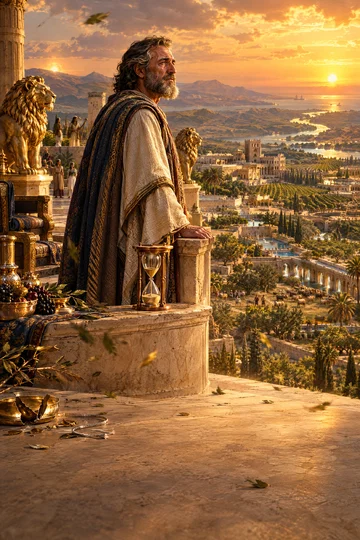
Cross-references
- Ecclesiastes 2:11
Then I looked on all the works that my hands had wrought, and on the labour that I had laboured to do: and, behold, all was vanity and vexation of spirit, and there was no profit under the sun.
Solomon judges the works of his hands vanity.
Commentary
Each commentary is drawn from primary sources: the writings of Ellen G. White and Adventist pioneers and periodicals. Each commentary is separate. Its own words are not a quotation; follow the references to read the source passages.
Ellen G. White
4 sources
The making of gardens and orchards and the planting in them of trees of every kind of fruit belonged to Solomon's great works in which he sought pleasure, satisfaction, and his highest good in earthly accomplishments and things.PK 76.1ED 153.2–4ED 153.1RH Dec 28, 1905 His turning to these pursuits was a turning away from the joy of communion with God to seek satisfaction in the pleasures of sense, after the pride of prosperity separated him from God.ED 153.1 In that course he became great and increased more than all who had been before him in Jerusalem, keeping back nothing that his eyes desired and withholding his heart from no joy.ED 153.1
When he looked upon all the works that his hands had made, he found them vanity and vexation of spirit, with no profit under the sun, and by bitter experience he learned the emptiness of such a life, which brought him no lasting satisfaction or fulfillment.PK 76.1ED 153.2–4ED 153.1RH Dec 28, 1905 He came to hate life and to hate all his labor under the sun, and learned how vain is the promise of rest held out by heathen gods.ED 153.2–4
Wearied and thirsting from earth's broken cisterns, in his later years he turned back to drink at the fountain of life.ED 153.2–4 Under inspiration he recorded the history of those wasted years as a lesson of warning for later generations.ED 153.2–4 Although his people reaped harvests of evil from the seed he had sown, his life work was not wholly lost, for the discipline of suffering at last accomplished its work in him.ED 153.2–4
Sources
Pioneers and periodicals
16 sources
Solomon made for himself pleasure parks and orchards and planted in them fruit trees of every kind, with pools to water them.ST Mar 14, 1906ST Mar 27, 1901ST Nov 27, 1884 He did this to test whether outward splendor, wealth and grandeur could satisfy desire and show what is most worth giving life to.ST Mar 14, 1906ST May 17, 1910RH May 25, 1916 The verdict on all those great works and delights is that they are empty vanity and vexation of spirit, giving no lasting satisfaction or filling of the soul even in their fullest enjoyment.RH Dec 28, 1905ST Feb 4, 1903RH May 25, 1916 Apart from God they are useless and worthless beside the prospect of an everlasting inheritance, for the greatest good that gives life worth and beauty is to fear God and keep His commandments, since every secret thing shall be brought into judgment.ST Sep 15, 1909ST Feb 4, 1903ST May 17, 1910ST Jun 21, 1899
Gardens and Their Setting
The verse records the making of gardens and orchards and the planting of trees of all kinds of fruits, meaning paradises or beautiful parks for pleasure grounds, together with pools to water the trees.ST Mar 14, 1906ST Mar 27, 1901ST Nov 27, 1884ST Apr 23, 1902 The principal park lay at Etham about six miles from Jerusalem.ST Nov 27, 1884 There were extensive gardens near Bethlehem with efforts to supply them with water, and the pools near Jerusalem were fed by springs and supplied the city by aqueduct.ST Mar 27, 1901ST Apr 23, 1902
It belongs to a life of outward splendor with the finest palaces and all that riches, honors, and sovereign power could give, as with marble mansions, gold vessels, gorgeous servants, and twelve thousand horsemen.ST Nov 27, 1884ST Oct 23, 1879 He went out of the city in the morning in stately progress in snow-white raiment in a chariot of state of the finest cedar decked with gold and silver and purple and carpeted with the costliest tapestry worked by the daughters of Jerusalem.ST Nov 27, 1884 He was attended by a body-guard of sixty valiant men chosen from the tallest and handsomest young men of Israel and arrayed in Tyrian purple with long black hair freshly sprinkled every day with gold-dust glittering in the sun.ST Nov 27, 1884
It was written by Solomon the son of David who was king in Jerusalem after unsatisfying experience in wealth and luxury and idolatry when his heart was led away by his many wives.ST Sep 15, 1909 It stands within his wider turn toward pleasure and the aggrandizement of Jerusalem through worldly alliances that contributed to spiritual decline.ST Sep 15, 1909ST Jun 22, 1904
It belongs to the inventory of pleasures and pursuits, which does not mention billiards, and his wisdom remained in him.ST Aug 17, 1876 It shows putting physical abilities to work, as an example of industrial activity and the cultivation of diligence and thrift associated with the schools of the prophets.RH May 27, 1915
Pleasure Proved Empty
Solomon made gardens and orchards and planted fruit trees of every kind as part of a deliberate testing of worldly pleasure and grandeur, trying wealth and fame and earthly gratification to see whether they could satisfy desire and to find the greatest good in life worth giving time and purpose to.ST Mar 14, 1906ST May 17, 1910RH May 25, 1916RH Sep 5, 1871ST Jun 21, 1899 Even in the fullest enjoyment of such things the soul was not satisfied and lasting happiness was not found, leaving disappointment instead of fulfillment.RH May 25, 1916RH Sep 5, 1871 The trial included all his works and possessions pursued to satisfy his desires, yet apart from God they proved unable to satisfy.ST Mar 14, 1906ST May 17, 1910
The verdict on the gardens and orchards and all the great works and delights was empty, drear, vain vanity and vexation of spirit, with no lasting satisfaction, enjoyment, happiness, or filling of the soul.RH Dec 28, 1905ST Feb 4, 1903RH May 25, 1916RH Sep 5, 1871ST Jun 21, 1899 When all that had been made and done was considered, it was found to be vanity and vexation of spirit, so that indulging in worldly pleasure and gain ends in that same emptiness.RH Dec 28, 1905ST Feb 4, 1903 The same lesson is taught by a life of outward splendor with the finest palaces and all that riches, honors, and sovereign power could give, as with the Moorish king Abdoultrahman who had marble mansions, gold vessels, gorgeous servants, and twelve thousand horsemen yet had no real enjoyment.ST Oct 23, 1879 Though nothing seemed wanting to happiness, after fifty years of reign he could count only fourteen days of real and undisturbed pleasure not poisoned by vexation, showing what this world is and what dependence can be placed on its enjoyment, for all is vanity.ST Oct 23, 1879
The pursuits are utter vanity and useless apart from God, and the possession of the world and its glory is worthless beside the prospect of an everlasting inheritance.ST Sep 15, 1909ST Feb 4, 1903ST May 17, 1910 To gain them at the cost of God's kingdom ends in vanity and grief, since even their fullest enjoyment cannot satisfy the soul.ST Feb 4, 1903RH Sep 5, 1871 The gardens and orchards belong to a selfish pursuit of happiness in which a person serves self and always thinks the goal of joy, contentment, and bliss is just ahead without ever reaching what is sought.ST Sep 12, 1900 That pursuit is bondage to mind and body pervaded by selfish ideas and selfish work, a deceitful entanglement bringing unhappiness and continual discontent, filling nights with sorrow and days with pain and leaving a lurking load of sadness that puts pain in every joy and withholds desired contentment.ST Sep 12, 1900
The lesson summed from the verse and its book is that the greatest good that fills life with worth and beauty is not wealth or pleasure but to fear God and keep His commandments, for this is the whole duty of man.ST Sep 15, 1909ST Jun 21, 1899 Every secret thing of the past shall be brought into judgment, and he has lived best who lived for God and held His precepts fast.ST Jun 21, 1899
Sources