Ephesians 6:4
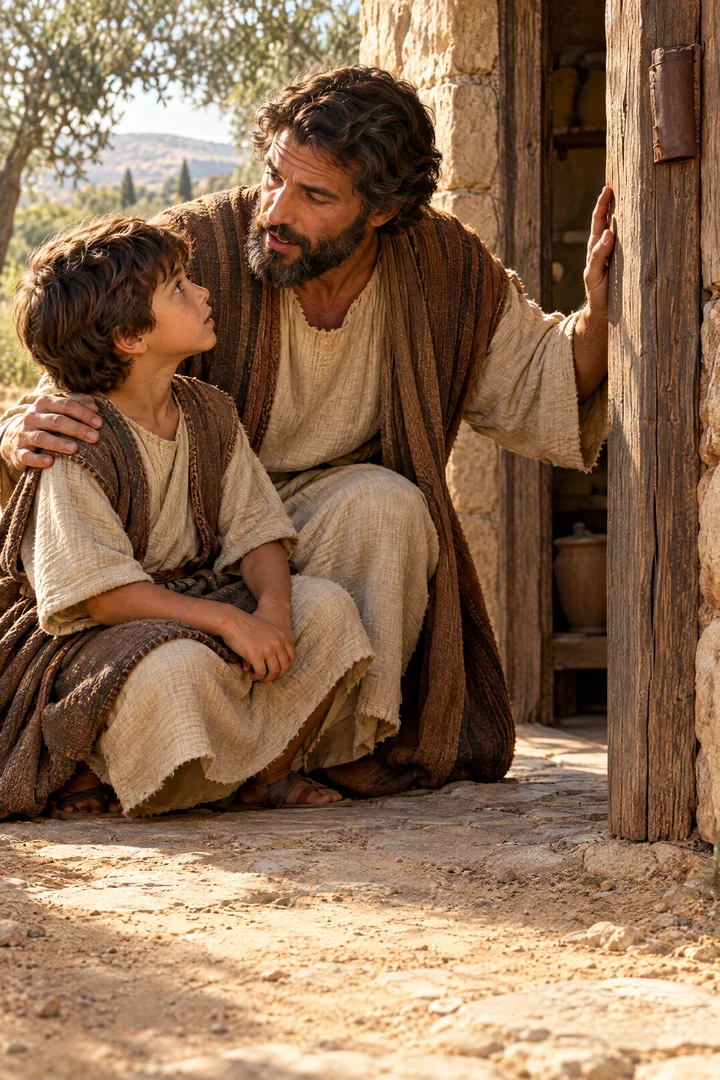
And, ye fathers, provoke not your children to wrath: but bring them up in the nurture and admonition of the Lord.
Translations
And, you fathers, provoke not your children to wrath: but bring them up in the nurture and admonition of the Lord.
King James Version, KJV Cambridge Paragraph Bible, Webster Bible
And, ye fathers, provoke not your children to wrath: but bring them up in the nurture and admonition of the Lord.
Revised Version, American Standard Version
And, ye fathers, provoke not your children to wrath: but nurture them in the chastening and admonition of the Lord.
And the fathers! provoke not your children, but nourish them in the instruction and admonition of the Lord.
And [ye] fathers, do not provoke your children to anger, but bring them up in [ the] discipline and admonition of [ the] Lord.
And ye fathers, be not provoking your children to anger, but be nourishing them up in the discipline and admonition of the Lord.
Berean Standard Bible, Majority Standard Bible
Fathers, do not provoke your children to wrath; instead, bring them up in the discipline and instruction of the Lord.
You fathers, don’ t provoke your children to wrath, but nurture them in the discipline and instruction of the Lord.
And, you fathers, do not make your children angry: but give them training in the teaching and fear of the Lord.
And ye, fathers, prouoke not your children to wrath: but bring them vp in instruction and information of the Lord.
Douay-Rheims (Challoner revision)
And you, fathers, provoke not your children to anger; but bring them up in the discipline and correction of the Lord.
Pictures
Cross-references 20 of 30
- Deuteronomy 6:6-7
And these words, which I command thee this day, shall be in thine heart:
Parents are commanded to teach God’s words diligently to their children throughout daily life.
- Proverbs 22:6
Train up a child in the way he should go: and when he is old, he will not depart from it.
Both call parents to guide children through training and instruction.
- Colossians 3:21
Fathers, provoke not your children to anger, lest they be discouraged.
Warns fathers not to provoke or discourage their children.
- Genesis 18:19
For I know him, that he will command his children and his household after him, and they shall keep the way of the LORD, to do justice and judgment; that the LORD may bring upon Abraham that which he hath spoken of him.
Abraham directs his household to follow the Lord’s way.
- Exodus 20:12
Honour thy father and thy mother: that thy days may be long upon the land which the LORD thy God giveth thee.
The command to honor parents complements their duty to raise children in the Lord.
- Proverbs 22:15
Foolishness is bound in the heart of a child; but the rod of correction shall drive it far from him.
Correction drives foolishness from a child.
- Deuteronomy 4:9
Only take heed to thyself, and keep thy soul diligently, lest thou forget the things which thine eyes have seen, and lest they depart from thy heart all the days of thy life: but teach them thy sons, and thy sons’ sons;
Both call parents to teach God’s words to their children.
- Hebrews 12:6
For whom the Lord loveth he chasteneth, and scourgeth every son whom he receiveth.
God’s loving correction models parental discipline.
- Mark 10:14
But when Jesus saw it, he was much displeased, and said unto them, Suffer the little children to come unto me, and forbid them not: for of such is the kingdom of God.
Jesus welcomes children and says not to hinder them from coming to him.
- Deuteronomy 11:19
And ye shall teach them your children, speaking of them when thou sittest in thine house, and when thou walkest by the way, when thou liest down, and when thou risest up.
Both command parents to teach children God’s words throughout daily life.
- Luke 18:16
But Jesus called them unto him, and said, Suffer little children to come unto me, and forbid them not: for of such is the kingdom of God.
Jesus welcomes children to himself, modeling parental nurture that brings them to God.
- 1 Samuel 3:13
For I have told him that I will judge his house for ever for the iniquity which he knoweth; because his sons made themselves vile, and he restrained them not.
Eli is condemned for failing to restrain his sons.
- Proverbs 13:24
He that spareth his rod hateth his son: but he that loveth him chasteneth him betimes.
Both connect parental love with correction and discipline.
- Matthew 19:14
But Jesus said, Suffer little children, and forbid them not, to come unto me: for of such is the kingdom of heaven.
Jesus welcomes children, whom parents are urged to bring to him.
- Isaiah 1:2
Hear, O heavens, and give ear, O earth: for the LORD hath spoken, I have nourished and brought up children, and they have rebelled against me.
God raised children who nevertheless rebelled against him.
- Proverbs 19:18
Chasten thy son while there is hope, and let not thy soul spare for his crying.
Both urge parents to correct and guide their children.
- Proverbs 29:15
The rod and reproof give wisdom: but a child left to himself bringeth his mother to shame.
Both texts contrast godly child-rearing with neglect or harmful treatment.
- Proverbs 29:17
Correct thy son, and he shall give thee rest; yea, he shall give delight unto thy soul.
Both connect a child’s upbringing with parental discipline.
- Colossians 3:20
Children, obey your parents in all things: for this is well pleasing unto the Lord.
Pairs children’s obedience with the instruction to fathers.
- Hebrews 12:10-11
For they verily for a few days chastened us after their own pleasure; but he for our profit, that we might be partakers of his holiness.
Compares parental correction with God’s loving discipline of his children.
Commentary part 1 of 3
Each commentary is drawn from primary sources: the writings of Ellen G. White and Adventist pioneers and periodicals. Each commentary is separate. Its own words are not a quotation; follow the references to read the source passages.
Ellen G. White
307 sources
The charge is laid on fathers as heads of the home, yet it rests on mothers as well and on both together, for children are not their parents' property but God's, entrusted to them to train for Him.Ms 27, 1911, par. 3–510MR 109.2–4Ms 98, 1901, par. 13–16Ms 125, 1898, par. 10Ms 75, 1895, par. 6–8 Not provoking to wrath means not treating children in a way that stirs anger, obstinacy and rebellion and confirms them in evil, while bringing them up in nurture and admonition means training and disciplining them under the direct influence of God's Spirit and Word so the admonition does good.Lt 18b, 1891, par. 30–3113MR 83.3–84.1Ms 82, 1901, par. 39–54CT 196.12T 94.1 This upbringing is a solemn sacred day-by-day duty, the parents' first and most important work and work for eternity, for which they are accountable to God and will answer in the judgment.10MR 101.3–5Ms 27, 1911, par. 3–52MR 278.3–280.2Ms 125, 1898, par. 10Ms 121, 1909, par. 18–22 Authority must therefore be exercised with patience, kindness, gentleness, affection, firmness and self-control, with correction given not in anger, haste or revenge but calmly, privately, with explanation and prayer, and with physical punishment only as a last resort.Ms 22, 1904, par. 15–162MR 278.3–280.2Ms 82, 1901, par. 39–54RH Aug 29, 1907RH Feb 8, 1912 Impatience, passion, harshness, scolding, tyrannical rule, unsteady government, foolish indulgence and neglect through business or worldly pursuits all provoke children and ruin character, so the work must begin in infancy and continue with steady line-upon-line instruction that cannot be shifted to others.Lt 18b, 1891, par. 30–311T 398.1RH Feb 28, 1907TCBMP 36.1–2Ms 87, 1902, par. 9
Wording and Addressees
Though the charge names fathers, it lays a yoke of obligation on both parents together to do Christian missionary work in the home, with the father as house-band feeling his responsibility as the Lord's steward of a sacred trust, and the mother under the same solemn charge to move discreetly, to hold and sacredly guard her influence over her children, and to give her duty to God and to them the most serious consideration.Ms 27, 1911, par. 3–5Ms 125, 1898, par. 10Lt 26, 1910, par. 2–4 Fathers fulfill it not by bringing business cares home with a clouded brow and censuring words when all is not to their accommodation, but by uniting effort with the mother in the tender years when children are mostly under her guidance, encouraging and sustaining her with cheerful looks and kind words and appreciating her faithful labor to keep the home moving smoothly.ST Sep 13, 1877 Raising children in the Lord's training and counsel to manhood is itself a great place and the only safe course of practical labor, correcting the feeling that nothing can be done without a prominent position.10MR 109.2–4Ms 75, 1910, par. 16 Parents so charged must train from the earliest years in right principles and obedience to God's commandments to prepare children to meet the Lord, must require obedience without making their own will the rule, must live so children can honor them and model the piety they require, and will answer in the judgment for neglecting their children's spiritual welfare.Ms 27, 1911, par. 3–510MR 109.2–4
For a forty-six-year-old mother of three sons grown to manhood to marry a youth of twenty violates this charge because it imperils her happiness and welfare and brings results that destroy the influence she should earnestly maintain over her own children.Lt 26, 1910, par. 2–4 Children themselves are not the sole property of father or mother but the property of God by creation and redemption, younger members of the Lord's family entrusted to parents to train for Him.Ms 98, 1901, par. 13–16Ms 75, 1895, par. 6–8ST Aug 27, 1912TEPD 26.3 Even unbelieving parents therefore must not come between God and their children nor compel them to dishonor God and transgress His commandments, but must do their part so children can fulfill God's requirements.Ms 75, 1895, par. 6–8 This trust means patiently and lovingly guiding steps in holiness and teaching Christ's lessons continually, learning what He approves and disapproves and guiding by His will rather than by children's wishes and pleasures, presenting eternal principles attractively rather than forcing a mere outward form, and preparing through teaching, conversation and prayer, since requiring their respect is a religious duty and neglecting it harms their souls.ST Aug 27, 1912TEPD 26.3Ms 64, 1911, par. 4ST Sep 22, 1909
Not provoking to wrath means taking great care not to treat children in a way that stirs anger, strengthens worst impulses, provokes obstinacy and rebellion, and confirms them in evil instead of drawing them from Satan's snare.Lt 18b, 1891, par. 30–3113MR 83.3–84.1 Angry correction, harshness, imprudence, uncontrolled temper and lack of self-control arouse the worst passions of children's hearts, foster stubbornness, disgust them with religious instruction and make them averse to it.Lt 18b, 1891, par. 30–3113MR 83.3–84.1 Overbearing tyrannical treatment, frequent scolding and censure, withholding love and affection, governing with harshness and force rather than tenderness and love, and arbitrary exacting authority that makes children fear rather than love and grieves them, provoke and discourage them and weaken trust and affection.2T 94.12T 259.1–260.12T 253.1–3 A father's constant reproving and censuring in a passionate temper is the very treatment warned against.Ms 10, 1862, par. 17–19
Bringing up in nurture and admonition means training and disciplining under the direct influence of the Spirit of God, by earnest effort in the name and strength of Jesus to form right habits and a right spirit.CT 196.1 Nurture includes patient thoughtful correction that avoids bruising harshness, waits until anger has passed, speaks calmly, prays with the child, and helps the child recognize wrong and seek forgiveness, while still allowing timely firm rebuke, all reflecting Christ's meekness and tenderness rather than arbitrary force.Ms 82, 1901, par. 39–54 Parents themselves must live by God's precepts and must not fret, scold, ridicule or taunt children for traits inherited from them, since harsh treatment does not correct wrongdoing.FE 67.2–68.1 Admonition must be the Lord's, reproving from God's Word and showing requirements come from Him, and when a child's wishes or will must be opposed parents must make clear discipline is for the child's good and not parental preference or arbitrary authority, teaching that uncorrected faults bring unhappiness and displease God and that greatest happiness is submitting the will to the Heavenly Father.FE 67.2–68.1 This Christian teaching begun at home, with God's Word and its teachings made the law of life and with warm sympathy and kind admonitions, is to continue when children enter school, where their spiritual welfare remains a concern.CT 501.2CE 47.2–3FE 115.1–2
The command gives no license for parental severity and oppression on one side nor for filial disobedience on the other, for parents and children alike are subjects of the heavenly Father and alike must be ruled by God, whose law for the home as for nations flows from a heart of infinite love.Lt 8a, 1896, par. 5 Family life is therefore to be marked by mutual care in which children respect and reverence parents and parents treat children with kindness and affection, showing thoughtful dignified regard, restraining impatience and seeking one another's happiness, since religion has no value if absent from the home.Lt 18b, 1891, par. 22–24 Even where children think they were treated with severity in childhood, cherishing retaliation and revenge against parents, especially when old and feeble, sick and helpless, will not help them grow in grace and knowledge of Christ or reflect His image.Ms 18, 1891, par. 6 The helplessness and necessities of aged father and mother should plead for love and call forth noble feelings, so that through Christ's grace they receive kind attention, kindness, love and respect; no heart should be made as hard as adamant steel against father and mother, and one professing Christ cannot cherish hatred against a mother, especially a sick and old mother, for kindness and love are the sweetest fruits of Christian life belonging in children's hearts toward parents.Ms 18, 1891, par. 6 Not every kind of provoking is forbidden, because urging one another toward love and good works is justifiable.Lt 38, 1903, par. 13
Sacred Duty and Accountability
Bringing children up in the Lord is a solemn, sacred, day-by-day work of right teaching and molding of character, not play work or haphazard work, laid as a yoke of obligation upon fathers and mothers as God-fearing educators in the home.Ms 125, 1898, par. 10Ms 81, 1910, par. 13Lt 64, 1911, par. 7–9 It is the parents' first and most important work, their greatest missionary work, with the mother's share greater than that of a king upon his throne, a duty toward the Lord's beautiful flock that no one else can perform and that requires daily learning in the school of Christ and working in the fear of God.Ms 121, 1909, par. 18–221MR 384.3Lt 64, 1911, par. 7–9 Truly converted parents bring their own lives under the discipline of the Word and make this training for the service of God and fitness for the future immortal life a work done for eternity, giving a correct understanding of the Redeemer's character line upon line, precept upon precept, here a little and there a little.Ms 121, 1909, par. 18–22Ms 81, 1910, par. 13Lt 64, 1911, par. 7–9 As laborers together with God they carry the burden and plead morning, noon, and night for the right mold of character that pleases Christ, so that children love Christ and Christ loves them, educating deliberately through God's Word and guarding them from influences opposed to Christ.Ms 121, 1909, par. 18–22Ms 81, 1910, par. 13Lt 94, 1893, par. 2–3 The father as house-band of the family is to feel his responsibility as the Lord's steward of a sacred trust, governing with patience, kindness, gentleness, affection, firmness in right principles and self-control, correcting wrongdoing in love so children see its harm without being driven to stubbornness or secrecy, and never provoking or discouraging by harshness, unreasonable punishment, scolding, threats, broken promises, impulsive or inconsistent discipline, unjust treatment, striking in anger, impatience with faults, or hasty spirit, but forming the habit of gentle tones.2MR 278.3–280.2Ms 125, 1898, par. 10Lt 64, 1911, par. 7–9
Parents are responsible to train their children for God from their earliest years in right principles and obedience to His commandments, requiring obedience without making their own will the rule, keeping their own will subject to God, treating children as younger members of the Lord's family, living so children can honor them, modeling the piety they require, and preparing them to meet the Lord.Ms 27, 1911, par. 3–510MR 109.2–4Ms 98, 1901, par. 13–16 Neglect of children's spiritual welfare, of restraining, correcting and instructing, of teaching them to work, share household duties, exercise physical strength, show kindness and patience, and of guiding through prayer and faithful work instead of scolding for mistakes, is a serious failure that makes parents answerable to God for their children's souls.10MR 101.3–5Ms 98, 1901, par. 13–16Ms 151, 1904, par. 60–64 That accountability will be faced in the judgment, where parents must answer for duty neglected and for the results of their training, and for standing between children and God by failing to obey themselves and taking the guilt of their children's sins.10MR 101.3–5Ms 27, 1911, par. 3–5Ms 93, 1908, par. 16–19 Coming into right relation to God brings His blessing on all who obey His requirements, which calls parents to set an example of unswerving obedience that makes children dread disobedience, never let cross words be heard, govern their own tempers, avoid destroying confidence, and keep the daily example of fearing God and keeping His commandments constantly in view lest they dishonor Him and lead children astray.10MR 109.2–4Ms 93, 1908, par. 16–19
Failure to deal wisely with obstinacy, to restrain, forbid disrespect and pettish harsh speech, and to require prompt perfect obedience in childhood to lay the right foundation, lets obstinate children have their own way to their own destruction and yields a dreadful harvest when cherished obstinacy continues into manhood and womanhood as bitterness and unkindness dishonoring aged feeble parents near the grave, remediable only by Christ changing the heart.Ms 18, 1891, par. 4–5 Neglect leaves children undisciplined, perverted and governed by impulse, with conduct and influence that harm other youth and the church, while indulging them to do as they please instead of restraining and directing to cultivate good character and gentle temper for God's service harms them and can pass defects from generation to generation.4T 193.15T 325.2–326.1Ms 75, 1901, par. 6–8 Allowing children to shape their own characters and leaving defects uncorrected is serious neglect whose effects may extend through generations to ruin of families, whereas faithful training is a parental privilege yielding fruit unto righteousness and eternal righteousness and preparing for heaven.Ms 75, 1901, par. 6–8ST Dec 11, 1901 Since children belong to Christ, parents must diligently develop their abilities and train them for Him, for neglecting this God-given work robs God of talents and influence entrusted to the family.7MR 15.1
The work belongs to parents by God and is not to be left to others, beginning in infancy and babyhood when the mind becomes receptive, continuing through childhood and youth with patient persevering instruction line upon line and precept upon precept by precept and example to know, love and obey Christ and yield to the Lord for conversion and usefulness, given priority with patient painstaking effort and Christ's strength and promised grace.Ms 91, 1893, par. 1Lt 94, 1893, par. 2–3Ms 12b, 1896, par. 20 A parent's first obligation is the care of their own children as part of themselves before leaving home to labor for others, working with Christ's wisdom, grace, tact and the Spirit's power to manage minds, since success at home evidences fitness to turn other minds to Jesus and failure disqualifies for work elsewhere.Ms 87, 1902, par. 9 Fathers must keep the charge at home instead of sending children away to make numbers in a large school or shifting it to any person or school, training boys and girls from the beginning to share burdens with mother indoors and father outdoors, making work pleasant by approval and appreciation with calm pleasant encouraging voices as true education and true religion, with converted fathers expressing love and giving essential instruction for salvation as the Lord's coming nears.RH Feb 28, 1907Ms 57, 1910, par. 8–9 Even visitors, business, ministry abroad, or other interests and engagements must not cause neglect, for mothers as well as fathers must train with daily patience and tender love rather than hasty passionate rule, lest a wicked disposition or warped character develop through failure.Lt 64, 1911, par. 7–9Ms 91, 1893, par. 1
Faithful Christian training and discipline shapes reverent faithful people who know their souls may be saved or lost, are guided into right relation with God, and can stand firm and serve God with their parents, remaining faithful under testing as Daniel and his companions did when taken captive to Babylon because God could make right impressions on their minds.ST Jan 14, 1886Ms 5, 1909, par. 16RH Mar 25, 1909 Such nurture must not send youth to public schools patterned after the world that fail to acknowledge God's commandments, but teach from the Bible that they have souls to save or lose and bring them into the education God gives.RH Mar 25, 1909Ms 118, 1909, par. 26–29 The duty is urgent because the world nears its final reckoning amid violence, requiring parents to prepare children for the coming crisis by forming habits of decision and firmness in principle, and neglect calls for repentance and seeking the Holy Spirit's help.RH Sep 15, 1904 Those who overcome themselves and lead children step by step heavenward in simplicity, taking them to the Lord in prayer with Christ beside and angels around to confess crossness and impatience, taking hold of the divine nature and escaping worldly corruption, gain eternal life measuring with God's life and enter the opened city of God to present Here am I and the children Thou hast given me, receive harps and sing to God and the Lamb by whose sacrifice they share His nature with immortal inheritance, rejoicing when their children are accepted among the faithful.Ms 99a, 1908, par. 20–21Ms 118, 1909, par. 26–29
The same solemn charge rests on a mother as well as a father to raise children under God's guidance, making her accountable to move discreetly, hold and sacredly guard her influence over her children, and give duty to God and children most serious consideration rather than any questionable course.Lt 26, 1910, par. 2–420MR 59.3 For a forty-six-year-old mother of three sons grown to manhood to marry a youth of twenty is strangely inconsistent with that responsibility and violates it.Lt 26, 1910, par. 2–420MR 59.3 It imperils her happiness, welfare and influence and brings results that destroy the influence a mother should earnestly seek to maintain over her own children.Lt 26, 1910, par. 2–420MR 59.3
Content of Godly Nurture
Nurture begins with Scripture as the standard and rule of life, teaching God's requirements, commandments, promises and judgments, and ordering young minds by the principles of His word rather than leaving formation to chance.10MR 101.3–5Ms 27, 1911, par. 3–5Ms 81, 1896, par. 12ST Mar 20, 1884 Parents are responsible for training children for God from earliest years, teaching right principles and obedience, preparing them to meet the Lord, with neglect a serious failure answerable in the judgment.10MR 101.3–5Ms 27, 1911, par. 3–5 This includes patient home instruction keeping God's word before children as they grow, teaching that reverence for the Lord is the beginning of wisdom and that Scripture leads to salvation through Christ as the Way, the Truth, and the Life.Ms 201, 1903, par. 5–9 It means helping children clearly understand the conditions for entering the city of God, namely knowing God's will and yielding life to His control.CT 109.1 Truthfulness, forethought, kindness, neatness, thoroughness and care must be deliberately cultivated from earliest understanding, forming right principles of thought and action and not merely outward behavior, lest Satan lead the child away from right and truth.Ms 81, 1896, par. 12
Obedience is required promptly and perfectly in childhood to lay the foundation of character, restraining obstinacy, forbidding disrespect and pettish harsh speech, and dealing wisely with stubborn wills.Ms 18, 1891, par. 4–5 Children are to yield will and wishes to parental authority so they more easily yield to God and be controlled by Christ's Spirit, learning restraint, moral obligation and even temper.HTL2 47.3 At home parents are to govern and educate for orderly habits and obedience to all God's commandments, requiring fulfillment of promises and appointed work, calling to account for neglect, since overlooking teaches unfaithfulness.Ms 64, 1911, par. 2Ms 127, 1899, par. 60 Mothers begin in infancy teaching obedience, correcting errors and patiently teaching the right way, continuing as children grow, because childhood instruction shapes character and religious experience and prepares yielding to God.SG4 288.3 Respect for parents is linked to respect for the heavenly Father, and without this correction wrong habits and undisciplined dispositions remain, affect religious experience, leave inability to yield to pure discipline of God's word, and burden the church.HTL2 47.3Ms 27, 1893, par. 20
Work belongs to nurture from earliest years, with children taught to labor, help with household duties, exercise physical strength, and treat one another with kindness and patience.Ms 151, 1904, par. 60–64 They are to help bear home burdens and be content with plain simple food and neat inexpensive dress, under reasonable requirements and wise loving direction rather than foolish indulgence, scolding or faultfinding.RH Jun 2, 1910RH May 6, 1909 Parents must not let children rule them nor shape choices by worldly fashions, but be kind yet firm, teach God's Word, and guide toward simple orderly conduct, since failure grieves God's Spirit.Ms 45, 1911, par. 7–10 This training includes useful work, orderly habits, age-appropriate responsibility and economy, limiting wants and desires for indulgent dress and holiday pleasures rather than spending life in amusement and exposure to temptation.ST May 7, 1894ST Aug 13, 1912 The home so educated becomes a place where children learn responsibility and serve as helpers in family and church, with teachers and older brothers and sisters joining parents as an educating force for a wholesome spiritual atmosphere.Ms 151, 1904, par. 60–64RH Jun 2, 1910RH May 6, 1909
Self-denial and temperance are essential, with earnest prayer for wisdom to train in healthful living, self-control, noble minds and pure character.ApM 19.1–20.1SA 21.1–2 Parents must patiently teach self-denial and right use of blessings, restraining appetite and selfish indulgence to shape minds and characters for useful lives and heavenly society, lest children be governed by impulse and vulnerable to intemperance and destructive habits.3T 564.1–2 Choices about food and conduct support or undermine upbringing, so reform begins at home by shunning the vices and corruptions of the age.2T 360.2–361.2 The whole household is to learn temperance and guard against deception, seeing indulgence of appetite as the enemy's work and abstaining from alcohol, tobacco, tea, coffee and every harmful stimulating thing that beclouds brain and nerve power so right cannot be distinguished from wrong and good from evil.Ms 77, 1902, par. 21 Parents must keep themselves physically sound and spiritually healthy, faithfully doing home duties to bind children to themselves and God, teaching avoidance of every habit harming God's work in the body, care for every part of the living organism, control of appetite, and preservation of physical and mental powers for God's use, being accountable for salvation and physical health.Ms 100, 1902, par. 7–8
The aim is inward principle rather than outward show, cultivating good characters and gentle tempers prepared for service to God instead of indulging doing as one pleases.5T 325.2–326.1 Training must be wise, tender and firm, guiding away from evil and consecrating minds, hands and hearts to God's service, especially while children are young and open to divine influence, so they become a help not a hindrance. Patient tender careful guidance by instruction and example teaches neatness, usefulness, purity and godly conduct, binding children to parents and Christ through unselfish love and persistent time and attention as a sacred highest responsibility in which God cooperates.ST Apr 23, 1902 Helpfulness, self-denial, self-control and cooperation in serving others fit children to become co-workers with Christ leading others to the Saviour.Ms 34, 1899, par. 9 Resisting temptation is to be shown as noble and yielding as harmful, reasoning from cause to effect toward sound health, good morals and kind dispositions.RH May 26, 1910
Jesus Himself illustrates this nurture, for His years at home were useful years as His mother's helper and at the carpenter's bench, fulfilling His commission in home duties as truly as in public ministry.RH Jun 2, 1910RH May 6, 1909 He lived under God's supervision, brought up by pious mother and father, ready to leave the doctors in the temple, return to Nazareth, work at the trade and be subject to His parents.Ms 145, 1906, par. 28–31 That record is given for instruction of mothers and fathers in molding character after the divine similitude, teaching children in Christian homes in connection with small churches to drink in the gladness of Christ's life by following His example and helping parents when study ends.RH May 6, 1909Ms 145, 1906, par. 28–31 God honors such training, choosing Joseph in youth for special work, accepting Samuel when his mother dedicated him and giving the boy a solemn message while passing by the aged priest who neglected his charge and failed to train his children, and shaping John the Baptist in childhood as encouragement that right training succeeds.Ms 38, 1895, par. 38–40 Abraham patterns faithful rule, not betraying sacred trust nor yielding to the enemy striving for control in the home but honoring God's law, repressing disobedience and evil habits by combined authority and affection under the Holy Spirit with untiring watchfulness, beginning when the child begins to choose will and way with greatest burden first on the mother and older children taught to care for younger.Lt 9, 1904, par. 16–21
Guarding is part of nurture, with parents as guardians training character after the divine model and carefully protecting from harmful influences including association with lax morals and coarse character.RH Dec 18, 1900 Praying with and for children, watching over them and guarding company keeps them from corrupting influences and spiritual danger, and children so trained are covered by the seal or mark of believing parents.RH Sep 19, 1854ST Sep 9, 1875 Watching going out and coming in, guarding from corrupting associates and foolish attachments, encouraging and attracting to home by pleasant cheerful surroundings and sunbeam words, shows parental interest while actual wrong is still shown as sinful with firm decided course giving courage to improve and gain confidence.1T 400.2–401.1 Education under wise God-fearing instructors in Christian schools, separated from wicked corrupt associations, gives favorable opportunity to form right habits and grow in fear and admonition instead of swinging from truth and being swept to ruin by temptation.Ms 67, 1903, par. 27–28 The home should be pleasant even if furnishings are worn or damaged, protecting from harmful influences mattering more than keeping possessions pristine, and leading to Jesus for immortal life rather than educating to follow changing worldly fashions and corrupting practices.Ms 43a, 1894, par. 28–30
Manner of Loving Discipline
Authority is to be exercised with wisdom, patience, kindness, gentleness, affection, firmness in right principles and self-control, correcting wrongdoing in love so children see its harm without being driven to stubbornness or secrecy, while indulging no harmful habits and modeling the Christian spirit desired in them.2MR 278.3–280.2RH Aug 29, 1907RH Feb 8, 1912RH Apr 21, 1904Ms 66, 1911, par. 16–21 Harsh scolding, blame, threats, broken promises, impulsive and inconsistent discipline, unjust treatment and answering a child's passion with passion are forbidden, for they wound and stir rebellion rather than draw to Christ.2MR 278.3–280.2RH Aug 29, 1907RH Feb 8, 1912RH Apr 21, 1904Ms 66, 1911, par. 22–28 Correction may at times include punishment, and obedience and self-control are to be taught from infancy, but discipline must be firm yet kind, encouraging duties and appreciating efforts to resist wrong.RH Aug 29, 1907RH Apr 21, 1904Ms 66, 1911, par. 16–21Ms 66, 1911, par. 22–28
Correction must never be given in anger, haste, passion or revenge, but calmly, often after anger has passed and the child has had time to reflect, privately and with self-control.Ms 22, 1904, par. 15–16Ms 82, 1901, par. 39–541T 398.1SG4 296.1Ms 82a, 1901, par. 42–48 Parents must first govern themselves, then reason clearly with the child, point out the wrong, show it as sin against God as well as against parents, and pray together with subdued, pitying, sorrowful hearts for forgiveness, so punishment is seen as duty for the child's good and not venting of displeasure or inconvenience.Ms 82, 1901, par. 39–541T 398.1SG4 296.1Ms 73, 1911, par. 7–8Ms 82a, 1901, par. 42–48 Sudden blows and beatings do not reform, and physical punishment is only a last resort, for loving prayerful correction that reminds children they belong to God and are forming character for eternal life more effectively brings them to Christ and righteousness.1T 398.1Ms 73, 1911, par. 7–8Ms 66, 1911, par. 16–21
Parents must first control themselves, be converted with Christ abiding in the heart by faith, keep their own will subject to God, obey God's law themselves and live so children can honor them, modeling the piety they require.10MR 109.2–4Ms 98, 1901, par. 13–1613MR 83.3–84.1RH Jun 22, 1905Lt 90, 1911, par. 7–9 Lack of self-control that corrects in anger arouses the worst passions, confirms children in evil instead of drawing them from Satan's snare, disgusts them with religious instruction and provokes obstinacy and rebellion.13MR 83.3–84.1TEPD 62.1Lt 90, 1911, par. 7–9 Example and words shape character and future, increasing either the power of sin or of righteousness, so father and mother are to reveal Christ in thought, word and deed, allow no unkindness, refuse hasty merciless unjust correction, and let their hearts respond to the softening influences of the Spirit.13MR 83.3–84.1RH Jun 22, 1905TEPD 62.1Lt 90, 1911, par. 7–9 Where families live what they profess, happiness exists in the home and parents and children represent Christ in home and church, yet parental failure gives no excuse for filial disobedience.13MR 83.3–84.1
Father and mother must unite in the work in harmony, sharing burdens and maintaining religion in the home, and the father must not let business cares cause neglect nor leave spiritual instruction to the mother alone.RH Aug 29, 1907Lt 90, 1911, par. 7–9Ms 47, 1908, par. 147MR 25.1ST Apr 20, 1882 The mother's part, especially in the tender years when children are mostly under her guidance, takes time and attention, and the father fulfills his charge by encouraging and sustaining her with cheerful looks and kind words and appreciating her faithful labor with restless children to keep the home moving smoothly.RH Aug 29, 1907ST Sep 13, 1877ST Apr 20, 1882 He must not bring business perplexities home with no cheerful smile, expressing disappointment with clouded brow and censuring words when all is not for his accommodation, but must overcome temper, exercise patience under trial, correct kindly and pray together as a family with and for the children.ST Sep 13, 1877Ms 47, 1908, par. 14ST Apr 20, 1882 Such patient nurture and united family prayer, with Christ's will guiding and the Spirit helping to form correct speech and conduct, brings children under God's influence so hearts melt in tenderness and respond, often making punishment unnecessary.Lt 90, 1911, par. 7–9Ms 47, 1908, par. 147MR 25.1
Discipline must win confidence by tender sympathy, pleasant cheerful words like sunbeams, approval and encouragement, entering into children's amusements, watching and guiding play, respecting sensitive feelings and making home pleasant, cheerful and attractive so hearts are bound by love and obedience becomes willing.SG4 283.3–284.1RH Jan 20, 1863RH May 26, 19101T 400.2–401.1Ms 19, 1887, par. 21–22 Irritable speech, scolding, unfair and unreasonable demands, repeated blame and censure for faults not committed or for trifling mistakes, gloomy faces, harsh criticism, standing off from play and casting off the dull discourage children, wound them, stifle willingness to obey and drive them to seek pleasure and company away from home.SG4 283.3–284.1RH Jan 20, 18631T 400.2–401.1Ms 19, 1887, par. 21–2210MR 206.3–207.4 Children, being sensitive and weaker, cannot bear censure more than parents can, so parents are to understand temperaments and needs including needs of mind, instruct kindly with love, show affection, give suitable useful employment, encourage efforts to do right, gently set the mischievous in order, and when roiled keep silent and pray for patience before correcting.SG4 283.3–284.1RH Jan 20, 1863Ms 19, 1887, par. 21–2210MR 206.3–207.4 Actual wrong and sin must still be shown as sinful with a firm decided course to prevent recurrence, without leaving the child hopeless but giving courage to improve and gain confidence and approval, while guarding going out and coming in from corrupting associates and foolish attachments.1T 400.2–401.1
When a child's wishes or will must be opposed, parents must make clear it is for the child's good and not to gratify themselves or exercise arbitrary authority, admonishing and reproving from God's word and showing requirements come from the Lord.FE 67.2–68.1Ms 67, 1903, par. 19–20 Harsh treatment, fretting, scolding, ridicule and taunting, especially for traits inherited from parents, do not correct, but children taught in this way learn that uncorrected faults bring unhappiness and displease God and that greatest happiness is found in submitting the will to the Heavenly Father.FE 67.2–68.1 The charge is simply to teach the law of the Lord and command household after them to keep the way of the Lord to do justice and judgment, with all bearing home responsibility realizing God calls for obedience.Ms 67, 1903, par. 19–20
Timely firm rebuke is still required and evil must not be overlooked or children left uncontrolled, with discernment when to be firm and when to be lenient, requiring obedience and faithful correction when wrong is done.Ms 82, 1901, par. 39–54Ms 82a, 1901, par. 42–4810MR 322.1–323.2Ms 78, 1912, par. 7–8Ms 47, 1908, par. 16 Discipline too severe and lacking love and tenderness gives mistaken ideas of religious life and harms character, while inconsistent indulgence that lets children follow their own wills leaves ungoverned tempers and stubbornness to be carried into adulthood and religious life.10MR 322.1–323.2Ms 78, 1912, par. 7–8 Strict justice and discipline are therefore not ruled out but must be carried out with self-control, meekness, humility, patience, calmness and tenderness reflecting Christ, avoiding both harshness and indulgence through deliberate Bible-guided steadiness.Ms 82, 1901, par. 39–54Ms 82a, 1901, par. 42–4810MR 322.1–323.2Ms 78, 1912, par. 7–8
The mother's training work for the Lord is work no other work can equal, a heavy burden that often feels heavier than she can bear.ST Sep 13, 1877 Knowing what it means drives her to take it all to her sympathizing Saviour in prayer, and laying her burden at His feet she finds in His presence sustaining strength and cheerfulness, hope, courage and wisdom in the most trying hours.ST Sep 13, 1877 Going to Christ more frequently and trusting Him more fully makes the burden easier and gives rest to her soul, and the consciousness of such a friend in all difficulties is sweet to the care-worn mother.ST Sep 13, 1877
Provocations to Avoid
To provoke not to wrath is to refrain from impatient, passionate, uncontrolled temper, harshness, severity and abusive treatment in correction, for angry correction strengthens children's worst impulses, stirs the evils of their nature, fosters stubbornness, obstinacy and rebellion, and confirms them in evil instead of drawing them from Satan's snare.Lt 18b, 1891, par. 30–3113MR 83.3–84.11T 398.12T 259.1–260.110MR 322.1–323.2 Impatience in a parent excites impatience in the child, and passion manifested creates passion in return, producing no good result but in seeking to correct one evil creating two, while harshness, imprudence and unsubdued temper disgust children and make them averse to all religious instruction.13MR 83.3–84.11T 398.1SG4 296.1 Correction must therefore be exercised with wisdom, self-control, meekness, humility, tenderness and love, with discernment when to be firm and when to be lenient, avoiding both harshness and inconsistent indulgence, lest children left to their own wills carry ungoverned tempers and stubbornness into adulthood and religious life.Lt 18b, 1891, par. 30–312T 259.1–260.110MR 322.1–323.2 Parental failure in this does not excuse children's disobedience, and where families live what they profess happiness exists and parents and children represent Christ in home and church.Lt 18b, 1891, par. 30–3113MR 83.3–84.1
Scolding, fretting, fault-finding, continual censuring, whipping, shaking, striking and beating are forbidden provocations, for continual censuring and whipping harden children, wean and estrange them from parents, and correction from scolding or passion works against the desired result.1T 398.1RH Feb 8, 1912SG4 296.1 Orders given in a scolding tone with undeserved blame, unfair demands, irritability, repeated blame for trouble parents caused or for faults not committed, wound and discourage children, weaken and drain their desire to please and their willingness to obey, and stifle willing obedience.ST Apr 17, 1884SG4 283.3–284.1RH Jan 20, 1863 Discouraged in this way they are driven to seek enjoyment and pleasure away from home, to fall in with bad company, and to lose cheerfulness, obeying from fear or duty rather than love.ST Apr 17, 1884SG4 283.3–284.1RH Jan 20, 1863Lt 23, 1862, par. 4–5 Correction when needed must instead be given in love and not from passion, with kindly speech, prayer with children, teaching them to pray, and spiritual instruction that leads hearts to Christ, with understanding of temperaments and needs including needs of minds, affection, useful employment and encouragement of efforts to do right making obedience willing and home cheerful.RH Feb 8, 1912SG4 283.3–284.1RH Jan 20, 1863
Overbearing tyrannical treatment, arbitrary exacting authority, gloomy faces, unjust blame, unfair demands, ignoring rights, punishing without hearing explanation, humiliating before others and recounting faults provoke wrath, discourage children, make them fear rather than love, grieve them, and weaken trust and affection.2T 94.12T 253.1–3SG4 283.3–284.1RH Jan 20, 1863 Withholding love and affection while scolding and censuring frequently provokes rather than patiently and faithfully instructing to form characters for heaven, a duty of salvation parents cannot set aside.2T 94.12T 253.1–3 Instead of standing off from play or casting off the dull and difficult, fathers and teachers must bring up with pleasant faces, cheerful words of love, tender sympathy and kind patient speech, entering amusements, watching and guiding play, gently setting the mischievous in order, keeping silent and praying for patience when roiled before correcting, and remembering personal waywardness and the kind patient treatment wanted from the heavenly Father so children are taken from Satan's ranks and placed under Christ.Ms 19, 1887, par. 21–22Lt 23, 1862, par. 4–5 Parents must control themselves, speak kindly, show love and affection, give suitable work, instruct with love and encourage efforts to do right, treating children with kindness, understanding their struggles and guiding without undeserved reproof.SG4 283.3–284.1RH Jan 20, 1863Lt 23, 1862, par. 4–5
Unsteady government provokes, for to indulge children and pass over faults needing wise and kind correction and then without warning treat them with uncalled-for severity is unwise fatherhood, as are scolding, threats, broken promises, impulsive inconsistent discipline, unreasonable punishment and unjust treatment.2MR 278.3–280.2Ms 13a, 1891, par. 14–17 Fathers must govern steadily and not from impulse and changing moods, keeping proper control over mind and words, using forethought and the oil of patience and grace to lessen friction, keeping children's confidence, and when wrong exists going frankly and privately to the one at fault to talk kindly as a father to help him, rather than answering abruptly, repelling confidence or laying condemnation on all for one fault.2MR 278.3–280.2Ms 13a, 1891, par. 14–17 They must practice self-control and model the Christian spirit they would develop, correcting wrongdoing in love so children recognize its harm without being driven to stubbornness or secrecy, avoiding indulging harmful habits and avoiding swinging between harsh punishment and indulgence, since steady moral training with meekness and moral principle belongs to bringing up in the Lord.2MR 278.3–280.210MR 322.1–323.2Ms 57, 1897, par. 6–9
Foolish indulgence that lets children rule, have their own way, follow wishes and pleasures and remain uncontrolled is itself a provocation by neglect, molding false self-centered character, leaving them unready for ordinary and plain duties of life and disqualifying for heaven.TCBMP 36.1–23T 29.1–2Ms 67, 1903, par. 27–28 Mothers as well as fathers have sacred duty to restrain and train in fear and admonition, patiently teaching self-denial and right use of blessings, restraining appetite and selfish indulgence, and shaping minds and characters for useful lives and heavenly society, lest children be governed by impulse and vulnerable to intemperance and destructive habits.TCBMP 36.1–23T 29.1–23T 564.1–2 Training must be wise and judicious according to God's Word, not mistaken indulgence or soft pleading, teaching love, fear and honor of God, obedience, self-denial, respect for parental authority and knowledge of God, whose commands and restrictions come from care for creatures' good, and must not leave children to choose their own way without wise counsel or swing from barriers of truth to ruin by temptation.Ms 81, 1896, par. 20RH Jul 29, 1873Ms 67, 1903, par. 27–28
Neglect through business cares, frivolous pursuits, harmful company, devotion to dress, tobacco indulgence and conformity to worldly customs provokes and misleads and fails to bring up in the Lord's way.RH Aug 29, 19074T 629.2–32T 224.35T 441.3 The father must not let business cares cause neglect of household responsibilities but share solemn duty in harmony with the mother, correcting and sometimes punishing but not from anger or revenge, since harsh scolding and blame wound and stir rebellion, and must draw to Christ through love, beginning obedience and self-control in infancy with patient gentleness rather than answering passion with passion.RH Aug 29, 1907RH Sep 15, 1904 Mothers cannot discharge duty when attention to dress leaves no time to pray or search Scriptures to understand truth and teach it, and time must be devoted to teaching God's ways and works rather than wasted in frivolous pursuits or harmful company, with choices including dress guiding toward simplicity, order and preparation for heaven.4T 629.2–32T 224.37MR 23.3–24.1 Example must sustain precept by self-denial and obedience, using authority against wrongdoing and seeking present happiness and a home in God's city, for one who uses tobacco cannot consistently discourage children from what is allowed, and neglect in a world marked by violence and approaching reckoning calls for repentance and the Holy Spirit's help to form decision and firmness for the crisis.5T 441.3RH Sep 15, 1904
Fathers must not send children away to make numbers in a large school to shift responsibility, but must keep home training themselves without shifting it to any other person or school.Ms 57, 1910, par. 8–9 Boys and girls must from the very beginning be trained to share home burdens with mother indoors and father outdoors, with housework made pleasant by pleasant approval and expressed appreciation indoors and outdoors, never scolding but using calm pleasant encouraging voices, which is true education and true religion in practice.Ms 57, 1910, par. 8–9 With the Lord soon to come the truly converted father expresses love, gives essential instruction needed to understand, and works together with children so souls may be saved.Ms 57, 1910, par. 8–9
Sources