Translations
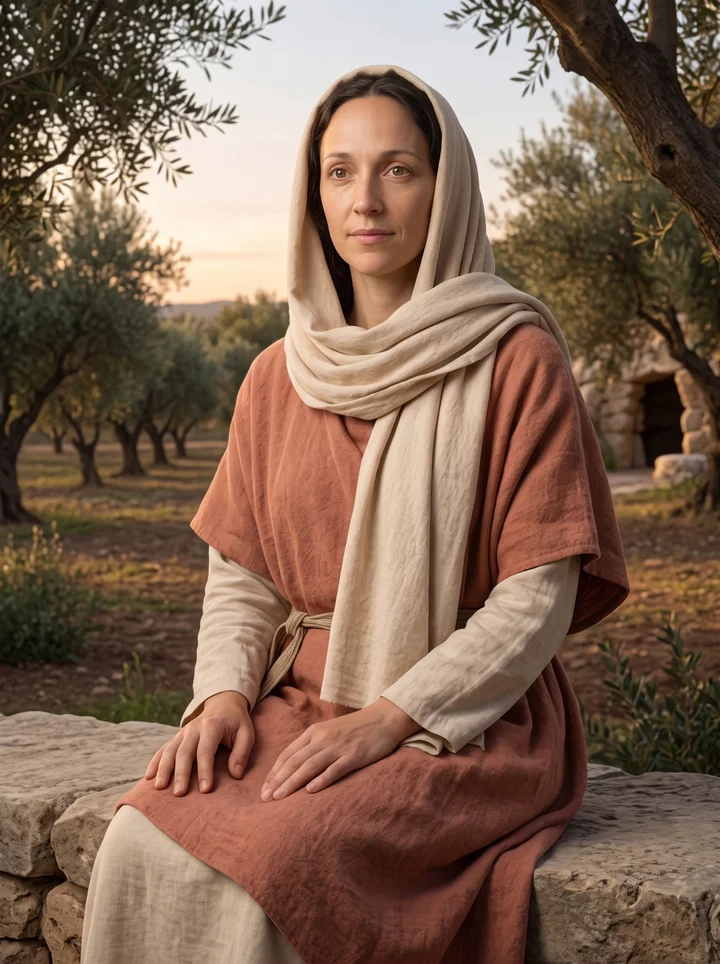
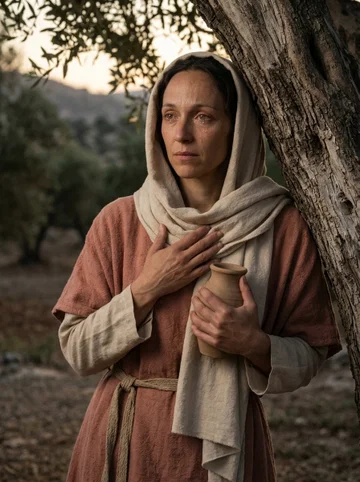
Leah was tender eyed; but Rachel was beautiful and well favored.
King James Version, KJV Cambridge Paragraph Bible
Leah was tender eyed; but Rachel was beautiful and well favoured.
Leah was tender-eyed, but Rachel was beautiful and well-favored.
And Leah’s eyes were tender; but Rachel was beautiful and well favoured.
And Leah’s eyes were tender; but Rachel was beautiful and well favored.
and the eyes of Leah [are] tender, and Rachel hath been fair of form and fair of appearance.
And the eyes of Leah were tender; but Rachel was of beautiful form and beautiful countenance.
But, the eyes of Leah were weak,—whereas, Rachel, was comely in form and comely in countenance.
Berean Standard Bible, Majority Standard Bible
Leah had weak eyes, but Rachel was shapely and beautiful.
Leah’s eyes were weak, but Rachel was beautiful in form and attractive.
And Leah's eyes were clouded, but Rachel was fair in face and form.
And Leah was tender eyed, but Rahel was beautifull and faire.
Douay-Rheims (Challoner revision)
But Lia was blear eyed: Rachel was well favoured, and of a beautiful countenance.
Pictures
Cross-references
- Genesis 30
And when Rachel saw that she bare Jacob no children, Rachel envied her sister; and said unto Jacob, Give me children, or else I die.
Continues the account of Jacob’s plural marriage and family.
- Genesis 29:1
Then Jacob went on his journey, and came into the land of the people of the east.
Begins Jacob’s journey that brings him to Rachel.
Commentary
Each commentary is drawn from primary sources: the writings of Ellen G. White and Adventist pioneers and periodicals. Each commentary is separate. Its own words are not a quotation; follow the references to read the source passages.
Ellen G. White
1 source
Rachel stands in the account as Laban's younger daughter.PP 188.2 Jacob met her at the well.PP 188.2 For her hand in marriage he agreed to serve Laban seven years.PP 188.2
Sources
Pioneers and periodicals
10 sources
Leah is described as tender-eyed in contrast to Rachel, who was beautiful and well favoured, and Rachel was one of the two daughters for whom Jacob served Laban.ST Mar 19, 1894 Rachel of Padan-aram was far famed for beauty, a standard of loveliness so high that even Mary Magdalene in her beauty could scarcely have been more beautiful.ST Jun 7, 1910 Jacob loved Leah in a much less degree than Rachel and was not happy in his marriage relation though his wives were sisters.ST Apr 24, 1879 Jacob had contracted with Laban for Rachel, whom he loved, but after serving seven years for her Laban, wishing to retain his faithful services longer, deceived him and gave him Leah, and when Jacob realized the deception and that Leah had acted her part in deceiving him he could not love her and reproved Laban for trifling with his affections.ST Apr 24, 1879 Laban entreated him not to put Leah away because it was considered a great disgrace not only to the wife but to the whole family, so Jacob, though placed in a most trying position, decided to retain Leah and also to marry her sister.ST Apr 24, 1879
The verse belongs to the account of Jacob's marriage to Leah and Rachel in which Jacob was deceived as he had deceived his father.ST Jan 3, 1911 It stands where Jacob was laboring as a servant in the land God had called Abraham out of to freedom, a humiliating servitude called Jacob's trouble that was the consequence of apostasy, his treachery toward Esau that forced him to flee Canaan to escape vengeance, whereas unlike Abraham and Isaac, who endured trials of faith yet never had to serve in that land, Jacob had to do so. It is part of the continuing story of Abraham and his family, showing the gradual development of faith through Isaac and his two sons with their defects toward Jacob's victory that made him Israel, prevailer with God.ST Jan 6, 1909 It belongs to the passage that continues the family through which the Seed was to come, with the promises from Abraham extended to Isaac and from Isaac to Jacob.ST Jan 14, 1913
The verse stands in the checkered and unsatisfactory experiences of Esau and Jacob in which Jacob's selfish plotting brought consequent suffering, showing Jacob who overreached and supplanted meeting overreaching himself, and proving that God's providence though seeming slow brings retribution sooner or later.ST Jan 9, 1912 It falls within Jacob's unsatisfactory experience where lack of better earlier experience brought much later trouble, yet God in His mercy brings a change.ST Jan 14, 1913 Jacob's experience in the verse proves that when God calls one from the world into His service there can be no legitimate excuse for return, that departure from God if not repented of must lead back to the former condition, and that being unequally yoked together with unbelievers will endanger covenant relation with God.
The verse records Jacob taking Leah and Rachel as wives, and this polygamous family was evil and wrong and proves that polygamy causes very great unhappiness in every family where it enters.RH Mar 1, 1870 It belongs to the record of Jacob taking Leah and Rachel as wives, which was a plain violation of the marriage institution God made before the fall, and that violation does not lessen or destroy the sacred character of marriage, just as a violation of the Sabbath would not destroy the sacred character of the Sabbath.RH Nov 8, 1853ST Jun 10, 1875
Sources