Joel 1:11
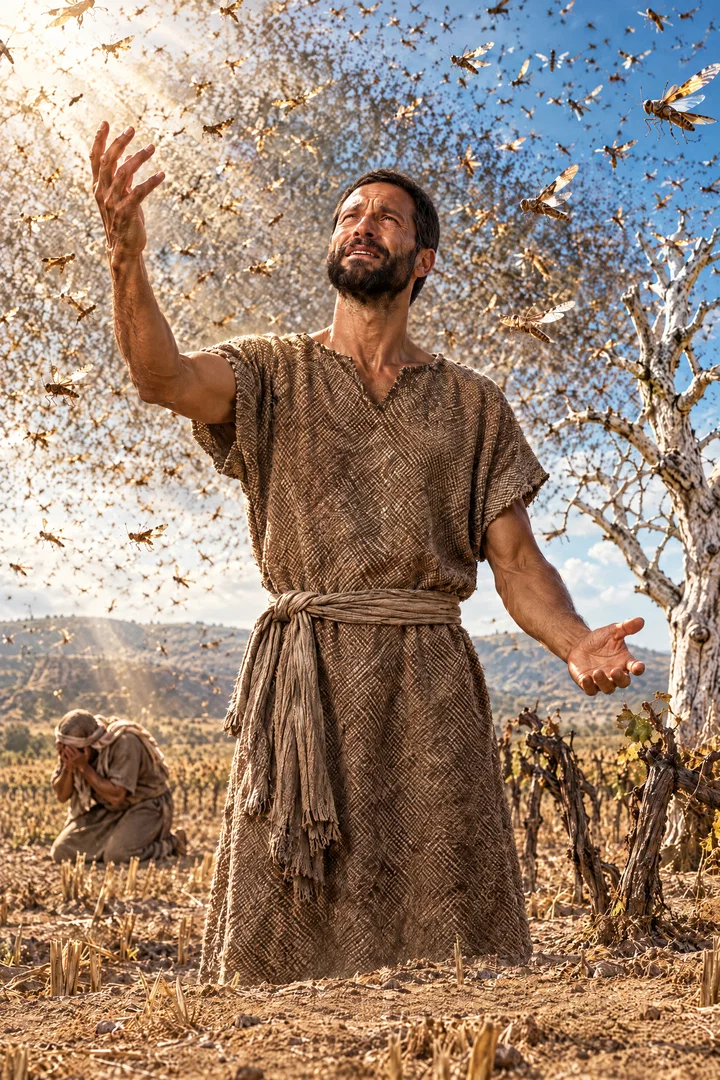
Be ye ashamed, O ye husbandmen; howl, O ye vinedressers, for the wheat and for the barley; because the harvest of the field is perished.
Translations
Be you ashamed, O you farmers; howl, O you vinedressers, for the wheat and for the barley; because the harvest of the field is perished.
Be ye ashamed, O ye husbandmen; howl, O ye vinedressers, for the wheat and for the barley; because the harvest of the field is perished.
Be ye ashamed, O ye husbandmen; howl, O ye vinedressers,
For the wheat and for the barley;
Because the harvest of the field is perished.Be ye ashamed, O ye husbandmen; howl, O ye vine-dressers, for the wheat and for the barley; because the harvest of the field hath perished.
Be ashamed, O ye husbandmen, howl, O ye vinedressers, for the wheat and for the barley; for the harvest of the field is perished.
Be confounded, O ye husbandmen, wail, O ye vinedressers, for the wheat and for the barley; for the harvest of the field is perished.
Be ashamed, ye husbandmen, Howl, vine-dressers, for wheat and for barley, For perished hath the harvest of the field.
Be ashamed, ye husbandmen; howl, ye vinedressers, for the wheat and for the barley: because the harvest of the field hath perished.
Turn pale, ye husbandmen, howl, ye vinedressers, over the wheat, and over the barley,—for perished is the harvest of the field.
Berean Standard Bible, Majority Standard Bible
Be dismayed, O farmers,
wail, O vinedressers,
over the wheat and barley,
because the harvest of the field has perished.Be confounded, you farmers!
Wail, you vineyard keepers,
for the wheat and for the barley;
for the harvest of the field has perished.The farmers are shamed, the workers in the vine-gardens give cries of grief, for the wheat and the barley; for the produce of the fields has come to destruction.
Be ye ashamed, O husband men: howle, O ye vine dressers for the wheate, and for the barly, because the haruest of the fielde is perished.
Douay-Rheims (Challoner revision)
The husbandmen are ashamed, the vinedressers have howled for the wheat, and for the barley, because the harvest of the field is perished.
Pictures
Cross-references
- Joel 1:17-20
The seed is rotten under their clods, the garners are laid desolate, the barns are broken down; for the corn is withered.
Describes the ruined crops, dried waters, and suffering of the land.
- Joel 1:4-7
That which the palmerworm hath left hath the locust eaten; and that which the locust hath left hath the cankerworm eaten; and that which the cankerworm hath left hath the caterpiller eaten.
Successive insect attacks devastate the crops and ruin the harvest.
- Joel 1:6-7
For a nation is come up upon my land, strong, and without number, whose teeth are the teeth of a lion, and he hath the cheek teeth of a great lion.
A numerous, powerful nation lays waste the land and its crops.
- Joel 2:25
And I will restore to you the years that the locust hath eaten, the cankerworm, and the caterpiller, and the palmerworm, my great army which I sent among you.
God promises to restore crops after devastation by locusts and other pests.
- Joel 2:20
But I will remove far off from you the northern army, and will drive him into a land barren and desolate, with his face toward the east sea, and his hinder part toward the utmost sea, and his stink shall come up, and his ill savour shall come up, because he hath done great things.
The northern army is identified with devouring pests.
- Joel 2:17
Let the priests, the ministers of the LORD, weep between the porch and the altar, and let them say, Spare thy people, O LORD, and give not thine heritage to reproach, that the heathen should rule over them: wherefore should they say among the people, Where is their God?
Locust famine prompts prayer to spare the people from heathen taunts.
Commentary
Each commentary is drawn from primary sources: the writings of Ellen G. White and Adventist pioneers and periodicals. Each commentary is separate. Its own words are not a quotation; follow the references to read the source passages.
Ellen G. White
3 sources
The husbandmen are put to shame and the vinedressers are called to howl because the wheat and the barley are lost, and the harvest of the field has perished, leaving the land to mourn in crop failure and desolation.GC 627.3–628.2GC88 627.2–628.2 It is a prophecy of the condition of the world just before the second coming.Ms 110, 1893, par. 13 That desolation belongs to the final judgments that fall before the deliverance of God's people.GC 627.3–628.2 It depicts the devastation of the earth under the final plague, when the loss of the field's harvest brings grief to farmers and vinedressers while the sun scorches people with great heat.GC88 627.2–628.2
Sources
Pioneers and periodicals
32 sources
The verse calls the tillers of the soil to shame and the keepers of the vines to wailing because the wheat and the barley and the whole harvest of the field have been destroyed by devouring locusts and insects that strip the land bare.ST Dec 8, 1914ST Sep 26, 1911ST Nov 8, 1905ST Sep 17, 1874ST May 27, 1875 The loss reaches to corn and wine and oil and to vine and fig and every tree of the field, cutting off sustenance and gladness so that want spreads to priests and people and beasts and the land itself.RH Feb 18, 1875RH Apr 28, 1904RH Feb 18, 1875 The calamity announces the coming day of the Lord as a day of desolation and destruction from the Almighty, typifying the troubles and judgments just before Christ comes and the plagues when scorching heat withers vegetation.ST Nov 8, 1905ST Sep 17, 1874ST Nov 21, 1895ST Jan 17, 1911ST Dec 8, 1909 Recurring blight and insect ravages and famine in modern fields are forerunners of that time when reaping will become almost impossible and drought and pestilence increase before the restoration of the land and the outpouring of God's Spirit.ST Nov 8, 1905RH Jan 29, 1857RH Mar 31, 1868RH Apr 16, 1861ST Feb 13, 1901 The perished harvest is a judgment under sin's curse when God withdraws restraint and withholds blessings men have ceased to prize, calling His people to humble themselves and repent for deliverance while warning the wicked of distress to come.ST Sep 26, 1911ST Jan 17, 1911ST Mar 9, 1915ST
Words and Historical Setting
The call goes out to field workers to feel shame and to those who tend vines to wail and grieve, because the wheat and the barley are ruined and the harvest of the field has perished.ST Sep 26, 1911ST Sep 17, 1874ST May 27, 1875ST Nov 21, 1895RH Mar 31, 1868 The husbandmen are put to shame and the vinedressers howl over the lost crops of wheat and barley, with the failure of food and water belonging to severe trouble.RH Mar 31, 1868RH Sep 2, 1852
The loss is the work of crop-eating insects and locusts that devoured the wheat and barley and brought loss to the harvest.ST Dec 8, 1914ST Nov 8, 1905ST May 27, 1875ST Sep 23, 1913 The locusts literally stripped and wasted the crops and trees of the land, leaving husbandmen and vine growers to lament the ruined field.ST May 27, 1875
The devastation comes through a numerous and powerful invading nation, strong and without number, that falls upon the land to destroy it.ST Sep 17, 1874RH Feb 18, 1875RH Feb 18, 1875 That invader is described as having the teeth of a lion, laying the vine waste and stripping the fig tree bare, even wasting the vineyard and peeling olive and fig trees to the bark until the branches are left white and bare.RH Feb 18, 1875RH Feb 18, 1875
The perished wheat and barley belong to a general wasting of field, corn, wine and oil, with vine, fig, pomegranate, palm, apple and all the trees of the field withered so that joy withers away from men.RH Feb 18, 1875RH Feb 18, 1875 New wine is cut off from drunkards and drinkers of wine, and the meat offering and drink offering are cut off from the house of the Lord so that priests and ministers mourn in sackcloth, while the people lament like a bride girded with sackcloth.RH Feb 18, 1875RH Feb 18, 1875 The same ruin brings distress through drought and related calamities extending to people, beasts and drought-stricken land, a condition made plain by severe dry seasons when crops and harvest fail.RH Apr 28, 1904ST Dec 22, 1914
Day of the Lord Prophecy
The ruined wheat and barley and perished harvest belong to widespread devastation by crop-eating insects and a numerous, powerful invading nation, and this calamity points to the approaching day of the Lord and destruction from the Almighty.ST Nov 8, 1905ST Sep 17, 1874ST Nov 21, 1895 It shows the day just ahead to be one of the most gloomy and terrific days ever beheld, with shamed husbandmen and howling vinedressers picturing its desolation and terror.RH Mar 12, 1857RH Mar 31, 1868ST Dec 14, 1904 The agricultural ruin accompanies wider desolation, starvation, severe trouble with scarce food and water, and loss of joy as that day approaches.RH Mar 31, 1868ST Dec 14, 1904 The local illustrations describe calamities that typify troubles preceding the great day of Jehovah and the closing events of earth's history, with loss of harvest as cause for farmers and vinedressers to grieve.ST Dec 8, 1909 That work of Joel 1 and 2 stands before the Lord comes, following after the Third Angel's Message, of the same typical character as the feast of tabernacles and the day of atonement, and not belonging to immortal saints.RH Sep 11, 1856
Recurring modern crop damage from insects, plant diseases, and general blight is the application of this mourning over destroyed wheat and barley as a sign of the times before Christ's second coming.ST Nov 8, 1905ST Feb 13, 1901ST Sep 23, 1913 The worldwide potato blight that nearly destroyed the crop, brought distress and famine, and left lasting disease and uncertainty in the fields, together with general blight upon apple trees, are forerunners of the fulfillment of this prophecy of perishing harvest and shame and loss to husbandmen and vinedressers.RH Apr 16, 1861 In the last days crops are ruined by diseases and pests while disease and death become widespread, and literal infestations of devouring pests continue to trouble people.ST Feb 13, 1901ST Sep 23, 1913 Insect devastation brings the harvest to ruin so that insect pests become so numerous and crop production becomes so hindered that harvesting crops will become almost impossible.ST
Its fulfillment is in drought and famine for man and beast now approaching, in the commencement of the day of the Lord before the commencement of the thousand years at the resurrection of the just.RH Jan 29, 1857RH Mar 31, 1868 This distress of Joel 1:9-20 comes before the restoring of the land and its precious fruits to man and beast and the pouring out of God's Spirit on all flesh and on the remnant whom the Lord shall call, and before the gathering, deliverance, and pouring out of the Spirit on Israel, which includes all the living saints and comes just prior to the resurrection of the just.RH Jan 29, 1857 Famine and pestilence with failing crops and loss of wheat and barley are among the coming judgments and the increase of calamities, especially famine, for which God's people must prepare.RH Sep 29, 1868ST Oct 20, 1909 The withered fields, lost harvest, faded joy, and wider ruin of crops and trees doubtless apply to the time of the plagues.ST Jan 17, 1911RH Jan 22, 1901RH May 5, 1868 This is the devastation of the fourth plague, when scorching heat from the sun damages the earth, vegetation, and trees, withers the land, and scorches people with great heat.RH Jan 22, 1901RH May 5, 1868RH Sep 2, 1852RH Mar 19, 1901 It depicts the ruined, barren condition of the earth when Jesus comes, when farmers and vinedressers mourn because the field's harvest including wheat and barley has failed.ST Oct 11, 1905ST Oct 11, 1905 This is the barren condition after the righteous are removed and the living wicked are destroyed, and the earth remains marked by this devastation until the thousand years have passed.ST Oct 11, 1905
Judgment Warning and Application
The perished wheat and barley and ruined harvest of the field show the decay of the land under the curse of sin.ST Sep 26, 1911 The same ruin is a judgment from God brought on by human vice and wickedness.ST It belongs to the dreadful time when God's restraining power is withdrawn and destructive insects are let loose upon the crops.
The shame of the husbandmen and the mourning of the vinedressers over the failed grain warn that the end is approaching as God withholds blessings that people have ceased to appreciate.ST Jan 17, 1911 The perished harvest is also a prophetic message calling attention to the obligations people owe to the Lord for His mercies and blessings.ST Mar 9, 1915
The destruction of the wheat, barley, and harvest of the field was a literal plague of locusts upon the Jews that consumed their strength with famine until hearts grew faint.RH Mar 18, 1875 That weakness left them exposed to the watching heathen, ready to take advantage of misfortune by war, by bringing them into subjection and ruling over them, and by the taunting byword over abandonment by God.RH Mar 18, 1875 The same pattern holds in a spiritual sense when the church is brought into strait places where only the arm of the Lord can deliver, help seems delayed, and the wicked mock its hope and laugh at its apparently inevitable calamity.RH Mar 18, 1875 God's people learn the lesson, humble themselves, and zealously repent so that favor can be bestowed, and in faithfulness to promise He appears for their deliverance and joy and for the confusion and dismay of their enemies, while in the day of distress for the wicked He Himself laughs at their calamity and mocks when their fear comes.RH Mar 18, 1875
Sources