Translations
American King James Version, King James Version, KJV Cambridge Paragraph Bible, Webster Bible, Darby Translation
They that observe lying vanities forsake their own mercy.
They that regard lying vanities forsake their own mercy.
They that regard lying vanities
Forsake their own mercy.Those observing lying vanities their own mercy forsake.
They who take heed to the vanities of falsehood, do, their own lovingkindness, forsake.
Berean Standard Bible, Majority Standard Bible
Those who cling to worthless idols
forsake His loving devotion.Those who regard vain idols forsake their own mercy.
The worshippers of false gods have given up their only hope.
They that waite vpon lying vanities, forsake their owne mercie.
Douay-Rheims (Challoner revision)
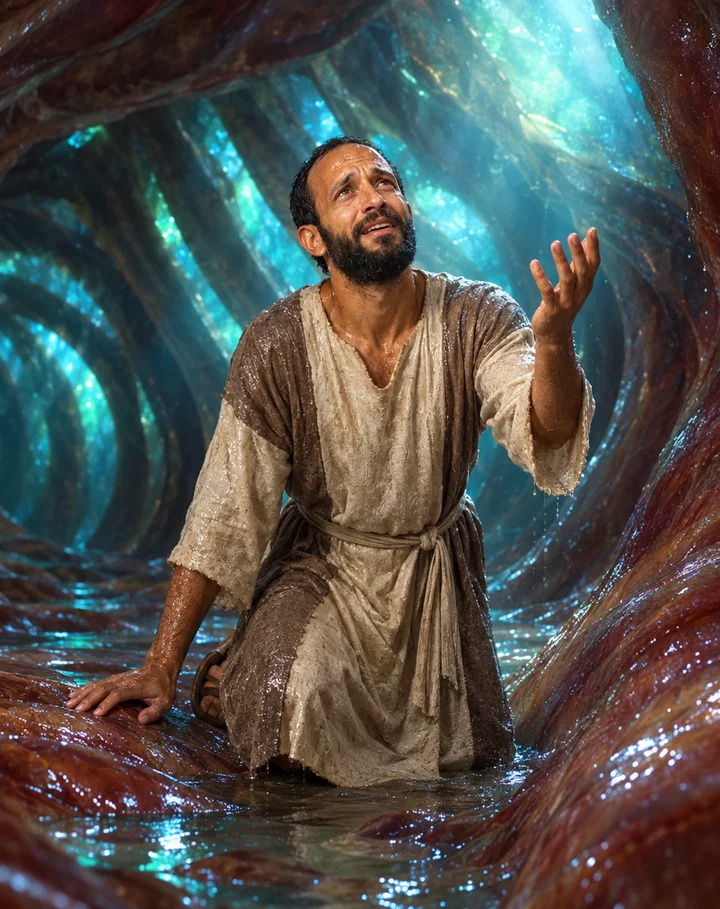
When my soul was in distress within me, I remembered the Lord: that my prayer may come to thee, unto thy holy temple.
Pictures
Cross-references
- Psalms 4:2
O ye sons of men, how long will ye turn my glory into shame? how long will ye love vanity, and seek after leasing? Selah.
Both warn against loving vanity.
Commentary
Each commentary is drawn from primary sources: the writings of Ellen G. White and Adventist pioneers and periodicals. Each commentary is separate. Its own words are not a quotation; follow the references to read the source passages.
Ellen G. White
3 sources
Lying vanities are empty idols and false hopes, and to observe them is to cling to them, and those who do so turn away from the mercy God offers.RH Dec 4, 1913 This stands in contrast with remembering the Lord, for Jonah remembered God and was delivered, showing that salvation and mercy come from God alone and not from any false object of trust.RH Dec 4, 1913
The declaration comes from Jonah's prayer amid the trials that followed his disobedience, and those trials revived his confidence in God's power to save.RH Dec 4, 1913 They also renewed his determination to obey even at personal sacrifice, so that through this experience God taught him obedience.RH Oct 18, 1906RH Dec 4, 1913 That learned obedience enabled him to carry out God's purpose for Nineveh.RH Oct 18, 1906
Sources
Pioneers and periodicals
21 sources
Those who cling to false, fleeting and worthless things, idols and false hopes, turn away from the mercy God offers and would give them.RH Dec 4, 1913RH Jul 29, 1862ST Dec 10, 1894 Jonah spoke this in penitent prayer from inside the fish God prepared to swallow him without killing him, where in near death during three days in the depths of the sea after fleeing his calling he reviewed his past, turned his heart sincerely to God and cried for deliverance, and God heard him.ST Dec 10, 1894RH May 9, 1912ST Mar 25, 1913 The saying contrasts false objects of trust with remembering the Lord and receiving deliverance, for salvation and mercy come from God and not from them, and the resolve to give thanks and fulfill the vow shows the turn from empty trusts to gratitude and faithfulness learned when Jonah remembered the Lord from the depths.RH Dec 4, 1913RH Jan 3, 1907ST Sep 17, 1896 He had fled the unwelcome duty of warning wicked Nineveh, acknowledged his fault in the storm at sea, and was changed in the fish to obey at personal sacrifice, so that after deliverance God sent him again with the same call, showing thorough repentance joined to God's purpose for Nineveh.RH Oct 18, 1906RH Dec 4, 1913ST Sep 9, 1913 To forsake one's own mercy in this way includes disbelieving the Bible record such as Jonah's swallowing which Christ affirmed by the sign of Jonah and the repentance of Nineveh, disregarding the light given by God's word and Spirit to prepare for the coming time of trouble, and clinging to human tradition through prejudice, while affliction may mercifully frustrate plans and lessen resources to restrain from such vanities.ST Dec 10, 1894RH Mar 25, 1873ST Mar 9, 1888RH Nov 5, 1872
Meaning and Context in Jonah
Those who watch lying vanities — who cling to false, fleeting, empty and worthless things, to idols and to false hopes and empty falsehoods — forsake their own mercy, turning away from and abandoning the mercy God offers and could give them.RH Dec 4, 1913RH Jul 29, 1862ST Dec 10, 1894ST Nov 11, 1908RH Jun 15, 1916 The same is taught as that those who cling to worthless idols or false hopes abandon the mercy available to them from God.ST Nov 11, 1908RH Jun 15, 1916ST Dec 15, 1909
The saying belongs to Jonah's penitent prayer from inside the fish God prepared to swallow him without killing him, which as Creator of the world God was fully able to bring about.ST Dec 10, 1894RH May 9, 1912ST Dec 10, 1894 After fleeing his calling he spent three days there in the depths of the sea and near death, where he reviewed his past and sincerely turned his heart to God and cried for mercy and deliverance.ST Dec 10, 1894RH May 9, 1912ST Mar 25, 1913RH Mar 5, 1914 Even in the depths God heard his prayer, and despite his despair and contrition began to deliver him, his heartfelt crying to God marking victory.ST Dec 10, 1894RH May 9, 1912ST Mar 25, 1913
In the prayer the statement stands in contrast to remembering the Lord and receiving deliverance, showing that salvation and mercy come from God and not from false objects of trust.RH Dec 4, 1913ST Sep 17, 1896 Jonah learned this when, after fleeing his calling and reaching the depths of the sea, he remembered the Lord and recognized he had forsaken his opportunity for mercy, and that rejecting God's purpose meant forsaking mercy while God sought people's salvation and not their destruction.ST Dec 10, 1894ST Sep 17, 1896 The resolve that follows, to offer thanksgiving and fulfill a vow, shows the turn away from lying vanities toward gratitude and faithfulness to God.RH Dec 4, 1913RH Jan 3, 1907
In its narrative setting Jonah had fled the unpleasant duty of warning wicked Nineveh, and when tested by the storm at sea he acknowledged his fault.ST Sep 9, 1913 His time inside the whale changed his feelings and purpose, and through that experience God taught him obedience to carry out God's purpose for Nineveh.RH Oct 18, 1906 Those trials revived his confidence in God's power to save and renewed his determination to obey even at personal sacrifice.RH Dec 4, 1913RH Dec 4, 1913 After deliverance from the sea God sent him again with the same call to warn Nineveh as originally directed, illustrating how turning back to God's service can lead to a great work through human weakness joined with divine power and showing what thorough repentance ought to be.ST Sep 9, 1913RH Sep 17, 1901RH May 13, 1915
Doctrinal Warning and Application
Those who cling to empty, deceptive things turn away from the mercy available to them, and deliverance in times of distress is no guarantee against soon returning to folly and thereby forsaking mercy.ST Nov 5, 1885 To pursue such empty, deceptive things is to turn away from the mercy God offers, yet affliction can serve as merciful restraint when God frustrates plans or reduces resources to keep people from following those vanities and losing their own good.RH Mar 25, 1873 His discipline in this is for their benefit, and He knows what they can bear.RH Mar 25, 1873
To observe lying vanities is to listen to arguments against the Bible and disbelieve its record, such as the swallowing of Jonah by the great fish God as Creator of the world was fully able to prepare to swallow him without killing him.ST Dec 10, 1894 Such disbelief leaves no ground to believe that Christ existed, because Christ affirmed that Nineveh repented at Jonah's preaching and will rise in the judgment to condemn unbelievers because He is greater than Jonah, and gave no sign but the sign of Jonah in His own three days and three nights in the heart of the earth.ST Dec 10, 1894 The account of Jonah to which this belongs is part of the Old Testament Scriptures and should not be rejected or ridiculed while professing faith in Christ and the New Testament, since Christ and the apostles treated those ancient Scriptures as truthful and important.ST Mar 9, 1888
Disregarding the precious light given by God's word and Spirit is forsaking one's own mercy.RH Nov 5, 1872 That light instructs how to prepare for the soon-coming time of trouble, but many undervalue it, think the teaching unnecessary, and show by their acts that they do not believe it.RH Nov 5, 1872 Their unbelief now blinds the mind and perverts the judgment, but it will be torn away, and then it will be seen that while they disregarded the light they slighted their own mercy.RH Nov 5, 1872 Likewise, refusing the truth in God's Word and clinging instead to human tradition means forsaking one's own mercy, for prejudice makes a person unwilling to know and do the truth, and that choice brings loss at the final judgment.
Sources