Joshua 22:29
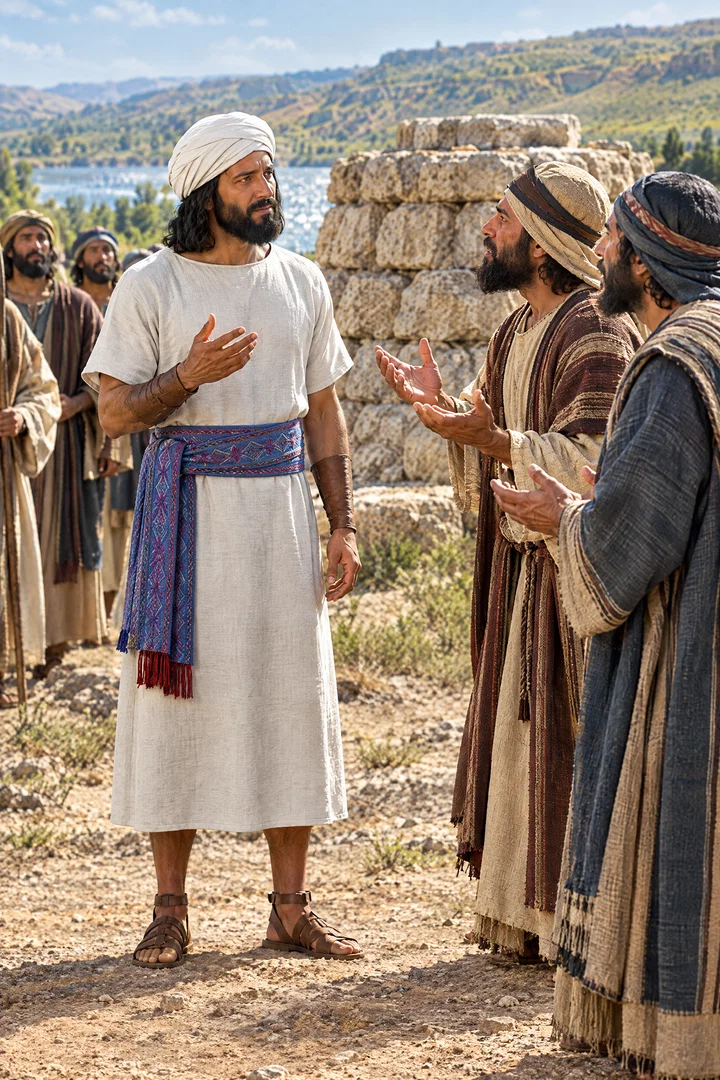
God forbid that we should rebel against the LORD, and turn this day from following the LORD, to build an altar for burnt offerings, for meat offerings, or for sacrifices, beside the altar of the LORD our God that is before his tabernacle.
Translations
American King James Version, King James Version
God forbid that we should rebel against the LORD, and turn this day from following the LORD, to build an altar for burnt offerings, for meat offerings, or for sacrifices, beside the altar of the LORD our God that is before his tabernacle.
God forbid that we should rebel against the Lord, and turn this day from following the Lord, to build an altar for burnt offerings, for meat offerings, or for sacrifices, besides the altar of the Lord our God that is before his tabernacle.
Far be it from us that we should rebel against the LORD, and turn this day from following the LORD, to build an altar for burnt-offerings, for meat-offerings, or for sacrifices, besides the altar of the LORD our God that is before his tabernacle.
God forbid that we should rebel against the LORD, and turn away this day from following the LORD, to build an altar for burnt offering, for meal offering, or for sacrifice, besides the altar of the LORD our God that is before his tabernacle.
Far be it from us that we should rebel against Jehovah, and turn away this day from following Jehovah, to build an altar for burnt-offering, for meal-offering, or for sacrifice, besides the altar of Jehovah our God that is before his tabernacle.
'Far be it from us to rebel against Jehovah, and to turn back to-day from after Jehovah, to build an altar for burnt-offering, for present, and for sacrifice, apart from the altar of Jehovah our God, which [is] before His tabernacle.'
Far be it from us that we should rebel against Jehovah, and turn this day from following Jehovah, in building an altar for burnt-offering, for oblation, and for sacrifice, besides the altar of Jehovah our God that is before his tabernacle.
Far be it from us—that we should rebel against Yahweh, or turn back, to-day, from following Yahweh, by building an altar, for ascending-offering, or meal-offering or for sacrifice,—other than the altar of Yahweh our God, which is before his habitation.
Berean Standard Bible, Majority Standard Bible
Far be it from us to rebel against the LORD and turn away from Him today by building an altar for burnt offerings, grain offerings, or sacrifices, other than the altar of the LORD our God, which stands before His tabernacle.”
“ Far be it from us that we should rebel against the LORD, and turn away today from following the LORD, to build an altar for burnt offering, for meal offering, or for sacrifice, besides the LORD our God’s altar that is before his tabernacle!”
Never let it be said that we were false to the Lord, turning back this day from him and building an altar for burned offerings and meal offerings and offerings of beasts, in addition to the altar of the Lord our God which is before his House.
God forbid, that we should rebell against the Lord, and turne this day away from the Lord to builde an altar for burnt offering, or for meate offering, or for sacrifice, saue the altar of the Lord our God, that is before his Tabernacle.
Douay-Rheims (Challoner revision)
God keep us from any such wickedness that we should revolt from the Lord, and leave off following his steps, by building an altar to offer holocausts, and sacrifices, and victims, beside the altar of the Lord our God, which is erected before his tabernacle.
Pictures
Cross-references
- Joshua 22:22-23
The LORD God of gods, the LORD God of gods, he knoweth, and Israel he shall know; if it be in rebellion, or if in transgression against the LORD, ( save us not this day,)
The appeal to God’s knowledge solemnly backs their denial of rebellion.
- Joshua 22:24-25
And if we have not rather done it for fear of this thing, saying, In time to come your children might speak unto our children, saying, What have ye to do with the LORD God of Israel?
Fear of exclusion motivates the concern for future generations.
- 2 Kings 16:10-16
And king Ahaz went to Damascus to meet Tiglath-pileser king of Assyria, and saw an altar that was at Damascus: and king Ahaz sent to Urijah the priest the fashion of the altar, and the pattern of it, according to all the workmanship thereof.
Ahaz made an altar after a foreign pattern for worship.
Commentary
Each commentary is drawn from primary sources: the writings of Ellen G. White and Adventist pioneers and periodicals. Each commentary is separate. Its own words are not a quotation; follow the references to read the source passages.
Ellen G. White
4 sources
The words belong to the men of Gad and Reuben with half Manasseh as they returned to their inheritance east of the Jordan in the upland plains and forests of Gilead and Bashan, which had been chosen for grazing for their flocks and herds.PP 517.4–518.1 They had pledged to furnish armed men to cross the Jordan and share the battles until their brethren entered their inheritance, and forty thousand of them passed over to battle to the plains of Jericho and fought bravely for years.PP 517.4–518.1 They then returned with much riches in cattle, silver, gold, brass, iron and raiment to be shared with those who had stayed with the families and flocks.PP 517.4–518.1 They were then to dwell at a distance from the sanctuary, where their isolated and wandering life brought strong temptation to fall into the customs of the heathen tribes on their borders.PP 517.4–518.1
The ten tribes rebuked their supposed defection from following the Lord to build a rival altar, acting from fear lest the people God had accepted should become divided in interest and worship and from zeal to maintain the honor of God and the purity of Israel.ST May 12, 1881ST May 12, 1881 That zeal had been prompted by the earlier lesson of Achan's sin, when failure to deal with wrongdoing brought God's rebuke.ST May 12, 1881 Yet that prompt rebuke rested on ungrounded suspicion and a simple misunderstanding that might have brought serious and even fatal results.ST May 12, 1881ST May 12, 1881 For Israel condemned on suspicion instead of first courteously asking their brethren for the facts.ST May 12, 1881ST May 12, 1881
The accused courteously let the rebuke finish without anger or resentment.ST May 12, 1881 They then sincerely and solemnly declared their innocence before the Lord who knows their hearts, appealing to Him to testify against them if at fault and admitting their lives would justly be forfeited if guilty of the rebellion charged against them.ST May 12, 1881 By the verse they deny turning that day from following the Lord to build an altar for burnt offerings, meat offerings, or sacrifices beside the altar before the tabernacle or intending to rebel against God.ST May 12, 1881ST May 12, 1881 They explain they built an altar only after the pattern of the altar at Shiloh as a witness that they also worship the living God, from fear that in future years their children might be excluded from the tabernacle by their brethren as having no part in Israel.ST May 12, 1881
Their candid explanation was readily accepted with great joy that their hearts were still true to the God of Jacob.ST May 12, 1881 The tidings were carried back to the congregation, all thoughts of war were dismissed, and the people united in heartfelt rejoicing and praise to God.ST May 12, 1881 The wisdom and forbearance they showed under trying circumstances is a forcible lesson worthy of imitation, for great evils might be averted if the same course were followed.ST May 12, 1881ST May 12, 1881 An individual unjustly suspected or censured should not yield to anger or cherish retaliation but use the occasion to develop meekness and forbearance.ST May 12, 1881ST May 12, 1881
Sources
Pioneers and periodicals
6 sources
The verse stands in the closing portion of the book dealing with the conquering of the Canaanites and the division of the land.ST Mar 17, 1909
It is the denial by the two and one-half tribes, the Reubenites with Gad and their associates, that the altar they erected beyond the Jordan was rebellion against the Lord or turning that day from following Him to build a rival altar for burnt offerings, meat offerings, or sacrifices beside the altar of the Lord before the tabernacle.ST May 12, 1881ST May 12, 1881ST May 18, 1904ST May 25, 1904 The altar was patterned after the altar of the Lord at Shiloh and was intended only as a witness that they also worship the living God, not as an object or place of worship or rival sacrifice, from fear that in future years their children might be excluded by their brethren from the tabernacle as having no part in Israel.ST May 12, 1881ST May 18, 1904
The altar was built with a truly devotional purpose to promote true religion, yet it was construed as complete apostasy and supposed defection.ST May 12, 1881ST May 25, 1904 The ten tribes rebuked it from zeal to maintain the honor of God and the purity of Israel and from fear lest the people God had accepted should become divided in interest and worship.ST May 12, 1881 That concern was prompted by the lesson of Achan's sin when failure to deal with wrongdoing brought God's rebuke.ST May 12, 1881
The prompt rebuke rested on a simple misunderstanding and ungrounded suspicion that might have brought serious and even fatal results toward war.ST May 12, 1881ST May 12, 1881 The accusers fell into the opposite error by condemning on suspicion instead of first courteously asking their brethren for the facts.ST May 12, 1881
The accused courteously let Phinehas finish his sharp rebuke without anger or resentment.ST May 12, 1881 They then sincerely and solemnly declared their innocence before the Lord who knows their hearts, appealing to Him to testify against them if at fault and admitting their lives would justly be forfeited if guilty of the rebellion charged.ST May 12, 1881
Their candid explanation was readily accepted with great joy that their hearts were still true to the God of Jacob.ST May 12, 1881 Joshua was satisfied.ST May 18, 1904 The tidings were carried back to the congregation, all thoughts of war were dismissed, and the people united in heartfelt rejoicing and praise to God.ST May 12, 1881
The verse teaches how easy it is to misconstrue the actions of brethren and circulate unjust suspicions, and gives a forcible lesson in Christian forbearance.ST May 12, 1881ST May 25, 1904 The wisdom and meekness shown under trying circumstances is worthy of imitation, for great evils might be averted.ST May 12, 1881 One unjustly suspected or censured should not yield to anger or cherish retaliation but use the occasion to develop meekness and forbearance.ST May 12, 1881ST May 12, 1881
Sources