Judges 19:14
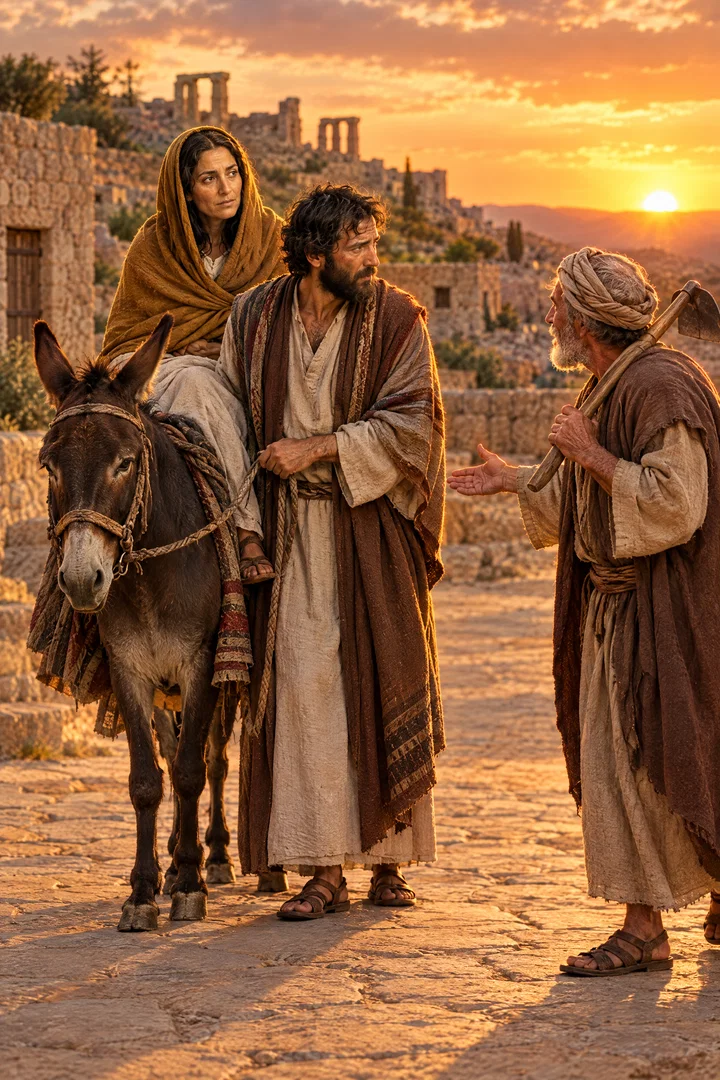
And they passed on and went their way; and the sun went down upon them when they were by Gibeah, which belongeth to Benjamin.
Translations
And they passed on and went their way; and the sun went down on them when they were by Gibeah, which belongs to Benjamin.
King James Version, KJV Cambridge Paragraph Bible, Webster Bible
And they passed on and went their way; and the sun went down upon them when they were by Gibeah, which belongeth to Benjamin.
Revised Version, American Standard Version
So they passed on and went their way; and the sun went down upon them near to Gibeah, which belongeth to Benjamin.
And they pass over, and go on, and the sun goeth in upon them near Gibeah, which is to Benjamin;
And they passed on and went their way; and the sun went down upon them [ when they were] by Gibeah, which belongs to Benjamin.
So they passed on, and went their way,—and the sun went in upon them beside Gibeah, which belongeth to Benjamin.
Berean Standard Bible, Majority Standard Bible
So they continued on their journey, and the sun set as they neared Gibeah in Benjamin.
So they passed on and went their way; and the sun went down on them near Gibeah, which belongs to Benjamin.
So they went on their way; and the sun went down when they were near Gibeah in the land of Benjamin.
So they went forward vpon their way, and the sunne went downe vpon them neere to Gibeah, which is in Beniamin.
Douay-Rheims (Challoner revision)
So they passed by Jebus, and went on their journey, and the sun went down upon them when they were by Gabaa, which is in the tribe of Benjamin:
Pictures
Commentary
Each commentary is drawn from primary sources: the writings of Ellen G. White and Adventist pioneers and periodicals. Each commentary is separate. Its own words are not a quotation; follow the references to read the source passages.
Pioneers and periodicals
3 sources
The verse describes travelers overtaken by evening at sunset when they were by Gibeah, which belonged to Benjamin, as part of the account of the crime at Gibeah committed by its Benjamite people.RH Jun 2, 1851 It stands in the closing chapters 17-21, after the main story ending at chapter 16, which record Israel's backsliding and the disgrace and punishment that followed. Those closing chapters portray internecine strife, ruffianism, and bloodshed.
Those closing chapters record events from the early part of the history of the judges though placed at the end of the book.ST Apr 4, 1911 Chapters 17-21 belong chronologically before chapters 11-16.ST Apr 4, 1911 It belongs to a period when Israel had no king and people did what seemed right to themselves.ST Jun 1, 1904 That way of life led to gross immorality and a society in which wrong could appear right, where conscience and human reason without divine revelation were perverted by selfishness.ST Jun 1, 1904
The backsliding shown does not mean anyone can sin without punishment. Those God used to deliver His people at that time are not set as examples to follow, for God worked with the best material at hand even when it was crude and rough, as in the case of Samson. Its wording about the sun going down proves that the day commences in the vicinity of sunset but not always at the same point, because the rising and setting of the sun constantly vary.RH Jun 2, 1851
Sources