Judges 19:15
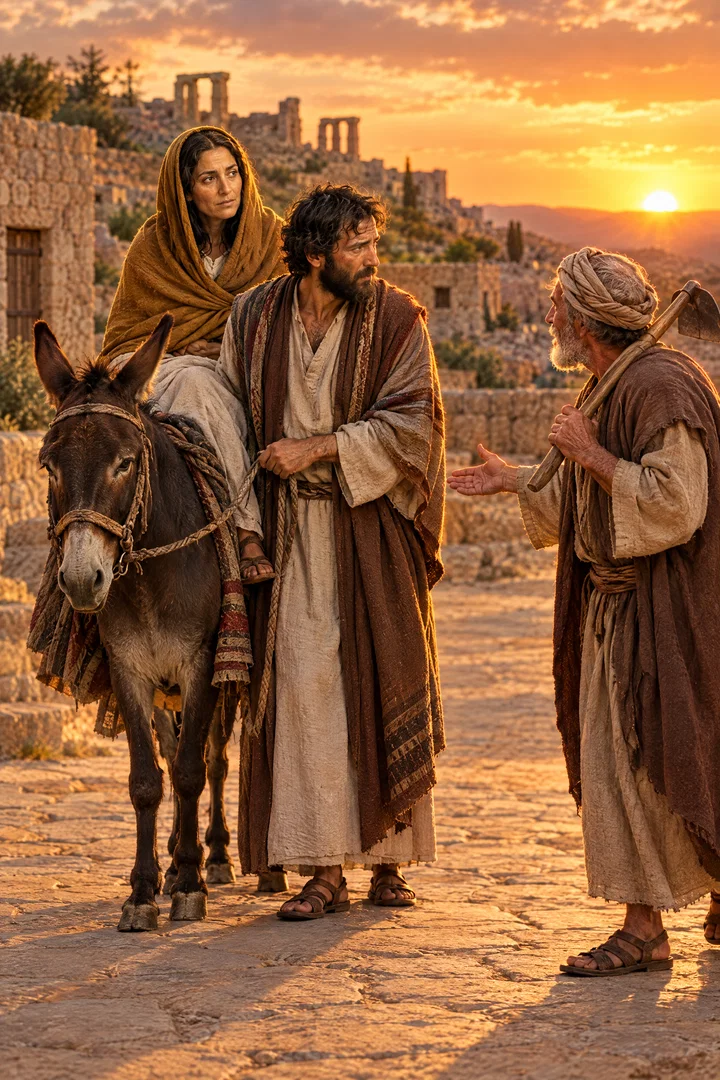
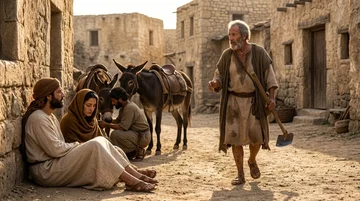
And they turned aside thither, to go in and to lodge in Gibeah: and when he went in, he sat him down in a street of the city: for there was no man that took them into his house to lodging.
Translations
American King James Version, King James Version, KJV Cambridge Paragraph Bible
And they turned aside thither, to go in and to lodge in Gibeah: and when he went in, he sat him down in a street of the city: for there was no man that took them into his house to lodging.
And they turned aside thither, to go in and to lodge in Gibeah: and when he went in, he sat down in a street of the city: for there was no man that took them into his house to lodge.
And they turned aside thither, to go in to lodge in Gibeah: and he went in, and sat him down in the street of the city: for there was no man that took them into his house to lodge.
And they turned aside thither, to go in to lodge in Gibeah: and he went in, and sat him down in the street of the city; for there was no man that took them into his house to lodge.
and they turn aside there to go in to lodge in Gibeah, and he goeth in and sitteth in a broad place of the city, and there is no man gathering them into the house to lodge.
And they turned aside thither, to go in, to lodge in Gibeah. And he went in, and sat down in the open place of the city; and there was no one that received him into his house to pass the night.
Then turned they aside there, to go in and tarry the night in Gibeah,—so he went in and abode in the broadway of the city; and there was no one minded to take them into a house, to tarry the night.
Berean Standard Bible, Majority Standard Bible
They stopped to go in and lodge in Gibeah. The Levite went in and sat down in the city square, but no one would take them into his home for the night.
They went over there, to go in to stay in Gibeah. He went in, and sat down in the street of the city; for there was no one who took them into his house to stay.
And they went off the road there with the purpose of stopping for the night in Gibeah: and he went in, seating himself in the street of the town, for no one took them into his house for the night.
Then they turned thither to goe in and lodge in Gibeah: and when he came, he sate him downe in a streete of the citie: for there was no man that tooke them into his house to lodging.
Douay-Rheims (Challoner revision)
And they turned into it, to lodge there. And when they were come in, they sat in the street of the city, for no man would receive them to lodge.
Pictures
Commentary
Each commentary is drawn from primary sources: the writings of Ellen G. White and Adventist pioneers and periodicals. Each commentary is separate. Its own words are not a quotation; follow the references to read the source passages.
Pioneers and periodicals
6 sources
Judges 19:15 stands in Judges 17-21, a section to be studied together with Joshua 23-24 and Judges 1-10.ST Mar 28, 1911 Although placed in the closing chapters of Judges, whose main narrative ends with chapter 16, its events happened in the early part of the judges period. In chronological order Judges 17-21 comes before Judges 11-16.ST Apr 4, 1911
The verse belongs to the account that illustrates Israel's low state before the call of Samuel the prophet.ST Mar 24, 1909 It describes travelers turning aside to lodge in Gibeah as the sun went down and sitting down in the street of the city as evening came on.RH Jun 2, 1851 That turning aside at sunset shows that the day commences in the vicinity of sunset, though not always at the same clock point because the rising and setting of the sun constantly vary.RH Jun 2, 1851
The verse shows Israel's moral disorder in the period when people did what was right in their own eyes.RH Mar 16, 1916ST Jun 1, 1904 In Gibeah no one offered the travelers lodging, amid a condition of gross immorality, illustrating the evil that follows such self-rule.RH Mar 16, 1916ST Jun 1, 1904 It belongs to a record of Israel's backsliding and the disgrace and punishment that followed, showing that no one can backslide with impunity. It belongs to the account of Gibeah's crime, in which the people of Gibeah and the tribe of Benjamin are implicated.
The closing chapters to which the verse belongs record internecine strife, ruffianism, and bloodshed. The surrounding account exposes how social customs and tribal loyalty could be valued above women's safety and justice. Such failures do not excuse sin.
Sources