Judges 19:16
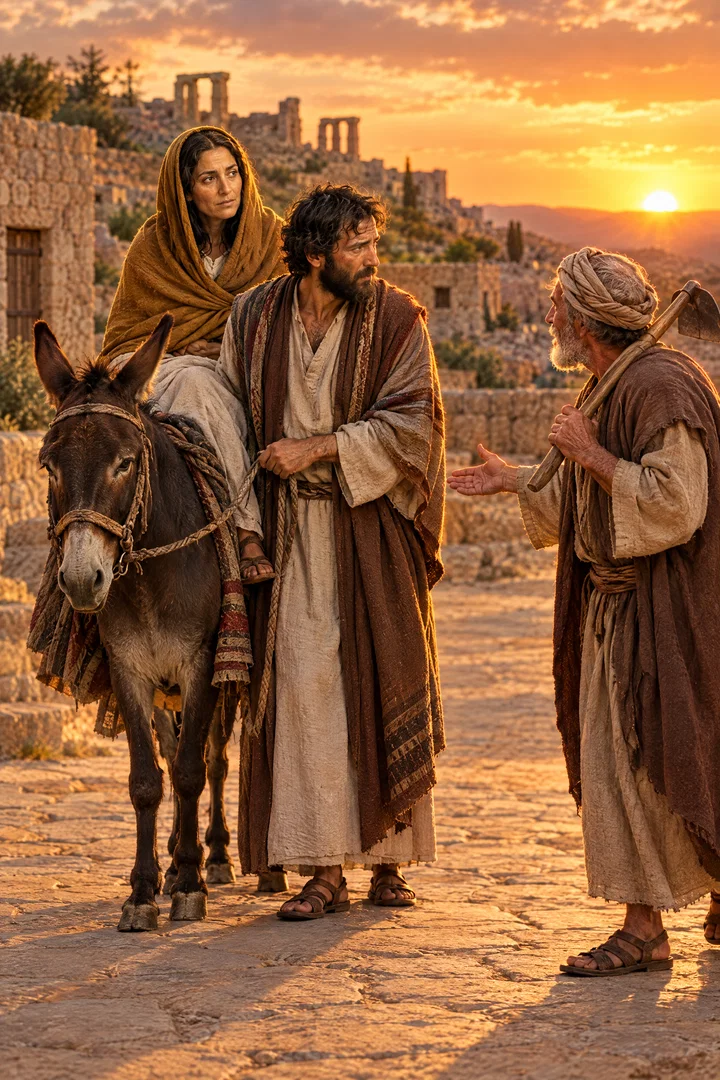
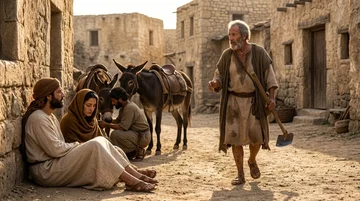
And, behold, there came an old man from his work out of the field at even, which was also of mount Ephraim; and he sojourned in Gibeah: but the men of the place were Benjamites.
Translations
American King James Version, King James Version
And, behold, there came an old man from his work out of the field at even, which was also of mount Ephraim; and he sojourned in Gibeah: but the men of the place were Benjamites.
And behold, there came an old man from his work out of the field at even, which was also of mount Ephraim; and he sojourned in Gibeah: but the men of the place were Benjamites.
And, behold, there came an old man from his work out of the field at evening, who was also of mount Ephraim; and he dwelt in Gibeah: but the men of the place were Benjaminites.
And, behold, there came an old man from his work out of the field at even; now the man was of the hill country of Ephraim, and he sojourned in Gibeah: but the men of the place were Benjamites.
And, behold, there came an old man from his work out of the field at even: now the man was of the hill-country of Ephraim, and he sojourned in Gibeah; but the men of the place were Benjamites.
And lo, a man, an aged one, hath come from his work from the field in the evening, and the man [is] of the hill-country of Ephraim, and he [is] a sojourner in Gibeah, and the men of the place [are] Benjamites.
And behold, there came an old man from his work out of the field at even; and the man was of mount Ephraim, and he sojourned in Gibeah; but the men of the place were Benjaminites.
But lo! an old man, coming in from his work, out of the field, in the evening, and, the man, was from the hill country of Ephraim, he himself, being a sojourner in Gibeah,—but, the men of the place, were Benjamites.
Berean Standard Bible, Majority Standard Bible
That evening an old man from the hill country of Ephraim, who was residing in Gibeah ( the men of that place were Benjamites), came in from his work in the field.
Behold, an old man came from his work out of the field at evening. Now the man was from the hill country of Ephraim, and he lived in Gibeah; but the men of the place were Benjamites.
Now when it was evening they saw an old man coming back from his work in the fields; he was from the hill-country of Ephraim and was living in Gibeah: but the men of the place were Benjamites.
And beholde, there came an old man from his work out of the field at euen, and the man was of mount Ephraim, but dwelt in Gibeah: and the men of the place were the children of Iemini.
Douay-Rheims (Challoner revision)
And behold they saw an old man, returning out of the field and from his work in the evening, and he also was of mount Ephraim, and dwelt as a stranger in Gabaa; but the men of that country were the children of Jemini.
Pictures
Commentary
Each commentary is drawn from primary sources: the writings of Ellen G. White and Adventist pioneers and periodicals. Each commentary is separate. Its own words are not a quotation; follow the references to read the source passages.
Pioneers and periodicals
3 sources
The scene is set at evening in Gibeah, where an old man from Mount Ephraim comes in from his work in the field and is dwelling there only for a time, while the men of the place itself are Benjamites.RH Mar 16, 1916 Evening here means near sunset but not always exactly at sunset, and it is distinct from the precise moment of sunset which shifts with the seasons, for the travelers come to Gibeah as the sun is going down and afterward the old man comes from the field at evening.RH Jun 2, 1851 The verse stands in chapters 17-21, which record events from the early part of the history of the judges yet are placed out of chronological order after chapter 16, where the main story of the book ends.
It belongs to the time when Israel had no king and everyone did what was right in his own eyes, whose lesson is that evil follows such a course.RH Mar 16, 1916ST Jun 1, 1904 Chapters 18 and 19 show gross immorality prevailing in that condition, when conscience and human reason without divine revelation were perverted and selfishness made wrong appear right.ST Jun 1, 1904 It belongs to the record of Israel's backsliding and the disgrace and punishment that followed, specifically the account of the crime at Gibeah connected with the tribe of Benjamin.
The chapter exposes people putting customary hospitality above a woman's virtue and tribal loyalty above justice, yet neither custom nor loyalty excuses sin. Its record of backsliding gives no permission to sin without punishment.
Sources