Luke 2:18
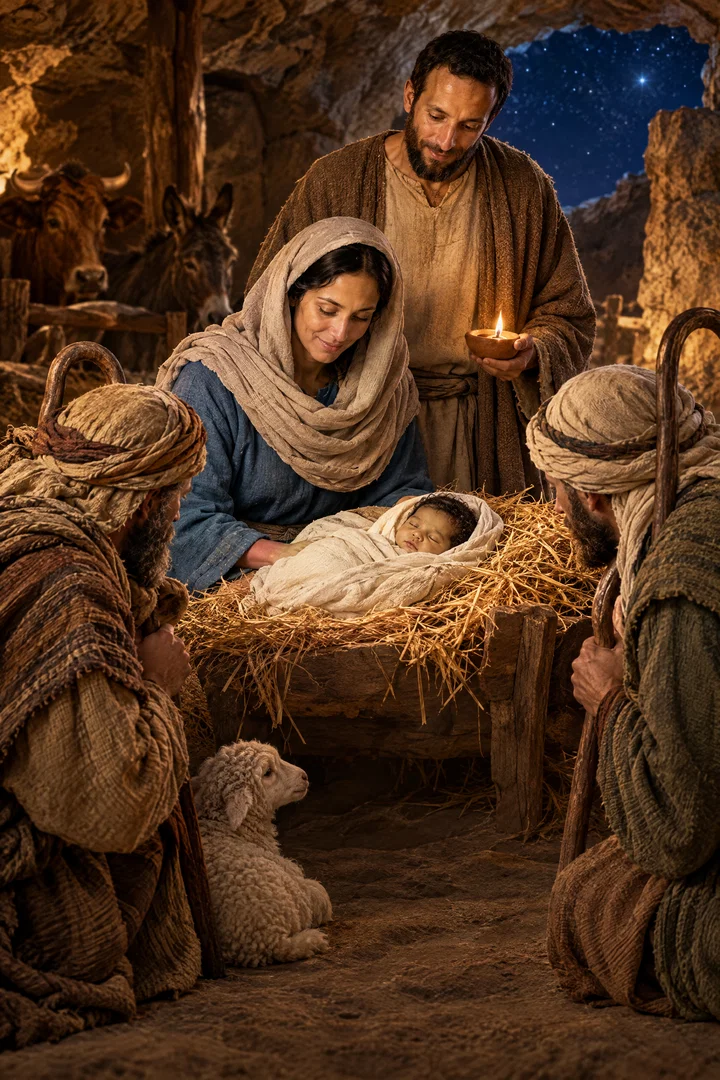
And all they that heard it wondered at those things which were told them by the shepherds.
Translations
American King James Version, King James Version, KJV Cambridge Paragraph Bible
And all they that heard it wondered at those things which were told them by the shepherds.
And all they that heard it, wondered at those things which were told them by the shepherds.
Revised Version, American Standard Version
And all that heard it wondered at the things which were spoken unto them by the shepherds.
And all who heard, did wonder concerning the things spoken by the shepherds unto them;
And all who heard [ it] wondered at the things said to them by the shepherds.
And, all who heard, marvelled concerning the things which had been told by the shepherds unto them;
Berean Standard Bible, Majority Standard Bible
And all who heard it were amazed at what the shepherds said to them.
All who heard it wondered at the things which were spoken to them by the shepherds.
And all those to whose ears it came were full of wonder at the things said by the keepers of the sheep.
And all that heard it, wondred at ye things which were tolde them of the shepheards.
Douay-Rheims (Challoner revision)
And all that heard, wondered; and at those things that were told them by the shepherds.
Pictures
Cross-references
- Luke 2:10-14
And the angel said unto them, Fear not: for, behold, I bring you good tidings of great joy, which shall be to all people.
The shepherds wondered at the angelic tidings and praise announcing Jesus’ birth.
- Luke 2:13-14
And suddenly there was with the angel a multitude of the heavenly host praising God, and saying,
The shepherds report the angelic host’s song, which their hearers receive with wonder.
- Luke 2:8
And there were in the same country shepherds abiding in the field, keeping watch over their flock by night.
Shepherds were keeping watch over their flock by night.
- Luke 2:10
And the angel said unto them, Fear not: for, behold, I bring you good tidings of great joy, which shall be to all people.
The shepherds spread the angel’s announcement of great joy.
- Micah 5:2
But thou, Beth-lehem Ephratah, though thou be little among the thousands of Judah, yet out of thee shall he come forth unto me that is to be ruler in Israel; whose goings forth have been from of old, from everlasting.
It foretells Bethlehem as the birthplace where the shepherds find Jesus.
- Luke 2:7
And she brought forth her firstborn son, and wrapped him in swaddling clothes, and laid him in a manger; because there was no room for them in the inn.
The lack of room leads to Jesus’ humble birth setting.
- Luke 2:1-5
And it came to pass in those days, that there went out a decree from Cæsar Augustus, that all the world should be taxed.
The census places Mary and Joseph’s journey to Bethlehem before Jesus’ birth.
Commentary
Each commentary is drawn from primary sources: the writings of Ellen G. White and Adventist pioneers and periodicals. Each commentary is separate. Its own words are not a quotation; follow the references to read the source passages.
Ellen G. White
11 sources
The verse describes what took place at Bethlehem after the angels disappeared, the light faded, and the darkness of night fell again on the hills, while the memory of what had been seen remained.DA 48.2–3 The announcement came to good and lowly keepers of flocks on the hills and plains around Bethlehem who talked together about the promised Saviour, prayed earnestly for His coming, and were longing to behold the Unseen.COS 11.5–13.4DA 43.2–44.1 God did not send this revelation to the priests, teachers, rulers, and people of Jerusalem and Israel, though they knew the Saviour was soon to come and Israel had been preserved as a witness that Christ would be born of the seed of Abraham and of David's line.COS 11.5–13.4DA 43.2–44.1
Those leaders were unprepared because they expected a mighty and temporal king who would make them rich and great, were too proud to receive the Messiah as a helpless child, and were indifferent, selfish, and engrossed with the world, untouched by the joy that thrilled heaven.COS 11.5–13.4DA 43.2–44.1 This was despite the light of prophecy, the announcement to Zacharias, the birth of the forerunner with miracle and prophecy, and the daily morning and evening temple sacrifices pointing to the Lamb of God.DA 43.2–44.1 Their delusive hope for a temporal prince with misapplication of Scripture left them misunderstanding His mission.17MR 13.1–14.2 The angel had announced that a Saviour, Christ the Lord, was born in the city of David and would be found as a babe wrapped in swaddling clothes and lying in a manger, while angel messengers veiled their glory and the heavenly chorus rang over the hills of Bethlehem with hosannas to the newborn King.COS 11.5–13.417MR 13.1–14.2
The shepherds hurried with great joy to Bethlehem to find and worship Him, and found Mary and Joseph and the infant Redeemer lying in a manger wrapped in swaddling clothes exactly as the celestial messengers had testified, and they believed Him and received Him.DA 48.2–3COS 11.5–13.4RH Dec 17, 1872Ms 147, 1906, par. 7–817MR 13.1–14.2 Filled with joy, aglow with the glad tidings, and with indelible impressions, amazement, love, and gratitude for God's great condescension in sending His Son, they departed and spread everywhere what had been told them concerning the child.DA 48.2–3COS 11.5–13.4RH Dec 17, 1872Ms 147, 1906, par. 7–8 They made known abroad the sign they had seen, the message concerning the newborn Saviour, the wondrous glory they had seen, and the celestial praises they had heard from the heavenly host.2SP 17.4–19.2RH Dec 17, 1872 All who heard the shepherds' report of what they had seen and heard wondered and were amazed at it.2SP 17.4–19.2DA 48.2–3COS 11.5–13.4RH Dec 17, 1872Ms 147, 1906, par. 7–8
Their report reached Jerusalem and drew attention, but the priests and rabbis dismissed it rather than investigate, and pride led them to reject it and helped close their hearts to Christ.ST Dec 5, 1916 So the very ones who ought to have been first to welcome Jesus did not discern Him because He was not the one their ambitious hopes desired, and by continuing in the false path they became unteachable, self-righteous, and self-sufficient while fancying they possessed true light and were the only safe instructors of the people.17MR 13.1–14.2 Christ's birth fulfilled the prophecies of His coming as the Messiah just as prophecy had declared He would come, with divinity clothed with humanity and majesty and lowliness combined as an infant of days of poor parentage.Ms 147, 1906, par. 7–817MR 13.1–14.2 The shepherds of Bethlehem received and shared the light God gave them and are an example of people to whom God revealed truth because they heeded the light they had received.GC88 316.1
God revealed Christ to them on the plains of Bethlehem in a different way than He did to the Magi but in a way suited to them, showing that in every place God works in the manner by which He can best reach the people.3MR 362.1 Unlike the wise men, the shepherds had been told beforehand about the lowly estate of Jesus, while the wise men had received no such intimation and came expecting royalty.DA 63.1 The wise men were disappointed by the indifference of the Jewish leaders and left Jerusalem less confident than when they entered.DA 63.1 At Bethlehem they found no royal guard to protect the newborn King and none of the world's honored men in attendance, but Jesus cradled in a manger with only His uneducated peasant parents as guardians.DA 63.1
Sources
Pioneers and periodicals
33 sources
After the angels announced his birth and the shepherds found the infant in the manger in Bethlehem exactly as told, they made the saying about the child known abroad to the multitudes in the city, and all who heard their report wondered at it with amazement.ST May 27, 1908RH Dec 17, 1872ST Dec 5, 1895ST Dec 10, 1902ST Dec 5, 1895 That public wondering was distinct from Mary keeping the sayings and pondering them in her heart and from the shepherds themselves returning glorifying and praising God for all they had heard and seen.ST Dec 10, 1902ST Jan 22, 1894 The birth and its heralding fulfilled the long-promised Scriptures about the Messiah and, joined with the testimony of angels and of men, established the fact and time of his advent so it could not be kept unheralded.ST Dec 12, 1895RH Aug 17, 1876RH Dec 2, 1909ST Dec 5, 1895 Humble, trusting shepherds were willing to receive and believe the news, while the proud priests, rulers and learned majority were unprepared, felt no need of it, and dismissed the report because he came too humbly.ST Dec 5, 1916ST Mar 26, 1912ST Dec 24, 1902RH Jun 8, 1869RH May 13, 1915 Because the angels' announcement of his first coming proved exactly true, their promise that the same Jesus will come again in like manner is certain, and remembering the gift should move to lasting gratitude and watchfulness rather than to selfish feasting or to honoring the day.ST Jan 5, 1882ST Feb 3, 1898ST Dec 24, 1896ST Dec 15, 1909
Shepherds' Report and Wonder
After the angels' announcement the shepherds found the babe in Bethlehem and did not keep the news to themselves but made known abroad the saying told them concerning the child, and all who heard what the shepherds told them wondered at it with amazement.ST May 27, 1908ST Dec 5, 1895ST Dec 10, 1902RH Dec 2, 1909ST Jan 22, 1894 The wondering was the effect produced by that public testimony about the newborn Saviour and the angels, a response of those who heard the shepherds' account of what had been spoken to them about the child.ST May 27, 1908ST Dec 5, 1895ST Dec 10, 1902ST Mar 17, 1909ST Jan 22, 1894 It belongs to Luke's account of the angelic vision to the shepherds and their worship of the child.ST Mar 17, 1909ST Jan 22, 1894
They had found the infant Redeemer wrapped in swaddling clothes and lying in a manger exactly as the celestial messengers had testified.RH Dec 17, 1872 Filled with joy and aglow with the glad tidings, with indelible impressions from what had just transpired and with amazement, love, and gratitude for the great condescension of God in sending His Son into the world, they spread everywhere the wondrous glory they had seen and the celestial praises they had heard from the heavenly host.RH Dec 17, 1872 They told the joyful tidings immediately to the multitudes assembled in the city and related all they had heard and seen, so the report would be carried to various parts of the land.RH Dec 17, 1872ST Dec 5, 1895
The wondering of all who heard was the public response to the shepherds' testimony, distinct from Mary keeping all the sayings and pondering them in her heart.ST Dec 10, 1902ST Jan 22, 1894 It was distinct also from the shepherds themselves returning glorifying and praising God for all they had heard and seen even as it was spoken to them.ST Dec 10, 1902ST Jan 22, 1894
The verse belongs to the birth of Jesus in Bethlehem during the census, where He lay in a lowly manger with angels attending the scene.RH Dec 17, 1872RH Dec 2, 1909RH Jan 4, 1912ST Mar 12, 1912RH Feb 6, 1879 The inn was full, so the humble couple went unrecognized, which emphasizes how people occupied with ordinary affairs could miss the significance of His birth.RH Jan 4, 1912 His humble birth and suffering bring heaven's blessing and new life, received through faith.ST Mar 12, 1912 The shepherds greeted Jesus on the night He was born, an event distinct from and weeks earlier than the visit of the wise men from the east, who came several weeks later and whose gifts came sometime in the following month.ST Dec 20, 1910ST Dec 20, 1910ST May 15, 1907ST Jan 24, 1906 Their response at His birth was adoration and worship, and the sayings and events surrounding His birth were later told to Him by Mary while the Spirit also taught Him more.ST Dec 20, 1910RH May 14, 1914
Prophecy and Doctrinal Witness
The birth at Bethlehem and the spreading abroad of its news mark the fulfilment of the Old Testament gospel promises about the birth of the world's Redeemer, long promised in Scripture and eagerly awaited by faithful Israel.ST Dec 12, 1895RH Aug 17, 1876RH Dec 2, 1909 It belongs with the time of the advent as outlined in prophecy, the condition of the world at his coming, and the work he was to accomplish, after the angels' announcement and the heavenly chorus and the adoration of the shepherds when those who heard the shepherds' report wondered at it.ST Dec 12, 1895 The same birth account records Simeon and Anna testifying that Jesus is the Messiah.
The shepherds immediately spread the joyful news to the multitudes assembled in the city and related all they had heard and seen, so that the report would be carried to various parts of the land.ST Dec 5, 1895 This public heralding, joined with the testimony of angels and of men including the wise men from the east led by his star, established the fact and time of his advent according to prophecy.ST Dec 5, 1895 By that open proclamation evil men instigated by Satan were prevented from gaining the advantage of keeping the advent of the infant Saviour unheralded while seeking to destroy him.ST Dec 5, 1895
The announcement of Jesus' first coming to the shepherds in Luke 2:8-18 was made without mistake and proved exactly true.ST Feb 3, 1898 That exact fulfilment proves that angelic testimony is to be relied on and can be trusted.ST Feb 3, 1898 Therefore their promise that the same Jesus will come again in like manner is certain and of vital importance.ST Feb 3, 1898
Angels are real heavenly beings who act under God's direction rather than mere influences or impulses, as shown among the interventions in human affairs in Luke 2.RH Apr 10, 1913 Luke 2 is a communication of comfort through the gospel, in contrast to the law's declaration of condemnation and despair.RH Apr 30, 1867 Its setting is the grace of Christ becoming man with the angels' song of praise, and it is not to be reduced to the lesson that people ought to spread the news.RH Apr 30, 1867ST Jan 5, 1882
The shepherds became God's messengers with an exalted message, having no doubt about the announcement of a Saviour who is Christ the Lord bringing great joy to all peoples and glory to God with peace among men in whom he is well pleased, a message still for all peoples today.ST Dec 24, 1902 They went to Bethlehem not to test whether the message was true but to see what the Lord had made known to them, and those who heard their report wondered at it.ST Dec 24, 1902 Their report is a tumult of joy over the wonderful birth in the manger of Bethlehem, because the virgin mother's baby is Lord of the earth, Saviour and King, announced by a star in the sky and by song from the heavenly throng, a light and evangel sweeping over the world and down through the night to set every hearth aflame to rejoice, echo the song, and greet him in his cradle as Saviour and King.ST Dec 24, 1902ST Dec 15, 1909
Reception and Present Application
The announcement was received and believed only by humble, trusting shepherds, whose care for needy flocks and helpless lambs had taught them trust, while the Jewish people as a whole were unprepared and were not studying the prophecies of the Messiah's birth.ST Mar 26, 1912ST Dec 24, 1902 God chose these humble witnesses, whom the Jews regarded as ignorant, to tell the world that the Redeemer had come.ST Dec 24, 1902RH May 13, 1915 Proud Pharisees, priests, lawyers, scribes, rulers and nobles felt no need of the gospel and could not receive it, because the Son of God came too humbly and without consulting them on the way, place, or manner of His coming.ST Dec 24, 1902
At the first advent truth was not with the learned ruling majority of priests, doctors, lawyers, scribes, nobles and the entire church, but with a small minority that included the shepherds watching their flocks by night.RH Jun 8, 1869 The wonder of all who heard their report shows a few of the common people receiving Him gladly, while the proud majority that could bear rule rejected Him, cried for His crucifixion, and became a Christless people.RH Jun 8, 1869 Their report of the angels' message reached Jerusalem and drew attention, but the priests and rabbis dismissed it rather than investigate, and their pride helped close their hearts to Christ.ST Dec 5, 1916
The verse is not to be reduced to the lesson that people ought to spread the news, for its setting belongs to the grace of Christ becoming man and the angels' song of praise.ST Jan 5, 1882 Remembering His birth as a gift of infinite value and eternal duration should not be confined to one day but should move people to lasting gratitude to Jesus in word and deed, including service to others.ST Dec 24, 1896 The watchfulness of the shepherds, who came to Bethlehem after a heavenly sign led them to the manger, is an example of how God's watchmen should recognize the signs of the time and be ready for the Lord's coming.
The shepherds' response of adoration and worship, together with God's giving of His eternal Gift, are the only gifts directly belonging to the birth event.ST Dec 20, 1910 They have nothing to do with the selfish sending and giving of gifts to one another with feasting and revels, which came from the old heathen Saturnalia, while the gifts of the wise men came sometime in the following month.ST Dec 20, 1910 The sight of the lowly manger belongs to the picture of Christ whose humble birth and suffering bring heaven's blessing and new life received through faith.ST Mar 12, 1912 There humble shepherds and crowned sages gather at the cradle of Jesus, their common King, showing that social rank is a faint and temporary distinction and that people of every station share equal worth before Him.RH Dec 11, 1856
The verse does not establish December 25 as the date of the nativity, for uncertain tradition placed the angels' visit on that date on which in all probability the birth did not occur.ST Dec 15, 1909ST Oct 16, 1884 The glory and the shining heavenly visitants came to the shepherds unexpectedly, for they would have said such messengers would come to the priests and scribes.ST Dec 15, 1909 The devil worked shrewdly when he joined this great revelation of the gospel to the old pagan Saturnalian feast with its gluttony and licentiousness, its selfish giving of gifts, and its abominable idolatries whose nature-worship customs still persist.ST Dec 15, 1909 God wishes the event honored, not the day, as the great fact and soul-saving truth.ST Dec 15, 1909
The verse shows Jesus Christ, the Redeemer of Israel and the greatest missionary ever sent, beginning His missionary work while still a helpless babe in the manger by drawing the shepherds from the plains of Bethlehem to Himself, so that their report caused wonder and brought joy to Joseph and Mary.RH Oct 3, 1907 That drawing stands together with the drawing of the philosophers from the east and the joy brought to Simeon and Anna in the temple.RH Oct 3, 1907 It belongs also to the account of the birth during the census when the inn was full, so the humble couple went unrecognized and the Messiah was born without a place among the town's important guests, emphasizing how people occupied with ordinary affairs could miss the significance of His birth.RH Jan 4, 1912
Sources