Malachi 2:13
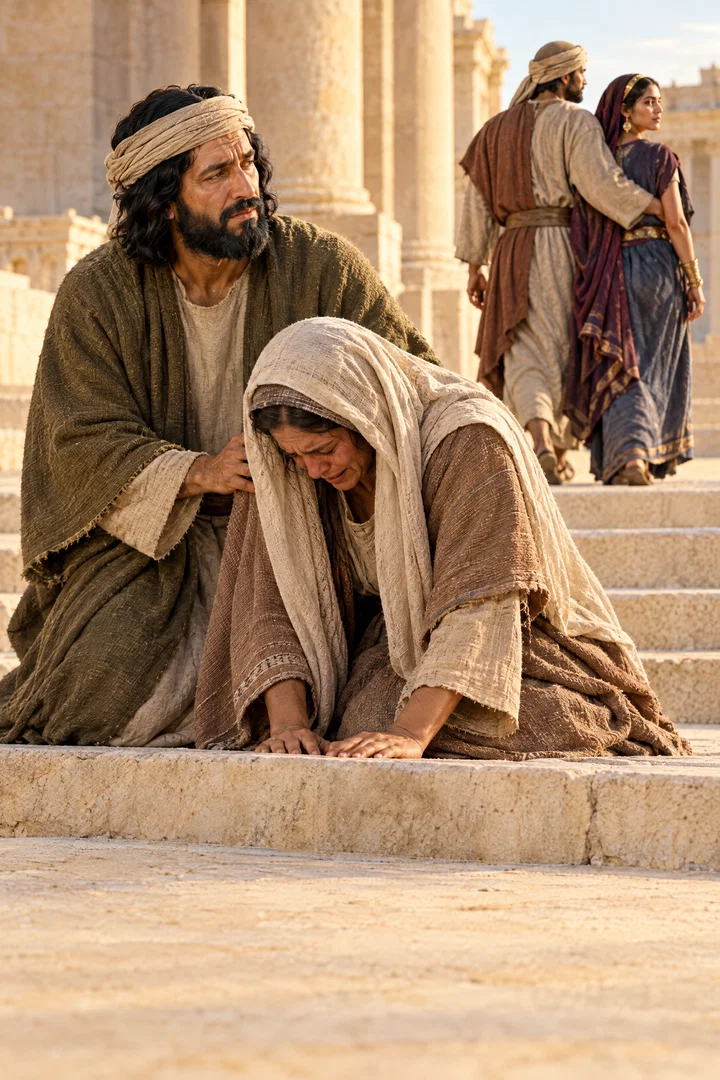
And this have ye done again, covering the altar of the LORD with tears, with weeping, and with crying out, insomuch that he regardeth not the offering any more, or receiveth it with good will at your hand.
Translations
And this have you done again, covering the altar of the LORD with tears, with weeping, and with crying out, so that he regards not the offering any more, or receives it with good will at your hand.
King James Version, Webster Bible
And this have ye done again, covering the altar of the LORD with tears, with weeping, and with crying out, insomuch that he regardeth not the offering any more, or receiveth it with good will at your hand.
And this have ye done again,
Covering the altar of the Lord with tears, with weeping, and with crying out,
Insomuch that he regardeth not the offering any more,
Or receiveth it with good will at your hand.And this again ye do: ye cover the altar of the LORD with tears, with weeping, and with sighing, insomuch that he regardeth not the offering any more, neither receiveth it with good will at your hand.
And this again ye do: ye cover the altar of Jehovah with tears, with weeping, and with sighing, insomuch that he regardeth not the offering any more, neither receiveth it with good will at your hand.
And this a second time ye do, Covering with tears the altar of Jehovah, With weeping and groaning, Because there is no more turning unto the present, Or receiving of a pleasing thing from your hand.
And further ye do this: ye cover the altar of Jehovah with tears, with weeping, and with sighing, insomuch that he regardeth not the oblation any more, nor receiveth [ it] with satisfaction at your hand.
And, this, a second time, will ye do, covering with tears, the altar of Yahweh, weeping and making outcry,—because he will not again turn unto the gift, and receive [it] with acceptance, at your hands?
Berean Standard Bible, Majority Standard Bible
And this is another thing you do: You cover the altar of the LORD with tears, with weeping and groaning, because He no longer regards your offerings or receives them gladly from your hands.
“ This again you do: you cover the LORD’s altar with tears, with weeping, and with sighing, because he doesn’t regard the offering any more, neither receives it with good will at your hand.
And this again you do: covering the altar of the Lord with weeping and with grief, so that he gives no more thought to the offering, and does not take it with pleasure from your hand.
And this haue ye done againe, and couered the altar of the Lord with teares, with weeping and with mourning: because the offering is no more regarded, neither receiued acceptably at your handes.
Douay-Rheims (Challoner revision)
And this again have you done, you have covered the altar of the Lord with tears, with weeping, and bellowing, so that I have no more a regard to sacrifice, neither do I accept any atonement at your hands.
Pictures
Cross-references
- Malachi 3:3-4
And he shall sit as a refiner and purifier of silver: and he shall purify the sons of Levi, and purge them as gold and silver, that they may offer unto the LORD an offering in righteousness.
Purified Levites offer offerings in righteousness that are acceptable to the LORD.
Commentary
Each commentary is drawn from primary sources: the writings of Ellen G. White and Adventist pioneers and periodicals. Each commentary is separate. Its own words are not a quotation; follow the references to read the source passages.
Ellen G. White
3 sources
Weeping and crying out and covering the altar with tears do not make an offering acceptable when the covenant has been profaned and wrongdoing is persisted in.Ms 26, 1896, par. 10 In that state He no longer regards the offering any more.Ms 26, 1896, par. 10 He does not receive it with good will at the hand that brings it.Ms 26, 1896, par. 10
Covering His altar with tears and complaints displeases Him.9T 136.26MR 239.2–240.1 The verse applies to becoming distressed because another person is not seen to be converted.9T 136.2 Instead of trying to arrange everything according to personal ideas, one is to trust God to work, let Him work, and give thanks for the good already present.9T 136.2 It applies also to complaining when events do not follow personal wishes.6MR 239.2–240.1 Instead of trying to control the work, believers are to trust God to direct it and be thankful for the blessings received.6MR 239.2–240.1
Sources
Pioneers and periodicals
7 sources
The book stands as My Messenger, closing the canon of the Old Testament, written about 400 B.C. or a little later, though possibly as early as 450 B.C. as contemporary with Nehemiah at the very last of his sojourn at Jerusalem.ST Aug 29, 1911 It belongs to God's rebuke to the priests for wearying Him when they fail to give glory to His name and corrupt His covenant, condemning the degeneracy of the priesthood and the shortcomings of His people.ST Mar 6, 1901ST Aug 29, 1911 It records another deed done besides dealing treacherously against a brother and profaning the holiness of the Lord by marrying the daughter of a strange god, that they fill the altar with tears and weeping and sighing so He no longer looks on the offering nor accepts it with favor.ST Mar 6, 1901 This weeping belongs with the Lord being witness between a man and the wife of his youth against whom he has dealt treacherously, with God making one to seek a godly seed, and with His hatred of putting away and of covering the garment with violence.ST Mar 6, 1901
Judah continued in sin while weeping at the altar and bringing offerings, and tears, weeping, and crying out do not make an offering acceptable when the worshipers are unfaithful and act treacherously, so God no longer regards it or receives it with favor.ST Mar 6, 1901 Covering the altar with tears, with weeping, and with crying out is dead formalism in worship, meaning living in looseness of life, darkness of spirit, and corruption of morals, yet going to meeting on the Sabbath and going through the forms of worship, praying and weeping, and counting that outward religion as true godliness.ST Jun 18, 1902 The Lord rebukes that formalism along with the rest of the iniquity and declares that this formalism itself causes Him to reject the offerings, so that He regards the offering no more and does not receive it with good will.ST Jun 18, 1902
Treacherous dealing with a wife hinders prayer and causes God to reject the offering, because the Lord has been witness between a man and the wife of his youth, his companion and covenant wife, against whom he has dealt treacherously.RH May 18, 1916 Even any bitter feeling arising in the heart toward her after sins are pardoned keeps prayers from being heard.RH May 18, 1916 Thinking about divorce without just and wholesome reasons and irrefragable proofs of guilt is selfishness of heart, and the verse commands taking heed to the spirit not to deal treacherously.RH Jul 14, 1874 Those conditions of priestly degeneracy and popular shortcoming point forward to the closing days of the Christian dispensation, when the Lord is about to come the second time and the judgments of the great day of God will separate between the righteous and the wicked.ST Aug 29, 1911
Sources