Mark 4:28
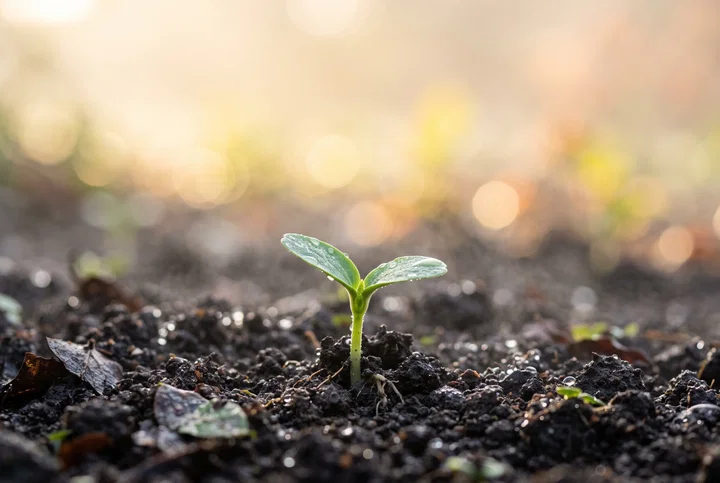
For the earth bringeth forth fruit of herself; first the blade, then the ear, after that the full corn in the ear.
Translations
For the earth brings forth fruit of herself; first the blade, then the ear, after that the full corn in the ear.
King James Version, KJV Cambridge Paragraph Bible
For the earth bringeth forth fruit of herself; first the blade, then the ear, after that the full corn in the ear.
For the earth bringeth forth fruit of itself; first the blade, then the ear, after that the full corn in the ear.
The earth beareth fruit of herself; first the blade, then the ear, then the full corn in the ear.
The earth beareth fruit of herself; first the blade, then the ear, then the full grain in the ear.
for of itself doth the earth bear fruit, first a blade, afterwards an ear, afterwards full corn in the ear;
The earth bears fruit of itself, first [ the] blade, then an ear, then full corn in the ear.
of itself, the earth beareth fruit,—first, a blade, afterwards, an ear, after that, full corn in the ear;
All by itself the earth produces a crop— first the stalk, then the head, then grain that ripens within.
For all by itself the earth produces a crop— first the stalk, then the head, then grain that ripens within.
For the earth bears fruit by itself: first the blade, then the ear, then the full grain in the ear.
The earth gives fruit by herself; first the leaf, then the head, then the full grain.
For the earth bringeth foorth fruite of it selfe, first the blade, then the eares, after that full corne in the eares.
Douay-Rheims (Challoner revision)
For the earth of itself bringeth forth fruit, first the blade, then the ear, afterwards the full corn in the ear.
Pictures

Cross-references 20 of 23
- Isaiah 61:11
For as the earth bringeth forth her bud, and as the garden causeth the things that are sown in it to spring forth; so the Lord GOD will cause righteousness and praise to spring forth before all the nations.
God causes righteousness and praise to spring forth like plants from the earth.
- 1 Corinthians 3:6-7
I have planted, Apollos watered; but God gave the increase.
Workers sow and water, but God gives the increase.
- Matthew 13:31-32
Another parable put he forth unto them, saying, The kingdom of heaven is like to a grain of mustard seed, which a man took, and sowed in his field:
Both parables illustrate the kingdom’s growth from small beginnings.
- John 12:24
Verily, verily, I say unto you, Except a corn of wheat fall into the ground and die, it abideth alone: but if it die, it bringeth forth much fruit.
Both describe a seed giving life through its death.
- Luke 8:11
Now the parable is this: The seed is the word of God.
The seed in the parable is identified as the word of God.
- Matthew 13:3-8
And he spake many things unto them in parables, saying, Behold, a sower went forth to sow;
Both describe seed growing and yielding fruit in good soil.
- John 4:36-38
And he that reapeth receiveth wages, and gathereth fruit unto life eternal: that both he that soweth and he that reapeth may rejoice together.
Sowers and reapers share in gathering the harvest.
- Mark 4:8
And other fell on good ground, and did yield fruit that sprang up and increased; and brought forth, some thirty, and some sixty, and some an hundred.
Good ground yields fruit that springs up and increases.
- Genesis 1:11
And God said, Let the earth bring forth grass, the herb yielding seed, and the fruit tree yielding fruit after his kind, whose seed is in itself, upon the earth: and it was so.
God’s word commands the earth to bring forth vegetation and seed-bearing plants.
- Matthew 13:26-30
But when the blade was sprung up, and brought forth fruit, then appeared the tares also.
Both picture wheat growing until the harvest separates wheat from tares.
- Hosea 14:7
They that dwell under his shadow shall return; they shall revive as the corn, and grow as the vine: the scent thereof shall be as the wine of Lebanon.
Israel’s growth is pictured through grain and vine.
- Matthew 13:23
But he that received seed into the good ground is he that heareth the word, and understandeth it; which also beareth fruit, and bringeth forth, some an hundredfold, some sixty, some thirty.
Good soil receives the word and bears fruit in differing measure.
- Revelation 14:14-16
And I looked, and behold a white cloud, and upon the cloud one sat like unto the Son of man, having on his head a golden crown, and in his hand a sharp sickle.
Both picture the earth’s harvest reaching its appointed fullness.
- Psalms 65:9-11
Thou visitest the earth, and waterest it: thou greatly enrichest it with the river of God, which is full of water: thou preparest them corn, when thou hast so provided for it.
God waters and enriches the earth so crops can grow.
- James 5:7
Be patient therefore, brethren, unto the coming of the Lord. Behold, the husbandman waiteth for the precious fruit of the earth, and hath long patience for it, until he receive the early and latter rain.
Both connect patient growth and harvest with the former and latter rains.
- Isaiah 55:10
For as the rain cometh down, and the snow from heaven, and returneth not thither, but watereth the earth, and maketh it bring forth and bud, that it may give seed to the sower, and bread to the eater:
The earth’s growth produces seed for sowing and bread for eating.
- Mark 4:20
And these are they which are sown on good ground; such as hear the word, and receive it, and bring forth fruit, some thirtyfold, some sixty, and some an hundred.
Good seed grows to maturity and bears fruit.
- 1 Corinthians 15:36-38
Thou fool, that which thou sowest is not quickened, except it die:
Seed grows into its appointed body, illustrating bodily resurrection.
- Matthew 13:39
The enemy that sowed them is the devil; the harvest is the end of the world; and the reapers are the angels.
Identifies the harvest imagery with the end of the age.
- John 15:4-5
Abide in me, and I in you. As the branch cannot bear fruit of itself, except it abide in the vine; no more can ye, except ye abide in me.
Fruitfulness comes through abiding in Christ.
Commentary
Each commentary is drawn from primary sources: the writings of Ellen G. White and Adventist pioneers and periodicals. Each commentary is separate. Its own words are not a quotation; follow the references to read the source passages.
Ellen G. White
87 sources
The earth produces its crop by a gradual, ordered process, first the green blade, then the head of grain, then the ripe grain in the head.ED 104.1–2COL 62.1–3STE 72.1–2 The life that drives that growth is hidden in the seed and given by God alone, so people can prepare, plant, tend and cultivate but cannot make anything live or grow.COL 62.1–3STE 72.1–2CT 140.2ST Nov 30, 1915Ms 26, 1898, par. 9–10 Human work still matters, for God gives sunshine, dew and rain while the worker must sow at the right time and patiently watch, pray and wait for the harvest.COL 62.1–3Lt 130, 1903, par. 4–51MR 345.1–3Lt 174, 1899, par. 7–9 In the same way Christian character is not made in a moment but grows quietly and continually through successive stages, as the word of God received in the heart springs up into a life that bears fruit for others.Ms 91, 1901, par. 37–38ST Nov 30, 1915ST May 10, 18772SP 243.3–244.1ST Dec 1, 1887 Even childhood has its own appointed beauty, for Jesus Himself grew from helpless infancy to mature wisdom, showing that each stage can be complete while still leading on to greater maturity.ED 106.3STE 74.1COL 65.2COL 82.3CT 140.3–141.2
Gradual Order of Growth
The kingdom grows by a fixed and gradual order, as a planted crop moves from sprout to head to ripe grain.ED 104.1–2COL 62.1–3STE 72.1–2CT 140.2ST Nov 30, 1915 The seed develops in stages that cannot be hurried or reversed, first the green blade, then the ear, and after that the mature grain in the ear.ED 104.1–2COL 62.1–3STE 72.1–2CT 140.2COL 81.2 That advance lies beyond human power to produce, for people can prepare the soil, sow, and tend the field, but only God gives the seed its life and brings it to maturity.COL 62.1–3ST Nov 30, 1915COL 81.2 The stalk reaches ripeness in its proper season under God's law and control because, unlike rebellious people, it does not resist His working.COL 81.2
The ground producing fruit by itself does not mean nature acts on its own, but that the seed unfolds by life and laws imparted by Christ.STE 72.1–2CT 140.26T 185.1–2Ms 115, 1898, par. 26 He gave the seed its life and properties, gives power to soil and seed, and works unseen to make them fruitful, while human skill and labor still have their appointed part.CT 140.26T 185.1–2Ms 115, 1898, par. 26Ms 170, 1899, par. 12–13 In that process the seed gives its own life to the blade and then to the ear, and the ear in turn holds seed for another planting.6T 185.3 This natural development is a living illustration of how truth grows in both the natural and the spiritual world.STE 72.1–2CT 140.2
The seed must be buried in the earth, where it appears thrown away and lost and may remain hidden for a time before it germinates.CT 252.4Ms 91, 1901, par. 37–38ED 105.1DA 622.3–623.3 It springs up by the vitality of God's living power and then grows in a quiet and often imperceptible yet continuous way.CT 252.4Ms 91, 1901, par. 37–38ED 105.1 That growth proceeds beyond the sower's knowledge and control, and where there is life there must be growth or there is no life.ED 104.1–2COL 65.2ED 105.1ST Nov 30, 1915 Christian life follows the same pattern, complete in its way at each stage yet still advancing toward God's fuller purpose.COL 65.2ST Nov 30, 1915
As a crop matures by successive stages, Scripture was not given in one continuous chain of unbroken utterances but piece by piece through successive generations.Ms 24, 1886, par. 4 It came as God in providence saw fitting opportunity to impress people at different times and places through men moved by the Holy Spirit.Ms 24, 1886, par. 4 What is sown does not mean good seed alone, for evil ideas and error planted in the heart also grow by the same staged law.Ms 124, 1901, par. 86MR 277.2–279.217MR 238.3 From a small beginning they keep growing step by step until fully developed and spreading, as when seeds of evil from Satanic, spiritualistic, and demoralizing literature take root in apprentices and all who handle it, demoralizing minds, destroying discernment between truth and error, and causing souls to be lost.Ms 124, 1901, par. 86MR 277.2–279.217MR 238.3
God Alone Gives Life
Only God gives the seed its life and vitality and brings it to maturity through stages from blade to ear to ripe grain.COL 62.1–3ST Nov 30, 1915Ms 26, 1898, par. 9–10COL 63.1–28T 326.4–5 The seed has no power of itself but holds a God-given principle of life, and its growth and the connection between sowing and harvest depend on His power.ST Nov 30, 1915Ms 26, 1898, par. 9–10COL 63.1–2 People can prepare the soil, sow, tend the field, plow, and help promote growth, but they cannot make a living plant grow or supply what makes it spring from hard ground to fruitfulness, and their ability has limits.COL 62.1–3ST Nov 30, 1915CT 124.4COL 63.1–28T 326.4–5
God works through unseen agencies and the properties He put in the soil, bringing the seed to life and to harvest by rain, sunshine, dew, showers, and the air.Lt 130, 1903, par. 4–51MR 345.1–3Ms 26, 1898, par. 9–10Ms 87, 1902, par. 47–50 He gives the seed life and sends sunshine, dew, and rain with sunshine and living water from Himself as the Source of truth, and He brings the grain to maturity in its proper season under His law, control, and supervision because the plant does not resist His working.COL 81.2Lt 130, 1903, par. 4–51MR 345.1–3Ms 87, 1902, par. 47–508T 327.1 The human part is to prepare the ground and plant the seed at the right time and in the right way, while God's part is to give life and cause it to spring up and grow through its stages to harvest, and the same pattern applies to righteousness and cultivation of heart and character through cooperation with Him.Lt 130, 1903, par. 4–51MR 345.1–3Ms 87, 1902, par. 47–50 If the human agent fails to do his part there will be no harvest despite sun, dew, showers, and rain, and though planting is done the seed will never spring up and grow if God withholds sunshine, dew, and rain.Lt 130, 1903, par. 4–51MR 345.1–3
Nature follows God's direction without resisting His work, and this obedience illustrates the Creator's order.COL 81.28T 327.117MR 58.1–59.1 People are made in God's image and given reason and speech, yet they can fail to appreciate His gifts and obey His will, in contrast to grain that matures because it does not resist Him.COL 81.2 The stages of growth therefore teach people to cooperate with God rather than produce disorder.COL 81.217MR 58.1–59.1
The daily provision of harvest through rain, air, and sunshine is God's work through natural agencies, giving the seed life and carrying it from blade to ear to mature grain.DA 367.3ST May 7, 1912 It provides the materials from which people make bread, as they prepare soil, sow, and make bread while recognizing His power behind their work.DA 367.3ST May 7, 1912 This familiar process is a continual miracle like the feeding of the multitude, and it calls for gratitude to God and glory to Him for the food He provides rather than credit to human effort or natural causes alone.DA 367.3ST May 7, 1912
The life is hidden in the seed, and healthy growth depends on nourishment given through God's creative word and provision.Lt 202, 1900, par. 5–611MR 183.1–184.4 Truth sown in the heart and nourished develops first like a blade, then an ear, and finally ripe grain, teaching how God renews the heart and pointing to the resurrection of the body.Lt 202, 1900, par. 5–611MR 183.1–184.4 In the spiritual application the former rain gives life and begins growth, while the latter rain ripens the harvest and represents grace preparing the church for the coming of the Son of Man, and the latter rain cannot bring the seed to perfection unless the early showers have first done their work.HSP 27.4 This growth does not consist in noisy shouting or bodily contortions, but Bible truth refines the taste, sanctifies the judgment, and develops a modest, meek, and lowly character.Lt 202, 1900, par. 5–6
Human Work and Cooperation
Cultivation requires cooperation between the human agent and God, for the crop grows in ordered stages from blade to ear to ripe grain by a life beyond human power to produce.COL 62.1–3Ms 87, 1902, par. 47–50COL 63.1–2 The human part is to prepare the ground and plant the seed at the right time and in the right way, and to sow, tend, and cultivate the field, while God's part is to give the seed life and cause it to spring up and grow by sending sunshine, dew, showers, and rain.COL 62.1–3Lt 130, 1903, par. 4–51MR 345.1–3 If the human fails to do his part there will be no harvest despite sun and rain, and though the planting is done the seed will never spring up and grow if God withholds sun, dew, and rain.Lt 130, 1903, par. 4–51MR 345.1–3 That the earth brings forth fruit of herself does not mean nature acts independently, for God gives power to the soil and seed while human skill and work also have a part, and the same pattern applies to righteousness in the heart where people must cooperate with God as He works to bring spiritual growth to completion.Ms 87, 1902, par. 47–506T 185.1–2
Those who sow truth should work patiently while waiting for signs of life, trusting and waiting in faith and hope while watching and praying, since the seed of truth may take time to show life as a crop develops first the blade, then the ear, and finally the full grain.Lt 174, 1899, par. 7–9 Possessing the Word creates responsibility to impart it, so the work must advance solidly without haste, teaching in the simplest possible way with plain pictures and walking and working in trust.Lt 56, 1903, par. 5 Visible results do not by themselves measure a worker's character, for faithful, diligent labor matters even when the harvest is disappointing, while gradual growth in nature depends on unseen agencies and providence and represents truth sown and cultivated in prepared hearts.Lt 55, 1897, par. 20–25
Both spiritual growth and temporal harvest require proper, intelligent cultivation with reasoning powers and faith in the Word that created the seed and the earth and the fruit of the earth for the service of man.Lt 47a, 1895, par. 12–13 Workers should not be discouraged about temporal things by apparent failures nor disheartened by delay, but should work the soil cheerfully, hopefully, and gratefully, believing the earth holds in her bosom rich stores for the faithful worker to garner, richer than gold or silver, and that with proper cultivation she will yield her treasures for the benefit of man.Lt 47a, 1895, par. 12–13 The school farm's harvest illustrates this gradual process from blade to ear to full grain, as the land yields its produce through God's blessing and the great Sower plants and tends His seed.6T 187.1–2Ms 170, 1899, par. 17–18Ms 115, 1898, par. 28–29 The produce and the daily work of sowing, cultivating, and harvesting are a lesson-book in which sowing and planting, germination, growth in its season, and harvest make spiritual lessons plain and apply them to the needs of the soul and to principles students should learn from daily life.6T 187.1–2Ms 170, 1899, par. 17–18Ms 55, 1898, par. 5–6
The tender blade of truth must be able to reach the surface and grow, so truth must not be planted so deeply through overcomplication that the blade never emerges.GW92 177.3–178.1 Presenting a subject with excessive depth or detail can bury the seed too deeply.GW92 177.3–178.1
Teaching Truth Through Nature
Jesus drew this picture from the farmer's work and the familiar events of everyday life to teach the most sublime truths of the kingdom of God, showing love for the beautiful in nature and making natural life the source of spiritual lessons.CT 140.1CT 261.1Lt 66, 1878, par. 7 He associated natural things with spiritual things and linked nature and the life experience of His hearers with the truths of the written word, so that afterward whenever the eyes rest on those natural objects His lesson is repeated.CT 140.1CT 261.1 Taking the growing seed from daily life to illustrate immortal truth, He gave an illustration simple in form yet of wonderful depth of meaning, so that once heard the truth becomes a living reality because the scenes of nature and the affairs of daily life keep repeating His teaching.CT 140.1CT 261.1
He taught divine truth with simplicity and authority in a plain, direct, clear and distinct manner, making every point clear and not bringing many things at once lest minds be confused, even repeating old and familiar prophetic truths to inculcate ideas.1MR 21.4–22.2 Identifying Himself with human interests, He aroused minds through their most familiar associations and called into activity their most hallowed recollections and sympathies to reach the inner temple of the soul.1MR 21.4–22.213MR 242.1–243.1Ms 25, 1890, par. 11 He broke up the accustomed train of thought as little as possible while weaving a new and transforming economy of truth into experience, taking the springing up of the seed and the harvesting of the grain from the great book of nature as familiar illustrations drawn from objects His hearers knew well, giving vital force and impressiveness to every utterance.1MR 21.4–22.213MR 242.1–243.1Ms 25, 1890, par. 11
By that linking of nature and life experience with the written word, afterward whenever eyes rest on growing grain the lesson is repeated as a living reality.CT 140.1CT 261.11MR 21.4–22.213MR 242.1–243.1Ms 25, 1890, par. 11 Sowing and planting, the seed's germination, growth in its season, and the harvest illustrate principles students should learn from daily life, and this familiar image communicates His truths in simple terms and repeats them until impressed on the mind.CT 140.1CT 261.1Ms 55, 1898, par. 5–6 The scenes of nature and the affairs of daily life thus keep repeating His teaching to all who have once heard, so that looking upon growing grain reminds them of His lesson.CT 261.11MR 21.4–22.213MR 242.1–243.1Ms 25, 1890, par. 11
This wonderful process holds much to learn and understand, and improving the mind to the utmost to study God's ways and works seen in it leads to knowing Him more and more through the eternal ages.CT 252.4 The growth of the seed from first blade to ear to ripe grain teaches the mysteries of God's kingdom, reveals God at work in nature, and represents truths about the kingdom of heaven.6T 185.1–2Ms 115, 1898, par. 268T 326.2Ms 170, 1899, par. 12–13 The earth bringing forth fruit does not mean nature acts independently, for God gives power to soil and seed and works unseen while human skill and labor cooperate, and the daily work of sowing, cultivating and harvesting makes the lesson plain.6T 185.1–2Ms 115, 1898, par. 26Ms 170, 1899, par. 12–13
Growing Christian Character Gradually
Sanctification is not instantaneous but gradual, continual growth through successive stages toward mature, perfect Christian character.ST May 10, 18772SP 243.3–244.1ST Dec 1, 1887Ms 39, 1886, par. 5 As the plant develops from blade to ear to ripe grain, truth rooted in the heart bears fruit through divine grace, with the Spirit's sanctifying influence leading toward righteousness and readiness for harvest.ST May 10, 18772SP 243.3–244.1ST Dec 1, 1887 This growth requires a lifetime of daily practice and learning in daily duties, with always more to learn and higher attainment to reach, and the soul is gathered only when its fruit is ripe and the life-work is complete.ST May 10, 18772SP 243.3–244.1ST Dec 1, 1887 There is no point in the Christian life when learning and growth are finished, so a soul must keep growing or decline, for progression and not stagnation is the law of heaven over every faculty of mind and body.ST Dec 1, 1887Ms 46, 1903, par. 10–11 Those who repent instead of becoming discouraged and giving up remain as good seed in good ground, resisting a wily foe constantly seeking to draw them away, advancing by learning duty and walking in obedience to God's holy will.Ms 39, 1886, par. 5
Christian character may be complete at each stage while still advancing toward God's purpose.COL 65.2ST Nov 30, 1915 Growth is quiet and gradual but continuous, and where there is life there must be growth, for a living plant must grow or die.COL 65.2ST Nov 30, 1915 As opportunities and privileges increase, experience and knowledge grow, strength to bear responsibility develops, and maturity corresponds to what is received.COL 65.2Ms 46, 1903, par. 10–11 The spiritual life as well as the physical life must grow step by step, ever receiving and imparting, ever gaining a more complete knowledge of Christ and daily coming nearer to the measure of His full stature.Ms 46, 1903, par. 10–11 The Christian begins as a babe and becomes a child, and must constantly advance in proportion to opportunities and privileges, doing his best even in the infancy of spiritual understanding, realizing that Christ cooperates with him, refusing self-exaltation and counting all else loss for the excellency of knowing Christ.Ms 46, 1903, par. 10–11
Growth does not come by anxious effort, for the seed does not bring itself to maturity by striving but unfolds in stages from blade to ear to ripe grain through life and power God provides.SC 67.3 People cannot secure spiritual growth by their own striving but receive it through Christ, who sustains life as nourishment and light sustain plants.SC 67.3 As the believer humbly rests on Christ and receives the Holy Spirit's influence through unseen and supernatural agency, fruit comes forth unto eternal life.ST Apr 3, 1893 This growth proceeds silently and often imperceptibly rather than consisting in noisy shouting or bodily contortions.Lt 202, 1900, par. 5–6ST Nov 30, 1915 Bible truth received into the heart and nourished instead refines the taste, sanctifies the judgment, and develops a modest, meek, and lowly character, with the life hidden in the seed and healthy growth depending on nourishment.Lt 202, 1900, par. 5–6
The Word of God is the living, germinating seed sown in the mind and heart.7MR 226.2Ms 103, 1901, par. 9 After it has been carefully and prayerfully received, it must be given diligent care, cherished and practiced in the daily life, springing up and bearing fruit first the blade, then the ear, and then the full corn in the ear.ST Dec 1, 18877MR 226.2Ms 103, 1901, par. 9 Though the seed appears to be discarded when buried, it germinates, and God's living power gives it life and vitality.Ms 91, 1901, par. 37–38 This advancement comes through sharing the divine nature, beginning with being born again of imperishable seed.Ms 91, 1901, par. 37–38 The stages illustrate character being formed after Christ's pattern, with Christ's presence becoming visible in fruits and good works, and the life and character revealing the nature and measure of the seed sown.Ms 91, 1901, par. 37–38ST May 10, 1877
The harvest God seeks is Christ's character reproduced in followers, and through them reproduced in others.ST Nov 30, 1915ED 106.2 Like grain grown to provide seed for sowing and bread for the hungry, lives are to provide spiritual nourishment and seed for future growth, for the Christian is not to live for self but to represent Christ and serve others.ST Nov 30, 1915ED 106.2COL 67.1–2 When Christ lives in a person, His character brings forth the fruits of the Spirit in differing measure, thirty, sixty, or a hundredfold.COL 61.3 This constant, gentle work of truth toward perfection of human character moves steadily forward and is carried forward by firm, divine, supernatural agency rather than human power.Lt 6b, 1890, par. 20 It proves whether religion is truly growing or self is so predominant that the Lord cannot work with human efforts.Lt 6b, 1890, par. 20
The seed must be hidden in the ground and appear lost before growth to harvest can occur.DA 622.3–623.3 This illustrates how Christ's death would bring life and a multiplied harvest for God's kingdom, the redeemed multitude from every nation, kindred, tongue, and people, who will live through the ages.DA 622.3–623.3 The stages of earthly growth likewise teach how God renews the heart and point to the resurrection of the body, while human beings plant but God gives the seed life and growth through His creative word and provision.11MR 183.1–184.4
Childhood Growth in Stages
The blade is childhood, and like every stage of growth it has a beauty, freshness, simplicity and grace of its own.STE 74.1COL 83.1–3ED 107.2ST Nov 30, 1915CT 141.3–142.1 Children are therefore to be allowed to remain childlike and to keep the freshness and grace of their early years, growing through the duties, pleasures and experiences suited to their years.STE 74.1COL 83.1–3ED 107.2ST Nov 30, 1915CT 141.3–142.1 They are not to be hurried or pushed into maturity before their time nor into precocious maturity.STE 74.1COL 82.3COL 83.1–3ED 107.2ST Nov 30, 1915
Even He who was the Majesty of heaven and King of glory followed this divine order, becoming a babe in Bethlehem and a helpless infant in His mother's care.ED 106.3COL 82.3CT 140.3–141.2 As a child He spoke and acted with a child's wisdom and not as a man, honoring His parents and carrying out their wishes in helpful ways according to the ability of a child.ED 106.3COL 82.3CT 140.3–141.2 He continually grew in grace and knowledge of truth, and at each stage of His development He was perfect with the simple, natural grace of a sinless life.ED 106.3COL 82.3CT 140.3–141.2
Parents and teachers are to cultivate the tendencies of youth so that at each stage of life they represent the natural beauty appropriate to that period, unfolding naturally as plants and flowers in a garden.ED 105.1CT 140.3–141.2STE 73.1 Their part is to prepare the heart and faithfully sow and tend the seeds of truth through patient effort, while God gives life to what is sown and brings it to maturity.ST Sep 25, 1901ED 105.1CT 140.3–141.2Ms 49, 1901, par. 9 Good traits and truth carefully tended in a child's heart develop progressively rather than appearing naturally, and the seed may remain hidden for a time before it springs up into quiet, often imperceptible but continuous growth of character that they cannot understand or control but must trust God to harvest.ST Sep 25, 1901ED 105.1Ms 49, 1901, par. 9
The farmer can plow and sow but cannot make the seed grow, for God supplies the life and power that bring it from the hard ground to fruitfulness through blade, then ear, then full grain.CT 124.48T 326.4–5STE 74.2–75.1 That natural growth teaches children that growth in grace also depends on God's power and care, which no human effort can supply.CT 124.48T 326.4–5 In this way the plant illustrates growth in grace and teaches about the Creator, showing how principles sown in the heart develop into character.CT 124.48T 326.4–5STE 74.2–75.1
Sowing Truth to Harvest
The work of the Lord may begin in weakness, with a small beginning and slow progress, yet when it is begun in a healthy manner it advances steadily toward substantial growth.RH Apr 14, 1910LSEGW 298.2 The stages of first the blade, then the ear, and finally the full grain show that great advancement requires a beginning and develops over time.RH Apr 14, 1910LSEGW 298.2 God watches over the good seed even when soul-saving work is carried forward at first amid great difficulty, so there is no reason for discouragement.7T 242.2Lt 74, 1902, par. 5 Truth planted through unselfish labor grows gradually from blade to ear to mature grain, and those who sow even in spiritually barren places will see an abundant harvest.Ms 45, 1901, par. 7
Seed sown amid trial and discouragement remains alive and may later take root and bear fruit when adversity or changing circumstances bring the truth back to mind.ST Dec 4, 190114MR 142.3–143.2 Rejection by some can prepare others to receive the truth, so opposition may advance rather than hinder its growth.ST Dec 4, 1901Lt 20, 1901, par. 13–16 Work that appears unsuccessful may prepare the way for later messengers, for opposition or rejection can lead others to recognize the weakness of arguments against the truth and receive it, and a later messenger may gather what earlier laborers sowed.14MR 142.3–143.2Lt 20, 1901, par. 13–16
The same pattern holds in the work of conversion unfolding from blade to ear to full grain, in which converted Jews will help prepare the way for Christ and God-appointed people converted to the truth will contribute to a nation being born in a day.Ms 75, 1905, par. 7 In the Reformation the seed Luther sowed sprouted and developed until it bore fruit, spreading widely and keeping on growing even while he was absent.GC 185.3 The good seed sown in the South will likewise be watched over by God to spring up and bring forth an abundant harvest.Ms 45, 1901, par. 7Lt 74, 1902, par. 5 Believers are to expand and progress through these stages, gathering people for the Master's kingdom rather than devoting themselves only to earthly things.Ms 27, 1891, par. 18
The harvest of the school farm illustrates this gradual process, with the land yielding its produce through God's blessing from blade to ear to full grain.6T 187.1–2Ms 170, 1899, par. 17–18 The great Sower plants and tends His seed, and the produce with its stages of growth is an object lesson in how spiritual results develop over time for the needs of the soul.6T 187.1–2Ms 115, 1898, par. 28–29 The growing crops are a lesson-book by which nature's processes make spiritual lessons plain and apply them to the soul.6T 187.1–2Ms 170, 1899, par. 17–18 The lesson is made plain in the daily work of sowing, cultivating, and harvesting, in which God gives power to soil and seed and works unseen in nature while human skill and labor cooperate with that divine agency, pointing to His work in the kingdom of heaven.Ms 170, 1899, par. 12–13
Sources
Pioneers and periodicals
133 sources
The earth produces grain in ordered stages, first the green blade, then the ear, then the full mature grain in the ear ready for harvest.ST Oct 23, 1901ST Sep 30, 1886RH Oct 28, 1915 That growth goes on hidden and beyond tracing, day and night whether anyone is awake or asleep, carried forward by sun and rain and soil in a continual wonder.ST May 7, 1912ST Sep 30, 1886ST Apr 12, 1883RH Jul 13, 1905 Bringing forth fruit of herself does not mean the earth acts by its own power, for the life in the seed comes from God and only His unceasing working can call the living plant forth.RH Aug 12, 1902RH May 13, 1902ST Jan 15, 1902ST Oct 23, 1901 The seed is God's word beginning new life in the heart, which must keep growing gradually from first tender love to deep-rooted experience and perfected character until ripe for gathering.ST Aug 22, 1911RH Mar 12, 1914ST Jan 16, 1893ST Jul 20, 1904ST Apr 7, 1881 So the kingdom of God advances by that same unseen divine life rather than by earthly power, and those who sow truth must sow patiently without forcing or disturbing the seed, trusting the certain harvest.ST Nov 21, 1911RH Sep 9, 1902RH Aug 12, 1902ST Oct 25, 1877ST Jul 7, 1887
Language and Natural Process
The verse pictures a grain crop advancing in ordered stages, first the blade appearing, then the ear, and finally the full mature grain in the ear ready for harvest, a gradual process leading to fruitfulness that takes time and calls for patience because change may be too slight to notice day by day.ST Oct 23, 1901ST Sep 30, 1886RH Oct 28, 1915RH Oct 15, 1857RH Sep 8, 1910 Growth proceeds quietly from small beginnings through distinct stages in its proper time toward a finished result, teaching that great advancement requires a beginning and develops over time.RH Oct 28, 1915RH Oct 15, 1857RH Sep 8, 1910 The corn reaches fullness through gradual stages from first shoots to ripe grain, illustrating successive stages of growth toward maturity.ST Oct 23, 1901ST Sep 30, 1886RH Aug 5, 1909
The corn in the verse is grain such as wheat or barley, not the yellow Indian corn familiar in America, which was unknown in Jerusalem in biblical times.ST Nov 21, 1900
The earth bringing forth fruit of herself pictures self-acting, hidden growth that proceeds beyond a person's ability to trace or explain, sustained by divine power while the farmer continues other work.ST Sep 30, 1886ST Apr 12, 1883RH Jul 13, 1905 The seed is planted and in time produces its flower and fruit, with day and night doing their part while the sower works with trust and eventually sees the result.ST Apr 12, 1883 The corn reaches fullness whether people are awake or asleep, and the seed grows without the sower knowing how.RH Aug 5, 1909ST Nov 17, 1881
The growth depends on natural means that God sustains, for God works through rain and sunshine to bring about the harvest and provide the materials from which people make bread.ST May 7, 1912 Sunlight, dew, rain, and soil help the shoot emerge, develop from blade to ear, and ripen for harvest, a familiar but continual miracle that calls for gratitude rather than credit to human effort or natural causes alone.ST May 7, 1912
Nature was God's textbook of the gospel for about twenty-five hundred years when there were no books to reveal it, and the written word directs the mind to nature as a different manifestation of the same gospel that aids correct understanding of truth taught in the operations of nature.ST May 21, 1896 The verse forms one stage in the sequence of planting the seed, its growing up of itself, its ripening for the harvest, and the harvest itself, illustrating the truths of the gospel and the kingdom of God.ST May 21, 1896 Christ used the harvest field from the time the seed is sown until it matures for the reaper as a figure of the world when ripe, teaching about the kingdom with appropriateness and simplicity that aroused dull minds to action and refreshed bright minds.RH Apr 3, 1879 The same principles run through the natural and spiritual kingdoms, so natural processes such as the growth of grain picture spiritual things.ST Oct 6, 1909 The stages of seed growth make lessons about the gospel vivid and practical, a concrete illustration best studied in fields and while doing agricultural work to hold attention and help truth remain in the mind.RH Mar 17, 1904
Divine Power Behind Growth
The earth bringing forth fruit of herself does not mean the growth is independent of God or comes by any inherent power of its own.RH May 13, 1902ST Jan 15, 1902ST Oct 23, 1901 The life and power in the seed come from the Lord who made it, and its hidden power to sprout and grow is God-given.ST Jan 15, 1902ST Oct 23, 1901 Every bursting seed and growing blade manifests the presence and immediate working of the indwelling life of God, who brings bud to bloom and flower to fruit through the successive stages from blade to ear to full grain.RH May 13, 1902ST Jan 15, 1902
There is life in the seed and power in the soil, but no strength or wisdom of man can bring forth the living plant.RH Aug 12, 1902 Unless infinite power is exercised day and night the seed will yield no returns, for the life the Creator has implanted He alone can call forth.RH Aug 12, 1902 Every seed grows and every plant develops by the power of God, and this reveals the mystery of godliness and the mystery of the kingdom of God, the same invisible life of God that works for salvation.RH Aug 12, 1902 That secret, made known in a night vision, is made known in the waving grain to eyes that see.RH Aug 12, 1902
The regularity of blade, ear, and full grain is not merely natural law, for God's power gives those laws their force and His love prompts their operation.ST Sep 3, 1894 God works through rain and sunshine to bring about the harvest, providing the materials from which bread is made, and the familiar process is a continual miracle.ST May 7, 1912 Gratitude is therefore due to God rather than credit to human effort or natural causes alone.ST May 7, 1912
The seed has a God-given principle of life, and people can help promote its growth, but their ability has limits.ST Nov 30, 1915 People prepare the soil, sow, tend, and cultivate, and thus cooperate with God whose power is continually at work in the garden, while the earth brings forth without the farmer producing the life himself.RH Mar 17, 1904ST Oct 23, 1901 Growth itself and the connection between sowing and harvest depend on God's power, and human effort cannot carry growth beyond the point where only God can give it.ST Nov 30, 1915ST Oct 23, 1901
There is only one life, and the same life that revives the wheat and the vine revives God's people.RH May 13, 1902 Revival therefore calls for the outpouring of new life and is seen in new life manifested.RH May 13, 1902 The earth's bringing forth fruit pictures God causing righteousness and praise to spring up among people, and in the same way God works righteousness in the believer through a hidden process sustained by His power, whose evidence becomes clear as the believer yields to Him and works with Him.ST Nov 29, 1899RH Jul 13, 1905
Spiritual fruit develops gradually from the blade to the full grain through unseen and supernatural agency, by heavenly agencies bringing Christian character to maturity.ST Aug 22, 1911ST Mar 27, 1893 A person cannot make himself grow and spiritual growth cannot be produced by personal effort, for growth comes from God by processes men cannot control or understand.ST Aug 22, 1911ST Mar 27, 1893 As the Holy Spirit works in one who humbly rests on Christ and receives the Spirit's influence, fruit comes forth unto eternal life, seen in growing faith, hope, and love, joy in contemplating God's love, and the fruits of the Spirit in the life.ST Aug 22, 1911ST Apr 3, 1893ST Mar 27, 1893
The seed is the Word of God, the incorruptible seed which lives and abides forever, and the soul who receives it is born again.ST Aug 22, 1911 There can be no spiritual life without growth, for a living plant must grow or die.ST Oct 23, 1901ST Nov 30, 1915 Yet life may be perfect at every stage of development while still advancing continually toward God's purpose and the fulfillment of His purpose, for sanctification is the work of a lifetime and growth begins, proceeds silently and continuously, and moves through stages toward maturity.ST Oct 23, 1901ST Nov 30, 1915
Growth of Christian Character
The seed is God's word, which begins a new life in the heart, and that new life grows like grain from weakness and darkness toward maturity in God's image, reaching for the light of the Sun of Righteousness.ST Mar 27, 1893ST Aug 22, 1911RH Mar 12, 1914ST Jul 20, 1904ST Jun 17, 1897 The work of regeneration has just commenced at conversion and is not finished there, but must advance gradually from blade to ear to full corn until the old man is put off and the new man put on, carried forward to perfection through constant progress and daily victories over the world, self, and Satan, with no promise of eternal life except to those who overcome.ST Mar 27, 1893ST Apr 7, 1881 It is a real birth from God, not of corruptible seed but of incorruptible which lives forever, and its growth is seen in a changed character and in works of love, as God's power lifts burdens, breaks yokes, and sets the oppressed free.ST Aug 22, 1911ST Jul 20, 1904ST Jun 17, 1897 The kingdom of God and Christian character develop by a process people cannot control or fully understand.ST Mar 27, 1893ST Aug 22, 1911
The blade is the first development of Christian experience, like a tender blade and a young child, beautiful and attractive in earliest love with simplicity and freshness.ST Mar 27, 1893ST Aug 22, 1911 Even a little feeble outgoing of affection toward Christ, a fluttering pulsation of spiritual life, is grace and ground for hope of having life, as the first swelling of a seed that shall sprout and grow unto perfect life.ST Aug 17, 1876RH Sep 1, 1868RH Oct 22, 1857 Small and feeble though precious, it must be watched, guarded, cherished, cultured, and nourished by fellowship with the Redeemer, brought to the cross and to the mercy-seat day by day.RH Oct 22, 1857 The first blades are already pleasing as a beginning, though not yet complete or perfect.ST Aug 17, 1876RH Sep 1, 1868
Those first signs are beautiful but incomplete, and stunted and dwarfed if there is no further development; the believer must not remain spiritually stunted but continue growing rather than returning to old thoughts and conduct.ST Mar 27, 1893ST Aug 22, 1911RH Dec 3, 1901 Genuine growth is gradual but certain change that demonstrates life, with each stage giving way finally to a larger one, and the plant reaching maturity before harvest, so that leaving the former sinful self behind makes return difficult.RH Dec 3, 1901 The ear and the full corn mean the young convert must advance in knowledge, grow in grace, take deep root in Christ as a plant roots in soil, gain deeper experience, and become strong to bear responsibility.ST Aug 22, 1911ST Mar 27, 1893RH May 9, 1907 Growth from small beginnings leads to fuller spiritual maturity, with increase in love and faith, maintained consecration, perfected love, ardent tireless zeal, maturity in proportion to privileges and to increasing opportunities and responsibilities, a fuller understanding of God and progressively clearer revelation of His righteousness, until perfection of Christian character and a Christlike character.ST Aug 22, 1911ST Mar 27, 1893RH May 9, 1907ST Jan 16, 1893ST Jan 29, 1885 This calls for patient care and unwearied cultivation, for character grows and bears fruit over time rather than appearing fully formed at once.ST Jan 29, 1885
This maturity comes step by step through trusting wholly in Jesus without worry over advancement, looking to the mighty Helper and constant trust in the Redeemer against temptation and Satan's devices.ST Aug 22, 1911ST Mar 27, 1893 The believer places himself in the channel of light, improves graciously given opportunities, and cooperates with heavenly agencies while Christ watches how the seed is developing.ST Aug 22, 1911ST Mar 27, 1893 After the Word is prayerfully received it must be cherished and practiced in daily life, then it puts forth fruit gradually, first the blade, then the ear, and finally the full grain.RH Jun 11, 1908ST Jun 25, 1902 A germ of true godliness grows through the quickening help of God's Spirit, with prayer bringing sunshine and rain, as the soul receives and assimilates truth and gains strength to bear responsibility and resist temptation; outward religious forms and knowledge alone cannot give life or produce this growth.RH Jun 24, 1862 In the same way, as the believer rests humbly on Christ and receives the Spirit's influence, fruit comes forth unto eternal life through unseen, supernatural agency.ST Apr 3, 1893
Truth rooted in the heart bears fruit through divine grace, and life and character reveal the nature and measure of the seed sown.ST May 10, 1877 The Spirit's sanctifying influence leads toward righteousness, with principles of truth practiced in daily duties, until lives are ripe for God's harvest and the soul is gathered when fruit is ripe and life-work complete.ST May 10, 1877ST Dec 1, 1887 This requires a lifetime of daily practice and learning, with no point when learning and growth are finished; the soul must keep growing or decline.ST May 10, 1877ST Dec 1, 1887 True belief is living and must become visible in increasing faith, abounding fruit, perfected holiness, and being filled with the Spirit, with deep conviction of sin, mourning and godly sorrow, separation from the world, humility, zeal for holiness, and weeping over sin.RH Mar 18, 1858 Where such orderly progress from beginning to maturity is absent year after year, with the same love of perishing things, the same unprofitable conduct, and the same coming short without hearty effort to draw nearer, there is reason to doubt whether life exists at all; character, like germinal seed holding concealed potential, develops continuously as new habits are formed out of existing ones.RH Mar 18, 1858ST Feb 26, 1880
The blade and young ear stand erect with confidence, while the full grain inclines toward the earth as a sign of maturity and humility, not weakness. Man at creation was like a new blade, upright and in God's image but not yet like full ripe corn, to grow into the Creator's perfect image in character as well as form.ST May 6, 1897 The Holy Spirit that created him still works over fallen people, bringing appetites and passions under reason's control so they may again bear God's image, renewed in the knowledge and principles found in Christ.ST Apr 2, 1896ST May 6, 1897 The grain must be buried, hidden, and seem lost before it can grow and multiply; this shows how Christ's death on the cross bears fruit unto eternal life, and how life comes through giving up what is preserved.ST Jul 1, 1897RH May 7, 1901 Self-sacrifice and service to God bring eternal fruit, while living only for self brings loss.ST Jul 1, 1897 The harvest God seeks is Christ's character reproduced in followers so that through them it may be reproduced in others, providing spiritual nourishment and seed for future growth; when fruit is perfected after the word is received in an honest heart and kept with patience, the faithful are gathered to the heavenly garner.ST Nov 30, 1915RH Aug 10, 1876
Growth of God's Kingdom
The kingdom of God grows like a crop, from blade to ear to full grain, by the same invisible life of God that works for salvation, and its advance is assured by the power of God rather than by politics or earthly power.ST Nov 21, 1911RH Sep 9, 1902RH Aug 12, 1902 The seed springs and grows up though the sower does not know how, and the earth brings forth fruit of herself until ripe grain stands ready for harvest.RH Sep 9, 1902RH Aug 12, 1902 There is life in the seed and power in the soil, yet no strength or wisdom of man can bring forth the living plant, for unless infinite power is exercised day and night the seed yields no returns, and the life the Creator implanted He alone can call forth, so that every seed growing and every plant developing manifests God at work in nature and reveals the mystery of godliness and of the kingdom, the same secret made known in a night vision being made known in the waving grain to eyes that see.RH Aug 12, 1902
The compulsory labor of tilling the ground and planting seed and reaping after sin entered was arranged to teach salvation, so that the growth of planted seed to harvest is an object lesson of the plan of salvation and every seed sown sets forth the kingdom man lost and how to regain it. In that history the blade was the time from Adam to Christ, when the kingdom was wholly in promise yet gave promise of a harvest.RH Mar 25, 1875 The ear was the first appearing of the promised King, when a tangible and necessary part of the kingdom was present so that it could truly be said the kingdom is come nigh.RH Mar 25, 1875 The full corn will be when the kingdom is perfected at Christ's return after having received the kingdom, with King and subjects both immortal, immediately followed by putting in the sickle because the harvest is ripe, which is the end of the world with gathering of the saints and destruction of enemies.RH Mar 25, 1875
The Lord's work can begin in weakness and advance slowly, yet make steady and substantial progress when begun in a healthy manner, teaching that great advancement requires a beginning and develops over time.RH Apr 14, 1910 When Christ the Seed is planted in the heart, self dies and new life begins, gradually producing the fruits of the Spirit.ST Jul 7, 1914 The good seed of the Word received into the heart, watered by divine grace, bears fruit that glorifies God, as the principle planted within develops into outward facts and works.ST Jul 7, 1914ST Aug 13, 1912
Truth grows like seed, springing up and developing gradually and unfolding into fuller understanding, for the path of the just shines more and more.ST Apr 22, 1903 Loyalty to truth means receiving all the light in God's Word rather than stopping with what earlier generations saw, carrying the growing message in the heart and life as a witness and preaching its complete fullness before the Lord comes.ST Apr 22, 1903 In this way the truth of the third message, compared to seed sown and taken root, has grown slowly until it has reached large proportions.GSAM 420.5 The law of God is likewise a living thing with latent force unfolding in stages like growing grain, with blade and ear as the development and blooming of its principles in the gospel and the plan of salvation, and full corn as the perfect fruit to appear and be enjoyed in ages to come, and the light sown for the righteous germinates and develops through these same stages.ST May 7, 1894
The word sown by Christ and His followers bears fruit in stages until ripe for the harvest, which is the end of the world when His work reaches completion and the earth is reaped.RH Feb 5, 1914 The blade's meaning cannot be judged fully without the later stages, for the second advent is the completion that reveals the full meaning of what came before in God's revelation.RH Aug 27, 1872 At that final harvest the fruitful are gathered and the tares are separated, picturing the growth of God's field toward completion.ST Sep 5, 1911RH Dec 10, 1901 Good seed carefully tended and nourished by dew and rain and sun produces an abundant harvest that brings the reward for sowing and labor and reflects what was sown, for wheat yields wheat while tares yield harmful results.ST Nov 29, 1899RH Dec 10, 1901ST Nov 30, 1904
Sowing Truth in Mission Work
Mission workers are to be content to plant small seeds, wait patiently for growth, endure opposition, and expect abundant fruit, for the harvest develops in stages from blade to ear to ripe sheaf and cannot be forced at once.ST Oct 25, 1877ST Jul 7, 1887ST Aug 20, 1885ST Aug 4, 1914ST Jan 17, 1906 The harvest is certain because the word sown will accomplish its purpose, and the Master assures the reaping of souls while workers sow and wait for the result.ST Oct 30, 1907ST Aug 4, 1914 Patient waiting is therefore required while growth takes its course, and discouragement in the delay misunderstands the gradual process.ST Aug 20, 1885ST Jan 17, 1906
Truth sown now is kept alive by the Spirit and later grows and ripens into fruit, so sowing can precede reaping by years.RH Nov 26, 1901 One may sow without seeing the harvest while another gathers what he did not sow, with the result depending on God's hand and remaining unseen until the great day.RH Feb 2, 1905 Workers are therefore to labor in faith and persevere despite discouragement, knowing the sower and reaper both share in the result and the sower is known to the Lord of the harvest even when others later gather what was planted.RH Feb 2, 1905
The sower must not grow impatient or disturb the seed to test whether it will grow, but make earnest efforts, trust God to bless and water what is sown, and leave growth and results to Him.ST Sep 16, 1875 Results may not be fully known until eternity, so workers should keep sowing even when effects cannot be seen, trusting the Lord to bring results in due time.ST Sep 16, 1875RH Sep 4, 1900
Seed sown amid trial and discouragement may later take root and bear fruit when adversity or changing circumstances bring truth back to mind, and rejection by some can prepare others to receive it, so opposition may advance rather than hinder growth.ST Dec 4, 1901 The slender blade pushing aside a clod shows a God-given force no obstacle can finally crush, as learning and reform grew over many years even under papal control to limit knowledge, with schools and the spread of learning producing further growth that paved the way for the Reformation.ST Jun 28, 1899
The printed page is pioneer evangelism whose results must not be judged by the immediate returns seen in preaching or Bible work, for seed may lie dormant until conditions change and then grow to maturity.RH Dec 7, 1916 Patient lending of books covers the ground with seed, signs of promise take time to appear, and the work eventually bears fruit in widespread conversion. Sharing reading matter and publishing work is largely seed sowing whose visible results often come later, though some respond swiftly, as when prayers and Bible reading led two young men to conversion.ST Sep 16, 1875
In China some fields show only the blade and others grain not yet ripe for gathering, so converts already counted are only part of the harvest and past labors have also planted seed and begun growth that will bear fruit later.RH Feb 18, 1904 People must first hear the message through preaching or publications before the Spirit's conviction brings reception, which explains why the loud cry cannot make up for a message not yet carried to the people.RH Apr 28, 1910 Workers and preparation are therefore needed to sow the seed and develop interests already beginning to grow.RH Apr 28, 1910
In Korea the message spread and yielded a harvest without workers knowing all the ways it grew, carried as people moved to other villages or wrote to friends until new groups of believers formed.RH Jun 21, 1906 Literature sown in Fiji sprang up in growing interest, conversions, and observance of the Bible Sabbath, while in India the advent message germinates as literature spreads and people accept truth.ST Jun 25, 1902 In Europe the gospel seed is already springing up in distant places.ST Jun 13, 1878
In Porto Rico seed-sowing is followed by springing blades that are cultivated as growth begins, with the message brought chiefly through Spanish papers and books and results developing over time from blade to ear to ripe grain.RH Apr 21, 1904RH Jan 30, 1908 Seeds of truth planted through teaching in Java later spring up to God's glory, and the gradual maturing of crops in Basutoland illustrates the hoped-for growth of spiritual seed sown.RH Aug 3, 1911RH Feb 12, 1914 Truths of the third angel's message presented in Egypt may likewise spring up and bear fruit in the near future.RH Jan 20, 1903
In England and other mission fields truth sown among people begins to draw response with a later harvest expected.ST May 18, 1882 What was planted earlier begins to spring up, and many embrace truth without knowing how they first became interested. The good seed representing spreading truth is to be sown widely and will ripen for the reapers, and through the Spirit's power it can grow and bear fruit for eternal life even in China.RH Mar 23, 1869ST Oct 12, 1904 Confidence that conversions will increase as the work advances rests on the seed germinating where the heart is prepared, first sprouting, then forming an ear, and finally bearing full grain.ST Feb 4, 1889
Tent and preaching efforts may take a long time yet are not lost, for the first tent meeting's message later bore fruit when hearers joined the believers, and the Flint camp-meeting seed in time bore fruit as people accepted truth and decided to keep the Sabbath.ST Nov 14, 1878ST Oct 7, 1875 Seed sown at St. Joe and Hicksville will grow and bear fruit in time even when results are not immediately visible, and good seed sown in Nebraska meetings began to spring up as people responded while work continued toward harvest.RH Sep 3, 1901ST Apr 17, 1879 Fruit may also come later through faithful example and reading even where no sermon was heard, so sowing should continue without discouragement when fruit is not at once seen.ST Jun 26, 1879
A sympathetic word can be sown and later bear fruit without much tending, as shown by the glad response of the one who received it.RH Dec 11, 1900 Simple words spoken in love are made effective by the Spirit, taking root in heart and memory, growing over time, and bringing fruit to God's glory, so quiet efforts may have lasting power even when they seem insignificant.ST Dec 2, 1889 Instruction may bear fruit only later, as when a former Caterham patient joined months after her stay, and mission seed may begin to grow even when a man seems unmoved, then after delay germinate rapidly into active Christian service as at the San Francisco mission.RH Feb 9, 1905ST Apr 17, 1901 Since God's word is true and well-directed toil will come to harvest, faith can look ahead to the sheaves while grasping the strength of God's love and Spirit now.ST Aug 28, 1898
Nurture in Home and Life
Childhood is like the blade, possessing a beauty proper to its own stage, and children should be allowed to grow naturally and retain the freshness and grace of early years rather than be pushed into precocious maturity, for spiritual development follows a gradual order from blade to ear to ripe grain and should not be forced.ST Nov 30, 1915RH Oct 24, 1912 Parents prepare the heart and sow and tend the seeds of truth through patient effort while God gives life to what is sown, so that good traits develop progressively rather than appearing fully formed at once.ST Sep 25, 1901 This nourishing is done with the word of God and biblical stories, guiding children until adolescence, when they begin seeking reasons and reaching for God, which is the fitting time for personal choice for Christ and public confession of faith.RH Oct 24, 1912
The first signs of good character are like the blade and should be patiently nurtured as they develop.RH Feb 11, 1858 Growth unfolds gradually and quietly from blade to ear to ripe grain, taking time and calling for patience, since change may be too slight to notice from day to day.RH Oct 15, 1857 Patient, diligent training of children and youth under proper conditions and methods produces results over time, continuing step by step even when progress is hard to see.RH Jul 8, 1902 What is planted may remain dormant for a time and then develop and bear fruit, so that sacred knowledge planted in young hearts can grow later into a good life.ST Feb 3, 1887
A mother's quiet influence sown in a child's character may remain dormant until conditions are right, then germinate, take effect later, and bear lasting fruit.ST Jul 7, 1890 In the same way quiet, unseen work done in the home can in time flourish and bear fruit like a seed growing into a plant. As a farmer watches for the first blade after sowing, a faithful teacher watches in faith and prayer for the first sign of concern or spiritual life in a scholar, and that first sign is a valued reward for labor.ST Nov 10, 1881 The Sabbath-school provides sunshine and rain for the seed, which then germinates and bears fruit in conversions and additions to the church.ST Jan 6, 1881 Truth planted in the heart can likewise grow and yield good, lasting fruit when it receives timely cultivation.RH Nov 17, 1859
Presenting an outward sign of spiritual reorganization before the inward life has grown to match it is contrary to the gradual, natural order of first the blade, then the ear, and finally the full grain, for growth comes through the Spirit's work and not through haste or keeping up appearances.RH Mar 19, 1901 In teaching, truth can also be planted so deeply through overcomplication that the tender blade never reaches the surface. A person may not know the precise moment conversion began, for the seed germinates unseen and the later grain proves that it did.RH Dec 12, 1865 Christ's truths falling into the soul rest and germinate, and as sunlight works on hidden seed and causes it to sprout, Christ's love works imperceptibly on hearts to awaken and develop latent affections and create hunger and thirst for better things.ST Jun 13, 1916ST Apr 15, 1913 God's power likewise works naturally and without display through people yielded to Him, often without their awareness of the good accomplished through them.ST Dec 9, 1897
A young believer who has begun to receive the gospel through stories about Jesus is like a blade growing in dry soil, with prayer that he will grow, bear fruit in due season, and be gathered into the heavenly garner.ST A life that continued to its end is described as a shock of wheat fully ripe, showing faith and experience that grew stronger and brighter over the years.RH Sep 1, 1910 Every good plant grows step by step toward full maturity, so needed reforms also come slowly over time, including wholesome dress, laws against making or selling shoddy material, public restraint of extreme styles, and the same gradual course by which pure-food laws came into being.ST Jul 30, 1912 Growth into loving God and His service and into the ideal of the tithe likewise develops by a gradual, natural process through stages until mature.ST Jan 28, 1889
The same staged growth from blade through stalk and ear to ripe grain and harvest illustrates how sin's work develops until complete, with death as its final result when fully reached.ST Nov 7, 1878RH Jan 13, 1874 The corn's growth and ripening, followed by death, pictures the course of human development impeded by sin, and growth in either case does not prove an immortal nature or unlimited progress.ST Jan 27, 1881 By contrast, spiritism sown at humanity's beginning developed gradually over six thousand years toward harvest-time growth, with periods of church inactivity allowing it to spread.ST Nov 2, 1915 The human heart is to be sown and tended by God until it becomes fruitful and yields abundantly.ST Dec 26, 1906 God works through rain and sunshine to bring about the orderly growth of blade, then ear, then grain filling the ear, providing from the harvest the materials for bread, a continual miracle calling for gratitude to God rather than credit to human effort or natural causes alone.ST May 7, 1912
Sources