Translations
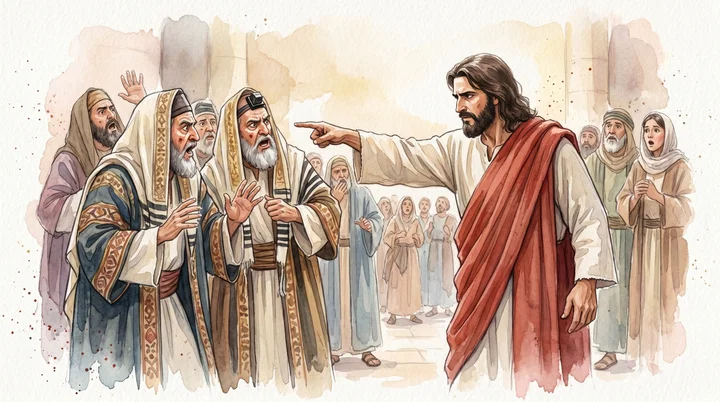
You blind guides, which strain at a gnat, and swallow a camel.
Ye blind guides, which strain at a gnat, and swallow a camel.
Ye blind guides, which strain out a gnat, and swallow a camel.
Ye blind guides, who strain out a gnat, and swallow a camel.
Ye blind guides, which strain out the gnat, and swallow the camel.
Ye blind guides, that strain out the gnat, and swallow the camel!
'Blind guides! who are straining out the gnat, and the camel are swallowing.
Blind guides, who strain out the gnat, but drink down the camel.
Blind guides! Straining out the gnat, but, the camel, swallowing.
Berean Standard Bible, Majority Standard Bible
You blind guides! You strain out a gnat but swallow a camel.
You blind guides, who strain out a gnat, and swallow a camel!
You blind guides, who take out a fly from your drink, but make no trouble over a camel.
Ye blinde guides, which straine out a gnat, and swallowe a camell.
Douay-Rheims (Challoner revision)
Blind guides, who strain out a gnat, and swallow a camel.
Pictures
Cross-references
- Matthew 7:3-5
And why beholdest thou the mote that is in thy brother’s eye, but considerest not the beam that is in thine own eye?
Both warn against fault-finding in others while overlooking one’s own faults.
- Matthew 15:14
Let them alone: they be blind leaders of the blind. And if the blind lead the blind, both shall fall into the ditch.
Blind guides lead themselves and their followers to ruin.
- Matthew 23:16
Woe unto you, ye blind guides, which say, Whosoever shall swear by the temple, it is nothing; but whosoever shall swear by the gold of the temple, he is a debtor!
Both verses rebuke religious leaders as blind guides.
- Luke 11:42
But woe unto you, Pharisees! for ye tithe mint and rue and all manner of herbs, and pass over judgment and the love of God: these ought ye to have done, and not to leave the other undone.
Both rebuke Pharisees for observing religious details while neglecting what matters.
- Luke 11:39
And the Lord said unto him, Now do ye Pharisees make clean the outside of the cup and the platter; but your inward part is full of ravening and wickedness.
A parallel denunciation of Pharisaic hypocrisy.
- Luke 6:41-42
And why beholdest thou the mote that is in thy brother’s eye, but perceivest not the beam that is in thine own eye?
Both use exaggerated comparisons to correct hypocritical judgment of others.
- Luke 20:45-47
Then in the audience of all the people he said unto his disciples,
Christ warns against hypocritical scribes who exploit their religious standing.
- Mark 12:38-40
And he said unto them in his doctrine, Beware of the scribes, which love to go in long clothing, and love salutations in the marketplaces,
Both texts rebuke religious leaders for hypocrisy.
Commentary
Each commentary is drawn from primary sources: the writings of Ellen G. White and Adventist pioneers and periodicals. Each commentary is separate. Its own words are not a quotation; follow the references to read the source passages.
Ellen G. White
50 sources
Christ's charge exposes religious leaders who were scrupulously exact over trifling outward rules like straining drinking water to avoid the smallest insect and tithing garden herbs, while committing and tolerating grave sins and neglecting the weightier duties of judgment, mercy and faith which should have been done without leaving the lesser undone.ST Jun 14, 18997MR 234.4–235.1Lt 165, 1901, par. 11–143SP 63.2ST May 2, 1878 The blindness He names is inability to discern relative importance, magnifying trifles while treating matters of eternal importance as unimportant and even twisting God's commands to excuse unrighteous conduct.Lt 134, 1902, par. 11–12ST Jan 6, 1881ST Oct 24, 1895 It was spoken in His final day of teaching in the temple as part of the series of woes upon scribes and Pharisees as hypocrites who devoured widows' houses, cleaned only the outside of the cup, and appeared as whited sepulchres outwardly righteous but inwardly full of hypocrisy and iniquity.DA 610.1–611.2Ms 71, 1897, par. 8–103SP 57.1ST Apr 5, 1905Ms 175, 1897, par. 81 The rebuke was sharp, fearless and burning in earnestness to keep people from being deceived by false claims to holiness, yet without irritated temper, showing that love and mercy coexist with righteous indignation against sin.ST May 2, 1878ST Aug 27, 1912STB 79.5–80.1 The same woe falls just as surely on all in sacred positions of trust in every age who make high claims to godliness without practicing it, exalt human authority over conscience, and repeat the same exacting intolerance and neglect of light unless they repent and reform.Ms 5, 1882, par. 14–164SP 414.3TBC1882 58.17MR 235.2–35T 75.3
Setting and Tone
The saying was uttered on Christ’s final day of teaching in the temple, when He plainly laid open the priests, rulers, elders, scribes and Pharisees who claimed religious authority yet rejected His teaching.DA 610.1–611.23SP 57.1Ms 81, 1893, par. 43 Its exposure of their hypocrisy was meant to warn and condemn them and to instruct listeners in every age and among every people.DA 610.1–611.23SP 57.1 That final-day encounter in the temple courts centered on the character of rulers and elders who stood against the light He brought.3SP 57.1Ms 81, 1893, par. 43
It belongs to the series of woes pronounced upon the scribes and Pharisees as hypocrites and blind guides.Ms 71, 1897, par. 8–10Ms 175, 1897, par. 81ST Jun 13, 1878 It was spoken together with rebukes for devouring widows’ houses, for making proselytes twofold more the child of hell, for paying tithe of mint and anise and cummin while omitting the weightier matters of the law, judgment, mercy and faith, for making clean only the outside of the cup and platter while within full of extortion and excess, for appearing outwardly righteous like whited sepulchres while within full of hypocrisy and iniquity, and for filling up the measure of their fathers who killed the prophets until all the righteous blood shed from Abel to Zacharias should come upon that generation.Ms 71, 1897, par. 8–10 It was a fearless denunciation of hypocrisy whose teaching and conduct opposed God’s truth, condemning impenitence and opposition to truth and righteousness.ST Apr 5, 1905Ms 175, 1897, par. 81
The denunciation was sharp and burning in earnestness, spoken fearlessly in order to keep people from being deceived by false claims to righteousness and holiness.ST Apr 5, 1905ST Aug 27, 1912STB 79.5–80.1 Yet its searching rebukes were not uttered in an irritated temper.ST Aug 27, 1912 Its indignation was aimed at grave sins rather than personal abuse, showing that love and mercy can coexist with righteous indignation against sin.ST May 2, 1878
Meaning of Gnat and Camel
The gnat is exactness about external cleanliness, even requiring drinking water to be strained to remove the smallest insect, thus carrying God's restrictions on unclean food beyond what He required.3SP 63.2ST May 2, 1878DA 617.2 The camel is figurative, denoting the magnitude of actual grave sins tolerated in their own lives.3SP 63.2ST May 2, 1878DA 617.2 Jesus used the contrast between this trivial concern for outward purity and those weighty wrongs to expose blindness and badly distorted priorities.3SP 63.2ST May 2, 1878DA 617.2
The minor matters strained at are trifling details and human additions concerning outward purity, such as scrupulous tithing of mint, anise and cummin.ST Jun 14, 1899Lt 134, 1902, par. 11–12Lt 165, 1901, par. 11–14 The weightier matters swallowed and neglected are judgment, mercy and faith, also expressed as justice, mercy and the love of God.ST Jun 14, 18997MR 234.4–235.1Lt 165, 1901, par. 11–14 The smaller duties should have been done, but not at the expense of the greater principles belonging in life and practice, and not while leaving judgment, mercy and faith undone.ST Jun 14, 1899Lt 134, 1902, par. 11–127MR 234.4–235.1Lt 165, 1901, par. 11–14
The blindness named is inability to discern the relative importance of things that should be understood.Lt 134, 1902, par. 11–12 It magnifies trifles while treating matters of eternal importance as unimportant.ST Jan 6, 1881ST Oct 24, 1895 It even twists God's commandments and the prophets' teachings to support unrighteous conduct and mislead the people, stressing His mercy while passing over His warnings against sin and judgment.ST Jan 6, 1881ST Oct 24, 1895 Carelessness about principles to be brought into life practice is fatal, and he who is saved must set things right in his own heart, rather than indulging speculative theories such as those over attitude toward the law as revealed in Galatians and calling attention to things that do not pertain to the solemn work of deciding eternal destiny.Lt 134, 1902, par. 11–12Lt 165, 1901, par. 11–14
Blind Guides and Hypocrisy
The verse exposes leaders who made high claims to godliness and demanded much of others without practicing it themselves, fastening on minor religious details while neglecting judgment, mercy and the love of God.Ms 5, 1882, par. 14–16Ms 5, 1882, par. 12–13 Their outward show of religious care and concern for appearances and lesser matters concealed inward deceit, extortion, excess and iniquity, making them blind guides and hypocrites.Ms 5, 1882, par. 14–16Ms 5, 1882, par. 12–13Ms 9, 1880, par. 37–42 Outward profession that hides a corrupt life belongs under Christ's burning denunciation, for outward religious strictness does not excuse a life without the fruit that glorifies God and its fruit is harmful.ST Aug 22, 1878Ms 9, 1880, par. 37–42
Practicing iniquity under a cloak of godliness brings especially heavy retribution, and Christ's heavy denunciation falls upon all such hypocrisy and vain pretense.CH 671.24T 614.45T 144.2 Those who profess to have light far in advance of others while their works do not correspond with their profession and their hearts feel no sanctifying influence come under that denunciation.4T 614.4 An openly sinful person has more hope than such a hypocrite who conceals sin behind religious profession, and the pretender has less hope than the open sinner.CH 671.2ST Aug 22, 18785T 144.2 Sinners who have spent life in sin but come to God in penitence with a sense of their sinfulness are treated by Christ with tenderness and are accepted, and they stand in a more favorable position for perfection of Christian character than those who have had great light and have failed to improve upon it, for neglect to improve granted light and opportunities leaves men and women in darkness.4T 614.4
This blindness and hypocrisy did not arise from excusable ignorance but from selfish motives and refusal of the light Christ brought.Ms 5, 1882, par. 14–16 Selfishness and love of money and worldly honor can possess the heart and lead people to reject Christ's counsel, despise His mercy and reject His truth while claiming to represent Him yet living in continual denial of Him.Ms 5, 1882, par. 14–163SP 9.2 The same Pharisaical spirit is condemned when it focuses on lesser matters while neglecting what is sacred and important, warned against in pride, self-appointed authority, and human plans that eclipse the Bible standard and divine instruction.Lt 81, 1896, par. 6–8
Warning to Later Generations
Christ's denunciation of the scribes and Pharisees and His warning not to follow blind leaders was an admonition to future generations, because human authority has continued to be exalted over conscience in the church.4SP 414.3GC 596.2GC88 595.3–596.1 It warns future generations against religious leaders who use their authority to mislead people and rule their consciences.4SP 414.3GC 596.2GC88 595.3–596.1 As in Jesus' day, religious leaders can misuse lawful authority for unlawful ends, and Scripture understood by the mind must guide conscience rather than obedience to leaders when their commands conflict with God's word.GC 102.1
The same woes and denunciation fall just as surely on all in sacred positions of trust and on all engaged in the same work unless they repent, are converted and reform character.7MR 235.2–3Lt 134, 1902, par. 13–14Ms 18, 1896, par. 29–30Lt 71a, 1894, par. 19–21 This includes men connected with the management of God's work who walk in the same path, cherish the same principles, and reject reproof with an exacting and intolerant spirit, and those in positions of responsibility who misrepresent Christ's righteousness by an overbearing and imperious spirit and lack of principle.Lt 134, 1902, par. 13–14Ms 18, 1896, par. 29–30Lt 71a, 1894, par. 19–21 Such conduct is being very scrupulous about little matters and making a man an offender for a word while not scrupling to deal unjustly with the Lord's heritage and neglecting God's great and sacred work, failing to be actuated by right principles and to reveal justice, mercy and the love of God and practical love for brethren, tampering with conscience and by subtle reasoning making imaginary distinctions between degrees of guilt to pass lightly over very serious wrongs.Lt 134, 1902, par. 13–14 Those who reject greater light and pursue a similar course of injustice and disregard for justice, mercy and love of God will face God's rebuke, for righteousness exalts a nation and individuals and sin brings ruin.7MR 235.2–3Lt 134, 1902, par. 13–14 Neglecting light and rejecting reproof leaves people in darkness in a more unfavorable and worse position than the Jews on whom Christ pronounced woe.TBC1882 58.15T 75.3Ms 18, 1896, par. 29–30
The rebuke applies to self-righteous religious leaders who claim to represent Christ while living in continual denial of Him, rejecting His truth and despising His mercy, when selfishness and love of money and worldly honor possess the heart and lead to rejection of His counsel.3SP 9.2 It condemns a Pharisaical course of narrow precision that hinders God's work and the use of authority to confine its advance, focusing on small matters while neglecting what matters more.RCOC 35.3 It likewise characterizes the popular ministry whose anger when its authority is questioned and whose denunciation of the warning message repeats the Pharisees' opposition, as blind guides treating the small as important while failing to recognize what matters most.4SP 424.1
Present-Day Applications
To strain at a gnat while swallowing a camel is to be strict over small mercies while committing great cruelty, showing tender care against cruelty to birds yet hunting and condemning a blind afflicted brother in Christ to near ruin.Lt 39a, 1878, par. 17–214T 326.2–327.2 The gnat is compassion for birds and scruples about taking animal life or censuring brethren for killing game to live on, while the camel is sitting as judges upon a man formed in the image of God and bought by Christ, who is of far greater value than dumb creatures.Lt 39a, 1878, par. 17–214T 326.2–327.2 That greater sin is mercilessly judging and crushing him, hunting him to his death, laughing during his trial, turning lawyers to place a diseased, nervous, confused and unready speaker at great disadvantage, and shaking his confidence to near spiritual and physical ruin.4T 326.2–327.2 To show compassion to dumb creatures while withholding reasonable, Godlike compassion and love from Christ in the person of His saints is blind hypocrisy devoid of mercy, courtesy, common humanity, tender consideration and neighborly love for infirmity.Lt 39a, 1878, par. 17–214T 326.2–327.2
The same blindness makes much of small faults in Sabbath observance, diet, dress, corsets and hoops, while swallowing pride, jealous watching, accusing brethren, blindness and a poor proud heart.Lt 1, 1873, par. 52–5315MR 247.1–248.1 It treats necessary Sabbath work such as writing as Sabbath-breaking, though priests offered more sacrifices on the Sabbath than on other days, and it watches others to catch them in words or to find something in their actions to use against them, which was the Pharisees' work against Christ.Lt 1, 1873, par. 52–5315MR 247.1–248.1 Those who do this need proud hearts set right and must leave off accusing others, for right Sabbath observance that glorifies God is not going to bed and sleeping away the sacred hours but having the heart right before God.Lt 1, 1873, par. 52–5315MR 247.1–248.1
The verse also condemns fixating on small faults in others while neglecting one's own spiritual condition, measuring brethren by personal notions and picking at straws instead of examining one's own heart and being right with God.SG4 187.5–188.31T 144.4–5 It is seizing upon little things, talking over particulars and putting one's own construction upon the words and acts of brethren, especially from envy and jealousy and fear that others will be esteemed more highly, and it belongs with being arbitrary, dictatorial and self-sufficient and not considering others better than oneself.4T 323.1Lt 39a, 1878, par. 8–10 It manufactures church trials over trifles when there are no real difficulties, spending attention criticizing appearance and conduct, and it causes trouble in the camp at once when others do not exactly agree.SG4 187.5–188.31T 144.4–5 Humoring and indulging those divisive set notions too long calls the minds of the church and of the servants of the Lord away from God, truth and Heaven to dwell upon darkness, which feasts Satan, and it is none of the trials that purify the church and increase the strength of God's people.1T 144.4–5 This stands opposite to correct views of self in contrast with the perfect Pattern and to faith that works by love and purifies the soul.4T 323.1
In positions of responsibility it condemns misrepresenting Christ's righteousness by an overbearing and imperious spirit and lack of principle, being very scrupulous about little matters and making a man an offender for a word.Lt 134, 1902, par. 13–14 It is indulging speculative theories and calling attention to things that do not pertain to the solemn work of deciding eternal destiny, such as attitude toward the law as revealed in Galatians, when the smaller duties ought to have been done without leaving the greater undone.Lt 134, 1902, par. 11–12 At the same time it does not scruple to deal unjustly with the Lord's heritage and neglect God's great and sacred work, failing to be actuated by right principles and to reveal justice, mercy and the love of God and practical love for brethren.Lt 134, 1902, par. 13–14 It tampers with conscience and by subtle reasoning makes imaginary distinctions between degrees of guilt, lightly passing over very serious wrongs while condemning with great severity wrongs that do not compare with one's own sin in cherishing and working false principles great in God's sight.Lt 134, 1902, par. 13–14 Such blindness cannot discern the relative importance of things that should be understood, neglecting the weightier matters of the law, judgment, mercy and faith for minor matters such as tithing mint and anise and cummin, and carelessness in regard to principles to be brought into life practice is fatal, for he who is saved must set things right in his own heart, and the woes on the Pharisees fall just as surely on all engaged in the same work unless they repent, since righteousness exalts and sin brings ruin.Lt 134, 1902, par. 11–12Lt 134, 1902, par. 13–14
The phrase describes a self-righteous and pharisaical person who makes much of small matters while failing in larger matters of right conduct, as illustrated by Solomon as disorderly and not right with God despite professing love for Him.Ms 3, 1861, par. 2–3 With burning earnestness and terrible severity against abominations seen in the church and in the world, refusing to allow people to be deceived by false claims to righteousness and sanctity, it calls missionaries and physicians to stand in God-given manhood exercising freedom of speech and freedom of faith.15MR 258.2–259.1 They are to refuse to harmonize with a fellow laborer's wrong plans or to be cowered into silence by a masterful spirit, to refuse to verify statements they know are not true, and to refuse to hold speechless or listen without protest and correction when they hear wrong sentiments and false statements expressed.15MR 258.2–259.1
Sources
Pioneers and periodicals
108 sources
Jesus condemns religious leaders who are scrupulously careful to filter a tiny unclean insect from what they drink yet thoughtlessly commit great sins, as if swallowing a huge animal whole.ST May 2, 1878RH May 21, 1861RH Dec 24, 1861 The saying means straining the gnat out of the drink, not straining at swallowing it.RH Nov 5, 1861 They are blind guides because they give extreme attention to small religious duties such as tithing garden herbs while neglecting the far greater demands of the law, justice and mercy and faith, which should come first without leaving the lesser duties undone.ST Jun 14, 1899ST Nov 1, 1899RH Mar 16, 1916 Behind an outward show of serving God and appearing righteous they were inwardly full of hypocrisy and uncleanness, mistaking outward forms for the enduring demands of God's law and making God's word of no effect by their own traditions.ST May 2, 1878ST Jan 9, 1893RH Jun 15, 1911ST Jul 7, 1887RH Sep 9, 1858 Spoken as one of his final seven woes against the scribes and Pharisees in the temple, it pronounces complete condemnation on hypocrisy that leads others to ruin, and it warns believers in every age against faultfinding over small faults in others while overlooking grave sin in themselves.ST Jan 6, 1887ST Feb 7, 1878RH Mar 6, 1855RH Dec 20, 1870ST May 21, 1896
Language and Imagery
The image is of straining wine and drinking water to remove a gnat, an insect forbidden as unclean by the law, while swallowing a camel.ST May 2, 1878RH May 21, 1861RH Dec 24, 1861 It condemns being scrupulous about avoiding small faults yet committing great sins without hesitation.RH May 21, 1861 The Pharisees focused on tiny matters of outward purity while overlooking the seriousness of their actual sins, even requiring people to strain drinking water to remove the smallest possible insect and extending God's dietary restrictions beyond what he had commanded.ST May 2, 1878 The contrast between straining out a gnat and swallowing a camel exposes how badly their priorities were distorted.ST May 2, 1878 The practice of straining wine to avoid a forbidden gnat belongs to concern with outward ritual purity, not to a defense of indulging a harmful or perverted appetite.RH Dec 24, 1861
The true reading is straining a gnat out of a drink, not straining at one.RH Nov 5, 1861 The mistranslated word changes the sense from removing the gnat to attempting to swallow it.RH Nov 5, 1861 The gnat and the camel contrast worthless trifles and minor ritual concerns with matters of real importance and serious moral and spiritual failure.ST Jan 19, 1882ST Nov 7, 1916
The scribes and Pharisees were meticulous about minor religious duties while neglecting the law's greater demands, including justice, mercy, humility and faith.ST Jan 19, 1882 They insisted on worthless trifles while disregarding matters of real importance, focusing on small matters of ceremonial purity while tolerating grave sin and cruel unbelief.ST Jan 19, 1882ST Nov 7, 1916 The rebuke falls on attention to religious forms at the expense of genuine godliness.ST Nov 7, 1916 The Pharisees strained at a gnat by treating even the smallest imperfection in the leather used for their phylacteries as defiling and unfit to wear, and their strict attention to this minor detail illustrates excessive concern with small matters.ST Jul 8, 1897
Setting in Gospel Story
The saying belongs to Jesus' closing instruction to the multitude given in the presence of his disciples, taught in the temple on Tuesday, the last day he taught there before leaving it for the final time, in his final days when his rebuke almost broke his heart.RH Apr 15, 1909RH Jan 29, 1914ST Jan 14, 1875ST Sep 3, 1912ST Mar 30, 1888 It is part of the seven woes, the strongest and most terrible warnings Jesus gave, pronouncing complete condemnation on hypocritical scribes and Pharisees who exalted themselves, disregarded their own teaching, misinterpreted Scripture and rejected the Messenger of the covenant.ST Jan 6, 1887ST Feb 10, 1898RH Apr 15, 1909 In the same woes he declared the doom of the Jews, their city and their temple, with the fall of the Jewish church for wickedness though its destruction was deferred, and with the destruction of Jerusalem and the end of the Jewish nation as the climax upon the generation then living.RH Mar 6, 1855RH Dec 20, 1870RH Apr 15, 1909
It belongs to his open, forceful and fearless denunciation of the scribes and Pharisees for pride, covetousness, hypocrisy and outward honor of God while their hearts were far from him.ST Apr 5, 1905RH Jun 2, 1859ST Dec 8, 1887RH May 9, 1865 He did not withhold necessary truth for fear of them, and the rebuke provoked their opposition, hatred and the course that brought about his death.RH Jun 2, 1859ST Dec 8, 1887RH May 9, 1865 The warnings of the chapter were addressed especially to the generation living at his first advent, yet their place makes them warnings about false teachers and false doctrines that protect believers across the centuries.RH Apr 15, 1909ST Oct 19, 1915 The Jews stand in them as an example of how religious people's actual lives can contradict their professed beliefs, since their conduct showed what they truly believed despite their religious claims.ST Sep 15, 1887RH Apr 15, 1909
The condemnation was spoken without sinful passion, revenge, anger, irritated temper or censorious self-righteousness, as the words of the Eternal Judge who remained free from the sins he condemned.RH Feb 24, 1859ST Nov 1, 1899 It was joined with mercy, forgiveness, love and a tender heart toward the sinners he sought to draw to himself.ST May 2, 1878RH Feb 24, 1859 Its indignation was directed at grave sins and at the evil principle, not at personal abuse, and its terrible hypocrisy was exposed because corrupt influence leading others to perdition is especially terrible.ST May 2, 1878ST Nov 1, 1899 These strongest warnings were meant not merely to condemn people but to lead them to seek God's kingdom and righteousness, to recognize their course, to turn from it and be saved.ST Feb 10, 1898RH Mar 6, 1913
Exposure of Blind Hypocrisy
The verse calls the scribes and Pharisees blind guides who gave extreme attention to small religious duties and observances while neglecting the law's weightier matters of justice, mercy or judgment, and faith.ST Jun 14, 1899ST Nov 1, 1899ST Nov 1, 1899 Their scrupulous tithing of even the smallest things did not excuse failure in those greater duties, and meticulousness about small matters alongside tolerance of great wrongs pictures a stark imbalance of priorities.ST Jun 14, 1899ST Nov 1, 1899ST Jan 27, 1909 The small things of duty ought not to be left undone, but judgment and mercy and faith come first, with all other duties to follow in harmony with those great principles, and humility before God belongs with them.ST Nov 1, 1899ST May 17, 1910 Spiritual blindness and hypocrisy appear when intense concern for minor outward rules of religious purity coexists with overlooking grave inward wickedness, demanding strict observance of traditional punctilios regardless of character.RH Mar 16, 1916ST May 17, 1910
Their hidden corruption was masked by an outward show of serving God and appearing righteous, while inwardly they were full of hypocrisy, iniquity, uncleanness, greed, cruelty and impiety.ST Jul 7, 1887RH Sep 2, 1858ST Nov 1, 1899RH Mar 16, 1916 They lacked judgment, mercy and faith, gave supreme importance to external religious forms while neglecting weighty moral obligations, and mistook ceremonial shadows and external forms for the enduring demands of God's law.RH Jun 15, 1911RH Mar 16, 1916 Sincerity in religion did not prevent this false profession, for confidence in profession did not match true spiritual condition, and the charge against blind guides exposes such misplaced priorities.RH Sep 9, 1858RH Sep 2, 1858 Scrupulousness about tithing joined with quickness to criticize others concealed hearts that accepted major wrongs without remorse, even to condemning Jesus.RH Mar 16, 1916
They added their own traditions to God's pure commandments until the word of God was made of none effect and minds were blinded to the light of the glorious gospel.ST Jan 9, 1893 They extended God's restrictions beyond what He commanded, even requiring straining of drinking water to remove the smallest possible insect beyond His dietary restrictions, and enforced petty traditions while disregarding real importance.ST May 2, 1878ST Jan 9, 1893 They twisted the commandments and the prophets to support unrighteous conduct, misleading the people and undermining true morality, magnifying trifles while treating matters of eternal importance as unimportant.ST Oct 24, 1895 They boasted of good works while laying heavy burdens grievous to be borne on others in ceremonial exactions and numerous fastings and ablutions, imposing heavy ceremonial burdens while outward religious practices concealed inward sin and selfishness.ST Nov 15, 1910RH Oct 7, 1902 His fearful condemnation for daring to trifle with the high commands magnified the law in all its purity as exceeding broad and deep, searching out the very thoughts and intents of the heart, stripping off the traditions and commands of men to leave God's law as given, showing He came to die because the law had been broken.ST Jan 9, 1893
Their hypocrisy was especially evil because they used influence to lead people away from God to perdition.ST Nov 1, 1899 As blind guides and blind leaders of the blind who fail to discern truth while leading others into error, both they and their followers fall into the ditch and face ruin.ST Feb 7, 1878ST May 21, 1896 They oppose reform and reassure people that they are safe in error, so guide and followers alike face ruin when religious trust is placed in leaders governed by human approval or worldly gain rather than truth.RH Dec 13, 1870 In this connection priestly oppressors who exploit their fellow people and pervert or darken God's truths stand condemned for misleading others.ST Jul 23, 1912
The condemnation falls not simply on sinners for doing wrong but on those who conceal inward sin while posing as righteous guides.ST Nov 1, 1899 Outward religious strictness does not excuse a life without the fruit that glorifies God.ST Aug 22, 1878 The pretender has less hope than the open sinner, and the contrast with Christ's lack of repulsion toward the poor and degraded exposes hypocrites and formalists.ST Aug 22, 1878ST Jan 27, 1904
Jesus denounced sin in plain, terrible terms, calling sinners by their right names, and censured both false teachings and those who upheld them and practiced them.RH Jul 22, 1873ST Apr 1, 1889 It was spoken to the Pharisees, the proudest and most popular religionists of that age, because it was the truth, even though He knew hatred and bitterness toward Him would result and bring about His own death.RH Jul 22, 1873 A Christian spirit is not only gentle and kind but also exposes sin and hypocrisy and pronounces judgment on evildoers, and sharp rebukes that could make hearers tremble show His teaching was not always gentle or pleasing.ST Jul 17, 1884RH Jul 29, 1875 True religion hates sin and has no fellowship with it, sets it forth in its true deformity, and denounces it with holy indignation, rather than tolerating it under the name of charity to spare feelings, and sharp rebuke of religious wrongdoing is no proof of a bad spirit.RH Jul 22, 1873ST Dec 1, 1887 His words of condemnation against hypocritical religious guides belong to that pattern of controversy with religious leaders.ST Dec 1, 1887RH Oct 22, 1914
The rebuke exposed pride, hypocrisy, self-righteousness, intolerance, self-exaltation, personal ambition and greed, desire to control faith and worship, and disregard of their own teaching.ST May 19, 1914RH Apr 15, 1909ST Oct 7, 1930 Though socially respectable and in good standing, they were sinners whose pride and hypocrisy were deadly sins, exalting themselves while misinterpreting Scripture.RH Apr 15, 1909ST Oct 7, 1930 Their self-righteousness and intolerance violated their covenant with God in both letter and spirit, in contrast to Jesus who mingled with sinners and tolerated them among His followers. Their claim that they would not have shared their ancestors' guilt in killing the prophets was proved false when, under the power of darkness and of Satan, they rejected the Messenger of the covenant, the Messiah, and killed Him and His followers.RH May 19, 1851RH Apr 3, 1855RH Apr 15, 1909 They had a zeal for God not according to knowledge and sought to establish their own righteousness, and their show of piety concealing a desire to control others helps reveal zealous hypocrites who persecute Christ and seek to enforce belief by restricting personal liberty.ST May 19, 1914
Religious activity in missionary work, public worship, prayer and preserving knowledge of the true God, with truth held only in form, does not prevent individual spiritual decline or replace vital Christianity, personal godliness and a living hold upon God.RH Jul 13, 1916 Formalism with excessive attention to minute religious observances while neglecting the spirit and moral demands of religion can make one appear highly religious even when morally corrupt.ST May 19, 1881 Nominal professors bound to ceremonies and claiming to keep God's law may remain guilty of serious sin, condemn the hypocrisy of the past while repeating it, and bring judgment on themselves, professing faith without its life and power.ST Jan 29, 1908 Stressing God's mercy while passing over His warnings against sin and judgment belongs to that same hypocrisy and self-deception.ST Jan 6, 1881
Doctrinal Issues Clarified
The verse does not condemn careful obedience to the letter of the law, for it rebukes Jewish tradition set against God's law and not strict regard for duty itself.ST May 17, 1910 Small duties of the law ought not to be left undone, but judgment and mercy and faith are its weightier matters and come first, with all other duties to follow in harmony with those great principles.ST May 17, 1910 Keeping the Sabbath and the other commandments is not making much of a trifle while missing the greater matter, for obedience rests on the one Lawgiver and all ten commandments of Exodus 20 remain equally binding, with no inspired authority to lay any aside for traditions of men or to transfer the Sabbath of the fourth commandment from the seventh to the first day.RH Sep 4, 1856 Refusing to stone for kindling a fire on the Sabbath while still keeping it is not filtering a tiny insect while swallowing a huge beast, for the law remains binding even though its stoning penalty has been abolished.RH Mar 21, 1865 The fourth-commandment Sabbath belongs to God's moral law, while ceremonial laws were separate temporary shadows, and the verse warns against treating these distinct obligations as one inseparable code.
The Pharisees were blind guides who enforced petty Sabbath traditions while neglecting the law's true purpose and the weightier duty of mercy.RH Jul 18, 1854 They condemned healing and helping on the Sabbath even as they accepted comparable acts of practical help for animals, so their strictness fastened on trivial distinctions while committing the greater wrong of opposing mercy and God's law.RH Jul 18, 1854 Scrupulousness about outward Sabbath rules without regard for its spirit, at times treating minor matters as weighty while overlooking greater wrongs, shows the same inconsistency.RH Nov 4, 1858 Outward religious strictness and punctiliousness about other people's conduct does not make Sabbath-keeping pleasing to God.ST Oct 3, 1895
Objections to the cleansing of the heavenly sanctuary make a large objection out of a small difficulty while accepting something far harder to explain.RH Mar 11, 1858 That cleansing does not remove physical impurity but removes sins transferred there, so there is not even a small ground for objection, much less a great one.ST Jul 1, 1880RH Mar 11, 1858 Blind guides condemn Spiritualism as a tiny matter while swallowing the huge error of teaching that the soul is unconditionally immortal and that spirits of the dead can visit or comfort the living, failing to recognize that such teaching leads to the very error denounced.ST Sep 8, 1881 Prominent theologians trusted as spiritual guides focus on minor matters while defending the teaching of endless torment, accepting a far greater error whose consequences their followers suffer.RH Oct 13, 1859 Forcing Sabbath observance from a rebellious heart offers God the essence of hypocrisy condemned in Christ's most scathing denunciation.ST Dec 25, 1893 Such enforcement brings two evils, leading the world to disbelieve in the power of the Holy Spirit because the church does not use or value it, and plunging world and church deeper into sin by seeking help against evil from the very source of evil, since the world cannot purify the world nor a worldly church be sanctified by the world's aid.ST Dec 25, 1893
Modern Warnings and Applications
The warning reaches across time to professed believers who fasten on small faults in others while overlooking grave sins in themselves.RH Mar 16, 1916 Being exacting about one point does not prove victory over other sins of equal importance, for criticism of others can coexist with hypocrisy and uncleanness in the heart.RH Mar 16, 1916 It is straining out the gnat but swallowing the camel to condemn others for points deemed important while carrying criticism and judgment in one's own heart.RH Mar 16, 1916 The same distortion appears when religious teachers scrutinize the conduct of others yet continue to profess a creed they no longer defend, and when judgment fixes on the mote in a brother's eye while failing to see the beam in one's own.RH Jun 21, 1906RH Jul 16, 1914 Focusing narrowly on minor or selectively chosen faults in others while overlooking larger inconsistency is the same fault, and those who do it should first correct themselves.RH Jul 20, 1905
The verse condemns treating a small outward or ceremonial fault as grave while ignoring serious wrongdoing, setting strict outward observance above inward devotion and hourly communion with Jesus.RH Oct 24, 1871 Pirates who scrupulously kept a fasting rule yet plundered and murdered and counted it merit before God show this valuing of outward duty above inward faithfulness.RH Oct 24, 1871 Families who abstain from meat in Lent yet give their children wine put rule-keeping ahead of piety, treating the lesser matter as forbidden while tolerating the far more harmful greater wrong.ST Apr 6, 1888 Expelling a man for refusing to kiss a brother whose mouth and beard were fouled with tobacco, while allowing tobacco use to continue, enforces a small custom while tolerating a far more serious offense.RH Mar 19, 1872 Making much of how a bishop conducted parts of the service suggests larger offenses are being ignored, and a selfish week cannot be made Christian by filling the Sabbath with religious exercises to wipe away its sins.ST Jan 27, 1890RH Sep 10, 1872
Excessive attention to trivial matters, petty observances, disputes and personal differences while neglecting weighty responsibilities is condemned by the verse.ST Feb 7, 1884 Like tithing mint, cummin and anise while neglecting the weightier matters of the law, making great commotion over marriage or property while hiding worldliness, pride, covetousness and disregard for counsel fails to seek out and face what most needs attention.ST Nov 22, 1883 Preoccupation with petty observances and disputes leaves urgent responsibilities undone and readiness for coming judgment neglected.RH Nov 14, 1865 Magnifying minor faults into serious church divisions, and becoming absorbed in such differences so that sharing the gospel and caring for salvation are delayed, is the same folly.ST Feb 7, 1884RH Nov 21, 1871
Unequal judgment that punishes small petty wrongdoing severely while letting great respectable wrongdoing go unchecked fulfills the verse.ST Sep 23, 1908 Striking harder at the petty pickpocket than at trusted business, industrial and political leaders who from an office chair rob thousands through railway rebates, adulteration, rake-offs, false prospectuses, tax evasion and betrayal of constituents, followers, depositors, stockholders, policy-holders, subscribers and customers poisons, pollutes, imperils and robs multitudes for private gain, and this graft and betrayal of trust marks the last days.ST Sep 23, 1908 Punishing a letter-carrier for a minor violation of the eight-hour law while powerful corporations evade laws makes a small offense seem weighty while overlooking far greater wrongs. Penalizing a high hat worn in a theater while tolerating a gin mill makes much of the small matter while overlooking the far greater wrong.ST May 27, 1897 Fault-finding over Sunday mail delivery while disregarding the interests of businesspeople overlooks something much greater for something small.ST Feb 11, 1886
Objecting to prayers for enslaved and oppressed people while tolerating slavery neglects judgment, mercy and faith while making much of small religious duties.RH Dec 8, 1859 Condemning only Sunday opening of saloons while accepting them the other six days condemns a limited feature of an evil while tolerating the evil itself, so concern for the smaller wrong does not make acceptance of the greater righteous.ST Jun 7, 1899 Mourning disaster while supporting the licensed saloon, with its grave financial, physical, mental and moral harm, attends to lesser concerns while overlooking the greater injury.ST Jun 20, 1906 Both wrongdoing and those who practice it are to be denounced, as in opposition to the drink trade and its agents and supporters, and chastising a child for a foible while laughing at vice treats the small fault severely while overlooking serious vice.ST Dec 9, 1880ST Oct 28, 1880
Blind guides who are strict over a small matter while swallowing a much greater one obscure the Sabbath question, as when Sunday rest is enforced yet Monday is taught to be the first day of the week.RH Jan 14, 1909 Inconsistent application of rules appears when Sunday crusaders prosecute some sellers while similar businesses operate freely, focusing narrowly on selectively chosen faults while overlooking larger inconsistency.RH Jul 20, 1905 Those who claim they cannot identify the Sabbath are answered ironically by the definition that places it between Friday and Sunday, making it Saturday.ST Mar 15, 1883
Strictness about small matters while neglecting weightier duty appears when children playing games involving kissing is treated severely, yet the seventh day acknowledged to be God's Sabbath is refused for fear of expulsion from the church.RH Apr 28, 1868 Fault-finding that treats keeping the seventh day without putting Sabbath-breakers to death as grave inconsistency, while arguing that the Sabbath's moral obligation would require saints in heaven and devils in hell to keep it, strains out a gnat while swallowing a camel.RH Mar 21, 1865 Treating a proposed name for the people as a camel too large to swallow makes a great obstacle of a small matter while accepting something far more serious.RH Apr 4, 1907
The verse exposes religious leaders whose show of piety concealed hypocrisy and desire to control faith and worship, revealing the character of those who persecuted Christ and warning against zealous hypocrites who enforce belief by restricting liberty.ST May 19, 1914 Christ's courage in warning against the hypocrisy of scribes and Pharisees is worthy of admiration, and his warning against national sins was religious duty rather than political activity.RH Mar 9, 1905ST Dec 11, 1901 His scathing rebuke raises but does not settle whether clergy should denounce civic corruption, and preachers may condemn the ancient Pharisees while leaving present sin unchallenged.ST Oct 7, 1930RH Feb 19, 1861 Blind teachers who fuss over small things while accepting enormous contradiction are likewise exposed, as when it is taught that the worst infidels who attacked the Bible were guided by God as much as John, Paul or Peter in writing it.ST May 31, 1910
Sources