Proverbs 14:31
He that oppresseth the poor reproacheth his Maker: but he that honoureth him hath mercy on the poor.
Translations
He that oppresses the poor reproaches his Maker: but he that honors him has mercy on the poor.
He that oppresseth the poor reproacheth his Maker: but he that honoureth him hath mercy on the poor.
He that oppresseth the poor reproacheth his Maker:
But he that honoureth him hath mercy on the poor.He that oppresseth the poor reproacheth his Maker: but he that honoreth him hath mercy on the poor.
He that oppresseth the poor reproacheth his Maker: but he that hath mercy on the needy honoureth him.
He that oppresseth the poor reproacheth his Maker;
But he that hath mercy on the needy honoreth him.An oppressor of the poor reproacheth his Maker, And whoso is honouring Him Is favouring the needy.
He that oppresseth the poor reproacheth his Maker; but he that honoureth Him is gracious to the needy.
The oppressor of the poor, hath reproached his Maker, but he that sheweth favour to the needy, is one who, holdeth Him in honour.
Berean Standard Bible, Majority Standard Bible
Whoever oppresses the poor taunts their Maker,
but whoever is kind to the needy honors Him.He who oppresses the poor shows contempt for his Maker,
but he who is kind to the needy honors him.He who is hard on the poor puts shame on his Maker; but he who has mercy on those who are in need gives him honour.
He that oppresseth the poore, reprooueth him that made him: but hee honoureth him, that hath mercie on the poore.
Douay-Rheims (Challoner revision)
He that oppresseth the poor, upbraideth his Maker: but he that hath pity on the poor, honoureth him.
Pictures
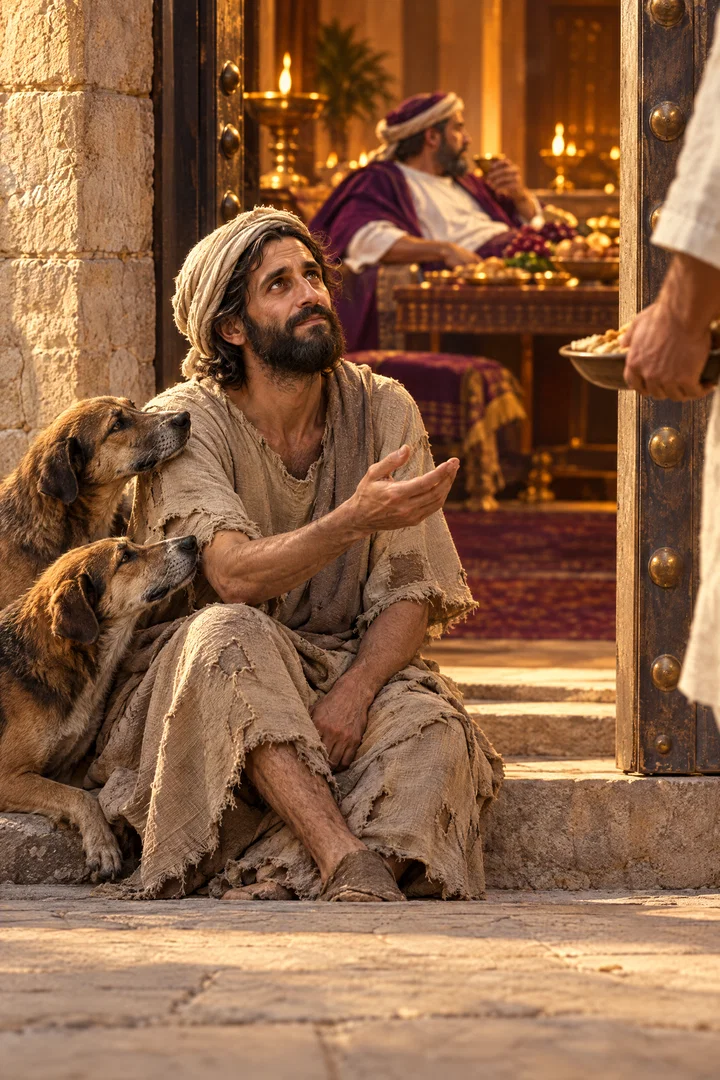
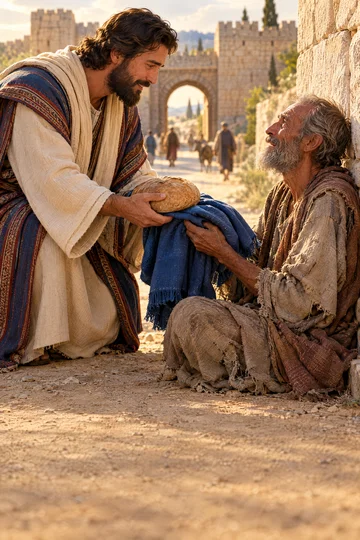
Cross-references
- Isaiah 58:6-7
Is not this the fast that I have chosen? to loose the bands of wickedness, to undo the heavy burdens, and to let the oppressed go free, and that ye break every yoke?
Calls for freeing the oppressed and providing for the poor and hungry.
- Psalms 12:5
For the oppression of the poor, for the sighing of the needy, now will I arise, saith the LORD; I will set him in safety from him that puffeth at him.
God promises to arise in response to the oppression of the poor and needy.
- Proverbs 14:21
He that despiseth his neighbour sinneth: but he that hath mercy on the poor, happy is he.
Both connect mercy toward the poor with blessing.
- Psalms 41:1
Blessed is he that considereth the poor: the LORD will deliver him in time of trouble.
Care for the poor is linked with deliverance in time of trouble.
- Isaiah 58:9-10
Then shalt thou call, and the LORD shall answer; thou shalt cry, and he shall say, Here I am. If thou take away from the midst of thee the yoke, the putting forth of the finger, and speaking vanity;
God promises blessing to those who remove oppression and help the needy.
- Proverbs 11:17
The merciful man doeth good to his own soul: but he that is cruel troubleth his own flesh.
A merciful person does good to their own soul.
- Zechariah 7:9
Thus speaketh the LORD of hosts, saying, Execute true judgment, and shew mercy and compassions every man to his brother:
Both call for mercy toward others and just treatment.
- Matthew 5:7
Blessed are the merciful: for they shall obtain mercy.
Both promise mercy to those who show mercy.
- Luke 6:36
Be ye therefore merciful, as your Father also is merciful.
Calls God’s people to be merciful as he is.
- Micah 6:8
He hath shewed thee, O man, what is good; and what doth the LORD require of thee, but to do justly, and to love mercy, and to walk humbly with thy God?
Both connect honoring God with justice and mercy toward others.
- James 5:4
Behold, the hire of the labourers who have reaped down your fields, which is of you kept back by fraud, crieth: and the cries of them which have reaped are entered into the ears of the Lord of sabaoth.
Withholding laborers’ wages is an offense that brings judgment.
Commentary
Each commentary is drawn from primary sources: the writings of Ellen G. White and Adventist pioneers and periodicals. Each commentary is separate. Its own words are not a quotation; follow the references to read the source passages.
Ellen G. White
3 sources
Oppressing the poor is an insult to their Maker and brings reproach and dishonor upon Him, while to have mercy on the poor is to honor Him.Ms 33, 1898, par. 8ST Sep 15, 1898 Respect for the poor and fairness toward them belong to a God-fearing, Christlike character.Ms 33, 1898, par. 8 Those who claim to be righteous must respect the cause of the poor and show compassion for people in need.ST Sep 15, 1898 Judges are required to hear the small as well as the great, and must not allow fear of people to distort justice.Ms 33, 1898, par. 8
Forcing poor workers to accept wages below what their labor deserves takes money from them unjustly and is the oppression condemned, dishonoring God as their Maker.Lt 32, 1875, par. 40–43 Honoring God means treating poor workers with mercy and justice and giving fair pay.Lt 32, 1875, par. 40–43 Withholding what is due remains wrong even when the money saved is placed in God's cause as an offering.Lt 32, 1875, par. 40–43 God regards such unjust gain with abhorrence, and it brings His curse.Lt 32, 1875, par. 40–43
Sources
Pioneers and periodicals
12 sources
To oppress the poor is to reproach, insult and dishonor God as their Maker, while to honor God is to have mercy on the poor.ST Sep 15, 1898RH Jan 5, 1860ST Jul 24, 1901RH Sep 19, 1871ST Jun 8, 1882 The poor are God's poor and their need comes by His appointment, and He has shown mercy to people in their poverty and misery, so refusing mercy misrepresents His merciful character.RH Aug 17, 1911ST Apr 25, 1878 Preying upon a neighbor is therefore incompatible with praising God.ST Feb 3, 1909
God's professed people and all who claim to be righteous must respect the cause of the poor, practice merciful conduct, and make wealth serve the needy rather than oppress them.ST Sep 15, 1898RH Jan 5, 1860ST Jul 24, 1901RH Sep 19, 1871 Their duty is plain, and neglect brings fearful judgment and consequences from God.RH Jan 5, 1860 Oppression degrades both the oppressed and the oppressor, and this applies to the mistreatment of downtrodden people, whose oppressor's account of those under his power should not be accepted uncritically.ST Jun 8, 1882
Grinding down widows and orphans, young and old, while rolling in wealth reproaches God.ST Oct 6, 1881 Oppression includes using agents to exact rent without mercy, turning away the homeless and helpless, and refusing a willing worker even a pittance that would have saved him.ST Oct 6, 1881 A rich man's work is counted not in dollars and cents but in poor lives crushed, for which he must give answer, for the lives of the widow and fatherless will be demanded of him and his treasures will not last forever.ST Oct 6, 1881
Lavish church buildings that waste resources on ornament and pride while excluding the poor insult their Maker.RH Dec 18, 1856 Using another person's hardship to gain an unfair advantage, such as seeking God's help to buy a neighbor's mortgaged land for far below its value, is oppression that dishonors the person's Maker and would make God a party to that oppression, so withholding that help is consistent with His mercy.ST Sep 15, 1887 Refusing to help a needy work brings consequences from God, so those who are able are called to help indebted sanitariums by taking part in their relief through selling books.RH Jun 30, 1910
Mercy that honors God means doing good in small ways for the truly needy and industrious who toil in patient trust, supplying their real wants and necessities rather than spending on extravagant luxury and fashion.ST Apr 25, 1878 Such mercy brings its own reward of real and lasting satisfaction that extravagant outlay cannot give, an enjoyment that never cloys in retrospect nor causes uneasiness in prospect.ST Apr 25, 1878 It fills a void luxury never can, gives aim to thought and life, and lifts melancholy and bodily weakness.ST Apr 25, 1878 It can save a sufferer from despair and self-destruction and enable them to become helpful so no further help is needed.ST Apr 25, 1878
Sources