Psalms 10:18
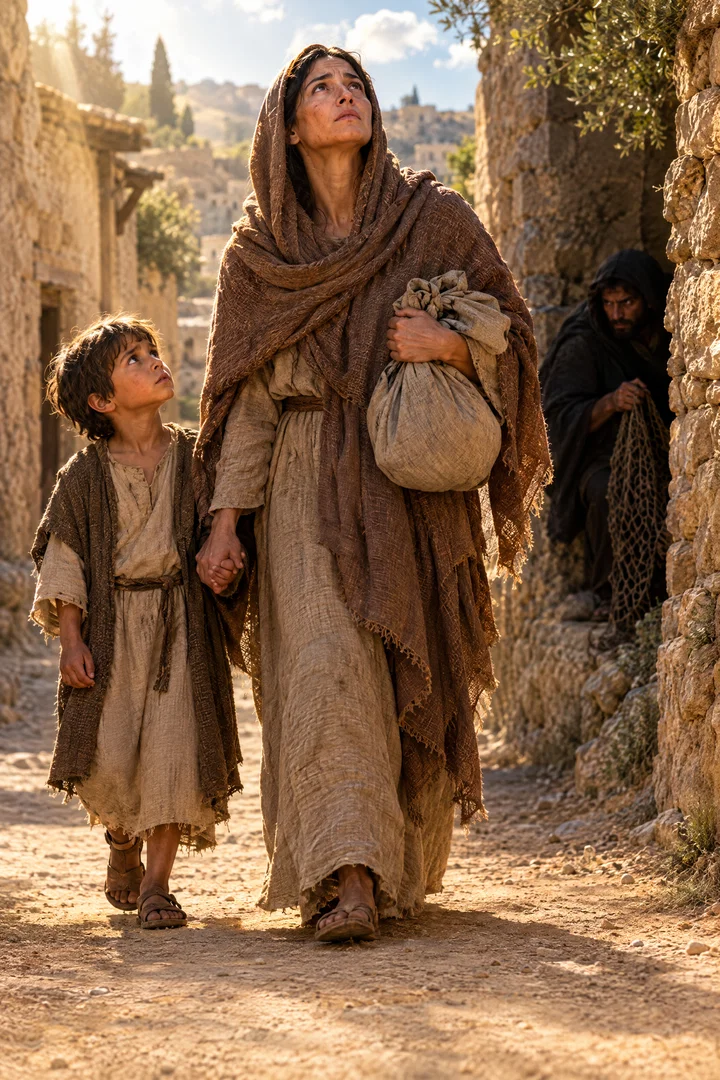
To judge the fatherless and the oppressed, that the man of the earth may no more oppress.
Translations
American King James Version, King James Version, Webster Bible
To judge the fatherless and the oppressed, that the man of the earth may no more oppress.
To judge the fatherless and the oppressed,
That the man of the earth may no more oppress.To judge the fatherless and the oppressed, that man which is of the earth may be terrible no more.
To judge the fatherless and the oppressed,
That man who is of the earth may be terrible no more.To judge the fatherless and bruised: He addeth no more to oppress — man of the earth!
To do justice to the fatherless and the oppressed one, that the man of the earth may terrify no more.
To vindicate the fatherless and the crushed, A man of the earth, shall, no further, cause terror!
Berean Standard Bible, Majority Standard Bible
to vindicate the fatherless and oppressed,
that the men of the earth
may strike terror no more.to judge the fatherless and the oppressed,
that man who is of the earth may terrify no more.To give decision for the child without a father and for the broken-hearted, so that the man of the earth may no longer be feared.
To iudge the fatherlesse and poore, that earthly man cause to feare no more.
Douay-Rheims (Challoner revision)
To judge for the fatherless and for the humble, that man may no more presume to magnify himself upon earth.
Pictures
Cross-references
- Psalms 9:8-9
And he shall judge the world in righteousness, he shall minister judgment to the people in uprightness.
God judges righteously and is a refuge for the oppressed.
- Psalms 10:1-2
Why standest thou afar off, O LORD? why hidest thou thyself in times of trouble?
The righteous ask why God seems distant while the poor are persecuted.
- Psalms 10:12
Arise, O LORD; O God, lift up thine hand: forget not the humble.
The wicked claim God will not see, while the humble cry for him to act.
- Psalms 10:8
He sitteth in the lurking places of the villages: in the secret places doth he murder the innocent: his eyes are privily set against the poor.
Both describe the wicked targeting the poor and innocent.
- Psalms 11:5-6
The LORD trieth the righteous: but the wicked and him that loveth violence his soul hateth.
God judges the wicked and ends violence, vindicating the upright.
Commentary
Each commentary is drawn from primary sources: the writings of Ellen G. White and Adventist pioneers and periodicals. Each commentary is separate. Its own words are not a quotation; follow the references to read the source passages.
Ellen G. White
1 source
The verse looks to the final establishment of God's kingdom, when those redeemed who kept His commandments pass through the pearly gates.Lt 224, 1906, par. 17 Then Christ reigns forever in glory as King in Mount Zion and in Jerusalem before His elders.Lt 224, 1906, par. 17 At that time the heathen have perished out of His land, and He has heard the desire of the humble, prepared their hearts, and caused His ear to hear them.Lt 224, 1906, par. 17 Then He vindicates the fatherless and the oppressed and brings earthly oppression to a permanent end.Lt 224, 1906, par. 17 Mortal man of the earth will never be able to crush them again.Lt 224, 1906, par. 17
Sources
Pioneers and periodicals
5 sources
Psalm 10:18 comes after the completion of the Joseph story — his meeting with his brethren, the fulfilment of his dreams, Jacob taken down into Egypt, Jacob's blessing upon his sons and death, and Joseph's death — and after Israel peaceful and prosperous in Egypt and then oppressed by new kings who knew not Joseph because Israel was fruitful and increased, yet multiplying and growing the more they were persecuted and oppressed, with the birth and preservation of Moses, his flight to Midian to keep sheep for forty years, and God's call to him to deliver Israel from Egypt, with Psalms 11 and 12 belonging in that same sequence.ST Jan 28, 1913 It belongs among prayers and assurances of divine help and final deliverance amid the Hebrew captives' suffering under persecution.RH Aug 31, 1916 It is an inspired prayer expressing God's will toward the children of men.ST Jan 16, 1912 It is not a wish for vengeance upon the wicked but a plea that God will execute justice for the sake of the poor and the oppressed.ST Jan 16, 1912
To judge in the verse means to govern and carry out divine justice, not merely to pronounce sentence. God hears the humble and judges in defense of the fatherless and oppressed, so that earthly oppressors can no longer abuse them.RH Aug 31, 1916RH Nov 11, 1915RH Feb 28, 1854 Present oppression does not mean God is unaware or will remain silent, because a day of retribution is coming when each person receives a just reward.RH Nov 11, 1915 This deliverance is connected with God's reign and the coming of the Lord, and his people seek his help when they recognize that only God can free them from oppression.RH Feb 28, 1854 Christ administers God's government according to the gospel, by which people are acquitted or condemned, and that judging includes administering justice for the fatherless and oppressed and ending the power of the oppressor.RH Feb 28, 1854
Sources