The first German camp-meeting was held at Friedensau, Germany, July 5-15. Four hundred were present. Statistics showed over 400 baptisms last year, with an increase of 251 church-members, bringing the number in this conference up to 2,000. Two ministers were ordained, one for work in Hungary, and the other for Holland.
OUR WORK AND WORKERS.
By Editor
THE addition of four members to the church at Grand Junction, Colo., and three at Glenwood Springs, is reported by Brother L. H. Proctor.
THE Review and Herald is now issuing a Library in both the Danish and Swedish languages. "Marshaling of the Nations" will be No. 2 of the Swedish and No. 3 of the Danish Library.
THE brethren at Anoka, Minn., have purchased the Baptist Church at that place. It is a good-sized building, with lecture-room and basement, and is well adapted for church-school purposes. So says the Worker.
As a result of meetings held at Pagosa Springs, Colo., Brother G. W. Anglebarger reports that eight adults have taken a firm stand for the truth. A Sabbath-school has been organized, and book sales have been encouraging in the community.
THE Religious Liberty Library, issue Vol. 1, No. 10, of September 17, is entitled "Religion as a Support of the State." It contains important matter for our time, in view of the general tendency toward a closer union of the church with the State. Illustrated. Price, 1 cent.
THE Colorado Sanitarium at Boulder is forming its fifth training class for nurses. It is becoming more and more recognized that in sickness much depends on good nursing, and that ability in that line is a very effective auxiliary qualification for missionary work.
AT the recent session of the Illinois Conference, officers were elected as follows: President, N. W. Kauble; vice-president, R. F. Andrews; secretary, C. H. Castle; treasurer, G. A. Wheeler; missionary agent, R. B. Craig. The Sabbath-school officers are: President, Mrs. Hattie E. Kauble; vice-president, Jean Phillips; secretary, Lou K. Curtis. Five new churches were added to the conference.
THE New York Conference recommends that "our churches and people put forth more earnest efforts in the circulation of the Signs, in selling it in our large cities and towns from house to house, in places of business, and saloons, in obtaining short-term subscriptions and delivering them in person, in encouraging agents to canvass for long-term subscriptions, in using the paper in Bible-reading work, and in taking the paper in clubs for vigilant missionary and deposit work." And all this is just as good for other conferences as for New York.
IF you want to give something to help along the urgent message, and have something to give, don't wait for a call; don't wait for a stated occasion; don't wait to see what some one else is going to do; don't say, "There is no use of my giving unless all the others do;" just give—if it be but a dollar—and give for Jesus' sake. The voluntary gift, and not the gift under pressure, is what God accredits. Giving because others do is giving "to be seen of men." Remember that the widow's two mites was "more than they all" who had "given of their abundance."
SOMETIMES old people think their days of usefulness are past, even while they are able to travel about. We are always glad to note exceptions. Brother George B. Thompson, in going the rounds of New York Conference, of which he is president, mentions in the Indicator that while in West Pierrepont he met Brother H. H. Wilcox and wife, "who, with horse and buggy, are going from place to place selling books and interesting the people in the truth." Brother Wilcox has passed his eightieth year, and, as might be expected, of course, "his faith in the message is growing brighter day by day."
PERIODICALS WANTED.
By Editor
LATE clean copies of the SIGNS to be used in a rack at the railroad depot. Address, post-paid, Mattie Pippenger, Tama, Iowa.
CLEAN copies of SIGNS, Review, Instructor, and Our Little Friend, for missionary work. Address, post-paid, R. T. Nash, Quitman, Miss.
LATE clean copies of any of our publications for paper racks. Address, post-paid, W. J. Hurdon, 458 Day Street, Galesburg, Ill.
TO KEENE ACADEMY STUDENTS.
By Charles C. Lewis
KEENE ACADEMY opens October 24. From that time till June the climate is delightful. If you are unable to endure the rigors of a northern winter and do good work in school, try it at Keene. Physician teacher in home. Will old or new students please let me know by October 15 if they are coming? Let no one stay away for fear there will not be room. We'll make room for all who come. The prospect is good for a large attendance of excellent students. Send for special number of the Industrial Educator, containing last words to students before school begins.
C. C. LEWIS.
Keene, Texas.
SANITAS NUT FOODS
The Most Remarkable Dietetic Discoveries of the Century
Do away with the risks incurred by meat-eating. They are not substitutes for anything, but are nature's original foods, imparting vigor, health, and mental activity, and making life worth living. For 10 cents in stamps to pay postage, we will send you free, samples, recipe book, and a copy of the Nut Cracker. Ask your grocer for our foods.
SANITAS NUT FOOD CO., Ltd.
110 WASHINGTON AVE., N. Battle Creek, Mich.
AGENTS FOR THE PACIFIC COAST
St. Helena Sanitarium Health Food Co.
St. Helena, Cal. 1422 Market St., San Francisco, Cal.
THE ATONEMENT.
By Eld. J. H. Waggoner
AN EXAMINATION OF
A REMEDIAL SYSTEM, IN THE LIGHT OF
NATURE AND OF REVELATION.
BY ELD. J. H. WAGGONER.
THIRD EDITION, REVISED AND GREATLY ENLARGED.
THIS work is a critical and exhaustive treatise on the plan of salvation as revealed in the Scriptures, showing its harmony with the principles of justice and mercy, its consistency with reason, and its final results as affecting the destiny of the human race. 368 pp.; cloth, $1.00.
Address. PACIFIC PRESS, Oakland, Cal.
Genuine Waltham Movements
By Editor
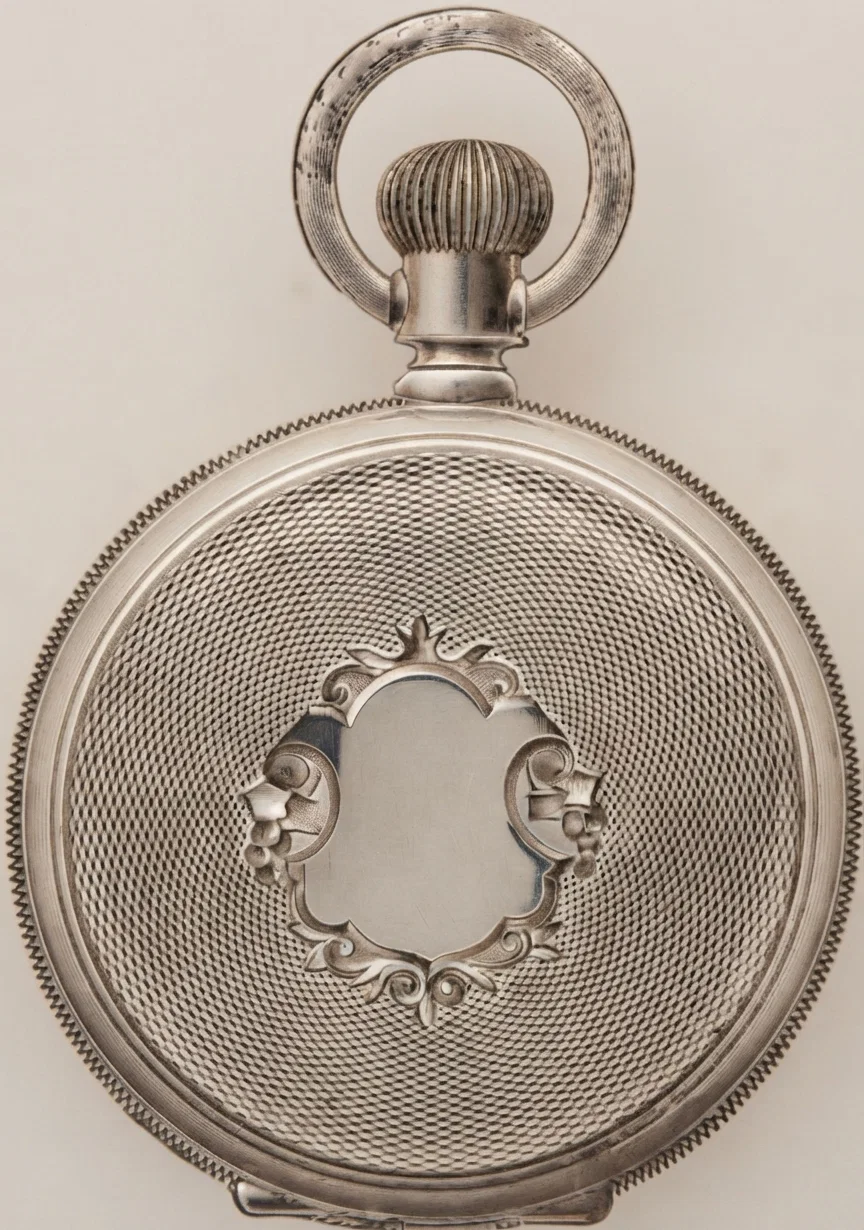
Gentlemen's Watch
The works are solid nickel. It contains fifteen jewels, compensated balance, patent breguet hair-spring. The case is solid silver, either open face or hunting. It is handsome, but not showy; valuable, but suggests no extravagance; a neat, attractive, and very serviceable watch. Stem winding and setting.
One of the above described watches given free to every one sending us 15 new yearly subscriptions to the "Signs of the Times" at $1.50 each
Ladies' Watch
Also has solid nickel works, seven jewels, patent breguet hair-spring, solid silver case, very neatly engraved, beautiful hunting, or open face if preferred. Stem wind and set.
This is given free to every one sending us 10 new yearly subscriptions to the "Signs of the Times" at $1.50 each
The Waltham is too well known to need any recommendation. In the above offer the publishers sincerely believe is a rare chance to obtain a good watch. We have examined them personally, and can recommend them as being just such watches as we would be inclined to purchase. Those watches would usually retail for at least $15.00 and $10.00 for the gentlemen's and ladies' respectively.
This offer is made as liberal as possible because the object is not to make a profit on the premiums, but simply to encourage readers and friends to aid in increasing the circulation of the SIGNS.
N. B. If preferred, you can have the Elgin movement instead of the Waltham
If interested in the offer, write us, addressing
SIGNS OF THE TIMES
OAKLAND, CALIFORNIA
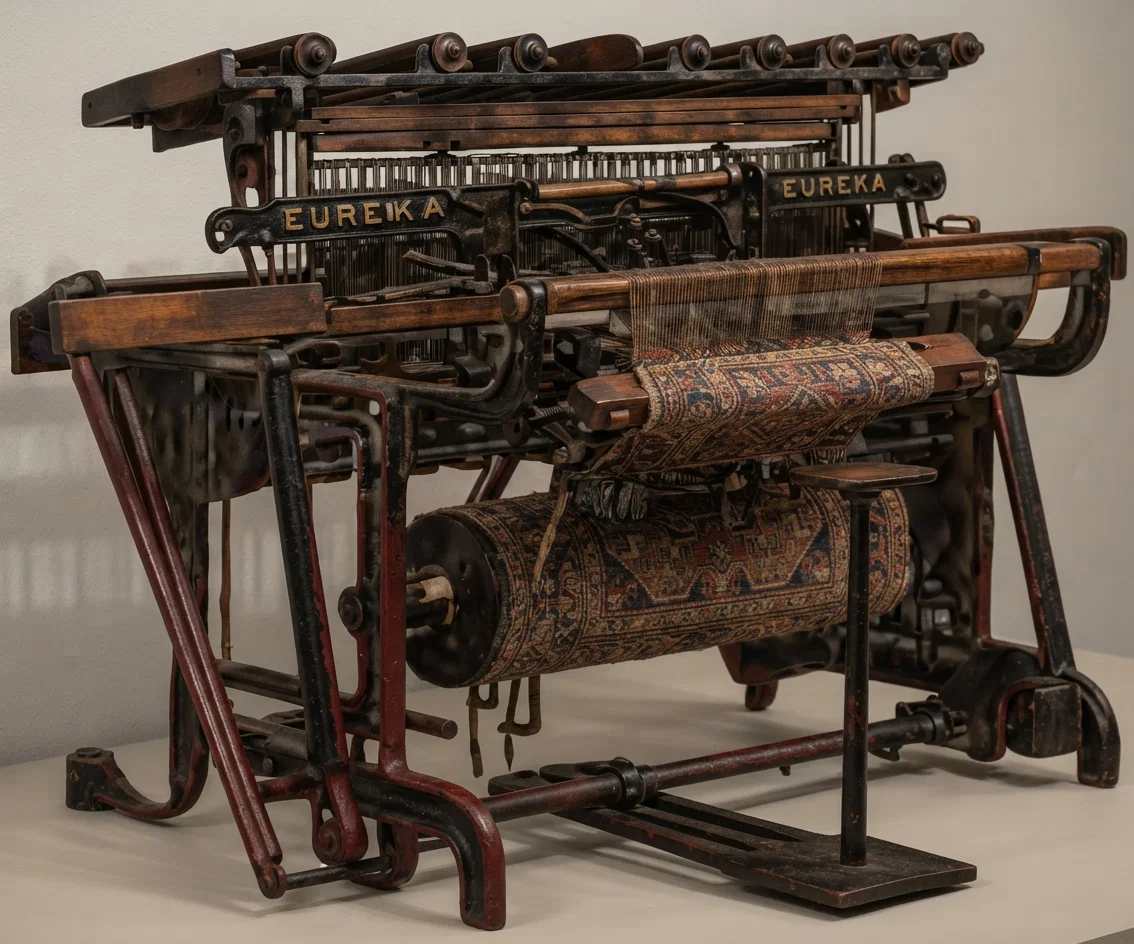
FLY SHUTTLE CARPET LOOM
The best, handiest, easiest running, cheapest, and most durable
FLY SHUTTLE CARPET LOOM
In the world,—100 yards a day. Catalogue free.
EUREKA LOOM CO.
5018 Main St., Battle Creek, Mich.
When you write, please mention the SIGNS OF THE TIMES.
Flesh Eating and Disease
Dr. Alexander Haig, the eminent specialist, of London, England, says: "The less animal flesh that people take, the better they come out in trials of force production, and especially in endurance;" and medical authorities everywhere are agreed that the eating of flesh meats is a prolific source of cancer, chronic rheumatism, and gout.
11 "AND He said, A certain man had two sons; and the 12 younger of them said to his father, Father, give me the portion of thy substance that falleth to me. And he divided 13 unto them his living. And not many days after the younger son gathered all together, and took his journey into a far country; and there he wasted his substance with riotous 14 living. And when he had spent all, there arose a mighty 15 famine in that country; and he began to be in want. And he went and joined himself to one of the citizens of that country; 16 and he sent him into his fields to feed swine. And he would fain have been filled with the husks that the swine did eat; 17 and no man gave unto him. But when he came to himself he said, How many hired servants of my father's have bread 18 enough and to spare, and I perish here with hunger! I will arise and go to my father, and will say unto him, Father, I 19 have sinned against heaven, and in thy sight; I am no more worthy to be called thy son; make me as one of thy hired 20 servants. And he arose, and came to his father. But while he was yet afar off, his father saw him, and was moved with compassion, and ran, and fell on his neck, and kissed him. 21 And the son said unto him, Father, I have sinned against heaven, and in thy sight; I am no more worthy to be called 22 thy son. But the father said to his servants, Bring forth quickly the best robe, and put it on him; and put a ring on his 23 hand, and shoes on his feet; and bring the fatted calf, and kill 24 it, and let us eat, and make merry; for this my son was dead, and is alive again; he was lost, and is found. And they began to be merry."
NOTE.—The lesson section includes the lesson, with a brief review of the other parables of the chapter. Learn by heart verses 21-24; Ps. 103:13; and Isaiah 55:7. As examples of wandering away from God, and its consequences, the teacher may cite the case of Adam, of Jonah, of the Israelite nation, of the welcome for the wanderer, see Isa. 1:18; 55:3; 56:7; Matt. 11:28; John 3:16; Rev. 22:17; Rom. 5:8; Eze. 33:14-16.
Golden Text: "I will arise and go to my father." Luke 15:18.
SUGGESTIVE QUESTIONS.
(1) Who are brought to view in verse 11? (2) What demand did the younger of the two sons make of his father? What did the father do? V. 12. Note 1. (3) What did the younger son soon do? Where did he go? What became of the portion which his father had given to him? V. 13. (4) When he had spent all, what occurred in that land? What was the condition of the young man? V. 14. Note 2. (5) In his dire need, what did he do? What work was he given to do? V. 15. (6) What was the extent of his hunger? Did any one come to him to relieve his distress? V. 16. Note 3. (7) What effect did his condition finally have upon him? What did he begin to say to himself? V. 17. (8) What did he finally declare he would do? What would he say to his father? V. 18. (9) What does he say of his own unworthiness? What was he willing to become in his father's household? V. 19. (10) After making this resolution, what did he do? Who recognized him first? Where was he when his father saw him? How did his father feel toward his erring son? What did he do? V. 20. Note 4. (11) Repeat the humble confession of the erring son. V. 21. (12) But what did the father tell the servants to do? V. 22. (13) What other directions did the father give concerning his son's reception? V. 23. (14) What did the father give as a reason for thus doing? What did the members of the household then begin to do? V. 24. Note 5.
NOTES.
1. He divided unto them his living.—That is, he gave to each the portion that belonged to him. The older son, according to Jewish law, inherited a double portion. The younger would thus, at his father's death, inherit one-third of the property; but he desired his father to anticipate the future and give him his portion then. The householder is our heavenly Father, full of love for His children. The younger son represents the publicans and sinners, the receiving of whom called forth the criticism of the Pharisees, represented by the elder brother. All penitent and returning sinners are the younger son. This parable teaches that the publicans and sinners were brethren of the scribes and Pharisees, and should have been treated as such.
2. When he had spent all.—When his money was gone, his riotous companions had no further use for him; his conscience tortured him; his heart was empty. The world is a terrible desert for the man who has spent all in its service. When we have thrown our whole life and energies into the pleasures of the world, then comes a famine of soul, and the wise man and the wise woman will say as did the prodigal son, "I will arise and go to my Father." To go on in sin is starvation of soul; to return to Father's house means the satisfying of the soul with the bread of life.
3. The husks that the swine did eat.—"These husks15are the pods and seeds of the locust or carob tree, a common evergreen tree bearing an abundant crop of fruit,—long, curved pods, which are used for feeding cattle. They are capable of sustaining human life, like the acorns of the oak, eaten by our Saxon ancestors in times of scarcity. Latin classical authors speak of the locust bean as the food of the most miserable of the people in the last extremity." —Sunday School Times.
4. His father saw him.—When still the son was a great way off, his father saw him. God sees the repentant sinner when he is still a great way off, and recognizes his repentance. When the prodigal turns with real heart yearning after God, real repentance for sin, God meets him with forgiveness, and puts upon him the robe of Christ's righteousness; the ring, showing his acceptance before God; the shoes, showing that he is a member of God's family. In the East, the giving of a ring conferred power, authority. It was worn by men of position or property. It was a sign that the son was re-enstated as a member of the household. Compare Pharaoh's gift of a ring to Joseph. Gen. 41:42, 43.
5. They began to be merry.—"The feast indicates the joy of a forgiving God over a forgiven man, and the joy of a forgiven man in a forgiving God." "The feast sets forth the gladness which reigns in heaven over a single returning penitent." "The angels in heaven forget its glories to sing their songs of welcome over a single sinner that repenteth." "This world can never be wholly dark again to any sinner. There are kisses of peace, feasts of plenty, robes of honor, and infinite love that runs to bring them."
17 "Now this I say: A covenant confirmed beforehand by God, the law, which came four hundred and thirty years after, doth not disannul, so as to make the promise of none effect. For if the inheritance is of the law, it is no more of promise; but God hath granted it to Abraham by promise. What then is the law? It was added because of transgressions, till the Seed should come to whom the promise hath been made; and it was ordained through angels by the hand of a mediator. 18 Now a mediator is not a mediator of one; but God is one. 19 Is the law then against the promises of God? God forbid."
IN each of these lessons we repeat a portion of the scripture contained in the preceding lesson, so that the connection may be maintained, and that the student may have opportunity to become thoroughly familiar with it. To this end, also we take but a very small portion in advance. There is surely no reason why everybody should not get the text thoroughly fixed in mind, when so small a portion is given each week; yet the brightest student need not feel that the lessons are too short, for in this portion of the Scripture every sentence is rich enough in suggestion for an entire lesson.
IN the first part of verse 19 the reading of the common version is better than that of the revision. Leaving out the unnecessary word "serveth," which, as indicated by being in italic, has been added by the translators, and not translated from the Greek, we have the question, "Wherefore then the law?" That is the better rendering of the Greek text, and the question is very pertinent, as will be seen by any one who closely follows the line of thought.
IT should be noted that the words "God forbid," which are frequently found in the English translation of the New Testament, are not at all a translation of what is found in the Greek text. The word "God" is not in the corresponding sentence in the Greek. The best rendering that could be given would be "not at all," or "not by any means." The expression is a very emphatic negative.
SUGGESTIVE QUESTIONS.
(1) How long before the giving of the law at Sinai was the covenant made and confirmed to Abraham? (2) By whom and to whom were the promises made? (3) How was the covenant confirmed? (4) The covenant having been confirmed, what could the law do? (5) What relation have the covenant and the promise? (6) Concerning what was the covenant made? (7) How did God give the inheritance to Abraham? (8) By what, then, does the inheritance certainly not come? (9) Since the inheritance comes solely through the promise of God, and not by the law four hundred and thirty years afterward, what question naturally arises?-"Wherefore then the law?" (10) What is the answer to this question?-"It was added [spoken] because of transgressions." (11) What comes by the law?-"By the law is the knowledge of sin." Rom. 3:20. (12) How long was the law to stand as the witness against sin?-"Till the Seed should come." (13) What seed?-"The Seed to whom the promise was made." (14) What promise?-"The promise of an inheritance." (15) To whom was this inheritance promised equally with the Seed?-"To Abraham and his Seed were the promises made." (16) Through whose agency was the law given?-"Through angels." (17) In whose hand was it?-"In the hand of a mediator." (18) Could the law, then, be against the promise of God, altho it came in after the promise was confirmed?-"Not by any means."
NOTES.
1. REMEMBER that to Abraham and his Seed were the promises made, and that the covenant was confirmed by God with an oath. Because God could swear by no one greater, He swore by Himself. The covenant with Abraham is summed up in one word—inheritance. Compare Gen. 17:4-11 with Rom. 4:9-13. God promised to give Abraham and his Seed the whole earth, not in its present condition, but made new. "We, according to His promise, look for new heavens and a new earth, wherein dwelleth righteousness." 2 Peter 3:13.
2. RIGHTEOUSNESS will dwell in this inheritance, for it can be gained only through righteousness,—the righteousness of faith. The inheritance is a free gift, however, and therefore the righteousness that wins it is a free gift from God. "For the promise, that he should be the heir of the world, was not to Abraham, or to his Seed, through the law, but through the righteousness of faith." Rom. 4:13. The "free gift," "the gift by grace," is "the gift of righteousness." Rom. 5:15-17.
3. This covenant also embraces everlasting life, for it is to be an everlasting inheritance. In the confirmation of the covenant by the oath of God, it was said to Abraham, "Thy Seed shall possess the gate of His enemies." Gen. 22:17. This means nothing less than the destruction of death, for "the last enemy that shall be destroyed is death." 1 Cor. 15:26. Abraham received the sign of circumcision, a seal of the righteousness of the faith which he had before he was circumcised, that he might be the father of all them that believe, whether circumcised or uncircumcised. Rom. 4:11. All who believe are Abraham's seed; therefore the promises to Abraham and his Seed include the resurrection of all the righteous, and the destruction of death, which of course means an end of sin, and the renewing of the earth. All this is given by the Lord as the reward of the righteousness which is itself His gift to all who believe.
4. THIS covenant was confirmed four hundred and thirty years before the law was given from Sinai; therefore the entering of the law would have no effect upon it whatever. God never meant to have any one think that the inheritance of righteousness was to be obtained by means of the law given at Sinai; for in that case He would have been taking back His promise; "for if the inheritance be of the law, it is no more of promise; but God gave it to Abraham by promise," and "He can not lie."
5. "WHEREFORE then the law?" What was the use of giving it? It was spoken because of transgressions,—because of faithlessness, for "whatsoever is not of faith is sin." "The law entered, that the offense might abound" (Rom. 5:20); "that sin by the commandment might become exceeding sinful" (Rom. 7:13). "But where sin abounded, grace did much more abound."
6. HOW LONG would the law have this duty to perform,—to testify against sinners and to stand as a witness to their faithlessness and disloyalty?-"Until the Seed should come to whom the promise was made." The Seed "to whom the promise was made" is not yet come. Remember that Abraham is the father of all them that believe, so that the Seed will not be fully come until all who will believe shall have come to the possession of the inheritance. Then will the promise be fulfilled. There will then be no more need of a law to remind men of their sins, for the law will be in the heart of each one, so that there will be no sin. The name of Christ the King will be "THE LORD OUR RIGHTEOUSNESS."
7. WHAT ASSURANCE have we that we can ever be thus at peace with the law which convicts us of sin and condemns us to death?-"This, that it was ordained "in the hand of a Mediator," which is Christ, "for there is one God, and one Mediator between God and men, the Man Christ Jesus." 1 Tim. 2:5. He is the medium by which the kingdom of God and His righteousness are conveyed to us. We have no need to fear the thunders of Sinai, so long as we remember that the law which thunders is in the hand of a Mediator, who gave Himself for our sins, and that the thunders proceed from the throne of grace. Even the thunders of Sinai are but the "loud voice" of the message of God's everlasting love. See Deut. 33:2, 3.
8. "Is the law then against the promises of God?"-Far from it; not by any means. What then?-"It is in harmony with the promise. (1) God did not give it without a purpose; (2) it was not given as a means of obtaining the inheritance which is wholly by promise; (3) but the law is not against the promise; (4) therefore the law must be in the line of the promises. Yes, the law proclaimed from Sinai declares the righteousness which God put into the heart of faithful Abraham, and which He has promised to put into the hearts of all who believe. So, however great it may show our sins to be, however high and impossible to be fulfilled by us are its requirements, so much the more may we rest with rejoicing in the promise and oath of God, who for His own sake blots out all our sins, and works in us His own righteousness. The law indeed requires things of us impossible for weak human nature to perform, but God can do that which is impossible for men; and the immeasurable greatness of the requirements of the law only reveals to us the immeasurable greatness of God's promise.
LESSONS BY MAIL ON MEDICAL ELECTRICITY OR HOW TO USE THE BATTERY
By Prof. G. L. Abell
By Prof. G. L. Abell, Member of the Board of Directors of the Electro-Medical Society of San Francisco
Learn how to use the battery and treat yourself. Many diseases are quickly cured by the proper application of electricity. The course embraces the treatment of every organ and part of the body. The lessons are written in plain language and are illustrated. Course, five dollars. Send for circular. Address,
PROF. G. L. ABELL
School of Chemistry and Electro-Therapeutics
22 Geary St., San Francisco, Cal.
Another Triumph for the
Ball-Bearing DENSMORE
The PACIFIC PRESS PUBLISHING CO., Oakland, Cal., publishers of this paper, wrote us on May 16, 1900: "We purchased our first DENSMORE typewriter about eight years ago, and have had these machines in use in our various departments ever since that time. Have also tried various other makes, but can candidly say that we have found none which gave better satisfaction, all things considered, than the DENSMORE. As an evidence of our faith in this machine, would say that we have just placed an order with your company for nineteen (19) New Densmore Typewriters."
UNITED TYPEWRITER AND SUPPLIES COMPANY
316 Broadway, New York | San Francisco, Cal., 327 Montgomery Street
Offices in Detroit, Grand Rapids | Kansas City, Mo., 714 Delaware Street
and principal cities
Do you read the BIBLE every day?
By Editor
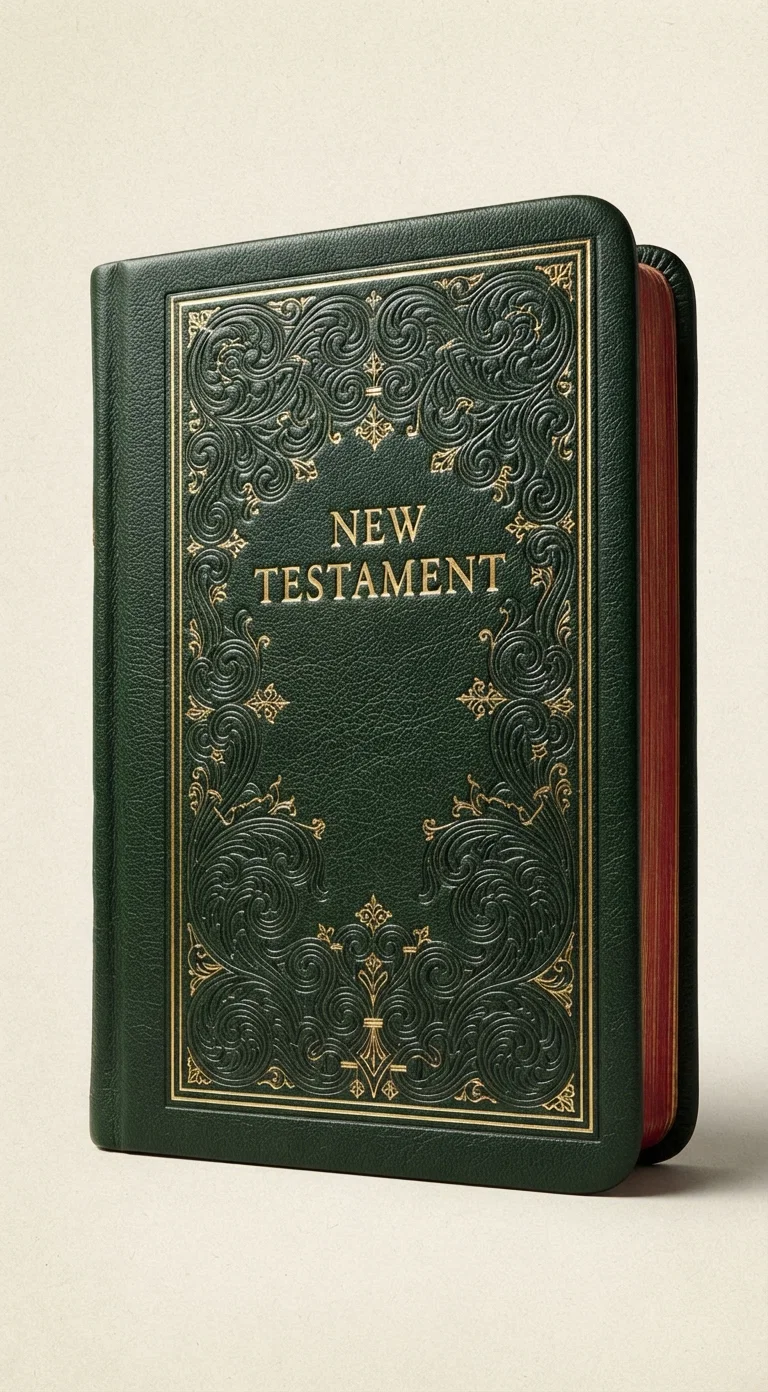
If you carry a copy of our premium Testament in your pocket this will be possible.
To any one mentioning this offer and sending One New Yearly Subscription at $1.50 we will send a beautiful Vest-Pocket Self-pronouncing New Testament, bound in French Morocco, flexible covers, round corners, and red under gold edges.
Printed from the Largest Type ever used in a small Testament.
Size, 2 5/8 x 4 1/4 inches, 3/8 of an inch thick.
SPECIMEN OF TYPE (half page).
THE GOSPEL ACCORDING TO
ST. MARK.
CHAPTER 1.
9 Baptism and preaching of Jesus. 16 Call of four disciples.
THE beginning of the gospel of Jesus Christ, the Son of God;
2 As it is written in the prophets, Behold, I send my messenger before thy face, which shall prepare thy way before thee.
3 The voice of one crying in the wilderness, Prepare ye the way of the Lord, make his paths straight.
4 John did baptize in the wilderness, and preach the baptism of repentance for the remission of sins.
Gal'-i-lee, and was baptized of John in Jor'-dan.
10 And straightway coming up out of the water, he saw the heavens opened, and the Spirit like a dove descending upon him:
11 And there came a voice from heaven, saying, Thou art my beloved Son, in whom I am well pleased.
12 And immediately the Spirit driveth him into the wilderness.
13 And he was there in the wilderness forty days, tempted of Sa'-tan; and was with the wild beasts; and the angels ministered
STYLE OF BINDING
(reduced size).
This is the handiest, prettiest and most useful edition of the New Testament ever published. It takes up so little room that it can always be kept near at hand ready for use. It is easy to read because the type is large, sharp and clear. All those hard proper names are so clearly marked that mispronunciation is well-nigh impossible. A book not only for Christian men, but one needed by every Christian Worker.
EVERY SUBSCRIBER SHOULD HAVE ONE.
Address, SIGNS OF THE TIMES,
OAKLAND, CAL.
Instructions for Ordering.
By Editor
1. REMIT by P. O. Money Order, Express Order, or Bank Draft on New York, Chicago, or San Francisco.
2. If paper money or silver is sent, register the letter.
3. Orders and Drafts should be made payable to the PACIFIC PRESS PUBLISHING CO., or to SIGNS OF THE TIMES.
Postage-stamps.—Please do not send postage-stamps, as they are liable to stick together, and are useless in this condition.
Foreign Money.—Do not send any.
Receipt.—No formal receipt is sent unless by special request. The address label on your paper will indicate the time to which your subscription is paid. In case of non-receipt of papers, or any other irregularity, please notify us immediately.
Expiration of Subscription.—All papers are discontinued at the expiration of the time paid for. Notification will be sent several weeks before date of expiration, thus enabling you to renew in ample time to secure unbroken files. Please be prompt, as we can not always furnish back numbers.
Change of Address.—When ordering change of address, please give both the old and the new address.
Important.—Use a separate sheet for SIGNS orders, separate for other papers, separate for books, for tracts, etc., and if you address the editor, use a separate sheet. All can be sent in one envelope, and the money all sent in one order, but write each kind of business on a separate sheet. In this way each order can be handled to the proper clerk and filled at once.
Articles Desired.—Those which set forth in the Spirit of Christ the great saving truths of God, short and to the point. It is better to treat one important truth clearly, in a short article, than many points vaguely in a long one. We desire no caustic, critical productions, which might minister to personal pride or pleasure, but can not save souls.
TO CONTRIBUTORS.
By Editor
The SIGNS OF THE TIMES is a purely missionary enterprise. For this reason it has felt free to ask for contributions from its friends. It pays nothing for contributions, either prose or poetry, unless solicited by the editor, and then the fact is stated when the articles are asked for. This is a plan rarely followed, but sometimes deemed expedient.
3 Months' Treatment Free
CATARRH
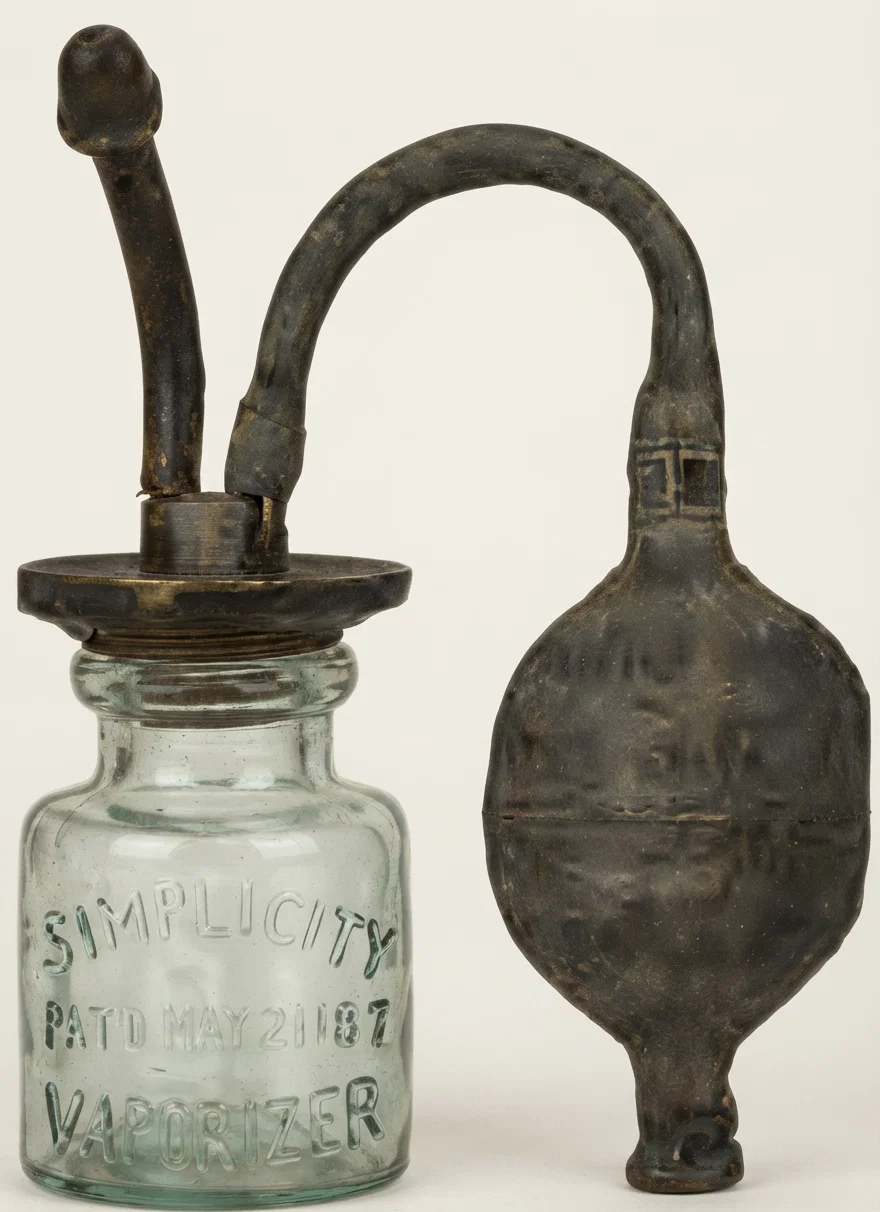
cured by Medicated Vapor produced by the SIMPLICITY VAPORIZER. Recognized by prominent physicians as the only successful method of treating this disease. No home should be without this instrument. It is a real necessity. It will prevent you taking a cold.
I will cure a cough. It will keep the nasal passages in a healthy condition, thus warding off disease germs. If you want proof, send for list of testimonials from those who are using it.
A list of seven formulas for various diseases, that can be made up by a druggist at small cost, sent with the instrument.
BEWARE OF IMITATIONS. The Simplicity is a genuine vaporizer, converting the healing fluids into a vapor resembling smoke. It is not an instrument from which you simply get the smell of the medicine, like some lower-priced instruments advertised under the same name, also under the name of "Inhaler." If not as here represented, money refunded.
Price, $1.50 If ordered now, I will upon receipt of price send enough medicine for three months' treatment Free
Write for low-priced Catalog of Water Bottles, Fountain Syringes, etc.
Address, ALFRED MALLETT, 39 Bond Street, New York City