At the time of the last Presidential election, more or less was said in regard to Mr. Taft’s relationship to Catholicism. It was stated that Mr. Taft’s brother and his wife were Catholics, and more or less prejudice was aroused against him because he himself was a Unitarian. Immediately after the election, Mr. Roosevelt made public a letter which had evidently been written before. In that letter the President said:
“You ask that Mr. Taft shall let the world know what his religious belief is. This is purely his own private concern and is a matter between him and his Maker; a matter for his own conscience; and to require it to be made public under penalty of political discrimination, is to negative the first principles of our government which guarantee complete religious liberty, and the right of each man to act in religious affairs as his own conscience dictates.”
“To discriminate against a thoroughly upright citizen because he belongs to some particular church, or because, like Abraham Lincoln, he has not avowed his allegiance to any church, is an outrage against that liberty of conscience which is one of the foundations of the American life.”
Referring to Mr. Taft’s brother and his wife and the statement that had been made that they were Roman Catholics, Mr. Roosevelt said:
“As it happens they are not; but if they were, or if he were a Roman Catholic himself, it ought not to affect in the slightest degree any man’s supporting him for the position of President.”
Against this letter from the President, the New York members of the Synodical Congress of the Lutheran Church took decided action and gave to the press a letter which argued that
“a consistent Roman Catholic can never sincerely subscribe to the Federal Constitution, or if he does subscribe to it, he never can be expected to abide by it, enforce it, and defend it. Papacy and Vaticanism can not be separated from the Roman Catholic religion.”
The letter however declares:
“We do not wish to be understood as tho we mean to accuse the bulk of the Roman Catholics of being disloyal American citizens. We sincerely believe a great many do not fully realize the position the hierarchy of their church maintains with reference to the principle in question.”
Thomas F. Burke, a priest of the Paulist Fathers, was reported in the New York Times to the effect:
“The Catholic Church has always taught that the state is of itself an independent and perfect society. In his encyclicals, and especially in those in which he spoke in the highest terms of American institutions, Leo XIII insisted clearly upon this point: ‘There are two powers that govern mankind—the ecclesiastical and the civil. These have their distinct spheres and their distinct limits.’”
“No matter how much the church may advocate the union of church and state where ideal conditions prevail, no matter how much she has insisted upon such a union in other lands and in other times, she has never advocated a union of church and state in America. . . . With conscientious rectitude, therefore, every Catholic does, unequivocally, subscribe to the Constitution.”
Copyright 1909, Underwood & Underwood, N. Y.
Hon. Jas. S. Sherman, Vice-president of United States.
On the two sides of the question many have ranged themselves since. Many Protestants have taken sides with the Lutherans; many have kept silent. Many have commended the words of Mr. Roosevelt; some have condemned him; others have said nothing.
If all Catholics had ever taught, and were now talking even as this Paulist priest, doubtless many Protestants would feel differently, but the Western Watchman, one of the leading Catholic papers of America, published in St. Louis, in its issue of October 21 plainly declares:
“The Catholics of this country are Romans. They swear by the pope, they STAND UP FOR PAPAL AUTHORITY. WE PLACE NO LIMITATIONS ON THE JURISDICTION OF THE VATICAN. Any man who is not with the pope, is excommunicate with us.”
That, of course, taken in connection with what Thomas F. Burke says, would clearly show that if conditions were different in America, Roman Catholics would hold to the union of church and state, with the Roman Catholic Church the established church; and yet on the other hand, under the present Constitution of the United States, Mr. Roosevelt is right. We do not know how he could take any other ground than that which he has taken. Just as soon as we rest the matter of suffrage, or citizenship, on one’s religious belief, that principle would disfranchise every one who would in any wise connect religion with the state or admit of religious legislation. Not only that, it would restore the Inquisition of the medieval ages.
There are Protestant sects, like the Reformed Presbyterians, who would hold that this government ought to recognize God in the Constitution and place the various usages, laws, and institutions of Christianity on an undeniable legal basis in the fundamental law of the land. That, of course, would not mean the Christian religion, but would mean that sect’s understanding of just what was the Christian religion; just the same as if the Catholics should have their way, it would mean their understanding of what the Christian religion is. That would also be true of the great Protestant Church Federal Council, which completed its organization recently in the city of Philadelphia; for that council also believes in placing certain religious tenets on an undeniable legal basis. Logically its members would be disfranchised as truly as Roman Catholics would be; because the principles they have adopted are certainly inimical to absolute religious freedom—the 1776 ideal. They place paramount to civil government in civil things a religious body.
The true ground, and the only ground upon which the question can be decided is the ground of the Federal Constitution. The glory of that great far-seeing document is that under its protection and principles men of the greatest religious differences may dwell in peace. Just as long as the Constitution is preserved in its integrity, people of all creeds, religious belief or no religious belief, can dwell in equality under its overshadowing aegis, and be alike good citizens. Just as long as they abide by the Constitution and the laws framed in harmony therewith, there is religious liberty for all. They may disagree, each may consider the other as unworthy of everlasting life, as unchristian in the fullest sense; the Protestants may be counted hopeless heretics by the Roman Catholics, and the Roman Catholics, the mystery of iniquity by Protestants; yet just as long as the principles of the Constitution are in force, all parties stand equal before the law; and that is the right which they ought to have and which ought to be maintained under the Constitution forever; that men could agree to disagree forever if they were so minded; and that no coercion whatsoever should be brought to bear, not only upon either class of those above mentioned, but upon any other class; those who might disagree with both of the great parties, or those who had no religious belief at all. The ground of citizenship lies not in any kind of religious belief or no religious belief, but first of all on the equality of man as recognized by the Constitution; and secondly on his civil conduct as a citizen.
If these principles are regarded; if our Federal Congress and Supreme Court will abide by these principles; if no legislation whatsoever is permitted which has a tendency to connect religion or religious institutions in any wise with the government, if all religious legislation inimical to religious liberty is rejected, set aside; if the liberty of the individual is preserved according to the design of the builders of the government, religious liberty will be assured to its subjects forever, whatever the religion of the people.
Now if Roman Catholics believe in religious liberty, they will not say as the Western Watchman has said, that Lutherans171should be disfranchised because they did not believe in Roman Catholic Presidents; nor would Lutherans or any other class advocate the same thing regarding Roman Catholics. Let every legislator and judge and citizen stand for the principles of the Constitution whatever others may do or howsoever others may be protected by that worthy-to-be-honored instrument. Let President Taft abide by the Constitution. When liberty ceases in this government, it will be because these things have been disregarded by Congress, by legislators, by courts, by executives. Then woe be to the nation, to the church, and to the people!
Vice-President and Cabinet.
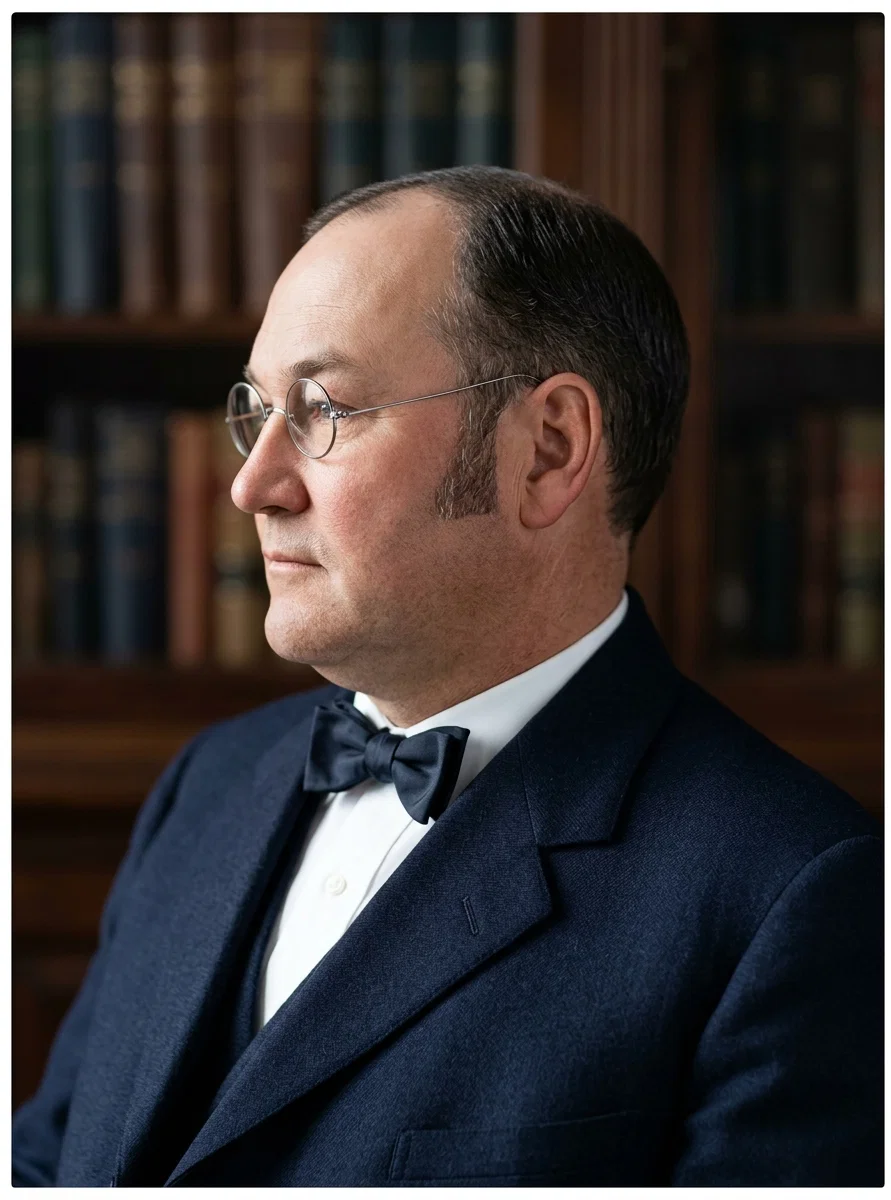
James Schoolcraft Sherman, Vice-president of the United States, was born in Utica, N. Y., Oct. 24, 1855. Graduate of Hamilton College, taking his degree of LL.D. in 1903; admitted to the bar in 1880; has been for years a member of Congress from New York State.
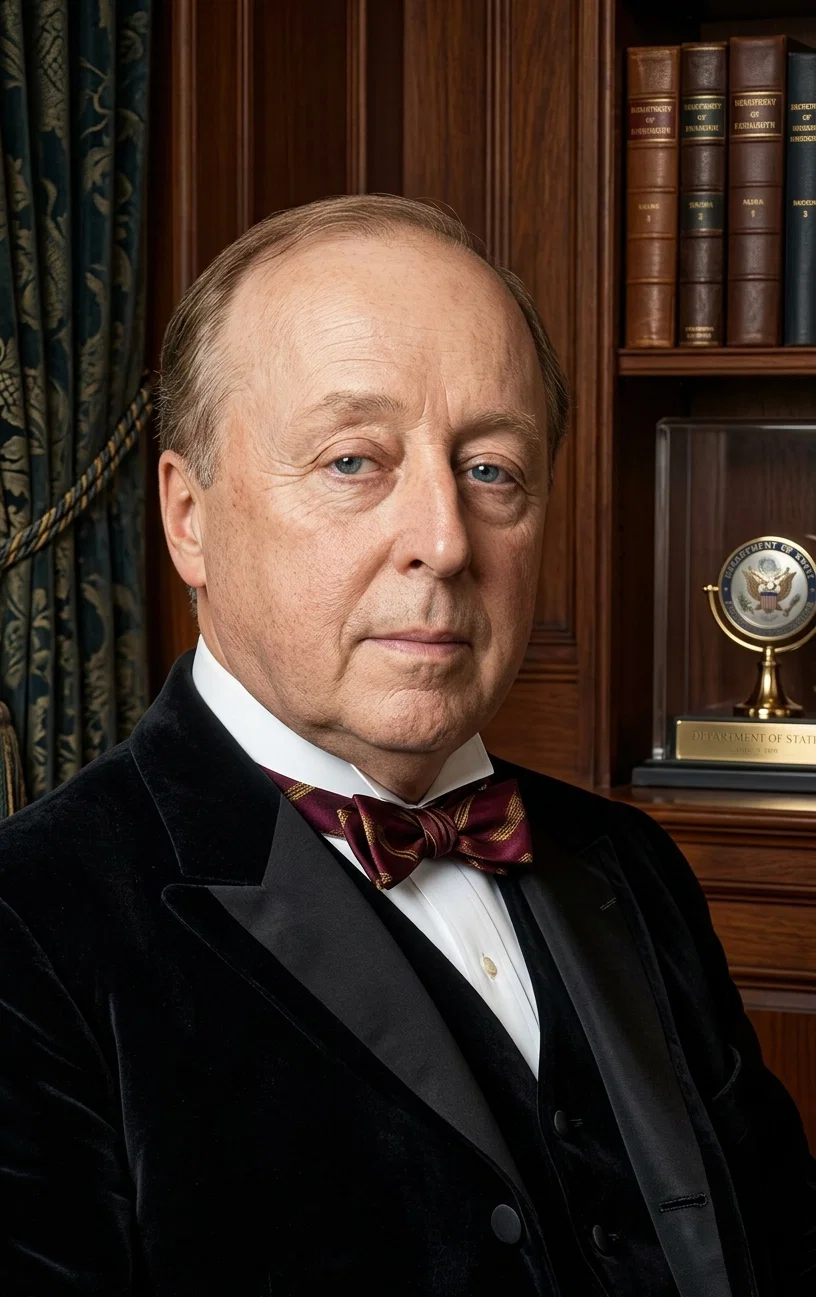
Philander Chase Knox, Secretary of State, was born in Brownsville, Pa., May 6, 1853. Graduate of Mount Union College, Ohio, and University of Pennsylvania; profession, that of law; was attorney-general of the United States April 9, 1901, to June 30, 1904. At the time of his appointment by Mr. Taft he was United States Senator from Pennsylvania. He had a strong following for candidate for President of the United States previous to the nomination of Mr. Taft; is considered an able and tried man.
Franklin MacVeagh, Secretary of the Treasury, was born in Pennsylvania in 1862; but has spent most of his life in Chicago in the grocery business; has inaugurated many important municipal reforms. In 1894 made a canvass for the United States senatorship in the Democratic party, but was defeated; known as a shrewd, capable business man; graduate of Yale and the Columbia Law School of New York, but abandoned the law practise because of ill health.
Jacob McGavock Dickinson, Secretary of War, was born in Columbus, Miss., Jan. 30, 1857; graduate of the University of Nashville; studied law at Columbia College, New York, also in Leipzig, and in Paris. He is a lawyer by profession and has served several times by special commission on supreme bench of Tennessee; was assistant attorney-general of the United States, and is reported in “Who’s Who in America” as a Democrat. He was counsel for the United States before the Alaskan Boundary Tribunal.
Copyright Underwood & Underwood
Philander Chase Knox, Secretary of State.
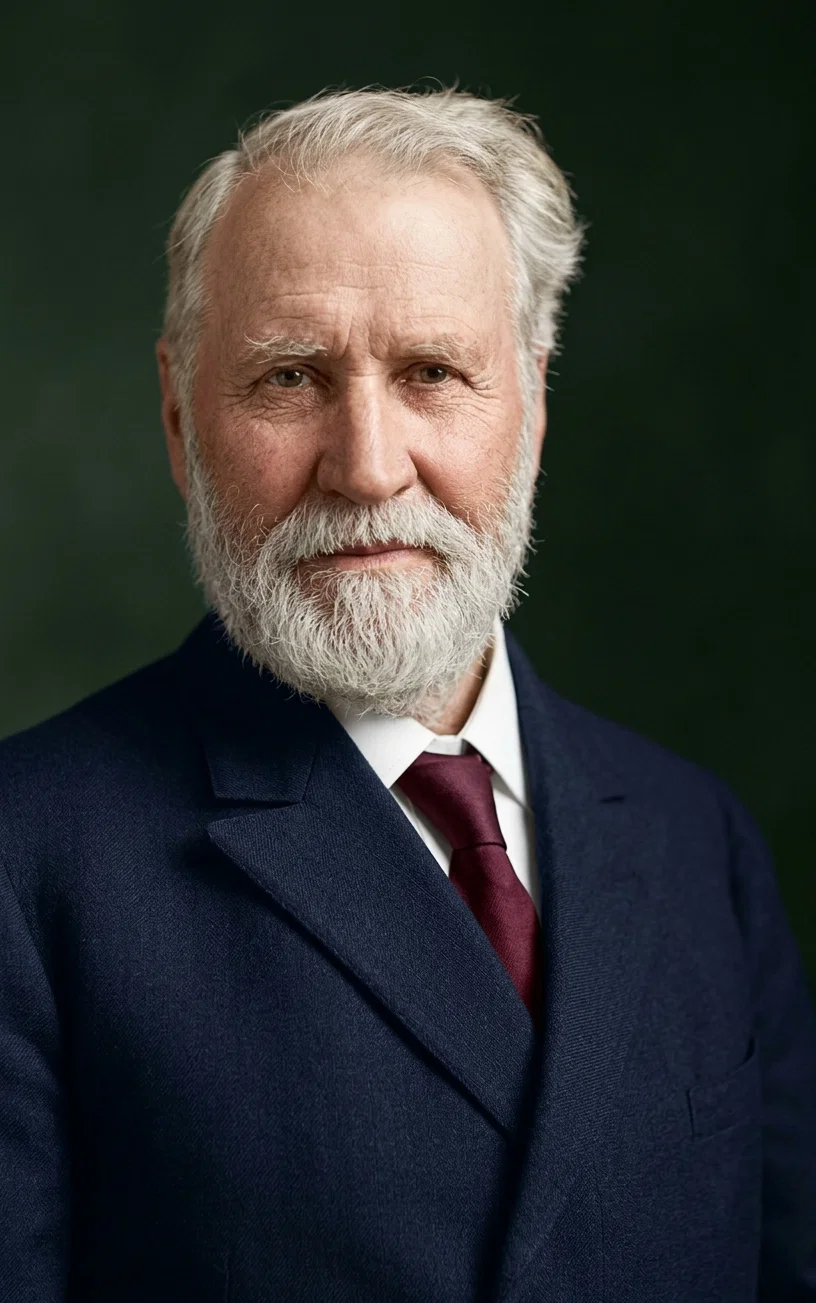
James Wilson, Secretary of Agriculture.
Frank H. Hitchcock, Postmaster-General.
Copyright Harris & Ewing
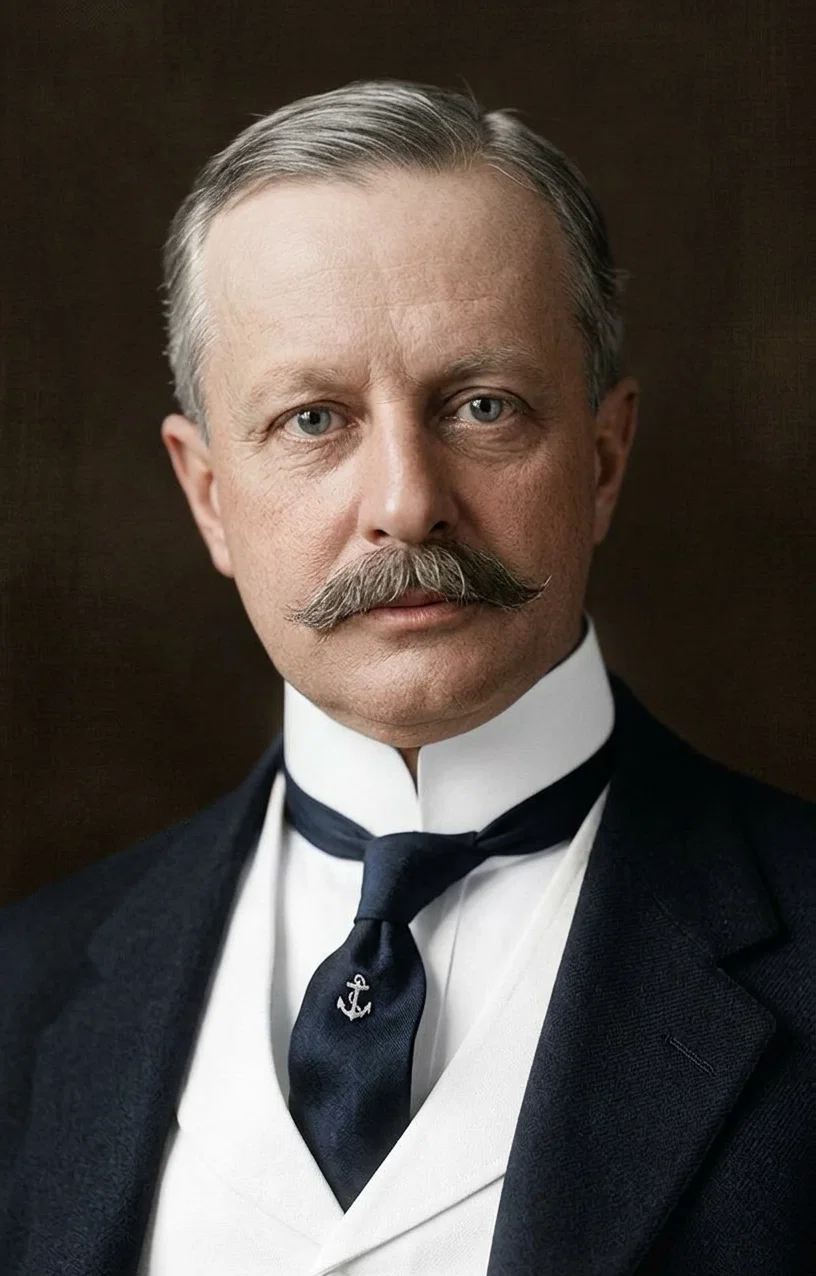
Geo. von L. Meyer, Secretary of the Navy.
George W. Wickersham, Attorney-General, is 58 years of age, a well-known lawyer of New York; partner to Mr. Taft’s New York brother.
Frank H. Hitchcock, Postmaster-General; born in Amherst, Mass., 1867; graduate of Harvard, and Columbia University Law School; admitted to the bar of District of Columbia in 1894, and to the supreme court in 1897; has been a government official since 1891; was first assistant postmaster-general.
George von L. Meyer, Secretary of the Navy. He is from Massachusetts, 51 years of age, has had naval experience; is said to be a great stickler for etiquette and order.
Richard Achilles Ballinger, Secretary of the Interior, was born in Boonesboro, Iowa, July 9, 1858; is a lawyer by profession; graduate of Williams College, Massachusetts; practised law in the state of Washington, also judge of a superior court in that state; member of the law firm of Ballinger, Ronald, and Battle, Seattle; served as mayor of Seattle, and is author of two law books.
James Wilson, Secretary of Agriculture since March 5, 1897, and reappointed by Mr. Taft. He was born in Ayrshire, Scotland, Aug. 16, 1835. He has been all his life a practical farmer; has also served in the Iowa Legislature; holds a degree of LL.D. from the University of Wisconsin, and has done excellent work in the Agricultural Department.
James Nagel, Secretary of Commerce and Labor, is a lawyer from Missouri; 60 years of age; is said to be a man of wealth. He will have no easy task, as he followed a most excellent man, Mr. Straus.
A Bill Threatens Press Freedom
By Editor
One of the bills before the California Legislature, to which we have referred before, is Assembly Bill No. 23 introduced by Mr. Grove L. Johnson; seemingly in itself quite harmless, but which, if enacted into law, would have a tremendous potency for evil. It is a side blow at the freedom of the press. According to the present law, one must file a bond of $500 before he brings suit against a newspaper. The bill is to repeal that part of the statute. That of course would leave it so that every enemy of any country paper could bring suit against the editor, with cause or no cause, making endless trouble, and really prove the destruction of the newspaper.
Japan’s Debt and War Readiness
It has been well said that Japan is not ready to go to war just yet. Her national debt is more than $1,250,000,000. With a population of five ninths that of the United States, its debt is one third larger. An Eastern paper remarks that for a war with the United States, it “could not borrow a dollar in foreign markets;” that “the war with Russia bled Japan white; the drain in men and money was enormous, and the next generation will groan under the cost of dearly bought victories.”
Underwater Wireless Telegraphy Experiment
One of the new developments of wireless telegraphy has been the perfecting of a system by which messages could be sent under water. Mr. Frank B. Dewitt, a Stanford University student, has transmitted a message at five miles in an experiment made at Point Richmond. His method is at the present time kept secret. He simply states that his process is altogether different from the aerial system.
University Enrollment at California
The University of California has registered for the spring semester 2,355 students. Counting the summer session of 1908 there were enrolled 3,571. California stands eleventh in the list of the great universities of the country.
The Tube and Congested Cities
London has 185 miles of underground railway, called “the tube.” And its cars run much more rapidly than local cars in other cities. Where tracks are perfectly clear, and the traffic is not impeded, this can be done much more safely than cars can be run with lower speed on the surface; and this seems to be the only hope of the great, congested American centers like New York and Philadelphia.
A Revivalist Horse-Whipped in Springfield
A noted “revivalist,” W. A. Sunday, so report says, was horse-whipped in Springfield, Ill., February 26, in the presence of eight thousand persons. Mr. Sunday retaliated by knocking the man down, and panic followed till the choir restored order by singing.
Typhoid Vaccination for Soldiers
It is said that inoculation against typhoid fever is a success, and effort will be made to vaccinate all of the soldiers in the army. This will not be made compulsory, but everything apart from compulsion will be used to bring it about.
Danger of Celluloid
A celluloid hair-brush was placed in an oven to dry the other day in San Francisco. Shortly after it exploded with violence. Many do not know that celluloid is highly inflammable. Take warning, and learn.
Coal Mine Explosion Kills Investigators
January 26, an investigating party in a coal mine, who were inspecting it to learn the cause of explosions, were killed in a double gas explosion which occurred. One of the great difficulties in ascertaining the cause is that there is generally no one left to tell the tale.
Florida’s New Carnivorous Plant
A new carnivorous plant has been discovered in Florida. It is extremely small and annual, of deep red color, and exudes a sweet, probably intoxicating liquid of which the insect partakes. The leaves then close up and absorb the insect.
Women in Police Work
Both Germany and Sweden are employing women in connection with their police force. There are certain things regarding women and children arrested where women are much better than men.
A Little about Lima, Peru.
By F. L. Perry
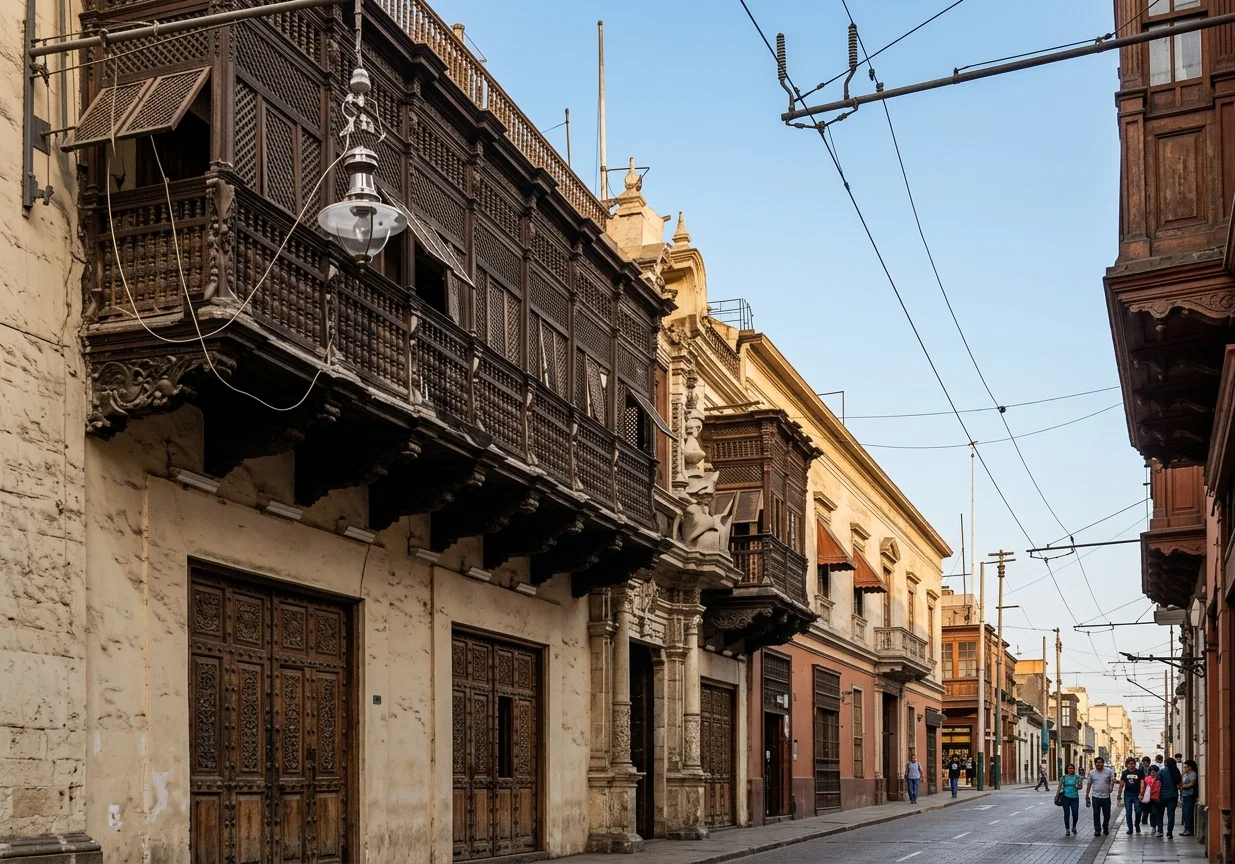
For the traveler there are many interesting things about Lima, Peru. The city was founded by the bold Spanish adventurer, Pizarro, who conquered for his country this wonderful land of the ancient Incas. Remains of the old wall, made largely of stones and earth, still stand as reminders of the tragic story of the past. The great stone bridge, with its arches of solid masonry, built about three hundred years ago, still carries its thousands of pedestrians daily. Many of the ancient houses still stand, apparently in good condition. Perhaps one of the most interesting is the old palace of the Spanish Viceroys. It is situated near the business center of the city and is much visited by tourists. Its massive doors, hung on old-fashioned hinges embedded in masonry, show evidence of the wear of centuries. In the patio protrudes from the wall a huge wooden beam, carved in fantastic shape. This is said to have supported the balances that weighed the gold sent to Spain. In the patios of many of these old buildings are large paintings of Scriptural or historical scenes. Some of these are quite valuable.
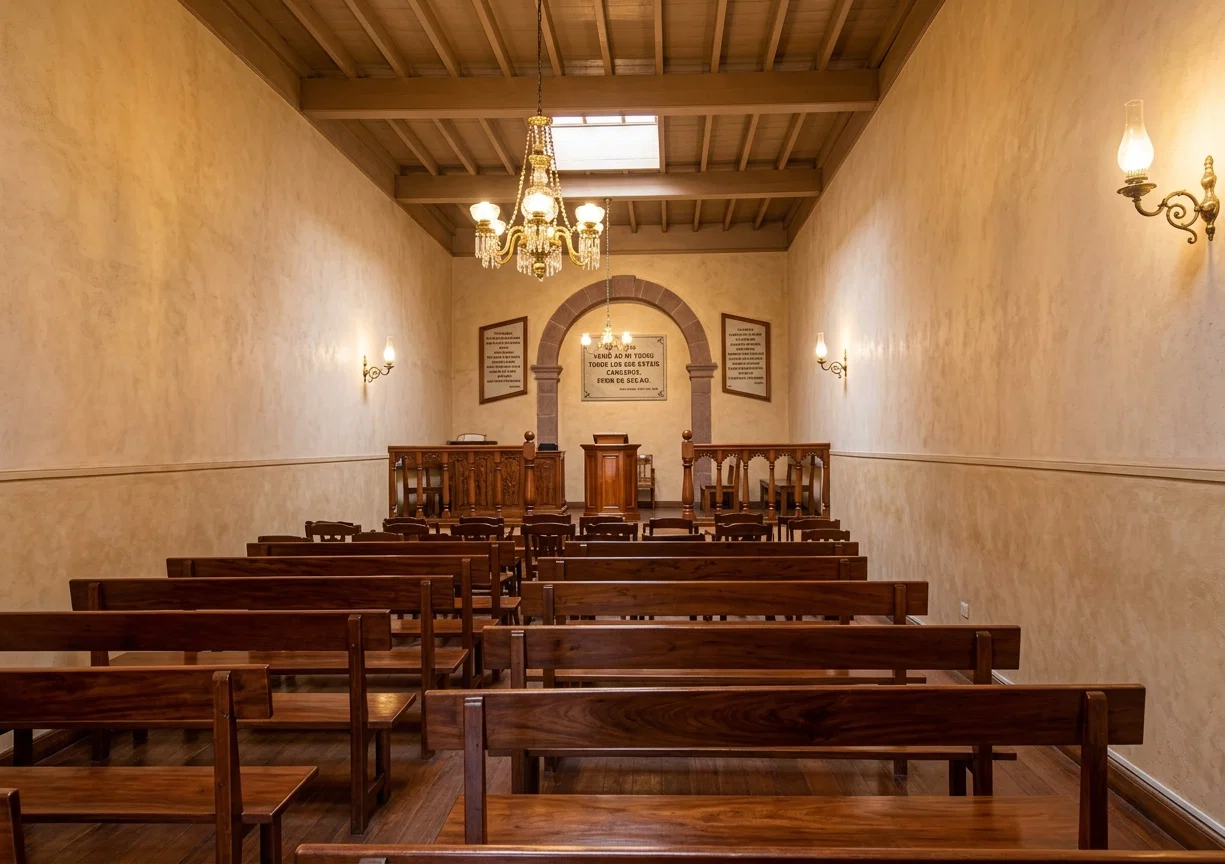
Protestant Mission Hall, Lima, Peru. From a work "Peru," by Miss Geraldine Guinness.
Lima, ancient and modern. The building on the left is an old palace of the Viceroys.
The city has a large number of plazas, or small parks, adorned with trees and flowers as well as statuary. Lima was once very rich in these works of art, but the Chilean conquerors in the war of 1877 to 1883 carried off the most and the best to adorn the streets and parks of Valparaiso. They also despoiled Lima of its fine zoological gardens, said to have been the best then existing in South America.
As one walks the streets of the city, he can not but note the number and size of its churches and convents. Altho the population does not exceed 150,000 and the city covers an area much less than an American city of the like population, still there are fifty-seven Catholic churches and convents. Many of these establishments cover whole squares in the best portions of the city. One of the oldest churches is that of San Pedro. It is still one of the most beautiful and most frequented churches in Lima. Its furnishings must be worth an immense sum. All is arranged to arrest the eye and awe the imagination. To the left as we enter the door, stands a gilded casket, with the front side of transparent glass. Within the casket lies a life-size image of the Saviour, showing in face and form all the signs of a terrible death agony. Above this, in a niche in the wall, stands another life-size image of Christ, crowned with thorns, His hands in chains, and blood streaming from His temples. These are surrounded by other images of “saints.”
As we go forward toward the great altar, we see various groups of images differing in their attitude and arrangement. Special prominence is given to the Virgin Mary; indeed in all the churches which I have visited, she occupies a place much superior to the Saviour.
This church is seldom completely empty. One can find, at almost any hour, kneeling forms bending before these lifeless statues, some praying, some weeping, some making the sign of the cross. Here an old man, there an aged woman, next a youth, or even a child, all seeking for pardon and peace, but going away unsatisfied. How the heart pities these poor suppliants! How we desire to make known to them the free grace of the compassionate Saviour of men!
The other day I visited, in company with a passing missionary, the great cathedral. This building faces on the principal plaza. It was founded by Pizarro himself in the year 1535, altho not fully completed until nearly a century later. The “sacristan” was kind enough to pilot us about the building and tell us something about its treasures.
Fully to describe all the valuable possessions of this edifice would fill a small book. I suppose that they are worth millions of dollars. One of the first things that we noticed was a holy-water fount made of solid copper. It is about four feet high and the bowl is about two and one-half feet in diameter. It was made at the founding of the cathedral in the sixteenth century. In front of the great altar there is a huge mass-book. It is two and one-half feet high and two feet wide and about six inches thick. The leaves are of lambskin. This also was prepared for the church in the sixteenth century and is still used in saying mass.
Surrounding the altar there are twelve pillars one foot in diameter and fourteen feet high. These are heavily plated with pure gold. In a recess by the side of the altar I found a painting fifteen feet square made in 1625 to commemorate the dedication of the cathedral. It is in a good state of preservation.
About midway along the northern wall of the building, in one of the numerous recesses, we saw the beautiful picture of the Virgin which Charles V., of Spain, gave to the cathedral. It is a painting, but the features seem to stand out as if it were in relief. The painting is made to stand on a pedestal of solid silver and is surmounted by a crown of purest gold. At the foot of this image stands a casket, enveloped with a heavy black veil. Our attendant brought a lighted candle, lifted the covering and there, exposed to our view, but protected by a pane of glass the entire length of the casket, lay the mummied remains of a human being. It was the body of the great discoverer and conqueror, Francisco Pizarro.
F. L. PERRY.
Blind.
By W. Sherwood Fox
By W. Sherwood Fox, in S. S. Times.
Like begging children do we ask,
And ask,
For clearer light to shine
Upon our daily task.
But, when the torch divine
Reveals at last
Alike the easy and the rough,
In petulance we cry, Enough!
And cast
The torch upon the ground, resigned
To do the easy in the darkness—blind.
The Gospel Preached to All Nations
“THIS Gospel of the kingdom shall be preached in all the world for a witness unto all nations; and then shall the end come.” Matt. 24:14.
Steadfast in Missionary Work
By Judson
I KNOW not that I shall live to see a convert, but, notwithstanding, I feel that I would not leave my present situation to be made a king.—Judson.
Little Kindnesses.
“You gave on the way a pleasant smile
And thought no more about it;
It cheered a life that was sad the while,
That might have been wrecked without it.
And so for the smile and fruitage fair
You’ll reap a joy sometime — somewhere.”
Our Work and Workers.
At Hastings and Orange Mills, Fla., twelve new believers are reported.
At Montreal a new church building was dedicated on February 6. Brother Eugene Leland assisted in the services.
BRETHREN H. CLAY GRIFFIN and T. W. Field report the organization of a church of nineteen members at Oplin, Texas.
EIGHT persons have taken their stand for the truth at Muscatine, Iowa, through the labors of Brother and Sister G. R. Hawkins.
A RUSSIAN church of fourteen members was recently organized at Williston, N. Dak., by Brethren George Wagner and Schwartz.
FOUR new churches, one of which was German, were admitted to the Ohio conference at the last conference meeting, held in January. H. H. Burkholder was reelected president.
A SANITARIUM for colored people, known as the Rock City Sanitarium, has been opened at Nashville, Tenn., corner of Foster and Stewart Streets. Dr. Lottie C. Isbell-Blake is in charge.
THE officers of the Indiana Conference, elected at the conference held February 1 to 8 at Jonesboro, are: President, Morris Lukens; secretary and treasurer, A. N. Anderson; educational superintendent, Clifton L. Taylor.
BROTHER A. CUMMINGS writes from Moon, Wis.: “There has been a deep interest throughout the meetings, and last evening twenty-six arose to their feet, declaring their intention to keep all the commandments of God.”
Wanted for Missionary Work.
SIGNS and Instructors. W. T. Dawson, 971 Joseph Place, Memphis, Tenn.
SIGNS, Life Boat, Watchman, Life and Health. Mrs. E. J. Poppiewell, Darlington, Mo.
PAPERS and tracts for house-to-house work. Mrs. Lizzie Anderson, 15830 Loomis Ave., Harvey, Ill.
SIGNS, Watchman, Life and Health, Life Boat, Liberty, Instructor, Little Friend, and tracts. No Reviews. Miss Ethel Henry, 1155 Grand Ave., Carthage, Mo.
German Reference Bibles.
The Pacific Press has in stock at its factory and branch offices a select line of German Bibles which it sells at the following net prices, postpaid.
No. 1130—8½x5¼x1½. Cloth, sprinkled edges, brevier, references, heavy board covers, made in Berlin ........................................ $0.75
No. 1116—6¾x4½x¾. Limp leather, red edges, India paper ........................................ $1.25
No. 221—6¾x4½x¾. Morocco, red edges, round corners, India paper ........................................ $1.75
No. 214—6¾x4½x¾. Morocco flaps, gilt edges, paper-lined, thin paper, nonpareil, references, helps, maps, Elberfeld make ........................................ $2.25
No. 225—6¾x4½x¾. Morocco, Oriental cloth-lined, with flaps, red edges, thin paper, nonpareil ........................................ $2.50
No. 226—6¾x4½x1½. Morocco, gilt edges, with flaps, India paper ........................................ $2.50
Address Pacific Press, Mountain View, Cal.
Life and Health
A PRACTICAL health journal, published with a view of meeting hygienic needs in every home; teaching how to care for the health and how to preserve life; prescribing simple home treatments to assist nature in throwing off diseases rather than adding more poison by using drugs or unnatural stimulants as remedies: teaching how to avoid disease as far as possible, how to manage in the home when sickness does come, and how to combat the disease by simple remedies which nature provides.
Send for sample copy and special rates to agents. Price 10 cents per copy or $1.00 per year.
Address, LIFE & HEALTH, Takoma Park, D. C.
Home and Health.
Prepared and edited by a competent committee of home-makers and physicians.
“Home and Health” is a household manual containing two thousand recipes and helpful suggestions on the building and care of the home in harmony with sanitary laws, the preservation of health by clean, consistent living, and the home treatment of simpler ailments and diseases by use of natural, rational remedies instead of drugs.
It contains six sections as follows:
The Home: Its Location, Suggestions on Building, Sewerage, Healthful Surroundings, Water Supply, etc.
General Housekeeping, including all the general features of the housekeeper’s work, such as care of the rooms, Laundering, House Cleaning, Fruit Canning, Pests, etc.
Diet.
Care of the Body.
Care and Training of Children.
The Home Treatment of Disease.
The object of this work is twofold:
(1) The prevention of disease by teaching the principles of life and health.
(2) The classification in convenient form for reference of such recipes and items of information as are most needed in the home.
The book contains nearly six hundred pages; is fully illustrated, and bound as follows:
Cloth, marbled edges, $3.00; library style, $4.00; full leather, $5.00. Address this office.
Signs of the Times Monthly
By Editor
48 PAGES AND COVER
Always brimful of interest. For instance, the April (Resurrection) number contains fine articles on "The Resurrection," "Bible Study on the Resurrection," "A Momentous Present-Day Movement; or Optimistic Mysticism," "The Great Sabbath Gift," "Laymen's Missionary Conference" (recently held at Minneapolis), "Three Worlds," "Sermon on the Mount," "Creation as a Proof of Inspiration," "Studies in the Prophecies," "Revival of the Papacy and What It Means to This Generation." "Current Events," "Home," "Temperance," and "Missions," Departments will contain their usual interesting and helpful articles also.
We printed and sold 15,000 more of the March number than usual. Indication of its increasing popularity, isn't it? Sales people report quick sales. Some are devoting all their time to the work and find it self-supporting; others put in part time only.
A lady in Nebraska recently wrote us:
“I will use five hundred a month anyway, and if the weather does not get too bad, will use more. If I did not know this is the Lord's work, I would become discouraged many times and quit as I have so many good homes offered me; but my life is consecrated to this work, and so long as the Lord gives me health and strength I will scatter these precious pages. And He does bless me with health. When I see what a little tract did, and what a part of a SIGNS did, it does me good and gives me more courage, as our work is to scatter them. It is such a blessing to know that one is doing something in the Lord's work.”
5 to 25 copies, 5c each 25 to 500 copies, 4c each 500 to 1,000 copies, 3 1-2c each 1,000 and up; 3c each
SELLS AT 10 CENTS PER COPY
Representatives wanted everywhere. Write us for free sample copy, and address all orders to your state tract society or the publishers at Mountain View, California.