1 Kings 13:14
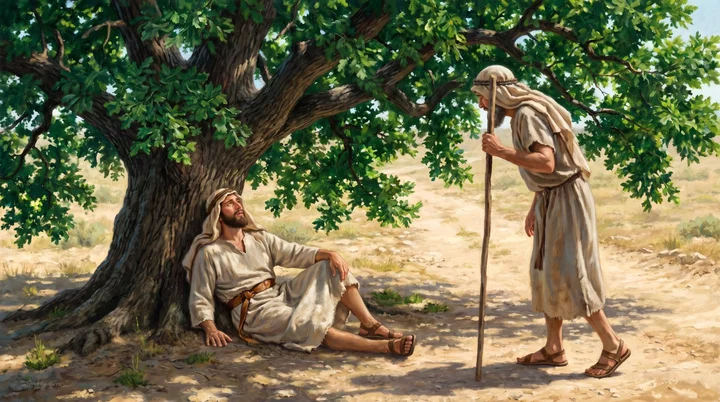
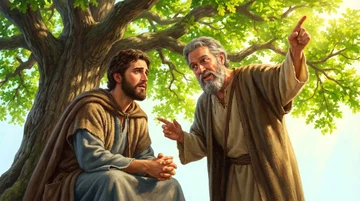
And went after the man of God, and found him sitting under an oak: and he said unto him, Art thou the man of God that camest from Judah? And he said, I am.
Translations
And went after the man of God, and found him sitting under an oak: and he said to him, Are you the man of God that came from Judah? And he said, I am.
And went after the man of God, and found him sitting under an oak: and he said unto him, Art thou the man of God that camest from Judah? And he said, I am.
and went after the man of God, and found him sitting under an oak: and he said unto him, Art thou the man of God that camest from Judah? And he said, I am.
And went after the man of God, and found him sitting under an oak: and he said to him, Art thou the man of God that camest from Judah? And he said, I am.
And he went after the man of God, and found him sitting under an oak: and he said unto him, Art thou the man of God that camest from Judah? And he said, I am.
And he went after the man of God, and found him sitting under an oak; and he said unto him, Art thou the man of God that camest from Judah? And he said, I am.
and goeth after the man of God, and findeth him sitting under the oak, and saith unto him, 'Art thou the man of God who hast come from Judah?' and he saith, 'I [am].'
and went after the man of God, and found him sitting under a terebinth; and he said to him, Art thou the man of God that camest from Judah? And he said, I am.
and went after the man of God, and found him, sitting under an oak. And he said unto him—Art, thou, the man of God who came in out of Judah? And he said—I am.
Berean Standard Bible, Majority Standard Bible
and went after the man of God. He found him sitting under an oak tree and asked, “ Are you the man of God who came from Judah?”“ I am,” he replied.
He went after the man of God, and found him sitting under an oak. He said to him, “ Are you the man of God who came from Judah?”He said, “ I am.”
And went after the man of God, and came up with him while he was seated under an oak-tree. And he said to him, Are you the man of God who came from Judah? And he said, I am.
And went after the man of God, and found him sitting vnder an oke: and he saide vnto him, Art thou the man of God that camest from Iudah? And he sayd, Yea.
Douay-Rheims (Challoner revision)
And went after the man of God, and found him sitting under a turpentine tree: and he said to him: Art thou the man of God that camest from Juda? He answered: I am.
Pictures
Cross-references
- 1 Kings 13:18
He said unto him, I am a prophet also as thou art; and an angel spake unto me by the word of the LORD, saying, Bring him back with thee into thine house, that he may eat bread and drink water. But he lied unto him.
The old prophet falsely claims an angel sent him with a contrary message.
- 1 Kings 13:24-26
And when he was gone, a lion met him by the way, and slew him: and his carcase was cast in the way, and the ass stood by it, the lion also stood by the carcase.
The man of God is killed by a lion after disobeying the Lord’s command.
- 1 Kings 13:9-10
For so was it charged me by the word of the LORD, saying, Eat no bread, nor drink water, nor turn again by the same way that thou camest.
God commanded the man of God not to eat or drink there and to return by another way.
- 2 Kings 23:16-18
And as Josiah turned himself, he spied the sepulchres that were there in the mount, and sent, and took the bones out of the sepulchres, and burned them upon the altar, and polluted it, according to the word of the LORD which the man of God proclaimed, who proclaimed these words.
Josiah fulfills the man of God’s prophecy concerning the altar at Bethel.
- 1 Kings 13:21-22
And he cried unto the man of God that came from Judah, saying, Thus saith the LORD, Forasmuch as thou hast disobeyed the mouth of the LORD, and hast not kept the commandment which the LORD thy God commanded thee,
The prophet is condemned for disobeying God’s command.
- 1 Kings 13:8
And the man of God said unto the king, If thou wilt give me half thine house, I will not go in with thee, neither will I eat bread nor drink water in this place:
The man of God refuses Jeroboam’s invitation.
- 1 Kings 13:2
And he cried against the altar in the word of the LORD, and said, O altar, altar, thus saith the LORD; Behold, a child shall be born unto the house of David, Josiah by name; and upon thee shall he offer the priests of the high places that burn incense upon thee, and men’s bones shall be burnt upon thee.
The man of God foretells Josiah’s actions.
Commentary
Each commentary is drawn from primary sources: the writings of Ellen G. White and Adventist pioneers and periodicals. Each commentary is separate. Its own words are not a quotation; follow the references to read the source passages.
Ellen G. White
4 sources
This verse belongs to the account of the man of God from Judah who had refused the king's invitation but was then pursued by the old prophet from Bethel, found, and persuaded to return to Bethel.Ms 153, 1906, par. 3–6Ms 1, 1912, par. 13–14 It shows the aged prophet finding the man of God sitting and resting beneath an oak.Ms 1, 1912, par. 13–14RH Jul 24, 1913 It records the aged man's question whether he is the prophet who came from Judah and the man of God's affirmation of his identity.RH Jul 24, 1913
The encounter begins the temptation in which the aged man, claiming to be a prophet, falsely said an angel had told him to bring the man of God back to his house, a claim of divine instruction directly opposed to God's word.Ms 153, 1906, par. 3–6Ms 1, 1912, par. 13–14RH Jul 24, 1913Ms 153, 1906, par. 14 Persuaded by that lie, the man of God turned from his assigned course and disobeyed the Lord's command not to eat or drink there, and the deception cost him his life.Ms 153, 1906, par. 3–6Ms 1, 1912, par. 13–14RH Jul 24, 1913 The account illustrates how a false prophet can lead someone away from God's directions by a lie.Ms 153, 1906, par. 14
Sources
Pioneers and periodicals
22 sources
The old prophet from Bethel pursued the man of God from Judah after he left Bethel, found him sitting and resting under an oak, asked if he was the man who came from Judah, received his confirmation, and then invited him to return home to eat.ST Dec 24, 1885RH Mar 17, 1904ST Mar 4, 1880 God had sent that man with the explicit charge not to eat bread nor drink water at Bethel nor return by the same way he came, and that command remained binding until God Himself revoked it with equal clarity.RH Mar 17, 1904RH May 13, 1875ST Feb 7, 1911 Sitting under the oak he listened to the claim of a later message from the Lord to turn back and eat, believed it, ate and drank where the Lord had forbidden him, and for that disobedience was slain by a lion on his return and denied burial with his fathers.RH May 13, 1875ST Feb 7, 1911ST Oct 23, 1884 God means exactly what He says and requires unquestioning obedience, for He does not alter His word and does not give a command by one and then nullify it by another.ST Mar 31, 1898ST Dec 3, 1894RH Mar 11, 1873 God's Word stands above every other word, even a prophet's word, so the man had no right to shift his personal responsibility to another professed messenger but should have waited for an explicit word from the authority who had given the command.ST Feb 7, 1911ST Dec 7, 1882ST Oct 23, 1884
Setting and Encounter
The verse falls within the history of the divided kingdoms of Judah and Israel, spanning about eighty years from the revolt of the ten tribes to the death of Jehoshaphat.RH May 25, 1916 It belongs to the account in 1 Kings 12 and 13 of the separation of the ten tribes of Israel from Judah and Benjamin and the election of Jeroboam as king over the ten tribes.ST Dec 7, 1882 Rehoboam son of Solomon refused Israel's reasonable complaints about overtaxing and oppression by his father, answering that his little finger would be greater than his father's loins and that where his father chastised with whips he would chastise with scorpions, so the ten tribes revolted under a separate government never to be united again.ST Dec 7, 1882 Jeroboam was a man of genius who lacked reverence for God, and though Jehovah had given him the kingdom by prophecy he deliberately set aside God's commands once firmly seated on his throne.ST Dec 7, 1882
It belongs to the account of an unknown and unnamed prophet's prediction against Jeroboam and his altar during Jeroboam's idolatry, including his great sin of making two golden calves at Bethel and Dan for the people to worship.RH May 13, 1875ST May 20, 1913 The man of God had obeyed at first in crying against the altar, refusing Jeroboam's hospitality in obedience to the word of the Lord, and starting back by another way before completing his mission.RH May 13, 1875RH Mar 11, 1873 He is found hungry and thirsty after he had left Bethel, pursued by the old prophet after his sons reported the warning, miracles, and refusal.RH Mar 11, 1873 His stop beneath the oak left him vulnerable to the invitation that would lead him away from the Lord's instruction and bring about his death.RH Apr 6, 1905RH Mar 11, 1873
The verse records the old prophet of Bethel learning the man of God's route, pursuing him from Bethel, overtaking him, and finding him sitting and resting under an oak.ST Dec 24, 1885ST Dec 7, 1882 He asks whether he is the man of God that came from Judah, the man confirms that he is, and the meeting leads to the invitation to return home and eat with him.ST Dec 24, 1885RH Mar 17, 1904ST Mar 4, 1880ST Dec 7, 1882 The aged man had claimed to be a prophet and falsely said an angel had told him to bring the man of God back to his house on the claim of prophetic inspiration.RH Jul 24, 1913RH Mar 11, 1873 That invitation tempts him, persuades him to turn from his assigned course and believe a lie, and deceives him into disobeying God's command.RH Jul 24, 1913RH Mar 11, 1873ST Dec 7, 1882
Prophecy and Inspiration
The man found sitting under the oak is the man of God from Judah in the account of the prophecy against Jeroboam.ST May 10, 1910ST Jun 3, 1913 That prophecy was fulfilled by Josiah.ST May 10, 1910ST Jun 3, 1913 The fulfillment came hundreds of years afterward, just as the Lord had declared.ST May 10, 1910
He belongs to the account of a disobedient prophet.ST Oct 1, 1894ST Dec 26, 1892ST Jun 3, 1913 He nevertheless delivered God's message.ST Dec 26, 1892 God's inspired word could be spoken through a prophet who was not himself obedient.ST Oct 1, 1894 God can use an instrument whose own conduct is not faithful.ST Dec 26, 1892
Lesson of Obedience
The man from Judah was sent to denounce the altar at Bethel under a direct and positive charge to eat no bread and drink no water there, to lodge nowhere at Bethel, and to return home by another way than he came.RH Mar 17, 1904RH May 13, 1875ST Feb 7, 1911ST Dec 7, 1882RH Mar 11, 1873 That explicit command remained binding until God Himself revoked it with equal clarity, and no contrary claim from one who merely professed to speak for God could set it aside.RH Mar 17, 1904ST Dec 7, 1882RH Mar 11, 1873 He obeyed at first in crying against the altar and in refusing the king's hospitality, and he had started back by another way when the meeting under the oak opened the way to disobedience.RH Mar 17, 1904RH May 13, 1875ST Feb 7, 1911RH Mar 11, 1873
While sitting and resting under the oak he was found by the old prophet of Bethel, who had learned his route from his sons after they reported the warning, the miracles, and the refusal, and who pursued him when he was hungry and thirsty after leaving Bethel.RH Mar 17, 1904ST Feb 7, 1911RH Mar 11, 1873 The old prophet claimed a later message from the Lord by an angel that the man should turn back and eat and drink with him in his house, and presented the invitation on the ground of prophetic inspiration.ST Feb 7, 1911ST Oct 23, 1884RH Mar 11, 1873 He believed the claim of a later instruction and believed a lie, turned back from his assigned course, and ate and drank where the Lord had forbidden him.RH May 13, 1875ST Feb 7, 1911ST Oct 23, 1884RH Mar 11, 1873 Because he ate and drank where the Lord had forbidden him his body would not come to the sepulcher of his fathers, for he violated God's command and died in that sin, slain by a lion on his return, which is to die for that sin the second death.RH May 13, 1875RH Mar 11, 1873
His disobedience shows that God means exactly what He says and requires unquestioning obedience.ST Mar 31, 1898ST Dec 3, 1894RH Mar 11, 1873 God does not alter His word, even when the command was given to one person alone, and He does not give a command by one and then nullify that command by another, so the first word should have stood.ST Mar 31, 1898ST Dec 3, 1894RH Mar 11, 1873 He was punished for supposing that God had changed a command He had given, and his death proves the first command remained in force.ST Mar 31, 1898ST Dec 3, 1894RH Mar 11, 1873
God's Word stands above every other word, even a prophet's word, and no prophet, church, or other authority may rightly demand obedience when its words oppose God's clear words.ST Feb 7, 1911ST Dec 7, 1882ST Oct 23, 1884 The man knew his duty from God and had no right to shift his personal responsibility to even a prophet, but should have waited for an explicit word from the authority who had given the command.ST Feb 7, 1911ST Dec 7, 1882ST Oct 23, 1884 He was deceived, yet acting on human authority against God's spoken command was sin even though his motive was to obey, and his later disobedience was not excused even though he relied on the word of someone who had once been a prophet.ST Feb 7, 1911ST Dec 7, 1882ST Oct 23, 1884ST Dec 7, 1882
The account warns that a backslidden minister can be a dangerous decoy even when he bears a sacred title, and God's people must not be turned aside from His word by worldly wealth or the influence of those who have departed from it.ST Feb 7, 1911RH Apr 6, 1905 Few reject the Lord's prophets because they prophesy falsely; many reject them when there is truth in their words that does not contradict God's other words and does not take away individual responsibility.ST Feb 7, 1911 God's commands must be obeyed as given, including their appointed time, which condemns substituting Sunday for the seventh-day Sabbath without divine authority.ST Feb 7, 1911ST Dec 7, 1882
Sources