2 Timothy 4:6
For I am now ready to be offered, and the time of my departure is at hand.
Translations
American King James Version, King James Version, KJV Cambridge Paragraph Bible, Webster Bible
For I am now ready to be offered, and the time of my departure is at hand.
Revised Version, American Standard Version
For I am already being offered, and the time of my departure is come.
for I am already being poured out, and the time of my release hath arrived;
For I am already being poured out, and the time of my release is come.
For, I, already, am being poured out as a drink-offering, and, the season of my release, is at hand,—
Berean Standard Bible, Majority Standard Bible
For I am already being poured out like a drink offering, and the time of my departure is at hand.
For I am already being offered, and the time of my departure has come.
For I am even now being offered, and my end is near.
For I am nowe readie to be offered, and the time of my departing is at hand.
Douay-Rheims (Challoner revision)
For I am even now ready to be sacrificed: and the time of my dissolution is at hand.
Pictures


Cross-references
- Philippians 1:23
For I am in a strait betwixt two, having a desire to depart, and to be with Christ; which is far better:
Both describe Paul’s approaching death as departure, with being with Christ as his hope.
- Acts 20:24
But none of these things move me, neither count I my life dear unto myself, so that I might finish my course with joy, and the ministry, which I have received of the Lord Jesus, to testify the gospel of the grace of God.
Paul remains resolved to finish his course and ministry despite suffering.
- 2 Corinthians 5:4
For we that are in this tabernacle do groan, being burdened: not for that we would be unclothed, but clothed upon, that mortality might be swallowed up of life.
Mortality is swallowed up by life as Paul faces his departure.
- Revelation 14:13
And I heard a voice from heaven saying unto me, Write, Blessed are the dead which die in the Lord from henceforth: Yea, saith the Spirit, that they may rest from their labours; and their works do follow them.
Both describe death in the Lord and the believer’s promised rest.
- Philippians 1:21
For to me to live is Christ, and to die is gain.
Paul faces death as gain while ready to be offered.
- 2 Peter 1:14-15
Knowing that shortly I must put off this my tabernacle, even as our Lord Jesus Christ hath shewed me.
both show apostles language for dying
- Psalms 116:15
Precious in the sight of the LORD is the death of his saints.
Both describe the death of the Lord’s faithful people as precious to him.
- 2 Corinthians 5:1
For we know that if our earthly house of this tabernacle were dissolved, we have a building of God, an house not made with hands, eternal in the heavens.
Both describe earthly life ending and the eternal heavenly dwelling that follows.
- Acts 7:59
And they stoned Stephen, calling upon God, and saying, Lord Jesus, receive my spirit.
Stephen entrusts his spirit to the Lord Jesus as he faces death.
- John 21:18-19
Verily, verily, I say unto thee, When thou wast young, thou girdedst thyself, and walkedst whither thou wouldest: but when thou shalt be old, thou shalt stretch forth thy hands, and another shall gird thee, and carry thee whither thou wouldest not.
Both portray martyrdom as success in apparent defeat.
- Hebrews 9:27
And as it is appointed unto men once to die, but after this the judgment:
Both refer to the certainty of human death.
- Psalms 89:48
What man is he that liveth, and shall not see death? shall he deliver his soul from the hand of the grave? Selah.
Both speak of death as unavoidable.
- John 6:40
And this is the will of him that sent me, that every one which seeth the Son, and believeth on him, may have everlasting life: and I will raise him up at the last day.
Paul’s hope at death is to be raised by Christ at the last day.
- Philippians 3:10-11
That I may know him, and the power of his resurrection, and the fellowship of his sufferings, being made conformable unto his death;
Paul longs to attain the resurrection of the dead.
Commentary
Each commentary is drawn from primary sources: the writings of Ellen G. White and Adventist pioneers and periodicals. Each commentary is separate. Its own words are not a quotation; follow the references to read the source passages.
Ellen G. White
25 sources
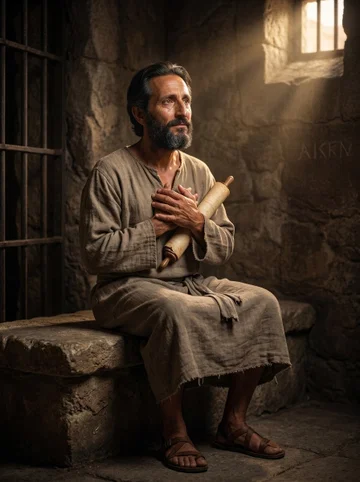
To be offered means his life is about to be poured out in sacrifice, and his departure means his death is near and at hand.Lt 132, 1909, par. 10–12Lt 76, 1900, par. 9–11RH Jan 4, 1912 He speaks from a Roman prison in chains in a dark dungeon under Nero, cut off from light and labor and expecting condemnation at any moment when brought a second time before Nero, writing to Timothy at the close of his ministry and warfare after a life of faithful toil and self-sacrifice.ST Nov 30, 1882RH Jul 31, 1900Ms 46, 1898, par. 22–25Ms 149, 1907, par. 15–18BS 82.1 He faces death as a faithful witness with settled faith, courage and triumphant joy rather than despair, with his heart upon God and his faith grasping eternal things, resting in firm assurance of the crown of righteousness which the righteous Judge will give at Christ's appearing to him and to all who love His appearing.AA 513.1ST Nov 30, 1882Lt 61, 1896, par. 11–12RH Jul 31, 1900DA 549.2–3 His words seal his solemn dying charge before God and Christ who shall judge the living and the dead to preach the Word, be instant in season and out of season, reprove, rebuke and exhort with longsuffering and doctrine, endure afflictions and make full proof of the ministry.Ms 13, 1888, par. 1–9Lt 22, 1906, par. 6–10Lt 61, 1896, par. 11–12 That charge is given because many will not endure sound doctrine but turn to fables, and his courageous and joyful testimony in chains strengthens Christ's witnesses, inspires saints and martyrs in every age, and holds a constant incentive before all to remain faithful and ready to lay down the work at any time.Lt 22, 1906, par. 6–10ST Nov 30, 1882Lt 61, 1896, par. 11–122MR 195.1–196.1Ms 149, 1907, par. 15–18
Setting and Meaning
To be offered means life poured out in sacrifice, and departure means death is near and at hand.Lt 132, 1909, par. 10–12Lt 76, 1900, par. 9–11RH Jan 4, 1912ST May 12, 1914ST Jun 19, 1884 The life is ready to be poured out for God's work as a witness for God's word and Jesus Christ, and the departure at hand is death expected in a Roman prison.RH Jan 4, 1912ST May 12, 1914ST Jun 19, 1884RH Dec 24, 1908
He speaks shut away from light and air and cut off from active labor in the gospel, in chains as a criminal in a dark dungeon while Nero holds power.ST Nov 30, 1882BS 82.1RH Nov 11, 1915GW92 140.1 He expects condemnation and the death sentence cruel Nero will impose at any moment, after being brought a second time before Nero to witness with his life for the faith he held.ST Nov 30, 1882Ms 149, 1907, par. 15–184T 448.1GW92 140.1 He writes to Timothy, the first bishop of the church at Ephesus.Ms 149, 1907, par. 15–18
His approaching death comes at the close of ministry, warfare, and course, after faithful service to God and a life of toil and self-sacrifice for Christ and the truth.ST Nov 30, 1882RH Jul 31, 1900DA 549.2–3Ms 149, 1907, par. 15–18Ms 13, 1888, par. 10–12 It is faithful endurance to the death in which he has fought the good fight, finished his course, and kept the faith.Ms 46, 1898, par. 22–25Ms 13, 1888, par. 10–12Lt 348, 1907, par. 9–10Lt 76, 1900, par. 9–11 His death will magnify Christ and serve the saving of others, sealing his testimony with his blood.DA 549.2–3
He faces death as a faithful witness with settled faith and sublime faith and courage and triumphant joy, without doubt or despondency or despair.AA 513.1ST Nov 30, 1882Ms 87, 1899, par. 18–19RH Jan 4, 1912SLP 334.1 This is the result of sanctification and the firm assurance of one who has faithfully served God.ST Nov 30, 1882RH Jul 31, 1900Ms 87, 1899, par. 18–19BS 82.1 His faith and steadfastness in dark trial are the same as when he preached before the Areopagus and before Felix and Agrippa and in prosperity, undaunted by circumstances and steadfast in integrity with a heart as true as steel.4T 448.1GW92 140.1 His heart stays upon God in the hour of most afflicting trial and most discouraging surroundings just as when God's light and favor seemed upon him, his faith reaches beyond what is seen to grasp eternal things, and the Holy Spirit upholds him through persecution.4T 448.1GW92 140.1 As a conqueror he glorifies God and gives thanks and rejoices, proving Christ's power sufficient in every need.SLP 334.1
His firm assurance rests on the promised reward of righteousness and eternal life with God.RH Jul 31, 1900ST Jun 19, 1884 It is the crown of righteousness which the Lord, the righteous Judge, shall give at that day at Christ's appearing and His kingdom.AA 513.1Lt 61, 1896, par. 11–12Ms 46, 1898, par. 22–25Lt 132, 1909, par. 10–12Ms 13, 1888, par. 10–12 It is laid up not for him only but for all faithful overcomers who love His appearing.AA 513.1Ms 46, 1898, par. 22–25Lt 132, 1909, par. 10–12Ms 13, 1888, par. 10–12
Charge and Example
The verse stands as the seal upon the solemn dying charge given before God and the Lord Jesus Christ, who shall judge the living and the dead at His appearing and His kingdom, laid upon Timothy and upon every minister of the gospel.Ms 13, 1888, par. 1–9Lt 22, 1906, par. 6–10Lt 61, 1896, par. 11–12 That charge is to preach the Word, be instant in season and out of season, reprove, rebuke and exhort with all longsuffering and doctrine, watch in all things, endure afflictions, do the work of an evangelist and make full proof of the ministry.Lt 22, 1906, par. 6–10Lt 61, 1896, par. 11–122MR 195.1–196.1 It was spoken at the point of dying for the faith when the offering in death and the departure were at hand, at the close of ministry after fighting the good fight, finishing the course and keeping the faith, and in view of the crown of righteousness which the Lord the righteous Judge shall give at that day.Lt 61, 1896, par. 11–122MR 195.1–196.1Ms 46, 1898, par. 22–25 It belongs to the instruction of 2 Timothy 3-4, coming immediately after the charge and immediately before the testimony of the finished course and the awaited crown for all who love His appearing.Lt 61, 1896, par. 11–12Ms 46, 1898, par. 22–25Lt 132, 1909, par. 10–12
The charge was given because a time will come when many will not endure sound doctrine but will heap to themselves teachers with itching ears and turn from truth to fables.Lt 22, 1906, par. 6–10Lt 61, 1896, par. 11–122MR 195.1–196.1 It is to be heeded in the perils of the last days as a warning against self-sufficiency, false plans and false theories taught as truth, and as a call to turn those so led away from fables back to the truth.Lt 22, 1906, par. 6–10Lt 132, 1909, par. 10–12 Fulfilling it requires men of prayer, with study of the Word in prayerful diligence and consecration to God's Word under the Holy Spirit speaking in warnings and reproof.Ms 13, 1888, par. 1–9Ms 190, 1901, par. 1 Standing in the desk to give an exposition of the Scriptures is only the beginning of this most solemn work of opening the Scriptures to others, and it must be followed by pastoral work to reprove and exhort and to show wherein there is deficiency, without lording over God's heritage.Ms 13, 1888, par. 1–9
Dealing with human minds is the nicest work ever committed to mortals, requiring the mind of Christ and humble walking with God, meeting prejudice and undisciplined hearts with longsuffering.Ms 13, 1888, par. 1–9 Every soul is to be valued as the purchase of Christ's blood, given for trial and for eternal life, with no partiality for only prophecies and argumentative portions but teaching most of all the lessons given by Jesus Christ Himself.Ms 13, 1888, par. 1–9 Those who bear the charge are to abide in Christ with His Word abiding within, eating His flesh and drinking His blood, growing continually in grace and knowledge and efficiency and power in prayer, reflecting the image of Jesus and living practical godliness as partakers of the divine nature.Ms 13, 1888, par. 1–9 Obedience, virtue, prudence and piety are to be presented from the Scriptures as the obligation of every accountable human being, urged upon the conscience beginning with the duty of parents to educate their children as the foundation stone for building character.Ms 13, 1888, par. 1–9Ms 190, 1901, par. 1
The charge of great importance binds ministers, physicians and all who minister to the sick to faithful evangelistic labor.Lt 22, 1906, par. 6–10 It calls ministers to preach the Word to tempted souls wrestling with the adversary in order to strengthen them for the conflict and to keep the gospel elevated in its sacred character.Lt 61, 1896, par. 11–12 It sets the pattern for under-shepherds to closely follow the Chief Shepherd amid skepticism, apostasy, trial and gloom, with heart stayed upon God and faith reaching to the unseen to grasp eternal things, the same in most afflicting trial and discouraging surroundings as in prosperity.GW92 140.1 For commandment-keeping people facing malicious falsehoods and the long-cherished error that Sunday is the Sabbath, it directs aggressive work on Bible principles with Christlike simplicity, patience, forbearance and love, to convince and not condemn, to stand on eternal truth, to uplift Christ and the Lamb of God who takes away sin, to avoid Satanic weapons and personal passion against unreasonable and wicked men, and to exalt the law of God while loving souls for whom Christ died.2MR 195.1–196.1
The example in the verse shows trust in God's word remaining steadfast and victorious even when helpless before worldly power in chains as a criminal while Nero held power, with God's Word sustaining the faithful against human power and evil.RH Nov 11, 1915 Spoken from a Roman prison shut away from light and air, cut off from active labor and expecting condemnation to death at any moment, and written to Timothy the first bishop of the church at Ephesus after being brought a second time before Nero to witness with life to the faith held, it is a dying testimony without doubt or despondency but with sublime faith and courage that describes the result of sanctification after a life of toil and sacrifice for the truth.ST Nov 30, 1882Ms 149, 1907, par. 15–18 As a faithful witness for God's word and Jesus Christ, ready to pour out life in sacrifice with departure near, the courageous and joyful testimony strengthens Christ's witnesses, gives triumphant joy and hope to sorrowful hearts, and has inspired saints and martyrs in all succeeding ages.ST Nov 30, 1882RH Jan 4, 1912SLP 334.1ST May 12, 1914 It encourages believers who pass over the same ground in similar trials, when some who were once teachers deny the faith and work against the truth they once advocated, not to lose faith and confidence in God but to hold the same trust in deliverance to His heavenly kingdom, holding a constant incentive before all and especially those with sacred trust to be faithful.Ms 149, 1907, par. 15–18 It teaches that a worker may be called to lay down work at any time, so readiness and faithful conduct are essential while life and service continue.ST Nov 30, 1882Ms 149, 1907, par. 15–18
Sources
Pioneers and periodicals
135 sources
Paul, shut in a Roman prison under Nero and expecting condemnation and execution at any moment, says his life is now being poured out in violent death as a martyr sacrifice and his time to die has come.ST Nov 30, 1882RH Nov 6, 1916ST Nov 25, 1897ST Apr 19, 1905 To be offered and to depart are the same event, his leaving the present life by death, and by itself departure does not say where he goes or what his condition will be.ST Oct 8, 1912ST Oct 15, 1912ST Feb 25, 1889RH Oct 25, 1864 He faces it without dread but with calm confidence, courage, peace and triumphant joy after finishing his course, fighting the fight and keeping the faith.ST Nov 30, 1882RH Jul 31, 1900ST Sep 20, 1905RH Nov 6, 1916RH Mar 29, 1864 The crown of righteousness is only laid up and reserved from the time of his death, not placed on him then, but to be given by the righteous Judge at that day of Christ's appearing and kingdom when He raises the dead and gathers the elect.ST Oct 15, 1912ST Feb 4, 1886RH Dec 30, 1902RH Sep 21, 1869RH Dec 22, 1868 Being with Christ is therefore a later separate event from departing; the dead sleep unconscious in the grave with no perception of time until Christ's voice awakens them to immortality at His coming, when all the faithful are crowned and perfected together.ST Jun 5, 1879RH Dec 30, 1902RH Dec 22, 1868RH Sep 25, 1913RH Oct 17, 1854
Words and Historical Setting
Departure means leaving the present state of existence, and in this verse it means leaving it by death.ST May 27, 1897ST Oct 8, 1912ST Feb 25, 1889RH Sep 22, 1859 By itself it does not say where one goes after departing, how one departs, or what the condition after death is.ST May 27, 1897ST Oct 8, 1912ST Feb 25, 1889RH Sep 22, 1859 It describes the experience of dying, not the state after death, and those who held this teaching held that no bliss, heaven, or conscious presence with Christ immediately at death can be inferred from it alone.ST Oct 8, 1912ST Feb 25, 1889RH Sep 22, 1859
Being offered means being killed, with life poured out as a martyr sacrifice in blood for God, the truth, and witness to Christ and His word.RH Jan 4, 1912ST May 12, 1914ST Jun 19, 1884RH Sep 3, 1901 Paul was on the point of pouring out his blood as a martyr for Christ, thereby confirming the doctrines he had preached, and he faced it with courage, joy, and faith rather than doubt, despair, or fear.RH Jan 4, 1912ST May 12, 1914ST Jun 19, 1884RH Sep 3, 1901 Even then he believed a crown of righteousness was laid up for him, but he did not expect to receive it at death.ST Apr 19, 1905
Offered and departure refer to the same event, his approaching martyrdom and death.ST Oct 8, 1912ST Oct 15, 1912RH Oct 25, 1864 The time of departure is the time of dying, not the time of going to be with Christ or receiving the crown.ST Oct 8, 1912ST Oct 15, 1912RH Oct 25, 1864 The crown is only laid up at death and is not received until the day of Christ's appearing, when Paul will receive it together with all who love His appearing.ST Apr 19, 1905ST Oct 15, 1912RH Oct 25, 1864
Departure translates the noun analusis, which can also mean release.ST Oct 8, 1912ST Aug 29, 1878 Paul describes his death as near and as a release decreed by God that would end his sufferings.ST Oct 8, 1912 The related verb means to dissolve, break up, or separate, and here it is used figuratively for departing from life, or dying, not for a private translation like Enoch's or Elijah's.RH Jul 7, 1859ST Aug 29, 1878 Its only other New Testament use describes the Lord returning from a wedding.RH Jul 7, 1859 The phrase my departure makes the personal meaning clear, with the noun corresponding to the verb in Philippians 1:23, so that reading it as my returning would make the statement nonsensical.RH Mar 3, 1874
Being offered up marks the end of Paul's life, when he was offered up as the church's chief representative.ST Jan 3, 1884ST May 1, 1884ST Jan 24, 1884 It completes the history that began with persecution of the church.ST Jan 3, 1884ST Jan 24, 1884ST Feb 14, 1884 The verse was written from a Roman prison and dungeon, where he was shut away from light and air, cut off from active labor in the gospel, and expecting condemnation to death at any moment.ST Nov 30, 1882RH Nov 6, 1916ST Nov 25, 1897ST Jan 19, 1915ST Nov 3, 1898
He was late in life, aged, in ill health, chained among criminals, abandoned and needing a cloak, with no earthly future.ST Nov 30, 1882RH Nov 6, 1916ST Jan 19, 1915ST Nov 3, 1898ST Jan 19, 1915 He was under sentence of death in Rome and awaiting execution, expecting to be taken out and executed at any moment under Nero.ST Nov 25, 1897ST Jan 19, 1915ST Nov 3, 1898ST Jan 19, 1915 His death did not extinguish his hope, for he looked toward Christ's appearing and the day when the Lord will give the crown of righteousness.ST Jan 19, 1915ST Nov 3, 1898
The departure was violent death by the executioner's ax, beheading at Rome after being taken from prison to the scaffold, suffered as a martyr for the truth.ST Jun 5, 1879RH Dec 22, 1868RH Jun 16, 1874RH Oct 25, 1870 It came during the Neronian persecution when Christians were reproached, afflicted, and killed.ST Jun 5, 1879RH Dec 22, 1868RH Jun 16, 1874 It was the result of standing for principle against his countrymen's traditions and injustice and the restrictions of pagan Rome, and of choosing God's way rather than submitting to the Roman emperor's tyranny.RH Feb 28, 1907RH Oct 25, 1870ST Jul 16, 1912
The verse belongs to Paul's last letter, written shortly before execution when execution was near with the headsman already in view.ST May 13, 1908ST Mar 29, 1899ST Nov 29, 1910ST Nov 19, 1912 It was written in about 66, about a year after 1 Timothy in about 65, and about ten years after Ephesians, after the church's early divisions and apostasy had begun.ST Nov 19, 1912RH Mar 24, 1859 Paul knew he would die before Jesus returned and would not live to be among the righteous still living at the resurrection who would be changed and translated while living, though he included himself with the true church in the we and our who will be gathered at the coming of the Lord.ST May 13, 1908ST Mar 29, 1899ST Jul 30, 1902
It is a tender final farewell and appeal from Paul to Timothy, whom he loved as a son in the gospel and who was himself a minister of God, given as his life and work were nearing their close and as his final counsel.ST Jan 9, 1912ST Nov 14, 1906ST Nov 19, 1912 Through Timothy it is to all Christian ministers in all ages to follow.ST Nov 19, 1912 It belongs to an appeal marked by constancy and courage, urging Timothy to remain faithful to the end, earnestly instructing him so that the gospel work would continue after his death, and giving principles that fit a minister of Christ for noble work for souls, inspire true manhood and loyalty to God, and emphasize the second coming of Christ.ST Nov 29, 1910ST Nov 19, 1912
Paul's Readiness in Death
Paul knew his death was near, already being poured out as an offering with the time of his departure come, while imprisonment and sentence hung over him in Rome awaiting execution.ST Nov 25, 1897RH Mar 1, 1864ST Dec 9, 1897ST Feb 25, 1889ST May 1, 1901 His death was not the day of deliverance and reward, for the crown of righteousness would be given by Christ the righteous Judge at the day of Christ's appearing, to him and to all who love that appearing.ST Jun 5, 1879RH Mar 1, 1864RH Dec 22, 1868RH Aug 24, 1869ST Feb 25, 1889
He was calmly and confidently ready to die, viewing his death as an offering and his departure from this life as near, from faith and hope in Jesus' return when he expected to receive a crown of righteousness, glory and immortality.ST Sep 20, 1905RH Nov 6, 1916ST Nov 25, 1897ST Dec 9, 1897ST May 1, 1901 Late in life and awaiting execution in a Roman dungeon, shut away from light and air and cut off from active labor in the gospel, expecting condemnation to death at any moment, he faced it without dread, shrinking, doubt, despondency or despair, but with sublime faith, courage, joy, triumph, peace and holy exultation.ST Nov 30, 1882RH Jan 4, 1912RH Nov 6, 1916RH Dec 9, 1862ST Dec 8, 1914 His serene confidence entrusted his departing spirit to God who would keep it until Christ appears, in contrast with the sinner's remorse and agony, displaying the beauty of holiness and full Christian assurance about the origin of all things and the future state, not shrinking at the thought that consciousness ends and all knowledge of having existed ceases but confident in everlasting truth.ST Sep 20, 1905RH Dec 9, 1862RH Sep 2, 1902
His readiness came after finishing his course, fighting the good fight and keeping the faith, and it describes the result of sanctification and firm assurance in God's word with full assurance of acceptance and eternal life after a life of toil, sacrifice, faithful service, persecution and suffering.ST Nov 30, 1882RH Jul 31, 1900RH Mar 29, 1864RH Apr 30, 1901RH Aug 24, 1869 It belonged to a life of fighting for Christ and continuing the course to the end amid efforts by people and evil spirits to destroy the faith, bringing blessing to others and joy to God, and to standing firm through trials by overcoming what all must overcome, the lusts of the flesh and the pride of life.ST Nov 30, 1882RH Apr 30, 1901RH Aug 3, 1876 Only with the course completed and the faith kept could the crown be spoken of as laid up henceforth, to be given at Christ's appearing and not at the moment of death.RH Aug 24, 1869RH Aug 3, 1876ST Feb 25, 1889
His death did not extinguish his hope, for with scars and chains upon him he looked beyond the grave and beyond death's dark valley in faith to Christ's appearing, kingdom and morning beams, with eyes fixed on the second coming as the grand climax of salvation when the saved are ushered into the kingdom.ST May 15, 1907RH Dec 22, 1868ST Dec 9, 1913RH Jun 10, 1915ST Nov 3, 1898 That day is not the day of death but the day of the Lord Jesus, the advent when the saints are delivered, gathered to Christ's presence, crowns of life bestowed and heads crowned, when patriarch and prophet, apostle and reformer, and the child of God of the last generation go together through the gates into the city.RH Dec 22, 1868ST Dec 9, 1913RH Jun 16, 1874RH Jun 10, 1915 Under sentence of death he thus fell asleep while awaiting that day, looking past death for deliverance and reward.RH Dec 22, 1868RH Jun 16, 1874RH Jun 10, 1915ST Nov 3, 1898
By pouring out his blood as a martyr for Christ he confirmed the doctrines he had preached, and his dying testimony and patience under suffering strengthen Christ's witnesses, give hope to sorrowful hearts and have inspired saints and martyrs in all succeeding ages.ST Nov 30, 1882RH Jan 4, 1912ST May 12, 1914ST Jan 19, 1915 Aged, in ill health and chained among criminals, he was satisfied because by faith he saw God had answered his desire to visit Rome by making his testimony in bonds into bread for others, a stronger witness than a triumphant visit would have been, strengthening thousands afterward to face bonds and death bravely.RH Jan 4, 1912ST May 12, 1914ST Jan 19, 1915 He met execution without dread, with calm faith and concern for encouraging fellow believers, showing that a servant's usefulness does not end when active work ends and that God's purpose and gospel work continue.ST Nov 30, 1882RH Jan 4, 1912ST Dec 8, 1914
Crown Reserved for Appearing
The crown of righteousness is laid up from the time of departure, which marks the starting point of martyrdom when death is near, and to lay up means to reserve securely for the future, very different from giving, placing on the head, or presenting at death.ST Oct 15, 1912RH Dec 30, 1902RH Sep 21, 1869ST Oct 15, 1912ST Oct 15, 1912 Death does not take the dying to heaven and does not bring the reward, for the crown was not bestowed at departure but only laid up henceforth until that day.ST Oct 15, 1912RH Dec 30, 1902RH Sep 21, 1869ST Oct 15, 1912 That presenting takes place not on the day of death but on the day of Christ's advent and appearing in glory to gather the elect, when it will be given to Paul together with all who love His appearing.ST Oct 15, 1912RH Dec 30, 1902ST Oct 15, 1912 A long time as men count time can lie between departure and being with Christ, during which the dead sleep unconscious in the grave, but that interval does not count with God, so departure and being with Christ are spoken together though centuries of sleep intervene.RH Dec 30, 1902
Only when the course was finished, the good fight fought, and the faith kept could it be said that henceforth a crown was laid aside, for during ministry there was no profession of having already attained or being already perfect, but warning to give earnest heed lest truth slip and to fear lest any come short of the promised rest through unbelief.ST Jun 5, 1879RH Dec 22, 1868RH Dec 22, 1868 Henceforth covers the period between death and receiving the reward, the interval when the crown implying a throne and a kingdom and a reign was laid up and not given.ST Jun 5, 1879RH Dec 22, 1868RH Jun 16, 1874 Departure, meaning imminent violent death by the executioner's ax, is one event and being with Christ is a later separate event by resurrection at Christ's appearing, so Paul remained without crown, throne, kingdom, and presence of Christ until Christ comes back after him, for he could not be with Christ to any advantage without a resurrection from the dead.ST Jun 5, 1879RH Dec 22, 1868RH Jun 16, 1874 The saints' reward comes after the seventh angel sounds, at the resurrection, not before it.ST Jun 5, 1879
The crown will be given at that day by the Lord, the righteous Judge, and that day is not the day of death but the day of the Lord Jesus, the advent of Jesus in His kingdom to judge the living and the dead, deliver the saints, gather Paul and all saints to Christ's presence, and place the crown on their heads.ST Feb 4, 1886RH Dec 22, 1868RH Jun 16, 1874ST Sep 17, 1885 Though the time of departure was at hand, Paul looked past death for deliverance and reward, expecting his life to end soon yet looking forward to receiving the crown at Christ's appearing and kingdom, not before Christ returns.ST Feb 4, 1886RH Dec 22, 1868ST Sep 17, 1885ST Jan 16, 1879ST Jan 20, 1887 The reward is given when Christ comes in glory, when the dead are raised at the last trumpet, and the righteous dead and the righteous living are taken to be with the Lord together at the same time.RH Sep 21, 1869ST Sep 17, 1885 The promised crown and reward were still future at departure, remaining future until the appearing and kingdom of Jesus Christ.ST Jan 16, 1879ST Jan 20, 1887
It is awarded after the conflict is finished, when judgment determines who receives it, and it implies a throne and a kingdom and a reign.RH Sep 21, 1869RH Jun 16, 1874 The victory and the crown do not come through any immortality inherent in man or any righteousness of his own, but through the Lord Jesus Christ and the power of His resurrection.ST Mar 16, 1904 Confidence at departure exemplifies faith in Christ that brings justification to the repentant sinner, not salvation earned by human works.RH Jul 4, 1912
The crown of righteousness is also called the crown of life and the crown of glory, naming the same reward of immortality and eternal life in Christ.ST Jul 8, 1875RH Sep 21, 1869ST Apr 19, 1905 It is the crown of life meaning the immortal condition, bestowed on dead saints when they are called to life at Christ's coming and by an equivalent change on those living at that time.ST Apr 19, 1905RH Apr 8, 1858ST Oct 3, 1906 It is given when this corruptible puts on incorruption and this mortal puts on immortality, when death is swallowed up in victory and death loses its sting and the grave loses its temporary victory, with immortality given at the last trumpet when the dead are raised at Christ's coming.RH Sep 21, 1869ST Mar 16, 1904 Even at the point of being put to death for faith, with being offered meaning being killed, the crown was believed to be laid up but not expected at death, and this assurance comforts children of faith in the hour of death and explains the desire to win Christ, be found in Him in righteousness by faith, and attain the resurrection of the dead.ST Apr 19, 1905RH Apr 8, 1858ST Oct 3, 1906 Hope of that reward is tied to the resurrection, when mortality is swallowed up by life.RH Apr 8, 1858
It is given to Paul together with all who love His appearing, so that he and all who love that appearing receive their reward beyond the grave in faith at Christ's appearing.ST Oct 15, 1912RH Jul 5, 1864ST May 15, 1907ST Jul 8, 1875ST Feb 4, 1886 The reception of the crown at Christ's appearing is shared with patriarch and prophet, apostle and reformer, and the child of God of the last generation, so that all the faithful living and dead are perfected, crowned, promoted, and brought into the inheritance together at the same future time.ST Sep 17, 1885ST Apr 15, 1903 The verse itself does not say bliss was expected immediately at death, but the following verses place reception of the crown at Christ's appearing, shared with all who love that appearing.RH Jul 5, 1864
Death is therefore not an immediate promotion to conscious life, not the gateway to heaven, not Christ's coming to the dying person, and not the time of reward or gathering to Christ.ST Feb 7, 1900RH Dec 30, 1902ST Oct 15, 1912RH Jul 20, 1876ST Oct 15, 1912 Departure does not mean death carries one immediately to Christ, for death sends people to the grave, while being with Christ comes when one leaves the earth alive to meet Him in the air.RH Dec 12, 1854 Approaching death did not mean immediately entering the heavenly reward, but waiting until Christ appears to receive reward and be promoted together with those who love His appearing when the Lord comes.RH Dec 12, 1854RH Jul 20, 1876ST Apr 15, 1903
Sleep Until Resurrection
The verse does not teach that death brings immediate bliss, heaven, or conscious presence with Christ, and those conclusions cannot be inferred from departure alone.ST May 27, 1897RH Jul 5, 1864ST Apr 1, 1880RH Sep 22, 1859 Departure means leaving the present state of existence, and here it means leaving it by death, without describing where one goes after departing.ST May 27, 1897RH Sep 22, 1859 Offered and departure refer to the same event, the approaching martyrdom and death, with departure translating the noun analusis, which can also mean release decreed by God to end sufferings.ST Oct 8, 1912 The verse describes the experience of dying, not the state or condition after death, and by itself does not say that death immediately brings a person into Christ's presence.ST Oct 8, 1912RH Dec 30, 1902
Departure is one event and being with Christ is a later, separate event by resurrection at Christ's appearing.ST Jun 5, 1879RH Dec 22, 1868RH Jun 16, 1874 The crown of righteousness was not bestowed at departure but was laid up henceforth until that day, the future appearing of Christ in glory to gather His elect, when it will be given to Paul and to all who love His appearing.ST Jun 5, 1879RH Dec 30, 1902RH Dec 12, 1854 Henceforth covers the period between death and receiving the reward, during which Paul remained without crown, throne, kingdom, and presence of Christ until Christ comes back, for he could not be with Christ to any advantage without a resurrection from the dead.ST Jun 5, 1879RH Dec 22, 1868RH Jun 16, 1874 A long time as men count time can lie between departure and being with Christ, during which the dead sleep unconscious in the grave, but that interval does not count with God, so departure and being with Christ are spoken together though centuries of sleep intervene.RH Dec 30, 1902 The dead in Christ will be with the Lord at Christ's return and the resurrection, not immediately upon dying, since the saints' reward comes after the seventh angel sounds.ST Jun 5, 1879RH Apr 1, 1875
By dying Paul entered sheol, or hades, the place of the dead, where the dead await resurrection until the righteous are rescued from death and hades and the wicked dead are given up.RH Dec 22, 1868ST Jun 5, 1879RH Jun 16, 1874 His hope was the resurrection of the dead, or the equivalent change of the living when Christ comes in glory, not the flight of an immortal soul to heaven at death.RH Oct 8, 1857RH Dec 12, 1854 The crown of righteousness, also called the crown of life and crown of glory meaning the immortal condition, would be given by the Lord, the righteous Judge, at Christ's appearing through resurrection from the dead, not at death.RH Oct 8, 1857ST Apr 25, 1900ST Oct 3, 1906 The dead remain asleep until His voice raises them at the second coming, then they will hear His voice and live, and the living righteous will be caught up together with them to meet Him in the air, for death sends people to the grave.ST Apr 25, 1900RH Dec 12, 1854 That resurrection was the same sure and certain hope he had so often preached to others, faced fearlessly even before the grim enemy, and trusted Christ would fulfill when He returned with the same faith as the dying thief.ST Apr 25, 1900ST
Death is a sleep in the dust until God awakens the dead to immortality, and the departing spirit is entrusted to God, who keeps it until Christ appears.RH Dec 9, 1862RH Oct 29, 1901RH Mar 1, 1864 The believer rests while awaiting the Life-giver's call, ready to die and be at rest in firm confidence in Christ, with hope of falling asleep in Christ and awakening satisfied in God's likeness in the first resurrection to eternal life.RH Oct 29, 1901RH Jun 13, 1912RH Aug 4, 1859RH Mar 23, 1905 To the dead person the unconscious interval is a blank with no perception of time, seeming only a moment, so that six thousand years in the grave is no more than a wink of the eye.RH Jan 20, 1910RH Oct 29, 1872 When Paul is raised it will seem to him that the stroke of the executioner was his translation to glory, with no moment intervening, which explains the desire to depart as far better because the unconscious interval of death will seem as only a moment before being with Christ at His coming and the resurrection.RH Sep 25, 1913RH Oct 17, 1854RH Oct 29, 1872 Though centuries pass, waking at the last trumpet will seem like a moment after death, placing conscious experience of the eternal reward at the resurrection, not at death.RH Jan 20, 1910
At the time of departure Paul had not yet received his reward, but his crown was laid up for a future day, proving that neither Abraham nor Paul nor anyone who has died inherits the promised reward at death.ST Mar 7, 1878 The faithful dead of the past do not go at once to their reward at death but wait in death for the first resurrection and the resurrection of life.ST Mar 25, 1897 All the faithful, living and dead, shall come into the inheritance together at the same future time, denying that the dead are crowned and brought into Christ's presence at once.ST Mar 7, 1878
Prophecy and Gospel Charge
The chapter shows the world is in the last days and Christ's coming is near.ST Jan 2, 1907 The last days will be perilous, not a time of universal conversion marked by love, peace, and harmony, which shows the whole world will not be converted before Christ's second advent.RH Jul 4, 1871
With 2 Timothy 3 and Matthew 24 it forecasts the present condition of Christendom and shows the time of Christ's coming is at hand.RH Jan 27, 1910 Its predicted signs in the social, moral, political, civil, ecclesiastical, and spiritual spheres are now fulfilled or fulfilling: the divided state of the decadent Roman empire, nations torn with strife and supporting millions of men in arms in expectation of vast wars as at Christ's first coming, perilous times in the last days, men departing from the faith into devious ways, and the great wave of atheism, infidelity, Socialism, and anarchy eating at the foundations of religious, political, and social life, together with heavenly and earthly phenomena and political and religious upheavals, mean that Christ is coming again, and soon.RH Jan 27, 1910
Paul's charge to preach the word was given as his dying testimony because departure was at hand, and this makes the charge especially solemn.RH Jun 5, 1860RH Dec 11, 1855 It was given before God and before the Lord Jesus Christ who shall judge the living and the dead at His appearing and His kingdom.RH Dec 11, 1855 His life's work was closing after having fought a good fight, finished his course, and kept the faith, with a crown of righteousness laid up for him which the Lord the righteous Judge shall give him at that day, and not to him only but unto all them also that love His appearing.RH Dec 11, 1855
Paul knew his death was near and he was shortly to be offered when he wrote to Timothy, and at that final point of his life he uttered the prophecy that in the last days perilous times shall come because men shall be lovers of their own selves with the evils that follow. The way Bible writers speak when they mean their own approaching death is to describe it as a sacrifice and as leaving this life with the time come.ST Feb 3, 1881 Paul knew his own life was ending and said so in plain personal terms, and that pattern proves the end of all things in 1 Peter 4:7 does not mean the death of Peter or Paul, but means the end of the world, which calls everyone to be sober and watch unto prayer.ST Feb 3, 1881
Paul was approaching death: he was ready to be offered and his departure was near.ST Jan 10, 1878 His words about being alive at Christ's coming and being changed to immortality place him among the living believers of the last generation, speaking prophetically as if he shared their experience.ST Jan 10, 1878 They do not mean that Paul remained alive after his death.ST Jan 10, 1878
Related Scriptures Explained
His departure here is his own departure from earthly life by death, his approaching execution, the same death meant by the desire to depart and be with Christ in Philippians 1:23.ST Feb 25, 1889RH Sep 25, 1913RH Oct 17, 1854RH Oct 29, 1872 The word departure does not by itself say how someone departs, and Paul's use of it for his death does not by itself prove that his departure in Philippians 1:23 meant dying to be with Christ.ST Feb 25, 1889 Those who held the other teaching explained his words about being ready to depart as a desire to die, which is far better because the unconscious interval of death will seem to him as only a moment before being with Christ at the coming of Christ and the resurrection.RH Sep 25, 1913 He expected to be with Christ at the next event in his history, when Christ appeared, rather than consciously with Christ at death, and the following verses place his hope of receiving the crown of righteousness at that day, shared with all who love Christ's appearing.RH Oct 17, 1854
Paul's hope of being with Christ was the Lord's coming, when the dead would be raised and the living taken up.ST Feb 25, 1889 The phrase my departure makes the personal meaning clear, with the Greek noun analusis corresponding to the verb used in Philippians 1:23, so reading it as my returning would make the statement nonsensical.RH Mar 3, 1874 It means his own departure from life, his death, not Christ's return.RH Mar 3, 1874 The passage connects with the time when Jesus will come into His kingdom and remember the penitent thief, pointing to Christ's return as the time when that request and promise will be fulfilled.ST Mar 20, 1901ST Mar 20, 1901
Paul faced death with the same faith as the dying thief, trusting that Christ would fulfill His promise when He returned.ST Apr 25, 1900 The crown of righteousness was laid up for the day of Christ's appearing, when the Lord, the righteous Judge, would give it to Paul and to all who love His appearing.ST Apr 25, 1900 The dead remain asleep until Christ's second coming; then they will hear His voice and live, and the living righteous will be caught up together with them to meet Him, and the faithful will be with the Lord in this way, at His return.ST Apr 25, 1900
The verse shows forward-looking faith that still awaits the full enjoyment of the promise manifested in the gift of Christ at His birth, a promise the children of faith had long awaited and to which true believers look forward today.ST Dec 10, 1902 It places the Lord's coming in view as the time when the righteous are gathered and taken to Him, supporting that they are taken to Him then and not given a later opportunity to accept Him after resurrection. His approaching death did not mean he would receive the promised inheritance before the rest of God's people, for the crown was promised not to Paul alone but to all who love Christ's appearing, when Christ the righteous Judge comes, so the saints are perfected and enter their shared inheritance together at Christ's return.
Example and Pastoral Use
Paul's end was a triumphant close after glorious warfare as a valiant, victorious soldier of the cross who overcame what all must overcome, the lusts of the flesh and the pride of life, and finished with honor.RH Aug 3, 1876RH Nov 1, 1870RH Jan 7, 1873 His life's warfare finished and the victory won, he could lay aside his armor and declare his fight well fought, his course finished, and his faith kept, in full hope of a crown of righteousness to be given at Christ's appearing to all who love His appearing and overcome.RH Aug 3, 1876RH Nov 1, 1870 The death of one who dies in living faith is a triumph whatever form death takes, soon to be followed by a triumphant resurrection.RH Sep 9, 1915 His beheading at Rome was success and victory rather than defeat or failure, for God does not measure by what is near and apparent as the world does, and the apparent earthly issue is seldom the real issue.ST Dec 2, 1889ST Feb 4, 1913 True success is not heroism stimulated by victory but heroism developed by duty and by love of the pure, the good, and the true, and its triumph or failure is decided by its effect on eternal issues rather than by worldly outcome, where worldly success is often eternal failure.ST Dec 2, 1889ST Feb 4, 1913
His self-sacrificing, cross-bearing course after opposition, conversion, sacrifice, humility and sufferings is a brilliant Christian example to follow in every sphere, calling followers to fight faithfully, finish with joy the ministry entrusted to them, and be prepared for the crown of righteousness laid up for the day when he receives it.RH Nov 1, 1870RH Jan 28, 1902RH Jun 19, 1866 He pressed on through persecution so he could finish his course with joy and complete his ministry, facing death with composure and triumph as a sacrifice with departure near.RH Jan 28, 1902RH Jun 19, 1866 Present suffering cannot compare with the glory to come.RH Nov 1, 1870 Trust in God's living word gives calm, steady readiness and confidence at death, resting on having served God, finished the appointed work, fought faithfully and kept the faith, with hope of the righteous reward the Lord the righteous Judge will give in the day of reckoning not to him alone but to all who love Christ's appearing.RH Feb 19, 1867ST Jan 13, 1887RH Nov 5, 1861 While the unbeliever in trouble is shaken and tossed without comfort, and a life spent serving the world leaves bitterness and regret at death, the believer even in sorrow and death stands firm and unmoved like a high cliff above the storm with lasting light upon him, with hope beyond death and steadiness in sorrow unlike the uncertainty and despair of unbelief.RH Feb 19, 1867ST Jan 13, 1887RH Nov 5, 1861
Hope in the Lord's reward upheld him through a life of ministry and suffering, as it had Moses in choosing God's people and service over earthly privilege.RH Nov 17, 1910 This bright hope puts heavenly light into every dark cloud of earthly sorrow and lets the eye of faith see morning beams beyond death's dark valley, abiding when every other hope is forgotten, so dying believers call for Jesus to come quickly and trust they will know their loved ones when Jesus comes.ST Jun 23, 1909 Full assurance of acceptance with God and hope of eternal life to the end is attainable and was possessed by Paul at life's close, certain of the crown laid up to be given by the Lord the righteous Judge at that day.RH Jan 3, 1856 That hope is a treasure more precious than gold without which no one is happy, a blessed reality of lasting joy found by many others besides the apostles.RH Jan 3, 1856
The verse fittingly expresses the readiness of a faithful servant at life's end, recognizing life being offered to God and departure near after a life given in service.RH Sep 5, 1871RH Sep 15, 1868 It belongs to the aged believer calmly and joyfully ready to die and waiting for departure, prepared either to meet the Lord or to die while looking forward to Christ's appearing and to the crown the Lord will give at His appearing shared by all who love it.RH Jun 6, 1865RH Sep 15, 1868 It belongs also to the young, loving, dutiful, earnest Christian and missionary worker who meets death with the same readiness having kept the faith to the end, and to one suddenly cut short after faithful service whose text chosen beforehand comforts mourners left behind.RH Aug 29, 1907RH Apr 28, 1910 It gives words for facing possible death in accident or revolution, where being spared leaves work still to do.RH May 16, 1912
It gives words of comfort at funerals and obituaries for devoted believers, aged saints, faithful ministers, pillars of the church, and missionary workers, presenting death as a life poured out as an offering and departure near in Christian hope.RH Jan 11, 1912RH Dec 28, 1911RH Aug 29, 1907RH May 16, 1907 It was used to speak of approaching death as the end of life's struggle in faithful hope, of falling asleep to rest conscious to the last moment and ready and willing to go after faithful labor that led others into truth, leaving widow, children and friends to mourn, and of final words expressing faith in hope of the resurrection.RH Jan 11, 1912RH Apr 15, 1909RH May 25, 1905 Mourners are assured they will meet again and awake in the first resurrection to eternal life and not mourn as those with no hope.RH Jan 11, 1912RH Dec 28, 1911RH Apr 28, 1910 The same readiness marked later faithful witnesses, as when the Vaudois missionary John Louis Paschal accepted a dangerous mission and remained steadfast when persecutors tried to make him recant, dying as a martyr.
The time of departure is also applied to the church nearing its departure from earthly life, like migrating birds gathering and preparing in autumn in unity of principle through holiness and love to meet the returning Lord, going to heaven until the indignation passes with hope of returning to a restored earth in everlasting joy.RH May 20, 1862 His words stand as inspired language in contrast with contempt for the Lord's coming, connected with the call to be ready and waiting for the Lord's return, so that those who believe the truth gladly welcome scriptural evidence that His coming is near.RH Jul 14, 1874ST May 29, 1901 His death in chains at the hands of worldly power shows God's Word sustaining the faithful against human power and evil.RH Dec 24, 1908
Sources