Esther 9:18
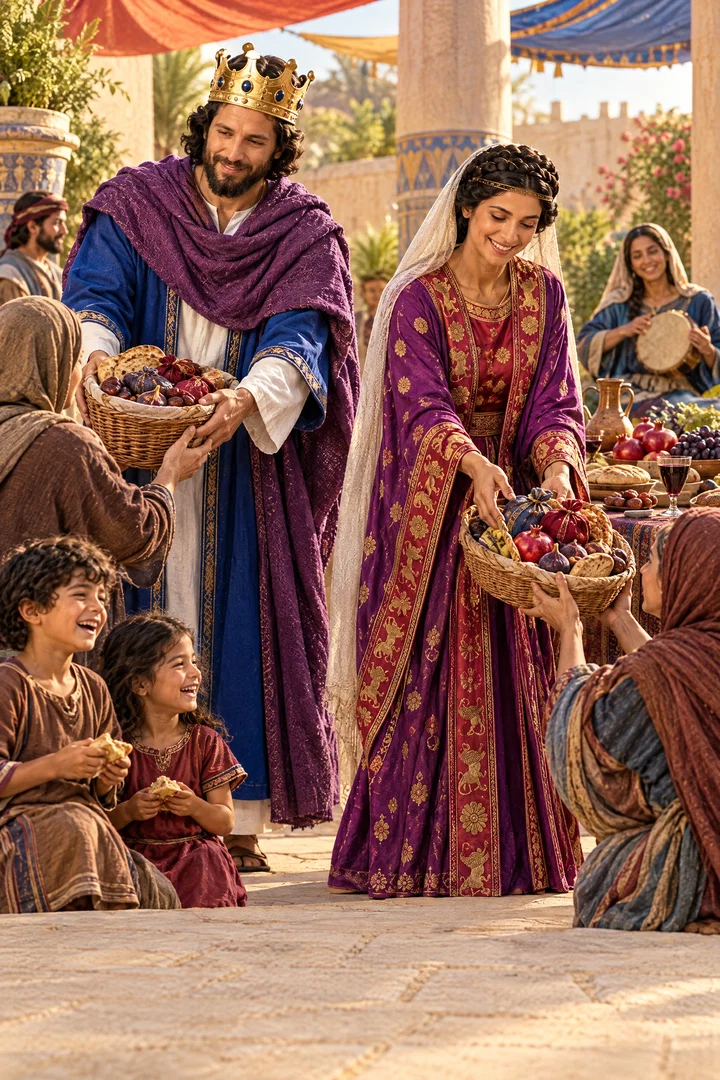
But the Jews that were at Shushan assembled together on the thirteenth day thereof, and on the fourteenth thereof; and on the fifteenth day of the same they rested, and made it a day of feasting and gladness.
Translations
American King James Version, King James Version, KJV Cambridge Paragraph Bible
But the Jews that were at Shushan assembled together on the thirteenth day thereof, and on the fourteenth thereof; and on the fifteenth day of the same they rested, and made it a day of feasting and gladness.
But the Jews that were at Shushan assembled on the thirteenth day of the month, and on the fourteenth of it: and on the fifteenth day of the same they rested, and made it a day of feasting and gladness.
Revised Version, American Standard Version
But the Jews that were in Shushan assembled together on the thirteenth day thereof, and on the fourteenth thereof; and on the fifteenth day of the same they rested, and made it a day of feasting and gladness.
And the Jews who [are] in Shushan have been assembled, on the thirteenth day of it, and on the fourteenth of it, even to rest on the fifteenth of it, and to make it a day of banquet and of joy.
But the Jews that were at Shushan gathered themselves together on the thirteenth [ day] thereof, and on the fourteenth thereof; and on the fifteenth of the same they rested, and made it a day of feasting and joy.
But, the Jews who were in Shusan, assembled themselves together on the thirteenth day thereof, and on the fourteenth day thereof,—and then had rest on the fifteenth day thereof, and made it a day of banqueting and rejoicing.
Berean Standard Bible, Majority Standard Bible
The Jews in Susa, however, had assembled on the thirteenth and the fourteenth days of the month. So they rested on the fifteenth day, making it a day of feasting and joy.
But the Jews who were in Susa assembled together on the thirteenth and on the fourteenth days of the month; and on the fifteenth day of that month, they rested, and made it a day of feasting and gladness.
But the Jews in Shushan came together on the thirteenth and on the fourteenth day of the month; and on the fifteenth day they took their rest, and made it a day of feasting and joy.
But the Iewes that were in Shushan assembled themselues on the thirteenth day, and on the fourteenth therof, and they rested on the fifteenth of the same, and kept it a day of feasting and ioy.
Douay-Rheims (Challoner revision)
But they that were killing in the city of Susan, were employed in the slaughter on the thirteenth and fourteenth day of the same month: and on the fifteenth day they rested. And therefore they appointed that day to be a holy day of feasting and gladness.
Pictures
Cross-references
- Esther 3:12-15
Then were the king’s scribes called on the thirteenth day of the first month, and there was written according to all that Haman had commanded unto the king’s lieutenants, and to the governors that were over every province, and to the rulers of every people of every province according to the writing thereof, and to every people after their language; in the name of king Ahasuerus was it written, and sealed with the king’s ring.
The decree threatening the Jews sets up the danger from which they are delivered.
- Esther 8:11-17
Wherein the king granted the Jews which were in every city to gather themselves together, and to stand for their life, to destroy, to slay, and to cause to perish, all the power of the people and province that would assault them, both little ones and women, and to take the spoil of them for a prey,
The decree lets the Jews defend themselves, bringing deliverance, relief, and gladness.
- Esther 9:1-2
Now in the twelfth month, that is, the month Adar, on the thirteenth day of the same, when the king’s commandment and his decree drew near to be put in execution, in the day that the enemies of the Jews hoped to have power over them, (though it was turned to the contrary, that the Jews had rule over them that hated them;)
The Jews overcame those who sought to harm them on the appointed day.
Commentary
Each commentary is drawn from primary sources: the writings of Ellen G. White and Adventist pioneers and periodicals. Each commentary is separate. Its own words are not a quotation; follow the references to read the source passages.
Pioneers and periodicals
9 sources
The verse belongs to the time of the captive Jews under the Persian king Ahasuerus, identified as Xerxes, when Haman the descendant of Agag, the devil's agent, plotted and decreed the destruction of all the Jews as God's people.ST Aug 3, 1915ST Jun 27, 1911ST Nov 19, 1896ST Jun 16, 1909ST Jun 17, 1913 God frustrated Haman's purpose and saved the Jews through His providence by a counter decree, bringing about the defeat of their enemies and preserving the godly line.ST Aug 3, 1915ST Jun 27, 1911ST Nov 19, 1896ST Jun 16, 1909ST Jul 1, 1908 It is the triumphant vindication of God's people and the utter and absolute defeat of wicked Haman.ST Aug 3, 1915ST Jun 17, 1913
The Jews at Shushan assembled together on the thirteenth day and on the fourteenth day, and on the fifteenth day of the same month they rested and made it a day of feasting and gladness to mark their deliverance from the threat against them.ST Nov 19, 1896ST Aug 20, 1896RH Jan 21, 1875 Their joy followed deliverance from great trouble and was brought about through the efforts and prayers of Mordecai, Esther, and their people.RH Jan 21, 1875 The account gives the origin of the feast of Purim, whose name comes from Pur meaning lot for the casting of lots, in a book where the name of God does not occur in English and is found in the original only five times in the form of an acrostic.ST Jun 17, 1913ST Jul 1, 1908
Esther 9 stands among the proofs that Christ will come between March 21, 1843 and March 21, 1844, bring all His saints with Him, and reward every man as his work shall be.SMV 24.2
Sources