Ezekiel 34:4
The diseased have ye not strengthened, neither have ye healed that which was sick, neither have ye bound up that which was broken, neither have ye brought again that which was driven away, neither have ye sought that which was lost; but with force and with cruelty have ye ruled them.
Translations
The diseased have you not strengthened, neither have you healed that which was sick, neither have you bound up that which was broken, neither have you brought again that which was driven away, neither have you sought that which was lost; but with force and with cruelty have you ruled them.
King James Version, KJV Cambridge Paragraph Bible
The diseased have ye not strengthened, neither have ye healed that which was sick, neither have ye bound up that which was broken, neither have ye brought again that which was driven away, neither have ye sought that which was lost; but with force and with cruelty have ye ruled them.
The diseased ye have not strengthened, neither have ye healed that which was sick, neither have ye bound up that which was broken, neither have ye brought again that which was driven away, neither have ye sought that which was lost; but with force and with cruelty have ye ruled them.
The diseased have ye not strengthened, neither have ye healed that which was sick, neither have ye bound up that which was broken, neither have ye brought again that which was driven away, neither have ye sought that which was lost; but with force and with rigour have ye ruled over them.
The diseased have ye not strengthened, neither have ye healed that which was sick, neither have ye bound up that which was broken, neither have ye brought back that which was driven away, neither have ye sought that which was lost; but with force and with rigor have ye ruled over them.
The weak ye have not strengthened, And the sick one ye have not healed, And the broken ye have not bound up, And the driven away have not brought back, And the lost ye have not sought, And with might ye have ruled them and with rigour.
The weak have ye not strengthened, nor have ye healed the sick, and ye have not bound up [what was] broken, neither have ye brought again that which was driven away, neither have ye sought for that which was lost; but with harshness and with rigour have ye ruled over them.
The weak, have ye not strengthened And, the sick, have ye not healed. And the torn, have ye not bound up, And that which was driven out, have ye not brought back, And that which was straying, have ye not sought out; But with force, have ye ruled them and with rigour.
Berean Standard Bible, Majority Standard Bible
You have not strengthened the weak, healed the sick, bound up the injured, brought back the strays, or searched for the lost. Instead, you have ruled them with violence and cruelty.
You haven’t strengthened the diseased. You haven’t healed that which was sick. You haven’t bound up that which was broken. You haven’t brought back that which was driven away. You haven’t sought that which was lost, but you have ruled over them with force and with rigor.
You have not made the diseased ones strong or made well that which was ill; you have not put bands on the broken or got back that which had been sent away or made search for the wandering ones; and the strong you have been ruling cruelly.
The weake haue ye not strengthened: the sicke haue ye not healed, neither haue ye bounde vp the broken, nor brought againe that which was driuen away, neither haue yee sought that which was lost, but with crueltie, and with rigour haue yee ruled them.
Douay-Rheims (Challoner revision)
The weak you have not strengthened, and that which was sick you have not healed, that which was broken you have not bound up, and that which was driven away you have not brought again, neither have you sought that which was lost: but you ruled over them with rigour, and with a high hand.
Pictures
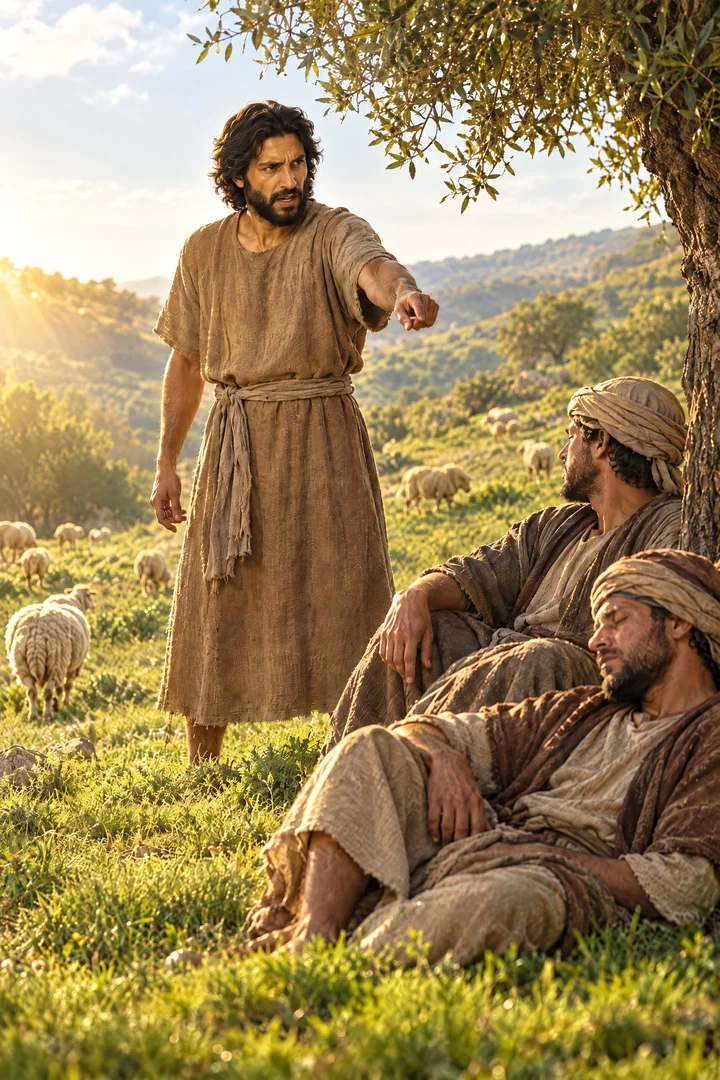

Cross-references 20 of 27
- John 10:11
I am the good shepherd: the good shepherd giveth his life for the sheep.
Jesus does what failing shepherds did not
- 1 Peter 5:2-3
Feed the flock of God which is among you, taking the oversight thereof, not by constraint, but willingly; not for filthy lucre, but of a ready mind;
Elders must care for God’s flock willingly, not rule it with force or cruelty.
- Ezekiel 34:16
I will seek that which was lost, and bring again that which was driven away, and will bind up that which was broken, and will strengthen that which was sick: but I will destroy the fat and the strong; I will feed them with judgment.
God promises to seek and restore the lost, driven away, broken, and sick sheep.
- Luke 15:4-6
What man of you, having an hundred sheep, if he lose one of them, doth not leave the ninety and nine in the wilderness, and go after that which is lost, until he find it?
The shepherd seeks the lost sheep, brings it back, and rejoices when it is found.
- Ezekiel 34:10
Thus saith the Lord GOD; Behold, I am against the shepherds; and I will require my flock at their hand, and cause them to cease from feeding the flock; neither shall the shepherds feed themselves any more; for I will deliver my flock from their mouth, that they may not be meat for them.
God holds unfaithful shepherds accountable and rescues his flock from them.
- Acts 20:28
Take heed therefore unto yourselves, and to all the flock, over the which the Holy Ghost hath made you overseers, to feed the church of God, which he hath purchased with his own blood.
Both command shepherds to feed and care for the flock.
- John 10:3
To him the porter openeth; and the sheep hear his voice: and he calleth his own sheep by name, and leadeth them out.
Jesus knows his sheep individually, unlike the failing shepherds.
- Ezekiel 34:23
And I will set up one shepherd over them, and he shall feed them, even my servant David; he shall feed them, and he shall be their shepherd.
The reproof of neglectful shepherds is followed by the promise of one Shepherd over God’s flock.
- Matthew 9:36
But when he saw the multitudes, he was moved with compassion on them, because they fainted, and were scattered abroad, as sheep having no shepherd.
Both describe scattered sheep lacking a shepherd and needing compassionate care.
- Matthew 18:11
For the Son of man is come to save that which was lost.
The Son of man came to save the lost.
- John 10:14-16
I am the good shepherd, and know my sheep, and am known of mine.
Christ gathers his sheep and shepherds them with love, not force.
- Jeremiah 25:35-36
And the shepherds shall have no way to flee, nor the principal of the flock to escape.
Negligent shepherds face judgment and the end of their power.
- 1 Peter 5:4
And when the chief Shepherd shall appear, ye shall receive a crown of glory that fadeth not away.
Faithful under-shepherds receive a crown when the chief Shepherd appears.
- Isaiah 61:1
The Spirit of the Lord GOD is upon me; because the LORD hath anointed me to preach good tidings unto the meek; he hath sent me to bind up the brokenhearted, to proclaim liberty to the captives, and the opening of the prison to them that are bound;
Both call God's workers to bind up rather than wound.
- Luke 19:10
For the Son of man is come to seek and to save that which was lost.
Jesus came to seek and save the lost.
- John 10:13
The hireling fleeth, because he is an hireling, and careth not for the sheep.
The hireling abandons the sheep because he does not care for them.
- John 10:16
And other sheep I have, which are not of this fold: them also I must bring, and they shall hear my voice; and there shall be one fold, and one shepherd.
Israel’s scattered sheep are gathered into one fold under one Shepherd.
- John 21:15-17
So when they had dined, Jesus saith to Simon Peter, Simon, son of Jonas, lovest thou me more than these? He saith unto him, Yea, Lord; thou knowest that I love thee. He saith unto him, Feed my lambs.
Christ charges Peter to feed and tend his sheep.
- Luke 4:18
The Spirit of the Lord is upon me, because he hath anointed me to preach the gospel to the poor; he hath sent me to heal the brokenhearted, to preach deliverance to the captives, and recovering of sight to the blind, to set at liberty them that are bruised,
Christ’s mission to free the oppressed contrasts with ministers who neglect them.
- Zechariah 11:15-17
And the LORD said unto me, Take unto thee yet the instruments of a foolish shepherd.
Both condemn shepherds who fail to care for the flock.
Commentary
Each commentary is drawn from primary sources: the writings of Ellen G. White and Adventist pioneers and periodicals. Each commentary is separate. Its own words are not a quotation; follow the references to read the source passages.
Ellen G. White
50 sources
Ezekiel 34:4 charges shepherds with five failures toward the vulnerable, leaving the diseased unstrengthened, the sick unhealed, the broken unbound, the driven away unreturned and the lost unsought, while ruling them with force and cruelty instead.Ms 33, 1900, par. 1–4AA 15.2–3Lt 5, 1880, par. 16–19 It was spoken against the leaders of Israel and the Pharisees and religious rulers as false shepherds whose proud, greedy neglect and oppression scattered the flock and left them exposed to harm.DA 478.1AA 15.2–3ED 176.1 Against them stands Jesus as the Good Shepherd who does what they left undone, knowing each one by name, caring for the feeble and wandering, hearing their cry, and laying down His life to save them.Lt 66, 1884, par. 11–13PP 191.2–3ST May 1, 1879 It therefore requires those who care for God's people to strengthen the weak by personal, tender attention, visiting house to house and by the fireside, feeding with truth, healing wounds, seeking the straying and restoring the erring with meekness rather than driving by force or wounding by censure.TCBMP 137.1Lt 288, 1908, par. 49MR 341.1Lt 18, 1893, par. 5–7Ms 37, 1892, par. 31–32 Unconsecrated watchmen who serve themselves, labor only for gain, and hurt and crush instead of binding up stand under God's displeasure and are unfit to be entrusted with the flock unless they repent and learn Christ's meekness.Lt 4, 1889, par. 40–43Ms 156b, 1901, par. 25–284T 396.1Lt 43, 1902, par. 1Lt 397, 1906, par. 5
Meaning and Historical Setting
The verse indicts shepherds for five omissions toward the vulnerable, failing to strengthen the diseased and weak, to heal the sick, to bind up the broken and injured, to bring back the driven away and straying, and to seek the lost, while ruling them instead with force and cruelty.Ms 33, 1900, par. 1–4AA 15.2–3Lt 5, 1880, par. 16–19Ms 52, 1899, par. 7 That reproof exposes a lack of love, forbearance, and pity, where servants of God let their own feelings rule them instead of treating people with compassion and kindness.Lt 5, 1880, par. 16–1911MR 26.1Lt 98, 1896, par. 11–13 It describes ministers who neglect their duty to give the people truth and righteousness, reject messages calling for self-denial, and disregard God by trampling plain commands.Ms 33, 1900, par. 5–7 It means disobeying the law of God as a law of love by not loving God supremely and neighbor as self, and it applies to those who in blindness and selfishness neglect appointed work while exalting themselves as superior.Ms 33, 1900, par. 5–7Lt 98, 1896, par. 11–13 One who bites and devours others and cannot minister to the sick and suffering is unfit to be entrusted with the flock.Ms 52, 1899, par. 7
Historically the verse describes Israel's leaders as failing to care for those needing help, ruling the people harshly and cruelly instead of strengthening, healing, restoring, and seeking them.AA 15.2–3 It describes the Pharisees and religious rulers as false shepherds who spiritually neglected and harmed the weak, wounded, scattered, and lost.DA 478.1 It also exposes the cruelty and greed of rulers in Israel who instead of protecting men became proud and cruel oppressors.ED 176.1 That oppressive neglect reveals the secret of Babylon's fall and of the fall of many other kingdoms since the world began.ED 176.1
The neglect condemned left the sheep scattered for lack of a shepherd and exposed as meat to beasts of the field.Lt 66, 1884, par. 11–135T 345.2 They wandered through mountains and high hills over all the face of the earth, with none searching or seeking after them.Lt 66, 1884, par. 11–13 Harsh, severe, and overbearing treatment still scatters the sheep and can drive people away so they cannot be brought back.3T 109.2–3TCBMP 137.1 Zeal without knowledge working in sternness, severity, and exacting harshness distracts, confuses, and scatters the poor sheep, pushing some out of the fold so they can never be reached and brought back.TCBMP 137.1
Against the failing shepherds stands Jesus as the Good Shepherd who does what they did not do.Lt 66, 1884, par. 11–135T 345.2 He knows each one individually by name, is touched with the feeling of infirmities, reads hidden grief, cares for feeble, sickly, wandering sheep and lambs, hears the cry for aid, sees when one of His little ones is injured, and calls the offender to account.Lt 66, 1884, par. 11–13 As chief shepherd He laid down His own life to save His sheep and places the flock in the care of ministers as under-shepherds with sacred responsibility to share His interest and love.PP 191.2–3ST May 1, 1879 They must feed the flock, strengthen the weak, revive the fainting, shield the sheep from devouring wolves, protect the flock, and labor for its welfare rather than their own ease or gain.PP 191.2–3ST May 1, 1879
Those who care for God's people must not pronounce sentence, accuse, condemn, injure, or rule with indifference and contempt.Lt 66, 1884, par. 11–13 They must love one another, pray for one another, weep over the erring, and restore with meekness, showing sufficient love, forbearance, and pity.Lt 66, 1884, par. 11–13Lt 5, 1880, par. 16–1911MR 26.1 The failure is shown by the selfish priest and Levite who refused care for the wounded man.Lt 98, 1896, par. 11–13 It is also shown by the self-exalting superiority of scribes and Pharisees who demerit others whose desire and aim is to serve God, instead of keeping the commandments and doing appointed work.Lt 98, 1896, par. 11–13
Doctrine Law and Judgment
Ezekiel 34:4 means disobedience to God's law as a law of love, failing to love God supremely and neighbor as self, as seen when need is passed by in blindness and selfishness and when self is exalted in superiority while those who aim to serve God are disparaged instead of God's commandments being kept and appointed work being done.Ms 33, 1900, par. 5–7Lt 98, 1896, par. 11–13Ms 23, 1900, par. 17 It condemns shepherds who neglect to give the people truth and righteousness, who reject messages calling for self-denial, who trample the plain commands of the law, and who teach that the law is not binding in order to turn people from truth and break their trust.Ms 33, 1900, par. 5–7Lt 98, 1896, par. 11–13Ms 23, 1900, par. 17
The verse requires ministers to receive the message God sends of light and hope and comfort and apply it as heavenly balm to heal the wounds of sheep and lambs, which is the truth that Christ is our righteousness preached together with the law as faith and the righteousness of Christ.Lt 4, 1889, par. 40–43Lt 1, 1889, par. 13–15 To come under its charge is to refuse that light, to choose what channel it may come through, to lack faith, humility, love and power from on high, to starve the flock on dry theories and narrow experience instead of feeding the glorious gospel, to place self between the people and God's message and make it of none effect, to rob souls, and to point in the wrong direction as a false guide.Lt 4, 1889, par. 40–43 This includes leaving members unvisited and unfed and robbing churches of light by withholding camp meetings where the flock could be strengthened, so help must go without waiting for invitation to where need is greatest, and churches led by shepherds ignorant of truth that works by love and purifies the soul turn God-given powers to their own interests until the flock is destroyed for lack of care and becomes backslidden.Ms 29, 1900, par. 10Lt 1, 1889, par. 13–15
The verse rebukes unfaithful shepherds who knew that keeping God's commandments just as written makes every difference yet made no personal effort to save souls.Ms 233, 1902, par. 26–27 They treated testing truth as a matter every man was at liberty to regard as he pleased with no firm bounds, failed to lay hold of the lost in intense earnestness exalting righteousness and truth as a life-and-death principle while forgiveness can still be reached, acted a lie to link up with the disobedient, misled hearers, turned them from God's law, and persecuted those who keep it.Ms 233, 1902, par. 26–27GC88 655.3–4 In the final judgment, when every man is judged and receives according to his works whether obedient to the law of God's kingdom or transgressing to the last, those deceived by such ministers will turn on them, blame them for their ruin, and charge them with not treating them as in earnest peril.Ms 233, 1902, par. 26–27GC88 655.3–4
The chapter containing the verse is to be studied by one deciding whether to remain under the influence of a person who has apostatized, together with the promise that none of the sins of the one who turns and does that which is lawful and right shall be mentioned to him but he shall surely live, with a true change of choice known by actions.Lt 120, 1908, par. 4–6 The verse holds ministers accountable for clearly teaching God's law and Word, for confusing people with their own interpretations neglects the flock and leaves souls to perish through that neglect.Lt 162, 1900, par. 18Ms 29, 1900, par. 10Lt 23, 1900, par. 4–5 When shepherds remain ignorant of truth that works by love and purifies the soul and turn God-given powers toward their own interests, hungry souls asking for light are left without faithful preaching of Scripture, the flock is destroyed for lack of care, and churches become backslidden, though those who reject God's Word to follow human sophistry are not excused.Lt 162, 1900, par. 18Ms 29, 1900, par. 10Lt 23, 1900, par. 4–5
Faithful Pastoral Care
Faithful shepherding is feeding the flock with the Bread of Life and the truths of God's Word instead of serving self and leaving the people to suffer for lack of proper instruction.ST Jan 1, 18944T 396.1Lt 253, 1899, par. 4 It requires tender, persistent attention to souls, tending each person according to condition and caring personally for every member, including parents and children, with kindness, warning, encouragement and entreaty.ASCOP 18.1ST Nov 8, 1910 True work denies self and spends every nerve and means to gather poor, lost, perishing souls to the cross with a message going forth in power.Lt 253, 1899, par. 4
Strengthening the weak and diseased means doing more than preaching and refusing to let temporal business absorb time and attention that belongs to souls.Ms 37, 1892, par. 31–32 The minister must identify with the people, visit believers when sick and inquire after them when absent from worship, and visit every accessible family house to house to get acquainted in homes and meet people where they are.9MR 341.1Lt 18, 1893, par. 5–7Ms 37, 1892, par. 31–32 He must work by the fireside in conversation and prayer, sowing seed that springs up after many days and bears fruit, and speak timely words that comfort, strengthen and establish hearers until they become rooted and grounded, so that through courage, perseverance, heavenly wisdom and the Holy Spirit many more accept, believe and practice the truth.Lt 18, 1893, par. 5–7Lt 29, 1872, par. 21–22
Neglecting this personal visiting, which is the binding off of the work and the binding of the messenger to the sheep and lambs, and shifting it upon wives or another person or supplying it by proxy because it is not pleasant business, is unwise management.Lt 18, 1893, par. 5–7Ms 37, 1892, par. 31–32 Such neglect makes a minister an unfaithful shepherd under rebuke with his work not half done, leaves members tempted and ungathered, causes some to give up the truth, and causes places that heard the message to be lost to the cause.Lt 18, 1893, par. 5–7Ms 37, 1892, par. 31–32 The sin of leaving the sheep unvisited and unfed must not be visited upon the sheep, and help must go without waiting for invitation where need is greatest, including arranging gatherings where the flock can be strengthened and giving the precious subject of faith and righteousness with both gospel and law.Lt 1, 1889, par. 13–15
Fulfilling the charge requires hunting for straying sheep to heal, restore, bind up and bring them back to the fold.Ms 32, 1893, par. 16–17 It requires seeking the lost and withdrawing, attending to spiritual needs, visiting the ill and absent, and helping those in danger of leaving the faith.9MR 341.1 It requires restoring people led into error with gentle, Spirit-guided efforts to save them from deception, in close union with Jesus and in His lines, putting away condemnation and putting on the armor of righteousness, and taking up this field brings reward and a rich harvest.Ms 32, 1893, par. 16–17Ms 30, 1904, par. 22
Faithful shepherds drive nothing by force with an uplifted whip but feed, comfort and help with a loving heart and gentle care, gathering in love and strengthening the sick and binding up the lame.TCBMP 137.1Lt 288, 1908, par. 4 Their words must be fitly spoken, like apples of gold in pictures of silver, for unfit words fall in influence like desolating hail, while sternness, severity and exacting, overbearing harshness distract, confuse and scatter the sheep and can push some out of the fold so they can never be reached and brought back.TCBMP 137.1 They must act as physicians of souls who bind up the spiritually sick and wounded rather than feeding the flock criticism, faultfinding, suspicion and censure, which poisons with evil suspicions, harms souls and makes the church's work harder.Lt 199, 1900, par. 4–5Lt 48, 1900, par. 6
Faithful shepherd work includes correcting known wrongdoing by telling the wrongdoer his mistake and bringing reproof into the open so associates are not left in darkness and led astray.Lt 253a, 1903, par. 6–8 It includes telling a fellow worker his mistake and not keeping silent because he will not acknowledge his course or receive what does not harmonize with his ideas.MWISDAP 47.4 This is especially required when the wrong disparages ministers of the gospel whose work was given by Jesus Christ, and keeping corrective instruction to oneself while associates remain ignorant and in danger is failure as a shepherd.Lt 253a, 1903, par. 6–8MWISDAP 47.4
The charge requires shepherds to strengthen and relieve fellow workers and care for the flock rather than leave too many burdens on one man.Ms 1, 1863, par. 14 They must not stand back and excuse themselves while he is weighed down and crushed beneath censure and staggers under a treble burden as preacher, editor, colporteur and financier, adding more burdens instead of taking their share.Ms 1, 1863, par. 14 When the sheep must carry the burden to warn, reprove, exhort and weep over the reckless course of their shepherd, the order required is reversed, and the poor sheep suffer under such unwise shepherds just as under false shepherds.Ms 1, 1863, par. 14Lt 29, 1872, par. 21–22
Rebuke and Accountability
Ezekiel 34:4 rebukes unconsecrated, unfaithful watchmen who enter ministry without deep love to God and fellow men and in selfishness and self-indulgence serve themselves instead of feeding the flock and attending to pastoral duties, through which neglect the people perish for want of proper instruction.4T 396.1 It describes idle gospel laborers in many places who produce no fruit because they are consumers and not producers, not themselves receiving grace from God to impart to others, not doing the work they should do and not reaching the high standard their knowledge of the truth requires.Lt 43, 1902, par. 1 Shepherds who neglect care of the flock fail to strengthen the weak, heal the sick, restore the scattered and seek the lost while ruling harshly for their own interests, and teachers in responsibility are likewise unsafe guardians when they pursue their own will, pleasure, profit or honor instead of faithfully caring for those entrusted to them.Lt 397, 1906, par. 5
The hireling spirit condemned has no real interest in the flock, labors merely for gain, studies its own profit instead of the interest of the charge, and in time of peril or danger flees and leaves the flock.PP 191.2–3 False ministers wound and tear the poor sheep and leave them bleeding through rebellion and division, failing to strengthen, heal, bind up, bring back and seek them, so that intense labor is called for to save the wounded sheep they have harmed.RH Apr 9, 1914 Some pretend to be feeding the flock when they are tearing them to pieces, and their miserable influence injures the cause and brings long mental suffering upon faithful workers who stagger under a treble burden as preacher, editor, colporteur and financier.Lt 5a, 1861, par. 5 They bite and devour others and destroy those they should feed rather than minister to the sick and suffering.Ms 52, 1899, par. 7PP 191.2–3
The verse condemns men professing to be shepherds who feed themselves and not the flock, shutting away the higher classes and others who need the warning message by refusing every church to anyone preaching doctrine different from their denomination, so truth cannot reach those who need it while the Lord still cares for His own, the purchase of His blood.Lt 120, 1886, par. 12–13 It shows unfaithful watchmen who ignore the evidences God has given, change blessing into curse, insult the Lord, and leave the standard of truth trailing in the dust instead of feeding His flock with right provender.Ms 185, 1897, par. 7 Leading men who dishonor the Lord in this way are false shepherds and teachers who lead the flock astray instead of caring for them.Ms 53, 1903, par. 8
Those entrusted with souls must hunt for straying sheep and bring them back to the fold to heal, restore and bind up, instead of crushing and destroying with force and cruelty through talking, accusing, condemning, censuring and cutting off.Ms 32, 1893, par. 16–17 Those entrusted with souls are in perilous spiritual condition when ready to hurt and bruise but not to bind up, ready to destroy but not to save.Lt 71a, 1894, par. 15 To fail to bind up is to plant thorns in one's own pillow, and unless there is repentance there will be no peace and comfort when peace and comfort are needed.Lt 71a, 1894, par. 15 Those who indulge censure and accusation invite the same treatment when they err and dishonor Him, to be treated the same way and cut loose.Ms 32, 1893, par. 16–17
The verse warns all responsible for God's people to guard against becoming unfaithful shepherds by neglecting or mistreating them.Ms 156b, 1901, par. 25–28 A person who bites and devours others and cannot minister to the sick and suffering is unfit to be entrusted with the flock, and unless leading men who dishonor the Lord learn Christ's meekness and lowliness they are not fitted to teach, their self-righteous example doing nothing to advance the work.Ms 52, 1899, par. 7Ms 53, 1903, par. 8 Such shepherds forfeit favor and come under displeasure and wrath unless the course is decidedly changed and the heart humbled, and they are unfit for the work of the time before the second appearing despite the promised large measure of the Holy Spirit.Lt 4, 1889, par. 40–43 They must be disciplined by disappointment, hardship and affliction, and must be solemnly warned in God's name lest blood-guilt for neglected souls be required at the watchman's hands.Ms 53, 1903, par. 8Lt 71a, 1894, par. 15 Those who mislead the people should tremble for the safety of their own souls, for their candlestick will be removed out of its place unless they repent, while God will hold souls responsible for lacking keen discernment to discover what kind of food is being given to the flock.Ms 185, 1897, par. 7
Sources
Pioneers and periodicals
48 sources
The verse charges the shepherds of Israel with five failures of care toward the flock, while ruling it with force and cruelty.ST Nov 4, 1897RH Aug 17, 1916ST Sep 11, 1901 Instead of feeding the flock, such false shepherds feed themselves, securing their own comfort while neglecting and starving those entrusted to them.ST Dec 8, 1898RH Jul 25, 1865RH Jul 21, 1853 God holds those unfaithful shepherds accountable and removes them, while he himself as Chief Shepherd seeks, gathers, binds up, strengthens and restores the scattered and wounded.ST Oct 19, 1904ST Aug 26, 1913RH Oct 22, 1861ST Dec 11, 1901 The faithful work is the opposite of force and cruelty, to strengthen the weak, heal the sick, bind up the broken, bring back the driven away and seek the lost.ST Jan 1, 1885RH Feb 23, 1869ST Dec 23, 1913 That reproof still speaks today, calling shepherds and all believers to seek and restore the straying and lost rather than neglect them.RH Apr 9, 1914RH Sep 30, 1852RH Apr 12, 1906RH Nov 6, 1866RH Jun 2, 1868
Meaning and Historical Setting
The charge names five distinct neglects of vulnerable members of the flock, failing to strengthen the diseased, to heal the sick, to bind up the injured and broken, to bring back those driven away and scattered, and to seek the lost.ST Nov 4, 1897RH Aug 17, 1916ST Sep 11, 1901ST Oct 19, 1904RH Nov 20, 1900 Those entrusted with care instead governed harshly, ruling with force and cruelty while serving themselves and neglecting the welfare of those committed to them.ST Nov 4, 1897ST Sep 11, 1901RH Sep 30, 1852ST Oct 19, 1904RH Nov 20, 1900 That self-serving neglect left the straying and discouraged vulnerable, helped scatter the flock, and exposed it to destructive error.RH Sep 30, 1852ST Oct 19, 1904RH Nov 20, 1900 Shepherds are feeders entrusted with the flock of God under a twofold charge of leading and feeding, the same leading and feeding claimed in the allegory of the Good Shepherd.ST Jul 1, 1886 Measured by that professed work of feeding God's flock, the teachers of Israel are exposed as utterly unfit.ST Jul 1, 1886
The rebuke belongs to a conditional prophecy about Israel's future as a literal kingdom in Ezekiel 34-48, whose promises God would have fulfilled if Israel had turned from sin, submitted to him, and allowed him to change their hearts.ST Aug 2, 1899 The promised future therefore did not fail through God's unwillingness but rested on Israel's response.ST Aug 2, 1899 It stands in the closing part of Ezekiel beginning with chapter 33, which appeals for God's children to return and live because he has no pleasure in death, while the chapters that follow are filled with promises of what he would then do for them if they returned.ST Nov 24, 1909 Its prophecies offered restoration in Ezekiel's own day on stated conditions, but Israel's refusal to turn from sin prevented those blessings then, yet God's covenant blessings will nevertheless be fulfilled in greater measure to the true Israel in Christ.ST Oct 14, 1908
Unfaithful Shepherds Exposed
The false shepherd's work is to feed himself instead of the flock, eating the fat, clothing himself with the wool, and killing those that are fed, securing his own comfort while neglecting and starving those entrusted to him.ST Dec 8, 1898RH Jul 25, 1865RH Jul 21, 1853 He cares more to fleece the flock than to feed it, failing in every duty of care toward the weak and afflicted, leaving the diseased unstrengthened, the sick unhealed, the broken unbound, the driven away unbrought back, and the lost unsought.ST Dec 8, 1898RH Jul 25, 1865RH Jul 21, 1853 God holds such leaders accountable for the flock in their care.RH Jul 21, 1853 With force and with cruelty they rule them, seeking the help of civil law to coerce the people and scatter the flock.ST Dec 8, 1898 Joined to treading down the pasture and fouling the waters, this means the pastures of the Word and the pure waters of truth are trodden down and perverted, leaving only corrupted food and drink for the flock.ST Dec 8, 1898
False shepherds always lead the flock away from what is true, away from green and fresh pastures.ST May 20, 1889 The false brethren who hindered the work of the apostle Paul are an example of this, and in all ages such ones are mere hangers-on and a positive drawback and hindrance to the work of God.ST May 20, 1889 In contrast to the good Shepherd who searches for the sheep, they feed themselves and let the sheep stray.RH Mar 2, 1852RH Aug 6, 1857 They leave the sheep scattered upon every mountain and high hill to perish, failing to proclaim the commandments of God and the faith of Jesus.RH Mar 2, 1852RH Aug 6, 1857 Instead of feeding the flock, they foul with their feet the food designed for it to eat, and by opposition and sneers try to daunt and deter those carrying the third angel's message, yet that message will still be proclaimed with a loud voice as the power of God unto salvation.RH Mar 2, 1852
Unfaithful shepherds tear to pieces the flock instead of caring for it, wounding the poor sheep and leaving them bleeding through rebellion and division.RH Apr 9, 1914RH Apr 1, 1862 The torn condition of sheep and lambs is the picture of the harm done by an unfaithful shepherd's influence.RH Apr 1, 1862 It calls for intense labor to save the wounded sheep they have harmed.RH Apr 9, 1914 The guilty shepherds in church, palace, and judgment hall are chief priests, rulers, and kings who rule Christ's sheep with force and cruelty.RH Jun 23, 1868 Instead of helping the weak and suffering, they use power to shelter the noble and crush the poor, building thrones and altars on the bodies and souls of living men and fencing the sheep with gates of silver and bars of gold from their Father's fold.RH Jun 23, 1868 This oppression brings bitter groans from under the foundation and tears that are heard in heaven through eighteen hundred years, until the Lord comes down in sorrow, marks the widening cracks in the wall, and condemns a building that cannot endure.RH Jun 23, 1868
God's Promise to Restore
The rebuke of the watchmen does not stand alone, for with it comes the pledge that God himself will take the shepherd's office, set one Shepherd over the flock, and bring them into a glorious land.ST Aug 26, 1913 The flock neglected by cruel rulers will yet be gathered by God himself under that one Shepherd, who is Christ.ST Aug 26, 1913RH Oct 22, 1861 The unfaithful who fed themselves instead of strengthening the diseased, healing the sick, binding up the broken, bringing back the driven away, and seeking the lost will be held to account and removed, while God himself undertakes to seek, restore, bind up, and strengthen.ST Oct 19, 1904 As Chief Shepherd he seeks the scattered and gathers them in, so that the wounded and lost and seemingly forsaken may take courage, since none will be left out.ST Oct 19, 1904ST Dec 11, 1901
The chapter describes the present time and the condition of the flock now living, with mercy promised to the scattered sheep.RH May 8, 1866 Before the third angel ceases to sound, Israel will have one fold and one Shepherd, and healing and strength will go with that message.RH May 8, 1866 Jesus is the agent by whom Israel is raised and restored, and the gathering promised includes the resurrection at the second advent.RH May 29, 1855
Ezekiel 34:1-31 belongs together with the teaching of Jesus about the good shepherd in John 10:1-16, the two passages joined by the one shepherd theme.
True Shepherd Work Required
To feed the church and flock of God is to strengthen the diseased, heal the sick, bind up the broken, bring again the driven away, and seek the lost.ST Jan 1, 1885RH Feb 23, 1869 To rule with force and with cruelty is the opposite of that work.ST Jan 1, 1885RH Feb 23, 1869 Seeking and caring for lost people is an essential duty of a shepherd, and failure in the fivefold care is the ground of reproof.ST Jan 1, 1885RH Feb 23, 1869 That fivefold list describes the caring work required of Christ's servants through love and sacrifice: strengthening the weak, healing the sick, binding up the broken and broken-hearted, restoring those driven away, and saving the lost.ST Dec 23, 1913 Through such service wasted human capacities and lives are recovered and gathered to enrich God's kingdom.ST Dec 23, 1913
The duty calls for patient, self-denying love toward the weakest and most troubled members of the flock, with strengthening, healing, binding up, and seeking for those in need.ST May 1, 1879RH Jun 17, 1862 Christ's under-shepherds must follow His example by caring for the weak and fainting, protecting the flock, and laboring for its welfare rather than for their own ease or gain.ST May 1, 1879RH Jun 17, 1862 When shepherds neglect pastoral duties and feed themselves instead of feeding the flock, the people suffer for lack of proper instruction.ST Jan 1, 1894RH Apr 12, 1906 That neglect leaves the sheep fainting and scattered abroad as sheep having no shepherd, with none searching or seeking after them.ST Jan 1, 1894RH Apr 12, 1906
Such neglect scatters the flock for lack of a true shepherd.ST Jan 1, 1885RH Jul 25, 1865 Left without care, the sheep become meat to beasts of the field and prey.ST Jan 1, 1885RH Jul 25, 1865 They wander through mountains and hills and over all the earth.ST Jan 1, 1885RH Apr 12, 1906 The flock is not confined to names on the church book nor to civilized lands, but includes God's sheep scattered upon all the face of the earth.RH Apr 12, 1906
Warning to Present Leaders
Ezekiel 34 and its reproof apply in the present day, for the divine voice still sounds through the ages to shepherds and the complaint of neglect still speaks to God's people today.RH Sep 30, 1852RH Apr 12, 1906RH Nov 6, 1866 The neglect denounced is leaving the sheep fainting and scattered abroad as sheep having no shepherd, with none searching or seeking after them.RH Apr 12, 1906 The flock is not confined to names on the church book nor to civilized lands, but includes God's sheep scattered upon all the face of the earth.RH Apr 12, 1906
The indictment falls on professed servants who have lost love for souls and serve themselves rather than the flock, neglecting the welfare of those entrusted to them.ST Sep 11, 1901ST Oct 19, 1904ST Oct 19, 1904 It falls on religious leaders who neglect people in need and leave the straying and discouraged vulnerable, helping scatter the flock and expose it to destructive error wherever this condition exists.ST Oct 19, 1904ST Oct 19, 1904 Before the promise that the Lord himself will gather and care for His flock, this charge comes first.ST Oct 19, 1904 God holds such self-serving leaders accountable and removes them, while He Himself seeks, restores, binds up, and strengthens the flock.ST Oct 19, 1904
The same charge was laid against the scribes and Pharisees, who neglected the true shepherd's work and harmed those entrusted to their care, failing to strengthen the weak, heal the sick, restore the broken or straying, or seek the lost, but ruling harshly and cruelly. In the perilous last days it condemns ministers who faint before the tide of worldliness instead of standing for Jesus, warning of Christ's coming, and keeping His followers from the ways of the world.RH Nov 6, 1866 It condemns gratifying the craving for new, intellectual and lifeless preaching and yielding to dislike of Scripture doctrine.RH Nov 6, 1866 It is likewise the measure of last-day preaching that gives a permissive message and does not lead people to reform, neglecting the sick, wounded, scattered, and lost while ruling harshly.RH Dec 9, 1873
Instead of feeding the flock, such leaders foul with their feet the food God designed the flock to eat, leaving the sheep scattered upon every mountain and high hill to perish.RH Mar 2, 1852 By opposition and sneers they try to daunt and deter those carrying the third angel's message of the commandments of God and the faith of Jesus.RH Mar 2, 1852 Yet the message will still be proclaimed with a loud voice as the power of God unto salvation.RH Mar 2, 1852
The warning applies to professing ministers who fight God's law, for they are false shepherds facing judgment when they neglect the weak, sick, injured, scattered, and lost while ruling those in their care with force and cruelty.RH Aug 6, 1857ST Jul 29, 1880 Slothful, self-serving shepherds leave people vulnerable to persecution, and God sees their failure to care for the weak and straying members.RH Aug 6, 1857
Those responsible are accountable in the judgment when they fail to strengthen or feed the flock, neglect the duty to rescue those in danger, fail to warn against danger and protect the flock, or prevent others from caring for them.ST Nov 11, 1886ST Mar 8, 1905ST Jan 18, 1905 Leaders unfit for their positions or not called to them must recognize their mistake and humble themselves before the Lord.ST Mar 8, 1905 Such unfaithful shepherds face terrible retribution.ST Oct 7, 1875
Shepherds in Israel should be examples to the flock, not spread false reports or act in ways that betray their responsibility as shepherds.RH Apr 11, 1854 The verse condemns church leaders who neglect enslaved and excluded people, tolerate injustice, or treat those in their care cruelly rather than acting as faithful shepherds to the weak and oppressed.RH Feb 19, 1861
Charge to All Believers
The charge falls on the Sabbath-school teacher who acts as pastor to give loving, personal care to the flock, for unfaithful shepherds stand judged when they fail the sick, the weak, the discouraged, and the lost.RH Jun 2, 1904 That care means visiting and comforting sick members, praying with and for those who wander, and seeking those who are lost until they are restored to the fold.RH Jun 2, 1904
Ministers bear the same shepherding duty personally toward every member, strengthening the weak, healing the sick, binding up the injured, bringing back those who stray, and seeking the lost instead of ruling harshly.ST Nov 8, 1910 They are to seek out and restore the lost and straying and to attend to the spiritual needs of parents and children with kindness, warning, encouragement, and entreaty.ST Nov 8, 1910 Church elders and spiritual leaders likewise are responsible for those under their charge, and must seek and help people who are discouraged or have drifted away rather than neglecting them.ST Jun 12, 1879ST Jun 12, 1879 To leave scattered believers uncared for and fail to bring them back to the fold is failure in duty toward God.ST Jun 12, 1879ST Jun 12, 1879
The duty extends to church members who neglect straying people, for they are condemned with the shepherds when they do not heal the sick or wounded and do not gather the wandering and lost but rule with force and cruelty.RH Jun 2, 1868 Their part is to show a missionary spirit and to care for such ones by seeking and helping them.RH Jun 2, 1868 Where false ministers wound and tear the poor sheep and leave them bleeding through rebellion and division, intense labor is required to save the wounded sheep they have harmed, in place of failing to strengthen, heal, bind up, bring back, and seek them.RH Apr 9, 1914 The same lesson defines acceptable worship, for serving God means upholding the feeble, guiding the blind, reclaiming those who wander, and restoring the lost, instead of failing the weak, sick, injured, scattered, and lost and ruling them harshly.RH Apr 8, 1858
Sources