Mark 12:39
And the chief seats in the synagogues, and the uppermost rooms at feasts:
Translations
American King James Version, King James Version, Webster Bible
And the chief seats in the synagogues, and the uppermost rooms at feasts:
and the chief seats in the synagogues, and the uppermost rooms at feasts:
Revised Version, American Standard Version
and chief seats in the synagogues, and chief places at feasts:
and first seats in the synagogues, and first couches in suppers,
and first seats in the synagogues, and first places at suppers;
And first seats in the synagogues, and first couches in the chief meals,—
Berean Standard Bible, Majority Standard Bible
and to have the chief seats in the synagogues and the places of honor at banquets.
and to get the best seats in the synagogues and the best places at feasts,
And to have the chief seats in the Synagogues and the first places at feasts;
And the chiefe seates in the Synagogues, and the first roumes at feastes,
Douay-Rheims (Challoner revision)
And to sit in the first chairs, in the synagogues, and to have the highest places at suppers:
Pictures
Cross-references
- Matthew 23:6
And love the uppermost rooms at feasts, and the chief seats in the synagogues,
Jesus condemns leaders who seek prominent seats and public honor.
- Luke 14:7-11
And he put forth a parable to those which were bidden, when he marked how they chose out the chief rooms; saying unto them,
Christ warns against choosing places of honor and teaches humility.
- Luke 20:46-47
Beware of the scribes, which desire to walk in long robes, and love greetings in the markets, and the highest seats in the synagogues, and the chief rooms at feasts;
Their desire for honored places is joined to devouring widows’ houses.
- Luke 22:24
And there was also a strife among them, which of them should be accounted the greatest.
The disciples dispute who should be greatest, echoing the desire for honored seats.
Commentary
Each commentary is drawn from primary sources: the writings of Ellen G. White and Adventist pioneers and periodicals. Each commentary is separate. Its own words are not a quotation; follow the references to read the source passages.
Ellen G. White
2 sources
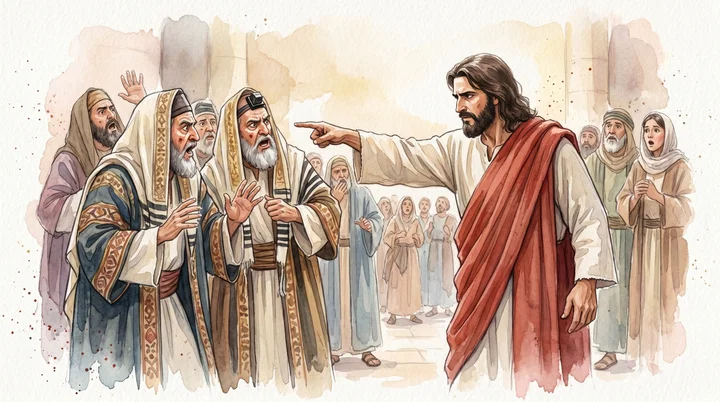
The verse describes the scribes and Pharisees, the religious leaders, and their love for the most honored places in the synagogues and at feasts.1RED 12.2ST Feb 27, 1896 That love belonged together with wearing long robes and making long prayers, all done from a desire to appear important and devoted, to make people think they were very pious, and to uphold their claims of superior sanctity.1RED 12.2ST Feb 27, 1896 Their professed sanctity was only a cloak for iniquity that concealed hard, unclean, self-righteous hearts and evil motives.1RED 12.2ST Feb 27, 1896 Behind that cloak they exploited widows and devoured widows' houses by exactions and practiced injustice, fraud, and robbery of the poor.1RED 12.2ST Feb 27, 1896 The verse belongs to Christ's exposing of these pretenders to religion by revealing their true character and evil motives to the people, condemning their evil works and putting them to open shame.ST Feb 27, 1896 His own untainted purity of life and faultless character in words and works served as a bitter reproof to them because they would not consent to reform and be transformed in character.ST Feb 27, 1896
Sources
Pioneers and periodicals
4 sources
At feasts the seats marked rank, with the oldest or most honored assigned the places of precedence.ST Nov 15, 1883 People sought honor for themselves by choosing the most prominent seats at meals, a practice Christ reproved.ST Jul 30, 1885ST Nov 15, 1883
The love of chief seats in the synagogues and uppermost rooms at feasts exposed the scribes and Pharisees as self-righteous yet unclean pretenders to religion, whose sanctity was only a cloak for iniquity.ST Feb 27, 1896 It belonged together with wearing long robes and making long prayers to make people think they were very pious and to uphold their claims of superior sanctity, while at the same time they devoured widows' houses by exactions and practiced injustice, fraud, and robbery of the poor.ST Feb 27, 1896 Christ's untainted purity of life and faultless character in word and work was a bitter reproof to them, condemning their evil works and putting them to open shame by revealing their true character and evil motives to the people, because they would not consent to reform and be transformed in character.ST Feb 27, 1896
The prominent places in worship and feasting condemn religious leaders who seek honor and high status, as a wider warning against religion shaped by human pride and power.RH Nov 21, 1854 The same custom explains the disciples' contention over precedence at the table, likely over who should sit highest at the Passover table before the foot washing.ST Jul 30, 1885ST Nov 15, 1883
Sources