Mark 12:40
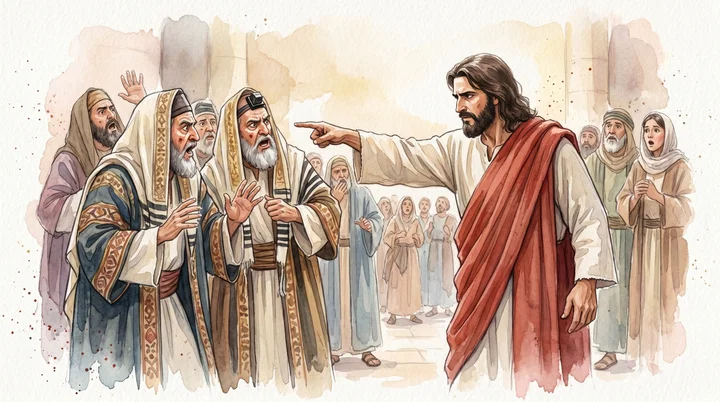
Which devour widows’ houses, and for a pretence make long prayers: these shall receive greater damnation.
Translations
Which devour widows’ houses, and for a pretense make long prayers: these shall receive greater damnation.
Which devour widows’ houses, and for a pretence make long prayers: these shall receive greater damnation.
which devour widows’ houses, and for a pretence make long prayers: these shall receive greater damnation.
Who devour widows' houses, and for a pretense make long prayers: these shall receive greater damnation.
they which devour widows’ houses, and for a pretence make long prayers; these shall receive greater condemnation.
they that devour widows’ houses, and for a pretence make long prayers; these shall receive greater condemnation.
who are devouring the widows' houses, and for a pretence are making long prayers; these shall receive more abundant judgment.'
who devour the houses of widows, and as a pretext make long prayers. These shall receive a severer judgment.
Who devour widows’ houses, and, for a pretence, are long in prayer: these, shall receive a more surpassing judgment.
Berean Standard Bible, Majority Standard Bible
They defraud widows of their houses, and for a show make lengthy prayers. These men will receive greater condemnation.”
those who devour widows’ houses, and for a pretense make long prayers. These will receive greater condemnation.”
Who take away the property of widows, and before the eyes of men make long prayers; these will be judged more hardly.
Which deuoure widowes houses, euen vnder a colour of long prayers. These shall receiue the greater damnation.
Douay-Rheims (Challoner revision)
Who devour the houses of widows under the pretence of long prayer: these shall receive greater judgment.
Pictures
Cross-references
- Luke 20:47
Which devour widows’ houses, and for a shew make long prayers: the same shall receive greater damnation.
Leaders exploit widows while making long prayers for show, bringing greater condemnation.
- Matthew 23:14
Woe unto you, scribes and Pharisees, hypocrites! for ye devour widows’ houses, and for a pretence make long prayer: therefore ye shall receive the greater damnation.
Jesus condemns leaders who exploit widows while making long prayers.
- Matthew 6:5
And when thou prayest, thou shalt not be as the hypocrites are: for they love to pray standing in the synagogues and in the corners of the streets, that they may be seen of men. Verily I say unto you, They have their reward.
Both condemn conspicuous prayers performed to be seen by others.
- James 1:27
Pure religion and undefiled before God and the Father is this, To visit the fatherless and widows in their affliction, and to keep himself unspotted from the world.
Pure religion includes caring for widows, unlike devouring their houses.
- Matthew 6:7
But when ye pray, use not vain repetitions, as the heathen do: for they think that they shall be heard for their much speaking.
Both condemn lengthy prayers offered to be heard.
- Matthew 23:13
But woe unto you, scribes and Pharisees, hypocrites! for ye shut up the kingdom of heaven against men: for ye neither go in yourselves, neither suffer ye them that are entering to go in.
Both condemn Pharisees who hypocritically obstruct others from entering God's kingdom.
- Romans 2:21-24
Thou therefore which teachest another, teachest thou not thyself? thou that preachest a man should not steal, dost thou steal?
Religious wrongdoing causes outsiders to blaspheme God.
- Matthew 23:6
And love the uppermost rooms at feasts, and the chief seats in the synagogues,
Both describe Pharisees seeking prominence and acting hypocritically.
- Mark 7:6-8
He answered and said unto them, Well hath Esaias prophesied of you hypocrites, as it is written, This people honoureth me with their lips, but their heart is far from me.
Both expose outward worship covering law-breaking.
- Matthew 23:23
Woe unto you, scribes and Pharisees, hypocrites! for ye pay tithe of mint and anise and cummin, and have omitted the weightier matters of the law, judgment, mercy, and faith: these ought ye to have done, and not to leave the other undone.
Both condemn religious exactness that neglects mercy.
Commentary
Each commentary is drawn from primary sources: the writings of Ellen G. White and Adventist pioneers and periodicals. Each commentary is separate. Its own words are not a quotation; follow the references to read the source passages.
Ellen G. White
13 sources
Christ denounces religious leaders who hide greed and fraud behind a show of devotion, making long public prayers as a pretense while devouring widows' houses, and declares that such hypocrisy and injury to the defenseless will bring greater condemnation.LC1 12.1LC1 12.22SP 12.1–13.1ST Feb 27, 1896RH Dec 17, 1872 They sought to appear very pious in long robes and prayers on street corners and in almsgiving to win admiration, while by heavy exactions, unjust demands, and misuse of offerings they consumed the resources and homes of widows and the poor.LC1 12.21RED 12.2ST Feb 27, 1896 His exposure of their evil works and motives put their claim of superior sanctity to open shame, and the warning of judgment for rejecting the Son of God belongs to every age, so that unless sinners repent the same doom will be theirs.DA 600.3ST Feb 27, 1896 The same spirit appears wherever long prayers are made for show rather than in brief, sincere petition, wearying hearers instead of refreshing them, and wherever those who pray neglect to show sympathy by comforting the bereaved and ministering to the widow and fatherless, whom the Lord will judge as if neglected in His own person.GW92 151.12T 617.2RH May 30, 1871ST Jan 23, 1896
Hypocrisy Exposed and Condemned
The verse condemns religious leaders who used outward piety and long public prayers as a pretense while exploiting widows for their own gain.LC1 12.12SP 12.1–13.1RH Dec 17, 1872 Their show of devotion concealed greed and fraud and the dishonest taking of money from the poor through heavy demands.2SP 12.1–13.1RH Dec 17, 1872 Such hypocrisy joined to harm done to the vulnerable brings greater condemnation.LC1 12.12SP 12.1–13.1RH Dec 17, 1872
Though appearing devoted to God, these leaders imposed heavy taxes and demands for money that consumed widows' resources.LC1 12.21RED 12.2 They prayed publicly and gave alms to win admiration and to make others think highly of them.LC1 12.21RED 12.2 They turned the people's offerings to their own use, so that outward religious forms concealed self-interest and robbery.LC1 12.21RED 12.2
The rebuke falls on scribes and Pharisees who wore long robes and made long prayers on street corners to make people think they were very pious.ST Feb 27, 1896 At the same time they devoured widows' houses by exactions marked by fraud, injustice, and robbery of the poor.ST Feb 27, 1896 Their sanctity was only a cloak for iniquity.ST Feb 27, 1896 By condemning their evil works and exposing their evil motives, Christ put their claim of superior sanctity to open shame, which provoked their bitterest hostility and their determination to get rid of Him rather than reform.ST Feb 27, 1896
The verse exposes the spirit of self-righteous Pharisees who pray at length in public for a pretense while secretly consuming widows' property.Ms 1, 1880, par. 68–7115MR 142.1 It belongs with seeking to be first in everything and loving prominence, the uppermost rooms at feasts and the chief seats in the synagogues and in worship.Ms 1, 1880, par. 68–7115MR 142.1 It belongs with shutting the kingdom of heaven against men while neither entering in nor permitting others to enter, and with paying tithe of mint and anise and cummin while neglecting judgment, mercy, and the love of God.Ms 1, 1880, par. 68–7115MR 142.1 It uncovers an outward appearance of loving truth and zeal for the cause of God covering a heart left unsubdued, unsanctified, and unhumbled and open to envy, jealousy, hatred, and malice.Ms 1, 1880, par. 68–7115MR 142.1 That same spirit shows reckless disregard for souls by pushing, crowding, and thrusting people out of the church instead of showing a true shepherd's interest in souls for whom Christ died.Ms 1, 1880, par. 68–7115MR 142.1
Judgment and Present Application
Jesus gave this warning as one of His declarations that rejecting the Son of God brings judgment, and what it foreshadows still stands in every age, so that unless sinners repent its doom will be theirs.DA 600.3
Like the Pharisees, people may still make long prayers while robbing the widow and the fatherless, and this reveals hardness of heart in those who fail to cultivate gratitude for God's mercy and love and fail to appreciate the great gift of Christ.ST Jan 23, 1896 Such persons show no sympathy for the suffering and needy, make no effort to comfort the bereaved, and do not minister to the fatherless and the widow.ST Jan 23, 1896 The Lord will judge those who neglect the needy and suffering as though they had neglected Him in the person of His saints.ST Jan 23, 1896
The verse warns against long prayers offered as a show of devotion or humility rather than from sincere devotion.GW92 151.12T 617.2RH May 30, 1871 Applied to ministers, their prayers should be brief, since a few minutes are enough to bring needs before God and include the congregation, leaving hearers refreshed and strengthened rather than exhausted.GW92 151.12T 617.2 Lengthy prayers are out of place and do not accord with Christ's gospel, for they weary hearers and lessen their interest in prayer.GW92 151.12T 617.2RH May 30, 1871 They can also strain the speaker's throat, vocal organs, and voice, especially when offered in an unnatural posture or manner.GW92 151.12T 617.2RH May 30, 1871
Sources
Pioneers and periodicals
24 sources
Christ rebukes the scribes and Pharisees who wore long robes and made long public prayers to appear very pious while devouring widows' houses by exaction, fraud, robbery and oppression of the poor.ST Feb 27, 1896RH Dec 17, 1872ST Apr 7, 1881RH Mar 26, 1901RH Mar 5, 1908 Their long prayers were pretense and show, meant to impress others, gain religious honor, and hide schemes of robbery under a cloak of sanctity.RH May 30, 1871RH Nov 19, 1908ST Apr 7, 1881 For covering iniquity with sanctity they shall receive greater damnation, meaning greater condemnation and severer judgment for greater guilt.RH Nov 19, 1908ST Mar 3, 1909 Length of prayer is not the measure of genuine religion, for public prayer must glorify God and present the needs of His children, and brief prayers of thanks and trust joined with faithful care for others show true faith.RH Nov 19, 1908RH Dec 10, 1867ST Dec 16, 1913ST Dec 16, 1913 The verse connects directly to the widow's offering, for reduced by devourers to a pittance honestly gotten by hardest labor she gave from what she had left out of love, and wealth gained by oppression and then given to gain religious honor is counted not to the giver but to the widows, poor and laborers ground down to get it.ST Dec 23, 1903RH Mar 26, 1901ST Mar 3, 1898 The same pharisaic character appears when lawmakers pray publicly to gain office, when churches accept gifts without regard to oppressive gain, and when lavish worship fails to reprove oppression.ST Mar 26, 1894RH May 14, 1901
Hypocrisy Exposed and Condemned
The verse is a rebuke of the scribes and Pharisees, including priestly and moneyed temple men, who wore long robes and made long public prayers on street corners to make people think they were very pious.ST Feb 27, 1896RH Dec 17, 1872RH Mar 5, 1908 Their outward religious observance and show of piety concealed greed and the dishonest taking of money from the poor for their own gain.ST Feb 27, 1896RH Dec 17, 1872RH Mar 5, 1908 This hypocrisy would no longer be shielded with the coming of a new order under a teacher who lived in harmony with his teaching and rendered righteous judgment.RH Mar 5, 1908
Their long prayers were pretense and show, meant to impress others and to appear holy while carrying out schemes of robbery and exploitation.RH Dec 17, 1872RH Nov 19, 1908ST Apr 7, 1881 The prayerful appearance hid a purpose of gaining religious honor and impressing and exploiting others.RH Nov 19, 1908RH Nov 21, 1854 Such lengthy prayer could also be a misplaced show of humility rather than sincere devotion, wearying hearers and even harming the speaker's voice when made in an unnatural manner.RH May 30, 1871 The same warning applies to a church lavish in worship that fails to reprove oppression and sin, and whose ministers give religious approval to oppressors and slave traders.RH Nov 21, 1854
At the same time they devoured widows' houses by exactions, with fraud, injustice, robbery and oppression of the poor.ST Feb 27, 1896ST Apr 7, 1881RH Mar 26, 1901 They took the earnings and homes of the vulnerable, refused help to widows and orphans and left people in need while praying for their welfare.ST Jan 23, 1896ST Apr 7, 1881ST Aug 21, 1893 Their gain came by oppression, crowding down prices when buying and crowding up prices when selling, reducing the poor widow to a pittance honestly gotten by hardest labor.RH Mar 26, 1901 This hidden covetousness could even work through an agent to take a widow's last penny, and is no less sinful than publicly condemned drunkenness.ST Aug 21, 1893 It exposes hardness of heart in those who cultivate no gratitude to God, no sympathy for the suffering and needy, no comfort for the bereaved, and no ministry to the fatherless and the widow.ST Jan 23, 1896
By condemning their evil works and exposing their evil motives, Christ put their claim of superior sanctity to open shame, for their sanctity was only a cloak to iniquity.ST Feb 27, 1896 This exposure provoked their bitterest hostility and their determination to get rid of Him rather than reform.ST Feb 27, 1896RH Mar 5, 1908
For this cloak of sanctity over iniquity they shall receive greater damnation, meaning greater condemnation and severer judgment for greater guilt.RH Dec 17, 1872RH Nov 19, 1908ST Mar 3, 1909 Religious leaders who exploit widows and other vulnerable people while using long prayers as a show of piety bring upon themselves this greater judgment.RH Dec 17, 1872ST Mar 3, 1909 The same applies to wealthy church patrons who gain money through oppressive business practices and to churches that accept their gifts without regard to how the money was acquired.
The hypocrite steals the dress of heaven to serve evil, taking the homes of widows and the bread of orphans while hiding behind a virtuous guise, holy language, Scripture talk, and church fellowship.RH Aug 24, 1869 He sits with saints and handles holy things, sighs deeply over sin with grave face and weeps over the dying while planning to rob their infant children, buys and sells and lies in sermon style and loves religious greetings.RH Aug 24, 1869 He prays at length with loud much repetition to weary all knees, puts a penny in the poor box while taking a shilling out, and blazes his name on public charity lists because he loves human praise more than having his name in the book of life.RH Aug 24, 1869 His overdone gravity, overlong prayers, showy charity, and constant out-of-time pious phrases tear open and show the rottenness of his heart, so that few with accustomed eyes are deceived.RH Aug 24, 1869 On the great day of revelation he leaves his mask in the grave and stands exposed in naked ugliness in piercing light, no longer herding with the holy ones, blushing in shame visible to all while he still tries to look pious, to the smile of the righteous and even the laughter of despair, as one fully ripe for the flames of hell who keeps forever the holy look that marks him as one who was a hypocrite on earth and therefore receives greater damnation.RH Aug 24, 1869
Prayer, Giving, and Application
Public prayer is to glorify God and to present the needs of His children, and prayer offered for any other purpose stands condemned as pretended prayer that brings judgment.RH Nov 19, 1908 To turn prayer into a sermon for listeners is to fall under the warning against long, hypocritical prayers made as pretense for people rather than as sincere address to God.RH Dec 10, 1867 Long prayers can be a show of humility rather than sincere devotion, misplaced when made in an unnatural manner that wearies hearers and can even harm the speaker's voice in creating an appearance of piety.RH May 30, 1871 To make long prayers to be seen and heard by people is hypocrisy and a reason for removing someone from the church.RH Aug 3, 1869 Long prayers are not the measure of genuine devotion, waste others' time and benefit no one when used for display, and frequent prayer is better than long prayers.ST Nov 19, 1912ST Sep 16, 1880
Length of prayer does not measure genuine religion, for faith is shown in caring actions and practical religion rather than in the length of prayers.ST Dec 16, 1913 Brief prayers of thanks and trust, joined with faithful care for others, show that long prayers are not the measure of genuine religion.ST Dec 16, 1913
Religious leaders who exploit widows while using long prayers as pretense are responsible for the poverty they cause, so that the widow in the temple gave from the small amount she had left after they had taken from her.ST Dec 23, 1903 Her gift was honestly earned by hardest labor and therefore counted by God as greater than the wealthy men's offerings, which came from dishonest gains.ST Dec 23, 1903 Moneyed temple men devoured widows' houses and for pretense made long prayers, then put great offerings into the treasury and took credit for giving much to the cause, gaining by oppression in crowding down prices when buying and crowding up prices when selling.RH Mar 26, 1901 Their devouring reduced the poor widow to a pittance honestly gotten by hardest labor, and what little she had left after passing through their hands she gave out of love to the Lord.RH Mar 26, 1901 Her gift gave more than all the others together because every particle of it was honest and came from honest effort and was measured according to righteousness in the sight of God.RH Mar 26, 1901 Whatever means is not acquired by honest dealing, however much of it is given, is not counted as the gift of him that gives it, but will be counted to the widows and poor and laborers ground down to get it.RH Mar 26, 1901 To profit by robbing widows while gaining religious honor through donations of that ill-gotten wealth is the hypocrisy condemned.ST Mar 3, 1898
The same pharisaic character appears when lawmakers and senators offer public prayer to appear as Christian officials fit for a Christian nation, without change of heart but to meet the qualifications churches will demand in coming legislators, making lengthy public prayers as a show to gain office, and these shall receive greater damnation.ST Mar 26, 1894 It appears also in wealthy church patrons who gain money through oppressive business practices, and in churches that accept their gifts without regard to how the money was acquired, whose greater guilt brings greater judgment for exploiting vulnerable people including widows under show of piety. That pharisaic religion which robs widows' houses and then covers it with long prayers made for pretense reappears in Puritan strictness and in latter-day Sunday-observance agitators, revealing an intolerant spirit, the spirit of the dragon, that seeks to unite church and state and force conscience.RH May 14, 1901 Long prayers and outward religious display can hide hypocrisy and wrongdoing, and the warning applies to a church lavish in worship but failing to reprove oppression and sin, whose ministers give religious approval to oppressors and slave traders.RH Nov 21, 1854
Such religious pretense belongs among the evils that genuine Christianity does not produce.ST Mar 15, 1877 Religious hypocrisy in exploiting widows while presenting an appearance of piety disgraces the Christian name and causes people to blaspheme God, and it calls for faithful rebuke and the cleansing of the church.ST Jun 27, 1900 A person may appear devout while using an agent to take a widow's last penny, and such hidden covetousness is no less sinful than publicly condemned drunkenness and deserves severe judgment despite society's willingness to overlook it.ST Aug 21, 1893 Like the Pharisees, people may make long prayers and yet rob the widow and the fatherless, exposing hardness of heart in those who do not cultivate gratitude to God for His mercy and love and do not appreciate the great gift of Christ, who manifest no sympathy for the suffering and needy, seek not to comfort the bereaved, and minister not to the fatherless and the widow.ST Jan 23, 1896 The Lord will judge those who neglect the needy and the suffering as though they had neglected Him in the person of His saints.ST Jan 23, 1896
Sources