Mark 6:49
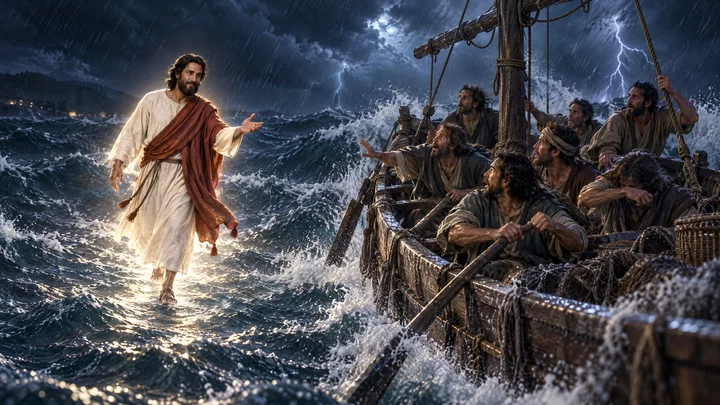
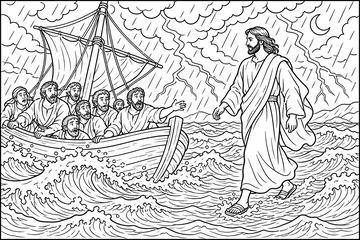
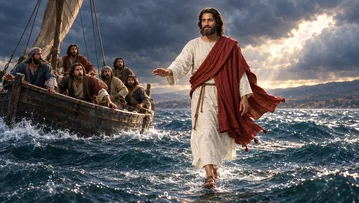
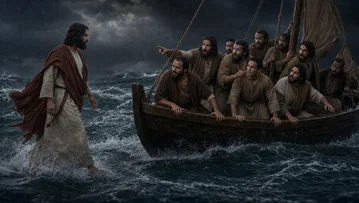
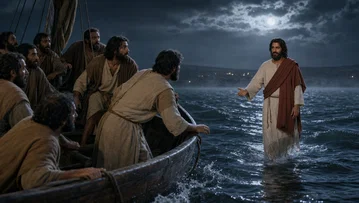
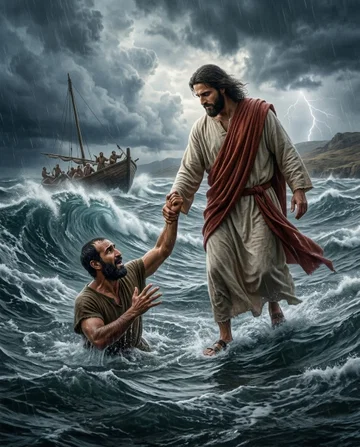
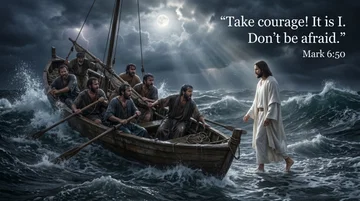
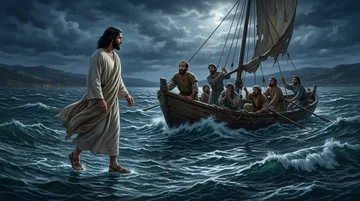
But when they saw him walking upon the sea, they supposed it had been a spirit, and cried out:
Translations
But when they saw him walking on the sea, they supposed it had been a spirit, and cried out:
King James Version, KJV Cambridge Paragraph Bible
But when they saw him walking upon the sea, they supposed it had been a spirit, and cried out:
But when they saw him walking upon the sea, they supposed it had been a spirit, and cried out.
but they, when they saw him walking on the sea, supposed that it was an apparition, and cried out:
American Standard Version, World English Bible
but they, when they saw him walking on the sea, supposed that it was a ghost, and cried out;
And they having seen him walking on the sea, thought [it] to be an apparition, and cried out,
But they, seeing him walking on the sea, thought that it was an apparition, and cried out.
But, they, seeing him, upon the sea, walking, supposed that it was an apparition, and cried out aloud;
Berean Standard Bible, Majority Standard Bible
but when they saw Him walking on the sea, they cried out, thinking He was a ghost—
But they, when they saw him walking on the sea, took him for a spirit, and gave a loud cry:
And when they saw him walking vpon the sea, they supposed it had bene a spirit, and cried out.
Douay-Rheims (Challoner revision)
But they seeing him walking upon the sea, thought it was an apparition, and they cried out.
Pictures
Cross-references
- Matthew 14:26
And when the disciples saw him walking on the sea, they were troubled, saying, It is a spirit; and they cried out for fear.
The disciples mistake Jesus walking on the sea for a spirit and cry out in fear.
- John 6:19-20
So when they had rowed about five and twenty or thirty furlongs, they see Jesus walking on the sea, and drawing nigh unto the ship: and they were afraid.
The disciples see Jesus walking on the sea and are afraid until he reassures them.
- Luke 24:37
But they were terrified and affrighted, and supposed that they had seen a spirit.
The disciples mistake Jesus for a spirit and are terrified.
- Matthew 14:28-31
And Peter answered him and said, Lord, if it be thou, bid me come unto thee on the water.
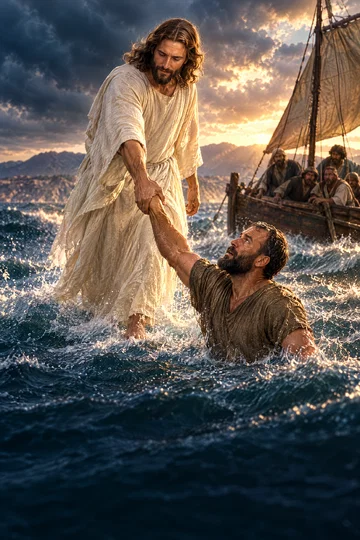
Peter walks toward Jesus on the water, begins to sink, and is rescued.
- Luke 24:39
Behold my hands and my feet, that it is I myself: handle me, and see; for a spirit hath not flesh and bones, as ye see me have.
Jesus shows he has a real body, not a phantom.
- John 6:21
Then they willingly received him into the ship: and immediately the ship was at the land whither they went.
Receiving Jesus into the ship ends the storm journey and brings the boat immediately to shore.
- Mark 6:45
And straightway he constrained his disciples to get into the ship, and to go to the other side before unto Bethsaida, while he sent away the people.
they crossed because he commanded it
- Mark 4:35-41
And the same day, when the even was come, he saith unto them, Let us pass over unto the other side.
Both recount storms at sea and the disciples’ fear before Jesus’ power.
- Psalms 95:5
The sea is his, and he made it: and his hands formed the dry land.
The sea belongs to God, whom Jesus shows power over by walking upon it.
- Mark 6:30-41
And the apostles gathered themselves together unto Jesus, and told him all things, both what they had done, and what they had taught.
quoted as opening part of same passage
Commentary
Each commentary is drawn from primary sources: the writings of Ellen G. White and Adventist pioneers and periodicals. Each commentary is separate. Its own words are not a quotation; follow the references to read the source passages.
Ellen G. White
13 sources
On a dark and stormy night the disciples were crossing the Sea of Galilee in their little boat in obedience to Christ's command while He remained behind on the shore.DA 3764T 530.1–24T 288.1–2 After rowing for hours against adverse winds and waves until their efforts proved useless and in despair they expected to perish, Jesus was seen walking calmly and firmly toward them upon the boisterous waves, His figure revealed by lightning.4T 530.1–23RED 60.1–62.14T 288.1–2 Unable at first to discern Him, they supposed Him a phantom and a sure omen of immediate death, so terror seized them and they cried out in great fear.DA 376DA 381.2–33RED 60.1–62.1 His voice identifying Himself and bidding them not to fear dispelled their terror and turned horror and despair into hope and joy, for His coming heralded not death but life.4T 530.1–22SP 274.24RED 87.2 They willingly ceased their own efforts and trusted all to the Master, their cry becoming supplication for His help, illustrating how followers tug at the oars in their own strength until with failing strength they give up the work to Jesus, who in answer to the cry of faith easily accomplishes what was so difficult for them.4T 530.1–2DA 381.2–33RED 60.1–62.1
Storm and Mistaken Cry
The disciples were in their little boat upon the Sea of Galilee, crossing to the farther side in obedience to Christ's command while He remained behind on the other side, and darkness and storm fell upon them.DA 3764T 530.1–24T 288.1–2ST Jul 18, 1878ST Dec 29, 1887 They toiled hard to reach the shore, rowing for hours, all night, against adverse winds and waves.4T 530.1–23RED 60.1–62.12SP 274.24T 288.1–2ST Jul 18, 1878 Their vessels would not obey them but were unmanageable and driven hither and thither, and all their efforts proved useless and unsuccessful.4T 530.1–24T 288.1–2ST Jul 18, 1878 Bewildered by the uselessness of their efforts and the hopelessness of their case, in despair they laid down their oars and gave all up for lost, expecting to perish.4T 530.1–23RED 60.1–62.14T 288.1–2ST Jul 18, 1878
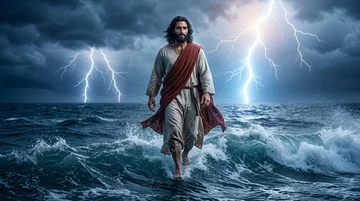
While tempest and billows threatened death, Jesus was then seen walking calmly and firmly toward them upon the foam-capped, white-capped, boisterous waves.4T 530.1–23RED 60.1–62.14T 288.1–2ST Jul 18, 1878 His figure, that of a man approaching upon the white-capped water, was revealed by a flash of lightning.3RED 60.1–62.1
Overwhelmed by the storm and unable at first to discern Him, they did not recognize His presence.4T 530.1–23RED 60.1–62.1DA 381.1 They supposed Him to be a spirit or phantom, a sure precursor and omen of immediate destruction and death.DA 376DA 381.2–33RED 60.1–62.1DA 381.12SP 267.2–268.1 Their terror therefore increased to unspeakable fear, their eyes riveted upon Him and their hands loosed from the oars, and they cried out in great fear.DA 376DA 381.2–33RED 60.1–62.12SP 274.22SP 267.2–268.1
Voice and Rescue
Even in their terror He was watching over them, and when their hearts were humbled and they prayed for help He came to them across the water.DA 381.1 Though He advanced as if He would pass them by, they recognized His form and felt He would not leave them in distress.3RED 60.1–62.1
What they had taken for an omen of death was the messenger of life, for His coming heralded not death but life.4T 288.1–2ST Jul 18, 1878 His voice identifying Himself and bidding them not to fear dispelled their fears and ended their terror.4T 530.1–22SP 274.24RED 87.2ST Dec 29, 1887 Horror and despair were at once turned into hope and the joy of faith, so that with His presence they felt no more anxiety nor dread of death.4T 288.1–2ST Jul 18, 1878
Their cry of fear became supplication and a call for His help.DA 381.2–33RED 60.1–62.12SP 267.2–268.1 The wearied rowers willingly ceased their own efforts and trusted all to the Master.4T 530.1–2 In that storm they remembered having before seen Him come thus walking on the sea to rescue them from danger, and they searched for Him knowing He was their only hope.2SP 307.1–308.1
Lessons for Faith
The mistaken cry on the sea illustrates the experience of Christ's followers who tug at the oars as though their own strength and wisdom were sufficient.4T 530.1–2 In their little boat upon the Sea of Galilee amid storm and darkness they toil hard to reach the shore, with all efforts unsuccessful until despair seizes them.4T 530.1–2 Even the presence of Christ walking upon the foam-capped billows is not at first discerned, so terror increases until His voice identifying Himself and bidding them not to fear dispels fear and gives hope and joy.4T 530.1–2 Then with trembling hands and failing strength they give up the work to Jesus and confess inability to perform it, and the poor wearied disciples willingly cease their efforts and trust all to the Master.4T 530.1–2 Their compassionate Redeemer pities their weakness and in answer to the cry of faith takes up the work they ask Him to do and easily accomplishes what was so difficult for them.4T 530.1–2
The disciples were crossing to the farther side in obedience to Christ's command when a terrible tempest left their vessels unmanageable and drove them until they laid down their oars in despair and expected to perish, bewildered by the uselessness of their efforts and the hopelessness of their case.4T 288.1–2 While tempest and billows threatened death, Christ whom they had left on the other side appeared walking calmly upon the boisterous white-capped waves.4T 288.1–2 When they saw Jesus on the water their terror increased because they interpreted Him as a spirit and a sure precursor of immediate death and cried out in great fear.4T 288.1–2 But His coming heralded not death but life as the messenger of life whose voice above the roar told them not to fear, turning horror and despair at once into joy of faith and hope so that with Christ present they felt no more anxiety nor dread of death.4T 288.1–2 This teaches obedience to the Source of all power whose law even sea and waves obey and fearless trust in the protection of Him who notes the fall of a sparrow.4T 288.1–2
The account belongs to Christ walking on the sea and stilling the tempest, when the disciples' boat was buffeting the waves.7MR 280.4–281.2 The high running waves, the strong wind, the tossing up and down, and the spray dashing show the majesty of God and His works upon the ocean.7MR 280.4–281.2 He holds the winds in His hand and controls the waters, and at one glance beholds the highest heavens and the midst of the sea.7MR 280.4–281.2 Finite beings upon the broad deep waters are mere specks in His sight, yet angels are sent from His excellent glory to guard them.7MR 280.4–281.2
Sources
Pioneers and periodicals
33 sources
After the feeding of the multitude the disciples were alone in the boat in the darkness before dawn near the middle of the sea, struggling uselessly in rowing against a contrary wind and great tempest, when they saw Jesus walking calmly upon the storm-tossed waves toward them and mistook him for a phantom and cried out in terror before they recognized him.ST Aug 25, 1881RH Nov 12, 1903RH Sep 19, 1854ST Jun 20, 1900ST Mar 5, 1896 The word for what they supposed they saw means a phantom, apparition or optical illusion, and not the word used elsewhere for Spirit.RH Sep 19, 1854ST Dec 2, 1897ST Nov 10, 1909 Their fear came from superstitious tales among fisher folk received from pagan sources that such an apparition on the sea foretold destruction and death, and their worn, discouraged and doubting hearts took his deliverance for an omen of ill.ST Apr 11, 1900ST Oct 28, 1897ST Oct 12, 1904 He had his eye upon them and came over the waters of his own making not to frighten them but to rescue them and strengthen their faith, so that his coming was as the messenger of life whose voice above the roar turned despair to joy and took away dread.ST Oct 12, 1904ST Jun 20, 1900RH Jul 28, 1903 The scene pictures the church passing through dark and dangerous times as though forsaken, yet Jesus prays for it and will come to its rescue to bring peace and guide it safely onward, and keeping the eyes on him when he is near gives strength to endure trouble and help others who are sinking.ST May 12, 1909RH Apr 29, 1875RH Jul 28, 1903
Setting and Wording
The night of the walking on the water came right after the feeding of the five thousand at Bethsaida toward Capernaum in A.D. 30, when Jesus had pitied the great crowd as sheep without a shepherd, welcomed them and taught them many things concerning the kingdom of God, healed the sick among them, and fed them all from five loaves and two fishes as they sat in companies in ranks by hundreds and fifties on the green grass, and then sent the disciples across the sea.ST Jun 14, 1899ST Jul 7, 1898 The disciples crossed toward Bethsaida for Capernaum while Jesus stilled the tempest afterward, and Peter also walked on the water on that same occasion.ST Jul 7, 1898
They were alone in the boat without Jesus, out in the middle of the Sea of Galilee in the dark hours before dawn, about the fourth watch and near the end of the night.ST Oct 28, 1897ST Mar 5, 1896 A contrary north wind rose into a great tempest with waves threatening to swallow the boat, and in obedience to his command they toiled in rowing until their vessels would not obey them, their efforts proved useless, and they laid down their oars in despair expecting to perish in desperate danger.ST Jul 18, 1878ST Jun 20, 1900ST Mar 5, 1896 They were worn out in body and mind, exhausted and discouraged and in danger of feeling abandoned.ST Oct 12, 1904ST Oct 28, 1897 That exhaustion was sharpened by disappointment and dissatisfaction and defeat because he had refused to be made king and had sent them away alone, which left them ready for groundless fear and especially vulnerable.ST Oct 28, 1897RH Jul 16, 1901ST Mar 5, 1896
The word rendered spirit is the Greek phantasma, meaning a phantom, appearance, apparition, or optical illusion.RH Sep 19, 1854ST Dec 2, 1897ST Nov 10, 1909 It is not pneuma, the word used in every other New Testament case for Spirit.RH Sep 19, 1854ST Dec 2, 1897
When they peered into the darkness they saw Jesus coming toward them over the water, walking calmly upon the storm-tossed sea and the boisterous white-capped waves as upon land and as though solid rock.ST Jul 18, 1878ST Oct 28, 1897ST Mar 5, 1896 Before they recognized him as their Master they mistook him for a spirit, phantom, apparition, or wicked spirit and cried out in terror and fear, troubled and afraid in their distress amid the storm.ST Aug 25, 1881RH Nov 12, 1903RH Sep 19, 1854ST Jun 12, 1901 That reaction is joined to their later fear when the risen Jesus appeared to them.
Their mistake grew out of the superstitious tales common among fisher folk, received from pagan sources, that a ghostly apparition or storm wraith on the sea foretold destruction and death.ST Apr 11, 1900ST Oct 28, 1897ST Mar 5, 1896ST Mar 4, 1913ST Aug 2, 1905 Their doubting, discouraged hearts therefore took his very deliverance for an omen of fearful ill, an ill-omened specter foretelling their destruction, which showed unbelief and lack of readiness to meet him.ST Apr 11, 1900ST Oct 28, 1897ST Oct 12, 1904ST Mar 5, 1896 Their terror was fed by the tempest, the darkness and danger, overwrought nerves, and old superstitions about spirits of the sea.ST Oct 12, 1904ST Mar 4, 1913ST Aug 2, 1905
A flash of lightning revealed his form coming nearer as if to pass them by.ST Aug 25, 1881ST Mar 5, 1896 When they recognized their Master and heard his reassuring voice their terror ended, fear gave way to joy, and they cried out for his help, since his coming was actually to relieve them.ST Aug 25, 1881ST Dec 29, 1887ST Mar 4, 1913 Thomas first espied the strange figure afar out and cried out that it was an apparition, and all were very fearful with Peter crying out lustily in terror, dropping to his knees weeping and praying. At Jesus' bidding Peter jumped into the sea and walked on the waves a little distance to meet him, then shrieked as the waters closed over him and Jesus stretched out his hand and caught him. As soon as Jesus stepped aboard the wind ceased and the boat was in the harbor of Capernaum, and some in the boat fell at his feet and worshiped him.
The scene belongs to Jesus' display of power and benevolence as the one who stills the waves and the tempest.RH Oct 30, 1860 It demonstrates his power over the waters and the deep as Deliverer and King and Master of the sea, who trod the sea of his own making as though solid rock to come to their relief.RH Oct 30, 1860ST Oct 28, 1897ST Oct 12, 1904ST May 19, 1881
Belief About Spirits
When they saw Jesus walking upon the sea and supposed it had been a spirit, they showed they believed human spirits exist separate from their bodies.RH Jul 4, 1865 That idea is contained in the Bible and was held by all in Christ's time except the Sadducees.RH Jul 4, 1865 By implication the record recognizes again and again that spirits from the invisible world, including departed human spirits, may have intercourse with this world and become visible to mortals by being brought within the sphere of visibility without being brought back into mortal life.RH Dec 12, 1865
In another light, the cry of fear reflects unbelief and lack of readiness to meet him.ST Apr 11, 1900 The word rendered spirit is the Greek phantasma, meaning phantom, and its use reflects a superstitious belief received from pagan sources.ST Apr 11, 1900ST Nov 10, 1909 The mistaking of him for a phantom or apparition with crying out in fear connects with the disciples' later fear when the risen Jesus appeared to them.
Jesus walking on the sea was mistaken by superstitious fishermen for a ghost, but he was not a mere phantom.ST Oct 6, 1914 He was a real, substantial spiritual being, as demonstrated by his later eating before the disciples and showing them his nail-marked hands and feet.ST Oct 6, 1914
Comfort and Application
In the darkness and storm the troubled disciples struggling amid the waves mistook Jesus walking calmly over the water toward them for a spirit foretelling destruction and cried out in terror, their fear heightened by overwrought nerves and superstition and by desperate danger when their vessels would not obey them and their useless efforts left them to lay down their oars in despair and expect to perish.ST Jul 18, 1878ST Dec 29, 1887ST Oct 12, 1904ST Jun 20, 1900RH Jul 28, 1903 While tempest and billows talked with death, bewildered and hopeless and having given all up for lost, they took Him for a sure precursor of immediate death, yet He had come not to frighten them but to save them as Master of the sea, to rescue them, meet their need, strengthen their faith, and bring relief and peace and safety.ST Jul 18, 1878ST Oct 12, 1904ST Jun 20, 1900RH Jul 28, 1903ST Mar 4, 1913 Instead of heralding death His coming was as the messenger of life, and His voice heard above the roar of the elements telling them it was He and bidding them not fear quickly changed the horror of despair to the joy of faith and hope, so that when they recognized Him their terror ended and they felt no more anxiety nor dread of death because Christ was with them.ST Jul 18, 1878ST Dec 29, 1887ST Mar 4, 1913 He had His eye upon them in their discouragement and defeat, knowing they needed spiritual fitting for an eternal kingdom.RH Jul 16, 1901
His reassuring words in the next verse meant more than that He was their real teacher, for I am identified Him as the divine, life-giving Creator and offered lasting comfort.ST Jun 12, 1901 His presence beside them means they need not fear, for no storm can drive Him away and He is their defense.RH Jan 28, 1873 The scene pictures the church passing through dark and dangerous times: although it may seem forsaken, Jesus prays for it and will come to its rescue, bring peace amid the storm, and guide it safely onward.ST May 12, 1909
In life's troubles, recognizing that Christ is near and able to save gives courage and helps believers endure with patience, and keeping the eyes on Him gives strength to endure trouble and to help others who are sinking.RH Apr 29, 1875RH Jul 28, 1903 He comes on the stormy night as the unfailing source of joy, comfort, and safety, and He will be the same to everyone who becomes acquainted with Him now at all times because He never changes, so becoming acquainted with Him now means knowing Him in the day of His coming and having peace with Him in the day of judgment.RH Sep 10, 1901
Their crying out shows doubt and unbelief and hardness of heart, for they considered not the miracle of the loaves; had they considered the infinite Lord who had multiplied the bread before their eyes they would not have spent such a hard night of doubt after He sent them to sea with contrary winds while they were discouraged and defeated in their hope of making Him king.RH Jul 16, 1901 God expects people to keep past experiences in memory, and neglecting to remember is the same as failing to watch.RH Oct 23, 1900 Christ is infinite in resources and able to sustain those He commands and can save by few or by many, so His people must not limit the Holy One of Israel but come to Him with humble, childlike faith and confidence for all supplies, trusting His blessing on the loaves and fishes in their hands to do a mighty work.RH Jul 16, 1901
Sources