Matthew 11:8
But what went ye out for to see? A man clothed in soft raiment? behold, they that wear soft clothing are in kings’ houses.
Translations
But what went you out for to see? A man clothed in soft raiment? behold, they that wear soft clothing are in kings’ houses.
King James Version, KJV Cambridge Paragraph Bible
But what went ye out for to see? A man clothed in soft raiment? behold, they that wear soft clothing are in kings’ houses.
But what went ye out to see? A man clothed in soft raiment? Behold, they that wear soft clothing are in kings' houses.
But what went ye out for to see? a man clothed in soft raiment? Behold, they that wear soft raiment are in kings’ houses.
But what went ye out to see? a man clothed in soft raiment? Behold, they that wear soft raiment are in kings’ houses.
'But what went ye out to see? — a man clothed in soft garments? lo, those wearing the soft things are in the kings' houses.
But what went ye out to see? a man clothed in delicate raiment? behold, those who wear delicate things are in the houses of kings.
But what went ye forth to see? A man, in soft clothing, arrayed? Lo! they who soft clothing do wear, are in the houses of kings.
Berean Standard Bible, Majority Standard Bible
Otherwise, what did you go out to see? A man dressed in fine clothes? Look, those who wear fine clothing are found in kings’ palaces.
But what did you go out to see? A man in soft clothing? Behold, those who wear soft clothing are in kings’ houses.
But what went you out to see? a man delicately clothed? Those who have fair robes are in kings' houses.
But what went ye out to see? A man clothed in soft raiment? Behold, they that weare soft clothing, are in Kings houses.
Douay-Rheims (Challoner revision)
But what went you out to see? a man clothed in soft garments? Behold they that are clothed in soft garments, are in the houses of kings.
Pictures
Cross-references
- Matthew 3:4
And the same John had his raiment of camel’s hair, and a leathern girdle about his loins; and his meat was locusts and wild honey.
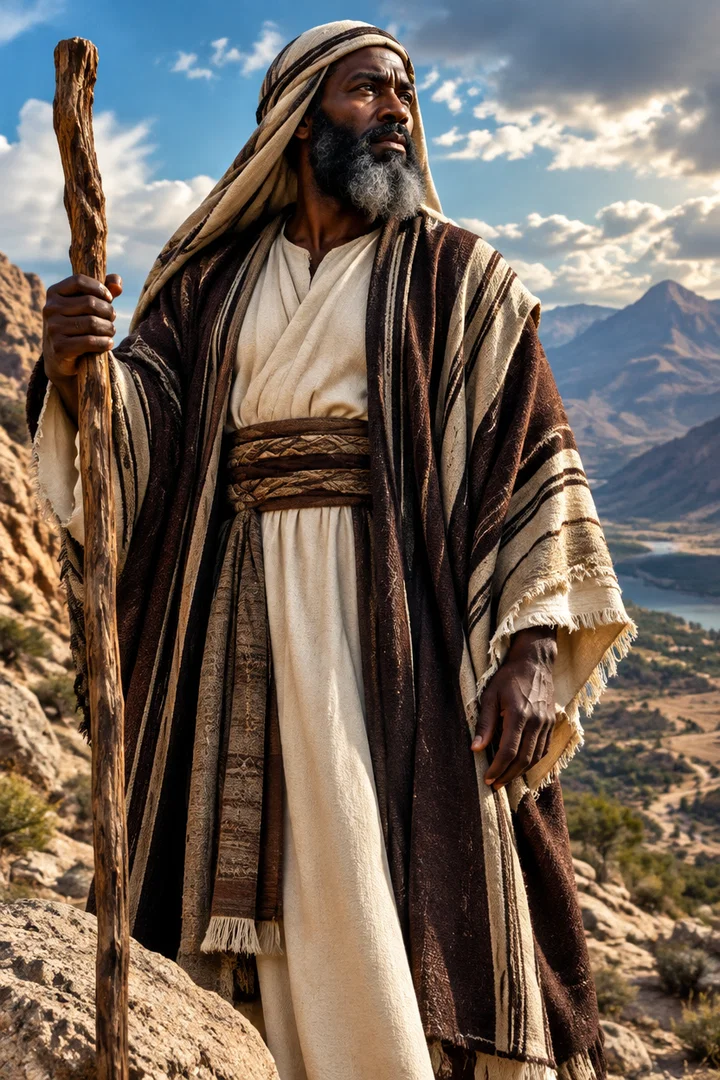
John’s plain clothing contrasts with the soft raiment worn in kings’ houses.
- Malachi 3:1
Behold, I will send my messenger, and he shall prepare the way before me: and the Lord, whom ye seek, shall suddenly come to his temple, even the messenger of the covenant, whom ye delight in: behold, he shall come, saith the LORD of hosts.
Identifies John as the promised messenger preparing the way for Christ.
- Luke 7:25
But what went ye out for to see? A man clothed in soft raiment? Behold, they which are gorgeously apparelled, and live delicately, are in kings’ courts.
Records the parallel question about soft clothing in kings’ courts.
- John 1:21-23
And they asked him, What then? Art thou Elias? And he saith, I am not. Art thou that prophet? And he answered, No.
John denies being the promised Prophet and identifies himself as Isaiah’s voice.
- Isaiah 40:3
The voice of him that crieth in the wilderness, Prepare ye the way of the LORD, make straight in the desert a highway for our God.
John’s wilderness mission fulfills the prophecy of a voice preparing the Lord’s way.
- Luke 1:17
And he shall go before him in the spirit and power of Elias, to turn the hearts of the fathers to the children, and the disobedient to the wisdom of the just; to make ready a people prepared for the Lord.
John prepares a people for the Lord in Elijah’s spirit and power.
- Mark 6:20
For Herod feared John, knowing that he was a just man and an holy, and observed him; and when he heard him, he did many things, and heard him gladly.
Records Herod’s fear of John and his response to John’s preaching.
- Matthew 17:12-13
But I say unto you, That Elias is come already, and they knew him not, but have done unto him whatsoever they listed. Likewise shall also the Son of man suffer of them.
both give Jesus' testimony to John
- Matthew 21:32
For John came unto you in the way of righteousness, and ye believed him not: but the publicans and the harlots believed him: and ye, when ye had seen it, repented not afterward, that ye might believe him.
both give Jesus' testimony to John
- Malachi 4:5
Behold, I will send you Elijah the prophet before the coming of the great and dreadful day of the LORD:
John’s mission is connected with Elijah’s work.
- Luke 1:15
For he shall be great in the sight of the Lord, and shall drink neither wine nor strong drink; and he shall be filled with the Holy Ghost, even from his mother’s womb.
John was foretold to be great in the Lord’s sight.
- Matthew 3:7
But when he saw many of the Pharisees and Sadducees come to his baptism, he said unto them, O generation of vipers, who hath warned you to flee from the wrath to come?
same John knew men as vipers
Commentary
Each commentary is drawn from primary sources: the writings of Ellen G. White and Adventist pioneers and periodicals. Each commentary is separate. Its own words are not a quotation; follow the references to read the source passages.
Ellen G. White
12 sources
This question is part of the declaration about John and his mission, spoken after multitudes followed John hoping he was the Messiah while John directed their minds to the coming One.RH Nov 28, 1907 It belongs to the account in which John was imprisoned by Herod Antipas after confronting him over his unlawful marriage.DA 214.1
It contrasts John's plain, rough clothing with the soft, rich, luxurious and gorgeously apparelled garments worn by those who live delicately in kings' houses, palaces and royal courts.2SP 72.2ST Mar 1, 1883DA 214DA 214.2–215.2ST Nov 1, 1877 It asks whether the crowds went out into the wilderness expecting to see someone dressed for royal comfort and luxury, pointing out that such finely dressed, soft-clothed courtiers are found in palaces, not in the wilderness.2SP 72.2ST Mar 1, 1883ST Nov 1, 1877ST Nov 1, 1877 The people who went into the wilderness knew John was no courtly figure seeking luxury, admiration, or outward display; they went to hear him preach, not to see someone living in royal luxury.2SP 72.3RH Mar 4, 1873ST Mar 1, 1883
John's simple dress suited his austere, humble, self-denying life and calling, including his mission to reprove sin, and showed his life and ministry were not marked by worldly luxury, splendor, or royal privilege.2SP 72.2ST Mar 1, 1883DA 214.2–215.2ST Nov 1, 1877RH Mar 4, 1873 The contrast also exposes the Jewish priests, elders and rulers, who wore gorgeous apparel, costly robes and ornaments to impress people and win their regard and human praise, showing greater concern for outward admiration and appearance than for purity of character and heart, holiness of life, and allegiance to God, which alone gain God's approval.2SP 72.2ST Nov 1, 18772SP 72.3RH Mar 4, 1873DA 218.5–219.2 Such display belongs to those attached to the power and riches of this world, not to God's servants.DA 218.5–219.2
Sources
Pioneers and periodicals
24 sources
The verse sets plain, rough dress in the wilderness against soft, luxurious clothing belonging in kings' houses and palaces, marking John's humble austerity against outward display and royal comfort.ST Mar 1, 1883ST Nov 1, 1877ST Nov 19, 1894ST Jun 9, 1881 Christ's question shows the crowds did not go out to see a finely dressed man, for wearers of soft clothing live in kings' houses, not the wilderness, and what drew them was hearing him preach, not luxury or display.ST Nov 1, 1877ST Jun 9, 1881 John was no seeker of ease, luxury, honor, or favor at a king's court, but faithfully accepted his wilderness calling instead of escaping its responsibilities.ST Dec 12, 1892 The saying belongs to Christ's testimony to the dignity of John's mission as the messenger sent to prepare His way, greater than earlier prophets because he could point to the Messiah present, a prophet and more than a prophet calling to repentance in the spirit and power of Elijah.RH Aug 30, 1870ST Mar 3, 1898RH Nov 1, 1906 His simple dress rebukes extravagance and delicate living as self-indulgence incompatible with Christian duty and self-denial, making him the type of God's last-day messengers who will have no concern for fine clothing or luxurious living but will be content as voices crying in the wilderness of sin to announce the Coming One.ST Apr 28, 1898RH Jan 21, 1909RH May 12, 1910
Dress and Wilderness Setting
The question turns on a contrast between John's plain, rough clothing and the soft, luxurious garments worn by people in kings' houses and palaces, setting the wilderness against royal comfort and John's humble austerity against outward display.ST Mar 1, 1883ST Nov 1, 1877ST Nov 19, 1894 Those who wear such soft clothing are found in palaces and royal courts, not in the wilderness, so the crowds could not have gone out expecting to see someone dressed for royal comfort.ST Mar 1, 1883ST Nov 1, 1877 John was no courtly figure dressed for comfort or privilege, and his austere life stands opposed to the soft, luxurious clothing of those who live in royal courts.ST Mar 1, 1883ST Nov 1, 1877ST Nov 19, 1894
The same rich, soft garments were worn in royal palaces and royal houses and also by Jewish priests and elders.ST Nov 1, 1877RH Mar 4, 1873ST Mar 1, 1883ST Jun 9, 1881 Those priests and elders displayed splendid, gorgeous, costly robes to win the people's admiration and regard, making outward display and human admiration their concern.ST Nov 1, 1877RH Mar 4, 1873ST Mar 1, 1883ST Jun 9, 1881 Yet they lacked the purity of character, spotless character, holiness of life and holy lives that gain God's approval, which they should have sought instead.ST Nov 1, 1877RH Mar 4, 1873ST Mar 1, 1883ST Jun 9, 1881
Jesus asks whether the crowds went into the wilderness to see a man dressed in fine, soft clothing, pointing out that wearers of such clothing live in kings' houses, not in the wilderness.ST Nov 1, 1877ST Jun 9, 1881 John's austere dress and austere setting were therefore not what drew them.ST Nov 1, 1877 They went into the wilderness to hear John preach, knowing he was no finely dressed figure seeking luxury, comfort, display or admiration, and not to find someone living delicately or dressed for display.ST Nov 1, 1877RH Mar 4, 1873ST Mar 1, 1883ST Jun 9, 1881
The meaning is that John was not a man clothed in soft raiment, for those gorgeously apparelled who live delicately are in kings' courts.RH Nov 28, 1907RH Jul 10, 1855 The statement merely tells where such dress belongs, in kings' houses with their associated display, and it gives no order for and no approval or countenance of dressing in gold and costly apparel, not even for people of high rank and splendid fortune in those places.RH Jul 10, 1855 The reference to soft, luxurious clothing also rules out extravagant dress as fitting Christ's own humble character, for he was well but plainly dressed, neither careless nor showy.
John's Calling and Greatness
John was no seeker of comfort, ease, luxury, honor, prestige, or favor at a king's court, and no courtly figure dressed for privilege, for soft clothing belongs in kings' houses and not to him in the wilderness.ST Dec 12, 1892 Jesus' question shows he did not seek a prestigious position or escape from the responsibilities God had given him, but faithfully accepted his wilderness calling.ST Dec 12, 1892 Honor belongs to such a faithful servant of God, not to courtly comfort or luxury.
The verse belongs to Jesus' testimony presenting the importance and dignity of John's mission in Matthew 11:2-19, whose parallel is Luke 7:18-35.RH Aug 30, 1870ST Mar 3, 1898 There John is the messenger sent before Christ to prepare His way, the greatest among those born of women, yet the least in the kingdom of God is greater than he. He was greater than the earlier prophets in the truth he could proclaim, because he could point to the Messiah present among people while they could only foretell Him, so that preachers who testified to the completed work of Christ and the full light of the gospel would be greater than John in that same respect.RH Aug 30, 1870
In this setting John is a prophet and more than a prophet, a messenger calling the people to repentance and preparing the way for Christ.RH Nov 1, 1906RH Jun 28, 1906 He is identified as Elijah, come in the spirit and power of Elijah, in contrast to a man dressed in luxurious clothing. His standing as a prophet rests on Christ's recognition, not on claiming the title for himself.RH Jun 28, 1906
Like Elijah, he was a plain, courageous messenger sent to call a backslidden people to reform, not an effeminate courtier or seeker of comfort, influence, or admirers.RH Nov 28, 1907ST Jun 14, 1910 His dress was that of the ancient prophets, his manner simple and unassuming, yet he was a mighty preacher of righteousness.ST Jun 7, 1910 He showed no respect of persons, catering neither to the lofty Sadducee nor the proud Pharisee, and was alike insensible to the glittering pomp of kings and to the learned logic of the rabbis.ST Jun 7, 1910 Neither praise nor censure moved him, and no appeal to love of money or fear of society's condemnation could reach him, for he had renounced both.ST Jun 7, 1910 This was declared after multitudes followed him hoping he was the Messiah, while he directed their minds to the Coming One.RH Nov 28, 1907
Dress, Denial, and Mission
John's plain dress stands as a rebuke to extravagance and display, for soft luxurious clothing and delicate living belong to royal households and mark courtly indulgence rather than the life of a prophet.RH Jan 21, 1909 Extravagant dress and delicate living are therefore condemned as self-indulgence incompatible with Christian duty and self-denial, and Christians are taught not to make comfort, fashion, or amusement the purpose of life. He did not seek soft clothing or kingly comforts but rejected self-indulgence for hardship in the wilderness, and his one visit to a king's house was to proclaim God's truth to Herod despite the danger. His example teaches that self-denial is essential to goodness and greatness.
John is a type of God's last-day messengers, who likewise will have no concern for fine clothing or luxurious living but will be content as voices crying in the wilderness of sin.ST Apr 28, 1898RH May 12, 1910 Like him they are not to be marked by ease, luxury, or skill in pleasing courts, but are to yield themselves to God, be filled with the Spirit, and announce the Coming One.ST Apr 28, 1898RH May 12, 1910 Boasted marks of superiority such as fine dress are really badges of shame and evidence of the loss of man's first estate, and must not be brought as conceit into the gospel lest minds be corrupted from the simplicity that is in Christ.RH May 12, 1910 The crowds did not go into the wilderness to find one living in comfort or dressed for display, but to hear him preach, while priests and elders used splendid clothing to win admiration when they should have sought purity of character and holiness of life to gain God's approval.ST Jun 9, 1881 The verse therefore warns against judging by outward appearance or imitating ambitious, showy examples, and followers are to hold to what is good in the teaching of the scribes and Pharisees without copying their wrong conduct.ST Jun 9, 1881
The contrast between soft clothing in kings' houses and the prophetic mission rebukes those who enjoy comfort, pleasure, and lavish spending while missionaries lack life's necessities and the needs of carrying the gospel go unmet.ST Dec 15, 1898 John came unbidden from the deserts of Jordan even to Herod's court without the pretensions of the schools and without courtly soft manners, yet swayed multitudes by a living message from God.ST Oct 29, 1902 His power came because he had spent his time not among men studying men but in knowing God, and thereby knowing men, and his example proves that lasting success comes by studying God.ST Oct 29, 1902 By the same contrast, merely ornamental and comfort-loving people are out of place in life's stern work, where dignity that cannot labor must give way to those willing to endure hardship.RH Jan 20, 1903 The image of soft raiment in kings' houses can describe fine clothes provided by a lifetime of parental work, and it can mark a prominent, respectable-seeming corrupt briber as belonging among the well-dressed and influential rather than with the austere prophet.ST Jun 18, 1885ST Sep 7, 1904
Sources