Matthew 11:7
And as they departed, Jesus began to say unto the multitudes concerning John, What went ye out into the wilderness to see? A reed shaken with the wind?
Translations
And as they departed, Jesus began to say to the multitudes concerning John, What went you out into the wilderness to see? A reed shaken with the wind?
King James Version, KJV Cambridge Paragraph Bible
And as they departed, Jesus began to say unto the multitudes concerning John, What went ye out into the wilderness to see? A reed shaken with the wind?
And as they departed, Jesus began to say to the multitudes concerning John, What went ye out into the wilderness to see? a reed shaken with the wind?
Revised Version, American Standard Version
And as these went their way, Jesus began to say unto the multitudes concerning John, What went ye out into the wilderness to behold? a reed shaken with the wind?
And as they are going, Jesus began to say to the multitudes concerning John, 'What went ye out to the wilderness to view? — a reed shaken by the wind?
But as they went [ away], Jesus began to say to the crowds concerning John, What went ye out into the wilderness to see? a reed moved about by the wind?
But, as these were going their way, Jesus began to say unto the multitudes, concerning John,—What went ye forth into the wilderness to gaze at? A reed, by a wind, shaken?
Berean Standard Bible, Majority Standard Bible
As John’s disciples were leaving, Jesus began to speak to the crowds about John: “ What did you go out into the wilderness to see? A reed swaying in the wind?
As these went their way, Jesus began to say to the multitudes concerning John, “ What did you go out into the wilderness to see? A reed shaken by the wind?
And when they were going away, Jesus, talking of John, said to all the people, What went you out into the waste land to see? a tall stem moving in the wind?
And as they departed, Iesus beganne to speake vnto the multitude, of Iohn, What went ye out into the wildernes to see? A reede shaken with the winde?
Douay-Rheims (Challoner revision)
And when they went their way, Jesus began to say to the multitudes concerning John: What went you out into the desert to see? a reed shaken with the wind?
Pictures
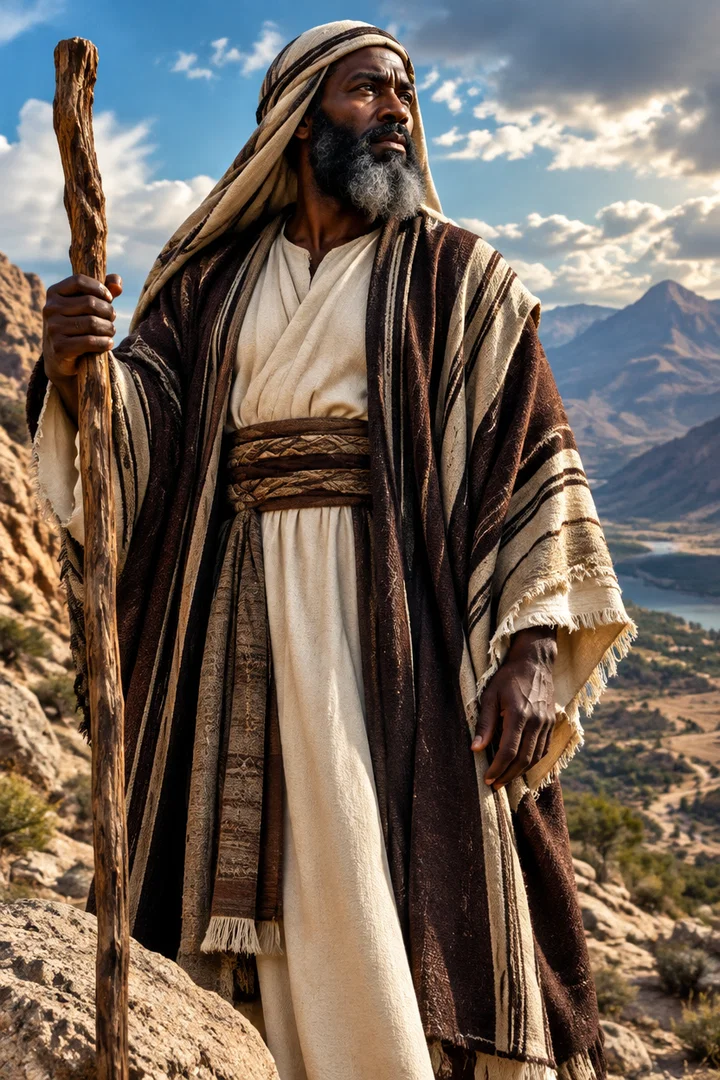
Cross-references 20 of 21
- Luke 7:24
And when the messengers of John were departed, he began to speak unto the people concerning John, What went ye out into the wilderness for to see? A reed shaken with the wind?
Parallel account of Jesus speaking to the crowds about John.
- Malachi 3:1
Behold, I will send my messenger, and he shall prepare the way before me: and the Lord, whom ye seek, shall suddenly come to his temple, even the messenger of the covenant, whom ye delight in: behold, he shall come, saith the LORD of hosts.
Foretells the messenger preparing the way before the Lord comes.
- Matthew 11:11
Verily I say unto you, Among them that are born of women there hath not risen a greater than John the Baptist: notwithstanding he that is least in the kingdom of heaven is greater than he.
Continues Jesus’ praise of John’s character and greatness.
- Isaiah 40:3
The voice of him that crieth in the wilderness, Prepare ye the way of the LORD, make straight in the desert a highway for our God.
John’s wilderness preaching fulfills the call to prepare the Lord’s way.
- John 1:21
And they asked him, What then? Art thou Elias? And he saith, I am not. Art thou that prophet? And he answered, No.
John denies being Elijah personally while serving in Elijah’s prophetic role.
- Luke 1:17
And he shall go before him in the spirit and power of Elias, to turn the hearts of the fathers to the children, and the disobedient to the wisdom of the just; to make ready a people prepared for the Lord.
John prepares the way in Elijah’s spirit and power.
- Matthew 17:12-13
But I say unto you, That Elias is come already, and they knew him not, but have done unto him whatsoever they listed. Likewise shall also the Son of man suffer of them.
Jesus identifies John as the coming Elijah and says he was mistreated.
- Malachi 4:5
Behold, I will send you Elijah the prophet before the coming of the great and dreadful day of the LORD:
The promised Elijah prepares the way, and John fulfills this role.
- Luke 7:27
This is he, of whom it is written, Behold, I send my messenger before thy face, which shall prepare thy way before thee.
Uses the messenger prophecy in reference to John.
- Matthew 3:4
And the same John had his raiment of camel’s hair, and a leathern girdle about his loins; and his meat was locusts and wild honey.
Describes John’s plain camel-hair clothing.
- Matthew 14:1-11
At that time Herod the tetrarch heard of the fame of Jesus,
Both texts concern John the Baptist and his imprisonment and death.
- Mark 6:17-28
For Herod himself had sent forth and laid hold upon John, and bound him in prison for Herodias’ sake, his brother Philip’s wife: for he had married her.
Parallel account of John’s imprisonment and death.
- John 3:27-30
John answered and said, A man can receive nothing, except it be given him from heaven.
John accepts his God-given role and rejoices as Jesus increases.
- Matthew 11:14
And if ye will receive it, this is Elias, which was for to come.
Identifies John’s work with the promised Elijah mission.
- Matthew 21:32
For John came unto you in the way of righteousness, and ye believed him not: but the publicans and the harlots believed him: and ye, when ye had seen it, repented not afterward, that ye might believe him.
listed together as Jesus' testimony to John
- Mark 1:2
As it is written in the prophets, Behold, I send my messenger before thy face, which shall prepare thy way before thee.
The messenger prophecy is applied to John.
- Matthew 3:7
But when he saw many of the Pharisees and Sadducees come to his baptism, he said unto them, O generation of vipers, who hath warned you to flee from the wrath to come?
John’s discernment exposed the Pharisees’ and Sadducees’ hypocrisy.
- Luke 7:30
But the Pharisees and lawyers rejected the counsel of God against themselves, being not baptized of him.
Says the people rejected God’s counsel through John’s message.
- Deuteronomy 18:15
The LORD thy God will raise up unto thee a Prophet from the midst of thee, of thy brethren, like unto me; unto him ye shall hearken;
John declined to claim the title of the Prophet Moses foretold.
- James 1:6-8
But let him ask in faith, nothing wavering. For he that wavereth is like a wave of the sea driven with the wind and tossed.
Describes the instability of a person who wavers.
Commentary
Each commentary is drawn from primary sources: the writings of Ellen G. White and Adventist pioneers and periodicals. Each commentary is separate. Its own words are not a quotation; follow the references to read the source passages.
Ellen G. White
32 sources
After John's messengers had left, Jesus began to speak to the crowds about John, asking what had drawn them out into the wilderness to hear him after they had followed him and hoped he was the promised deliverer.DA 214.2–215.2RH Nov 28, 1907 The shaken reed pictures a fickle person swayed about by changing opinions and influences.ST Mar 1, 1883DA 218.3–4RH Mar 4, 1873 John was the opposite of such weakness, not wavering or unstable but steadfast and firm in integrity, duty and principle like a rock.ST Mar 1, 1883DA 218.3–4ST Nov 1, 1877 He could not be moved by flattery, error, reward or worldly honor, but fearlessly rebuked sin in rulers and people of every rank, remaining faithful even in prison at the cost of his life.ST Mar 1, 1883DA 218.3–4ST Nov 1, 1877RH Mar 4, 1873 Practical godliness gives that same steadiness of character, holding its course under any circumstance and growing stronger through conflict and rebuff, while without it the soul is left like a reed driven by the storm of temptation toward unhappiness and ruin.3T 197.23T 225.1–226.1CH 430.1–2Lt 406, 1906, par. 164T 555.3–556.1
Setting and Wording
Jesus began His testimony to the multitudes concerning John and his mission after John's messengers departed.DA 214.2–215.2RH Nov 28, 1907 Multitudes had accepted John's preaching, followed him from place to place, and cherished the hope that he was the Messiah, while John directed their minds to the Coming One.RH Nov 28, 1907 His wilderness ministry had drawn great crowds before he was imprisoned in Herod Antipas's fortress.DA 214.2–215.2DA 214.1 There as a faithful, fearless herald he was troubled because he expected the Messiah to overthrow oppressors and bring judgment.DA 214.2–215.2 He had faithfully rebuked Herod for his unlawful alliance with Herodias.DA 214.1
The question about what they went out into the wilderness to see asks what drew the people to hear John preach.2SP 72.3RH Mar 4, 1873ST Nov 1, 1877 The reed shaken with the wind pictures a fickle person swayed by changing opinions.ST Mar 1, 1883DA 218.3–4 The wilderness was not a place to find those who live delicately or wear rich, soft clothing.2SP 72.3ST Nov 1, 1877ST Mar 1, 1883 John's plain, rough, practical garment contrasted with the gorgeous, splendid, costly clothing of Jewish priests and elders and those in kings' courts.2SP 72.3ST Nov 1, 1877ST Mar 1, 1883 That contrast showed outward display was not his motive or character, while they sought people's admiration through outward display rather than God's approval through purity of character and holy lives.ST Nov 1, 1877ST Mar 1, 1883
The testimony declares John was not weak or wavering.RH Nov 28, 1907 He was not a man in soft raiment like those in kings' courts.RH Nov 28, 1907 He was a prophet and much more than a prophet.RH Nov 28, 1907 He was the messenger sent before Christ to prepare His way.RH Nov 28, 1907 He was the greatest among those born of women, yet less than the least in the kingdom of God.RH Nov 28, 1907
John's Firm Integrity
The wind-tossed reed is a picture of a fickle person swayed by changing opinions, and John was its opposite.ST Mar 1, 1883DA 218.3–4ST Nov 1, 1877RH Mar 4, 18732SP 72.1 He was no trembling reed, but steadfast and firm in integrity, duty and principles, standing like a rock.ST Mar 1, 1883DA 218.3–4ST Nov 1, 1877RH Mar 4, 18732SP 72.1 Flattery could not move him, nor prevailing error, nor rewards, nor worldly honor.ST Mar 1, 1883ST Nov 1, 1877RH Mar 4, 18732SP 72.1
He stood firm in rebuking sin and crime in rulers and ordinary people alike, in people of every rank including kings and nobles.ST Mar 1, 1883DA 218.3–4ST Nov 1, 18772SP 72.1 He spoke fearlessly, loyal to God and zealous for righteousness, without turning aside from duty.DA 218.3–4ST Nov 1, 18772SP 72.1 He remained faithful in prison as well as in the wilderness, even at the cost of his life.ST Mar 1, 1883DA 218.3–4ST Nov 1, 18772SP 72.1
By contrast, the rabbis fit the reed picture because they shifted with popular opinion.DA 218.3–4 John's imprisonment did not mean that God had forsaken him or that his faith had failed.DA 218.3–4
Steadfastness in Daily Life
Practical religion forms a steady character that holds its shape under any circumstance and does not bend like a reed shaken by wind when conditions shift and influences change.3T 197.2TBC1872 51.1 Conflicts and rebuffs are meant to strengthen faith and give it stability rather than unsettle it.CH 430.1–24T 555.3–556.1 The truths of the gospel and divine grace supply that steadiness, enabling firm standing against harmful influences without loss of purity.CH 430.1–2 Followers of Christ must therefore refuse to be carried by every passing influence.4T 555.3–556.1
A mind schooled by daily tests of faithfulness does not waver or hesitate between right and wrong, because it discerns the principle at stake and chooses the right.TCBMP 24.23T 22.2 Faithfulness in small matters builds the strength to stay faithful in greater matters.TCBMP 24.2 Steadiness in truth and sound moral principle means remaining unmoved by vain, proud, and worldly influences.Lt 19, 1872, par. 6–8
Without such stability the soul becomes like a reed swayed by the storm of temptation, unsettled in truth through a weak hold on God and open to unbelief and worldly influence.3T 225.1–226.113MR 148.1–2 It is driven through bitter and almost overwhelming storms into unhappiness and ruin, clinging to pride until left prostrate and seemingly without willpower or strength to rise.13MR 148.1–2 That unstable course is as unstable as water.Lt 406, 1906, par. 16 Those who despised past warnings do despite to the Spirit of grace, and some have received their last entreaties, so that if they are saved now it will be only by obeying those warnings.Lt 406, 1906, par. 16
Young people who yield to selfish desires and indulgence instead of practicing self-denial, bearing the cross, and enduring hardship reveal characters not firm in the Christian life.6MR 128.1–2Lt 47, 1893, par. 16–19 They remain unstable and pliable rather than firm and decided, without strength of will and easily swayed.Ms 121, 1898, par. 21–23 Without that self-denial and endurance they are unprepared to follow Christ through hardship and to employ their abilities in God's service.Lt 47, 1893, par. 16–19
Education decides in large measure whether one grows up like the trembling reed.3T 132.3–133.1CT 75.1–76.1 Harsh control that denies the young the chance to learn to think and act with sound judgment leaves them dependent and easily led by others when they must act for themselves.3T 132.3–133.1 The reed moved by wind pictures one with no stability and firm principle, no confidence to think, act, and decide from personal judgment, who follows the judgment of others in the wrong direction and yields to temptation once restraint and guidance are removed.CT 75.1–76.1 Children avoid that end not by being left to think and act independently of parents and teachers, but by being taught to respect experienced judgment, to unite their minds with the minds of parents and teachers, and to see the propriety of heeding counsel, so that when they go out from the guiding hand they act from independent firm principle and do not waver when parental and teacher guidance is no longer present.CT 75.1–76.1CE 6.3–7.1STSE 5.2FE 17.1
A weak grasp of the faith likewise leaves one like a reed trembling in the wind.TCBMP 192.2–196.3TBC1872 92.1–93.1 A family weak in the principles of the faith became vulnerable to deceptive spiritualist teachings and stood in need of careful help.TCBMP 192.2–196.3TBC1872 92.1–93.1 Friends swayed by suspicion, duplicity, and falsehood likewise proved untrustworthy.Lt 98a, 1897, par. 36–40
Sources
Pioneers and periodicals
33 sources
After John's messengers had departed, Jesus began to speak to the multitudes concerning John and his mission, asking what they had gone out into the wilderness to see, denying that he was weak or changeable like a reed shaken by the wind.ST Dec 12, 1892ST Feb 10, 1898ST Jan 30, 1896 A reed shaken with the wind pictures a fickle, unstable person, changeable and swayed by circumstances and outside pressure.ST Dec 12, 1892ST Jul 28, 1881RH Aug 4, 1868 John was no such reed, but steadfast, heroic and firm in purpose, not pliable in matters of the gospel nor turned aside by difficulty or promise of advantage.ST Mar 1, 1883ST Nov 1, 1877ST Dec 12, 1892ST Apr 28, 1898ST Sep 22, 1909 He could not be moved by flattery, error, rewards or worldly honor, but stood firm in duty and principle even at the cost of his life, rebuking sin in rulers and people alike without fear of pomp, censure or loss.ST Mar 1, 1883ST Nov 1, 1877RH Mar 4, 1873ST Jun 7, 1910 He was God's messenger, a prophet and much more than a prophet, the greatest among those born of women, who fulfilled the Elijah type as Christ's forerunner by pointing to the Messiah present and working and preparing the way by his call to repentance.RH Nov 28, 1907RH Aug 30, 1870RH Nov 1, 1906
Question's Words and Setting
Jesus began His discourse and testimony to the multitudes concerning John and his mission after John's messengers had departed.RH Nov 28, 1907ST Jan 30, 1896 The opening question asks what the crowds went out into the wilderness to see when they went to hear John.RH Mar 4, 1873ST Dec 12, 1892ST Feb 10, 1898 It challenges the idea that they expected to find him weak or changeable, wavering like a reed shaken by the wind.RH Mar 4, 1873ST Dec 12, 1892ST Feb 10, 1898ST Nov 19, 1894 That moment of questioning contrasts John's present discouragement with the steadfast prophetic work for which he was known.ST Nov 19, 1894
The reed shaken with the wind pictures a fickle, unstable person, changeable and swayed by circumstances and outside pressure.ST Dec 12, 1892RH Aug 4, 1868 Applied to faith it warns against wavering belief, for Christian truth must be accepted fully and with certainty, not held as a possibility mixed with doubt.ST Jul 28, 1881 One who has held the same testimony unchanged for more than forty years has not been such a reed.RH Aug 4, 1868
The wilderness was not where people went to find delicate living or rich, soft clothing.ST Nov 1, 1877ST Mar 1, 1883 The question directs attention to the contrast between John's plain, rough, practical garment and the costly, splendid, gorgeous apparel of the Jewish priests and elders.ST Nov 1, 1877ST Mar 1, 1883 Those leaders sought the people's admiration through outward display rather than God's approval through purity of character and holy lives, while outward display was not John's motive or character.ST Nov 1, 1877ST Mar 1, 1883
This part of Matthew 11 belongs to warning and judgment following the proclamation of the kingdom and the call to repentance.ST Feb 10, 1898 These warnings are meant to lead people to seek God's kingdom and righteousness, not merely to condemn them.ST Feb 10, 1898 Jesus spoke these words while John was imprisoned and discouraged and spiritually depressed, helping him in that depression.ST Nov 19, 1894ST Jan 30, 1896 John's imprisonment and perplexity did not lessen Jesus' praise of him, for He declared him steadfast and heroic rather than changeable or weak.
John as Forerunner Messenger
After John's messengers had departed, the question about going into the wilderness to see a reed shaken by the wind begins the discourse and testimony to the multitudes concerning John and his mission.RH Nov 28, 1907 He is identified as God's messenger sent before Christ to prepare His way, a prophet and much more than a prophet.RH Nov 28, 1907RH Nov 1, 1906RH Jun 28, 1906 He is declared greater than those born of women, with greatness in the kingdom of God contrasted so that he is yet less than the least in the kingdom.RH Nov 28, 1907 He was greater than the prophets before him because they could only foretell the Messiah while he could point to the Messiah present and working among people, and he did not see the completion of Christ's work, so those who preached after Christ completed His mission could testify to its successful conclusion and in that respect be greater than John, even if inferior to him in other ways.RH Aug 30, 1870
He fulfilled the Elijah type as Christ's forerunner at the first advent, not Elijah returned in person but going before Christ in Elijah's spirit and power. Like Elijah he was called to confront a backslidden people and urge reform, not to build a following or seek praise but to deliver God's message faithfully, and what was done to this messenger would also be done to the Lord.ST Jun 14, 1910 Multitudes had accepted his preaching, followed him from place to place, and cherished hope that he was the Messiah, while he directed their minds to the coming One.RH Nov 28, 1907 His call to repentance exposed hidden sins and prepared the way for Christ's first coming.RH Nov 28, 1907RH Nov 1, 1906
His prophetic calling rests on the Lord's recognition, not on his own claim or public acclaim, for he did not claim the title for himself, and as God's messenger he bore a decisive message.RH Jun 28, 1906 His simple clothing and life of separation from luxury and hardship illustrated the repentance he preached and rebuked extravagance and display, and his spirit and work provide an example for those preparing people for Christ's second coming.RH Jan 21, 1909 He chose a life of hardship in the wilderness while preparing the way, knowing himself to be only a voice for God, humbly pointing to Jesus and rejoicing as Jesus' influence increased and his own diminished, not swayed from his mission or seeking his own honor.ST Mar 13, 1907 That self-denial rather than amusement or comfort forms greatness and goodness.
Steadfast Character Applied
John was no reed shaken by wind, but steadfast, heroic and firm in purpose in his God-given work.ST Dec 12, 1892ST Sep 22, 1909RH Dec 14, 1905 He was not changeable and swayed by circumstances, not pliable in matters of the pure gospel, and not given to changing course when circumstances became difficult or something more promising appeared.ST Dec 12, 1892ST Apr 28, 1898ST Sep 22, 1909 His life in this firmness stands as a model for those who proclaim God's final message.ST Apr 28, 1898
He could not be swayed by flattery, prevailing error, rewards, or worldly honor, but stood firm in duty and principles.ST Mar 1, 1883ST Nov 1, 1877RH Mar 4, 1873 He remained firm in integrity and loyal to God even at the cost of his life, rebuking sin in rulers and ordinary people alike, in people of every rank, without turning aside from duty.ST Mar 1, 1883ST Nov 1, 1877RH Mar 4, 1873 He was a mighty preacher of righteousness and master champion of righteousness who did not respect persons, did not cater to the proud Sadducee or Pharisee, and was insensible to the glittering pomp of kings and to the learned logic of the rabbis.ST Jun 7, 1910 He was unaffected by praise or censure, having renounced both love of money and fear of society's condemnation.ST Jun 7, 1910 He came unbidden even to the court of King Herod without the pretensions of the schools and without effeminate manners and soft raiment of courts, yet he swayed the multitudes with the power of a living message from God while knowing many of them to be in character the offspring of vipers.ST Oct 29, 1902
His firmness came from sustained communion with God and time alone with God in the deserts of Jordan rather than spending time among men studying men.ST Oct 29, 1902ST Apr 29, 1903 By knowing God he learned God's strength and men's utter weakness, which made him firm and fearless, firm in will and speech, unmoved by pressure and free from seeking ease or material comfort.ST Oct 29, 1902ST Apr 29, 1903 A person trained in faithfulness and truth does not waver between right and wrong, but recognizes the principle at stake and chooses what is right.ST Feb 24, 1881 Duty amid men of opposite character whom God permits around to call out traits of character is plain and firm: not to yield to that contrary influence but to stand steady and let light shine before men in good works that lead them to glorify the Father in heaven.RH Dec 23, 1873
His example shows that self-denial, rather than amusement or comfort, forms greatness and goodness, for he chose a life of hardship in the wilderness while preparing the way. The reed shaken by wind is a picture of instability and unreliability, and applied to faith it warns against wavering belief.ST Jul 28, 1881ST Jul 28, 1881 Christian truth must be accepted fully and with certainty, not held as a possibility mixed with doubt, for doubt and wavering leave a person without a firm conviction to rely on.ST Jul 28, 1881ST Jul 28, 1881 True belief is complete, certain, informed, and steady rather than carried about by every new teaching.ST Jul 28, 1881
People become such reeds when they are not taught the basic principles of Bible truth and lack a sound way to test plausible theories against Scripture, being unstable in belief and swayed by competing teachings.ST May 20, 1889 Believers must not remain like a frail reed blowing in the wind without stability, but have root in themselves by believing the truth and practicing it, so its sanctifying power is upon life and character.ST Oct 10, 1911 With that rooted faith they walk in the light and are fitted to labor for the salvation of others instead of being idle.ST Oct 10, 1911
The reed also describes the unbeliever in trouble, tossed about and unsettled and left without comfort, whose hope is dark and doubtful.ST Jan 13, 1887RH Nov 5, 1861 In contrast, a person who trusts God's word can remain steadfast even when sorrow comes.ST Jan 13, 1887RH Nov 5, 1861 A Christian grounded in God's prophetic word will not be swayed by speculation or by claims that dismiss Christ's return.RH Nov 11, 1915
The opposite of the reed is irresistible energy, strength of will and purpose, and iron determination that grows more unyielding under disappointment and opposition. That strength is to be used not for personal fame or enrichment but in complete dedication, as lived by John Huss. By nature Elijah was no stronger or more heroic than other people, and only faith enabled him to stand against idolatry and serve God by drawing on God's power through the risen Saviour and the Holy Ghost, while when his faith failed he became fearful and wished to die.RH Oct 12, 1916 The same stability against being unstable or easily swayed is shown when testimony remains unchanged for more than forty years.RH Aug 4, 1868
Sources