Matthew 13:42
And shall cast them into a furnace of fire: there shall be wailing and gnashing of teeth.
Translations
American King James Version, King James Version, Webster Bible
And shall cast them into a furnace of fire: there shall be wailing and gnashing of teeth.
and shall cast them into a furnace of fire: there shall be wailing and gnashing of teeth.
and shall cast them into the furnace of fire: there shall be the weeping and gnashing of teeth.
and shall cast them into the furnace of fire: there shall be the weeping and the gnashing of teeth.
and shall cast them to the furnace of the fire; there shall be the weeping and the gnashing of the teeth.
and they shall cast them into the furnace of fire; there shall be the weeping and the gnashing of teeth.
and will cast them into the furnace of fire: there, will be wailing and gnashing of teeth.
Berean Standard Bible, Majority Standard Bible
And they will throw them into the fiery furnace, where there will be weeping and gnashing of teeth.
and will cast them into the furnace of fire. There will be weeping and gnashing of teeth.
And will put them into the fire; there will be weeping and cries of sorrow.
And shall cast them into a fornace of fire. There shalbe wailing and gnashing of teeth.
Douay-Rheims (Challoner revision)
And shall cast them into the furnace of fire: there shall be weeping and gnashing of teeth.
Pictures
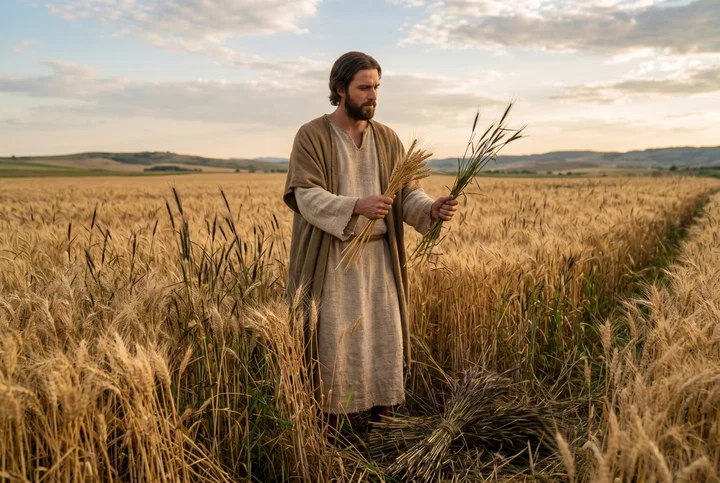
Cross-references 20 of 51
- Matthew 13:30
Let both grow together until the harvest: and in the time of harvest I will say to the reapers, Gather ye together first the tares, and bind them in bundles to burn them: but gather the wheat into my barn.
The tares are gathered and burned at the harvest.
- Malachi 4:1
For, behold, the day cometh, that shall burn as an oven; and all the proud, yea, and all that do wickedly, shall be stubble: and the day that cometh shall burn them up, saith the LORD of hosts, that it shall leave them neither root nor branch.
Both describe the wicked being burned up like stubble on the coming day.
- 2 Thessalonians 1:8-9
In flaming fire taking vengeance on them that know not God, and that obey not the gospel of our Lord Jesus Christ:
Christ comes in flaming fire to punish the wicked with everlasting destruction.
- Matthew 3:12
Whose fan is in his hand, and he will throughly purge his floor, and gather his wheat into the garner; but he will burn up the chaff with unquenchable fire.
Both describe the wicked as chaff burned with unquenchable fire.
- Revelation 20:14-15
And death and hell were cast into the lake of fire. This is the second death.
The judged wicked are cast into the lake of fire, the second death.
- Matthew 13:49-50
So shall it be at the end of the world: the angels shall come forth, and sever the wicked from among the just,
Angels separate the wicked from the just and cast them into the furnace of fire.
- Matthew 25:41
Then shall he say also unto them on the left hand, Depart from me, ye cursed, into everlasting fire, prepared for the devil and his angels:
The cursed are sentenced to everlasting fire.
- 2 Peter 3:7
But the heavens and the earth, which are now, by the same word are kept in store, reserved unto fire against the day of judgment and perdition of ungodly men.
The ungodly face perdition in the day of judgment, when the earth is reserved for fire.
- Revelation 20:9
And they went up on the breadth of the earth, and compassed the camp of the saints about, and the beloved city: and fire came down from God out of heaven, and devoured them.
Fire from God devours the wicked at the final conflict.
- Matthew 13:38
The field is the world; the good seed are the children of the kingdom; but the tares are the children of the wicked one;
Identifies the good seed as kingdom children and the tares as children of the wicked one.
- John 5:29
And shall come forth; they that have done good, unto the resurrection of life; and they that have done evil, unto the resurrection of damnation.
The wicked rise to the resurrection of damnation before punishment.
- Isaiah 66:24
And they shall go forth, and look upon the carcases of the men that have transgressed against me: for their worm shall not die, neither shall their fire be quenched; and they shall be an abhorring unto all flesh.
Its unquenched fire and undying worm describe the punishment of transgressors.
- Revelation 14:10-11
The same shall drink of the wine of the wrath of God, which is poured out without mixture into the cup of his indignation; and he shall be tormented with fire and brimstone in the presence of the holy angels, and in the presence of the Lamb:
Both describe the wicked’s torment with fire and its enduring smoke.
- Luke 13:28
There shall be weeping and gnashing of teeth, when ye shall see Abraham, and Isaac, and Jacob, and all the prophets, in the kingdom of God, and you yourselves thrust out.
The excluded see the faithful in God’s kingdom and weep.
- Revelation 20:15
And whosoever was not found written in the book of life was cast into the lake of fire.
Those excluded from life face the final fiery punishment.
- John 15:6
If a man abide not in me, he is cast forth as a branch, and is withered; and men gather them, and cast them into the fire, and they are burned.
Both describe the wicked being cast into fire and burned.
- 2 Thessalonians 1:9
Who shall be punished with everlasting destruction from the presence of the Lord, and from the glory of his power;
Both describe the wicked’s punishment as everlasting destruction.
- Mark 9:48
Where their worm dieth not, and the fire is not quenched.
Both describe the wicked’s punishment through unending fire and the undying worm.
- Revelation 21:8
But the fearful, and unbelieving, and the abominable, and murderers, and whoremongers, and sorcerers, and idolaters, and all liars, shall have their part in the lake which burneth with fire and brimstone: which is the second death.
Both describe the fiery doom of the ungodly, identified as the second death.
- Revelation 19:20
And the beast was taken, and with him the false prophet that wrought miracles before him, with which he deceived them that had received the mark of the beast, and them that worshipped his image. These both were cast alive into a lake of fire burning with brimstone.
The beast and false prophet are cast alive into the lake of fire.
Commentary part 1 of 2
Each commentary is drawn from primary sources: the writings of Ellen G. White and Adventist pioneers and periodicals. Each commentary is separate. Its own words are not a quotation; follow the references to read the source passages.
Ellen G. White
48 sources
At the end of the world the Son of man will send His angels to gather out of His kingdom all that offends and all who do iniquity and cast them into the furnace of fire to be utterly destroyed in eternal death, while the righteous shine forth as the sun in the kingdom of their Father and receive eternal life.Ms 72, 1904, par. 11–12Lt 102, 1901, par. 4–6Lt 98, 1896, par. 26–29ST May 10, 18772SP 249.2–250.2 The wailing and gnashing of teeth is the suffering and anguish of those cast into the fire.Ms 14, 1898, par. 14RH Apr 1, 19022SP 249.2–250.2 The wheat and the tares must grow together until the harvest, so the present church remains mixed and no human may root up the tares, for human beings cannot read the heart and tares can closely resemble wheat, while Christ and His angels never mistake character.Lt 98, 1896, par. 26–29ST Feb 9, 1915RCOC 6.2Ms 92a, 1898, par. 14–18Lt 135, 1899, par. 22 Character rather than religious profession or church membership decides destiny, for each person is judged by words and works.ST Feb 9, 1915COL 74.2–3 The parable therefore teaches humility and distrust of self rather than judgment and condemnation of others, and warns that those who feed on the faults of brethren will themselves be ranked among the tares.COL 74.1Lt 98, 1896, par. 30–32
Parable Setting and Symbols
Matthew 13:42 belongs to the explanation of the parable of the wheat and tares, in which the Son of man is the sower of the good seed, the field is the world, the harvest is the end of the world, and the reapers are the angels.Ms 72, 1904, par. 11–12Lt 102, 1901, par. 4–6Lt 98, 1896, par. 26–29 The good seed are the children of the kingdom, people born of God's word and the truth, while the tares are the children of the wicked one, people embodying error and false principles sown not by God or His angels but by the enemy who is the devil.COL 70.3Ms 72, 1904, par. 11–12Lt 102, 1901, par. 4–6Ms 14, 1898, par. 14 The good corn is good doctrine, the light of the gospel, and God's traditions and most holy word, whereas the cockle and darnel are man's traditions and laws, darkness and false religion sown where the devil is resident and at work.GC 248.3 Where he works, Bibles are put away for beads, gospel light for candles, Christ's cross for purgatory, clothing the naked and poor for decking images and stones, and God's word for human commands, for he is never out of his diocese, never idle, and ever at his plow, requiring equal diligence in sowing the good corn.GC 248.3
Christ sows the good seed in the heart, while Satan secretly sows seeds of evil upon the human mind that spread and bear harmful fruit.ST Nov 24, 1887 The tares are thus Satan's evil seed among the good grain, and their presence in the church dishonors God, misrepresents salvation, and imperils souls.COL 71.1 The parable describes God's work of salvation through the church in the world, within which people are to grow and ripen for God's harvest.COL 70.2 It shows divine and satanic agencies engaged in decided opposition and vital conflict until the close of earth's history, with the tares long looking like wheat yet rejected at the harvest while the wheat is gathered for Christ.Ms 7, 1900, par. 20–22Lt 176, 1900, par. 3
The tares remain tares and are not changed into wheat before the harvest, showing that the wicked are not converted at the harvest.ST May 10, 1877ST Nov 24, 1887ST Nov 24, 1887 The wheat and tares remain together until that end, and the tares do not all become wheat before it.COL 75.1 At the end of the world the angels remove from Christ's kingdom those who cause offense and do evil, and the wicked who remain distinct from the righteous are gathered out and cast into fire and utterly destroyed, where there is wailing and gnashing of teeth, in contrast to the righteous who are gathered to safety and receive eternal life.COL 75.12SP 249.2–250.22SP 247.2–249.1 That separation ends their presence among the righteous forever.ST Nov 24, 1887
The wheat and the tares must grow together until the harvest, so the present church is the mixed militant church, not yet the triumphant church.Lt 98, 1896, par. 26–29ST Feb 9, 1915 The separation takes place at the harvest and is carried out by angels, with the tares gathered for burning and bound and cast into the fire while the wheat is gathered into the garner.RCOC 6.21MR 362.2–363.1 The presence of tares among the wheat does not mean the church will be destroyed or broken up before then.RCOC 6.2
Final Separation by Angels
At the end of the world the Son of man sends forth His angels to gather out of His kingdom all things that offend and all who do iniquity and to cast them into a furnace of fire where there is wailing and gnashing of teeth in suffering and anguish.Ms 72, 1904, par. 11–12Lt 102, 1901, par. 4–6Lt 98, 1896, par. 26–29Ms 14, 1898, par. 14COL 75.1 The good seed are the children of the kingdom sown by the Son of man, the tares are the children of the wicked one sown by the devil, the field is the world, the harvest is the end of the world, and the reapers are the angels, and as the tares are gathered and burned so the wicked including counterfeit Christians are destroyed in fire.Ms 72, 1904, par. 11–12Lt 102, 1901, par. 4–6Lt 98, 1896, par. 26–29Ms 14, 1898, par. 14 The wheat and the tares must grow together until that harvest and the tares remain tares and are not changed into wheat before it, so the present mixed condition is the militant church not yet the triumphant church.Lt 102, 1901, par. 4–6Lt 98, 1896, par. 26–29COL 75.1ST Nov 24, 1887 After the wicked are removed the righteous shine forth as the sun in the kingdom of their Father and receive eternal life.Ms 72, 1904, par. 11–12Lt 102, 1901, par. 4–6Lt 98, 1896, par. 26–29
Then the difference long hidden becomes plain, revealing true followers of Christ from those who only appear religious.ST Feb 9, 1915COL 74.2–3 Christ judges each person by words and works, and character rather than religious profession or church membership decides destiny.ST Feb 9, 1915COL 74.2–3 Judgment has been given only to Christ, who lived humanity and alone understands human weakness and striving for Christian perfection, so no man has the right to measure the characters of fellow men or to root up the tares.Lt 98, 1896, par. 26–29 Human beings cannot reliably identify and separate the wheat and tares because tares can closely resemble wheat and the human heart cannot be read to distinguish who is wise and who is foolish.Ms 92a, 1898, par. 14–1816MR 270.3–271.2
Christ as the true Watcher knows the false from the true and never makes a mistake in His estimate of character, and His angels know character by fruits, are commissioned to counterwork those who fight against the truth, and will never mistake in gathering the wheat from among the tares.Ms 92a, 1898, par. 14–18Lt 135, 1899, par. 2216MR 270.3–271.2 The separation is the angels' work at the harvest of gathering the wheat into the garner for safety and binding the tares for burning, while the chaff likewise is burned and the wheat gathered into God's garner.RCOC 6.21MR 362.2–363.11MR 303.1–2 This same gathering is described as the third angel selecting the wheat and binding it for the heavenly garner, selecting and sealing the wheat for the heavenly garner while separating the vile from the precious.SCEV 38.3Ms 3, 1854, par. 16–17 The presence of tares among the wheat does not mean the church will be destroyed or broken up before that time.RCOC 6.2
The separation of the wicked from the righteous ends their presence among and trouble for the righteous forever.ST Nov 24, 1887ST Nov 24, 1887 The wicked are destroyed and become as though they had not been, after which every voice in the whole universe unites in joyful praise to God.PP 541.2 The great day of final ingathering is foreshadowed by the Feast of Tabernacles as the feast of harvest, when the Lord of the harvest sends forth His reapers to collect the tares for the fire and to gather the wheat into His garner.PP 541.2 Because the wicked are punished at the end, the parable rules out a temporal millennium in which the whole world is converted before Christ's second coming.LS 58.4–60.2 The wicked are bound for the fires of the last day that will purify the earth, not by another flood but by fire from within the earth uniting with fire from heaven, and each person's choice and service determine whether he belongs with the good wheat or among the wicked destined for the fire.Ms 86, 1886, par. 28
Furnace Fire and Punishment
To be cast into the furnace of fire is to be gathered out from among the righteous at the end of the world and utterly destroyed by burning at the harvest.ST May 10, 18772SP 249.2–250.22SP 247.2–249.1ST Nov 24, 1887SG4 298.1 The tares remain tares and are not changed into wheat, but are gathered like bundles for burning while the righteous are gathered to safety and receive eternal life.ST May 10, 18772SP 249.2–250.22SP 247.2–249.1ST Nov 24, 1887Ms 119, 1902, par. 5–6 That burning is eternal death, which will soon be the portion of all who reject Christ.Ms 119, 1902, par. 5–618MR 40.3–41.2 The wailing and gnashing of teeth are the anguish and suffering experienced by those cast into the fire.Ms 14, 1898, par. 14RH Apr 1, 19022SP 249.2–250.2Ms 119, 1902, par. 5–6 Their punishment stands in contrast to the righteous, who shine forth in their Father's kingdom.RH Apr 1, 19022SP 249.2–250.2
The chapter containing the verse is a warning about future destiny and judgment and the fate of those who will not stand acquitted before Christ.Lt 317a, 1905, par. 6–8Lt 317, 1905, par. 7–9 Its warning is to be taken seriously and heeded.Lt 317a, 1905, par. 6–8Lt 317, 1905, par. 7–9 The binding of the tares in bundles ready to be burned is being fulfilled as the wicked bind themselves together through turmoil and confusion filling the cities.7T 84.2–37MR 57.4–58.118MR 40.3–41.2Ms 139, 1903, par. 44 That self-binding includes the bondage of workers of different trades to labor unions and trade unions, and the conditions brought about by strikes.7T 84.2–37MR 57.4–58.1 It also includes men uniting in confederacies and unions through misuse of power, cruelty and force used to cause men to unite, with confusion, strife and discord between labor and capital, crime, selfishness, pride and pleasure-seeking, all worked by satanic agencies while the world reaches the conditions that existed in the days of Noah.7T 84.2–37MR 57.4–58.118MR 40.3–41.2Ms 139, 1903, par. 44
The bundles are people who take sides with Satan, transgress the law of God, yield to his temptations, and become tempters and helpers in his work of oppression.7MR 57.4–58.1 The image therefore applies to those who join unions that disregard God's commandments.3MR 42.6–43.27MR 57.4–58.1 It applies also to those who remain connected with secret societies, who will be burned with the tares at the last day.STB 101.4–520MR 286.2
Warnings for Faithful Living
The gospel calls people out from the world to be gathered together in church capacity, so the kingdom must be kept free from the sinful practices of the world, and the parable must be read carefully with the Holy Spirit impressing the minds that desire clear perception.Lt 102, 1901, par. 4–6 It teaches humility and distrust of self rather than judgment and condemnation of others, for being in the church does not prove that a person is a Christian.COL 74.1 The tares are counterfeit Christians, defective members, and hypocrites found in every church and throughout the land.Lt 98, 1896, par. 26–29Lt 135, 1899, par. 22
Their sins are no excuse for any soul and do not justify blaming Christ and His ministers, for Christ gave His life to save all who believe, and those who truly believe are genuine without pretense and true to one another in heart, soul, and action.Lt 98, 1896, par. 26–29Lt 135, 1899, par. 22 Those who make defective members their theme of conversation, who habitually see evil and talk of evil and feed on the real or supposed faults of brethren, will themselves be ranked among the tares.Lt 98, 1896, par. 30–32 Christ is the only perfect pattern and Sin-bearer, and no brother or sister can bear another's sin, so all must feed on Christ and obey the truth rather than feed on defective character, or they will perish in the furnace of fire and have only a false, contentious experience in unrighteousness.Lt 98, 1896, par. 30–32
The tares represent the worldly and unfaithful who ripen for destruction by rejecting God's authority and truth, in contrast to the faithful who ripen as wheat for God's garner.RH Aug 25, 1910 No one should sow tares but should sow the good seed of the kingdom, for a person's conduct influences others toward wrong or right and connects faithful conduct with the kingdom's final judgment of evil.FE 301.2–3 The binding in bundles ready to be burned is not God's planning but the planning of a power that must in nowise be acknowledged.7T 84.2–37MR 57.4–58.1
It is being fulfilled as the wicked bind themselves together through turmoil and confusion in the cities, bondage of workers to labor unions and trade unions, strikes, and conditions of oppression, with thousands combining together, including in labor unions formed or to be formed and in secret societies, taking sides with Satan, transgressing God's law, yielding to temptation, and becoming tempters and helpers in oppression.7T 84.2–37MR 57.4–58.1 Therefore God's people must not center their work in the cities, must preserve individuality, must not unite with trades unions or secret societies, must stand free in God, and must use all entrusted capabilities to give the last warning message, while God has a people who see the evil of oppression and refuse to unite with the enemy.7T 84.2–37MR 57.4–58.1 The imagery of tares among wheat also pictures a proposed group of workers containing unreliable people among the faithful, without explaining or applying the punishment by fire there.Lt 90a, 1899, par. 10–12
Sources
Pioneers and periodicals
230 sources
The verse is Jesus' own explanation of the parable of the tares, given privately to his disciples, so its meaning is certain and to be taken as he gave it.ST Aug 10, 1882ST Aug 21, 1879RH Aug 30, 1864 The field is the world, the good seed are the children of the kingdom sown by Christ, the tares are the children of the wicked one sown secretly by the devil, the harvest is the end of the world, and the reapers are the angels sent by the Son of man to gather out everything that offends and all who do evil.RH Apr 1, 1902RH Mar 25, 1858RH Dec 7, 1869ST Sep 16, 1930 That harvest is the end of the gospel age at Christ's second coming in power and glory, not at each person's death nor at the destruction of Jerusalem, and punishment and reward come only then after resurrection and judgment.ST Dec 8, 1887RH Aug 20, 1872ST Aug 10, 1882ST Sep 15, 1881ST Aug 25, 1909 The furnace of fire is real, literal fire, also called Gehenna and the lake of fire on the burning earth, which utterly consumes the wicked as tares, chaff and stubble, soul and body destroyed to ashes, with real wailing and anguish that ends in death, not endless conscious torment nor restoration.RH May 20, 1915RH Jul 15, 1873RH Aug 28, 1866ST Aug 2, 1877RH Oct 10, 1912 Wheat and tares grow together in the world and church until that end, with no converted world or temporal millennium before he comes, and when offenders are thus removed and the earth is cleansed of sin forever, the righteous are separately gathered and shine as the sun in their Father's kingdom.ST Dec 8, 1887RH Apr 22, 1915ST Jun 22, 1882ST Apr 26, 1905ST May 1, 1884
Parable Words Explained
The verse belongs to Jesus' own explanation of the parable of the tares, given privately to the disciples after he left the multitudes, so its meaning is certain and is to be read literally as he gave it.ST Aug 10, 1882RH Aug 30, 1864ST Nov 9, 1882ST Mar 10, 1898RH Jan 21, 1875 He taught in parables because opposers who refused plain teaching and sought to catch him could not understand the warning nor use it to condemn him or hinder his work, while honest seekers who asked received the explanation afterward.ST Aug 21, 1879ST Mar 10, 1898 The field is the world, the good seed are the children of the kingdom sown by Christ, the tares are the children of the wicked one sown secretly by the devil as the enemy who never sleeps while men sleep, scattering error upon the human mind, the harvest is the end of the world, and the reapers are the angels.RH Mar 25, 1858RH Dec 7, 1869ST Sep 16, 1930ST Jun 4, 1874 The good seed are not merely the word or seed of truth but that incorruptible seed taken root and bearing fruit in the persons of the righteous, and both wheat and tares remain together until the harvest.RH Aug 30, 1864ST Feb 1, 1905
The Son of man sends his angels as reapers to gather out of his kingdom everything that offends and all who do evil and cast them into the furnace of fire.RH Apr 1, 1902ST Aug 26, 1913RH Dec 20, 1853ST Nov 29, 1899 Christ directs them and executes the judgment, using both angelic and human messengers, and this work of final separation belongs to angels at the end, not to his people wielding the sword.ST Nov 29, 1899 The earth itself is his kingdom and territory because it contains offenders to be removed, unlike heaven where there are no sinners.RH Dec 11, 1866RH Feb 25, 1862 The word kingdom covers both the means of grace from the patriarchs onward and the future immortal kingdom, and the kingdom set up by sowing tends to subject even the outward and visible to its sway.RH Aug 30, 1864
It is not simply internal and spiritual but ultimately affects and fashions anew the material organization of bodies and the world, since body as well as soul is the subject of redemption in Christ as the resurrection proves.RH Aug 30, 1864 The earth itself, the habitation of the children of the kingdom, shall be redeemed and once more made a constituent part of the kingdom of the heavens, included in the restitution of all things, with the curse long resting upon it removed when the kingdom comes in its glory.RH Aug 30, 1864RH Feb 25, 1862 There are new heavens and a new earth and the creation is delivered from bondage of corruption into glorious liberty of the children of God, which the children of the kingdom long and pray for as commanded in Thy kingdom come, Thy will be done in earth as it is in heaven, for this is the kingdom Christ came into the world to set up.RH Aug 30, 1864 After the angels remove from the territory of Christ's future kingdom everything that causes offense and those who do evil, they are cast into a furnace of fire where there is wailing and gnashing of teeth, and this judgment destroys the wicked and every sinful thing, cleansing the territory before the kingdom fills the earth.RH Feb 10, 1874ST Jun 25, 1874RH Jun 2, 1904
The good seed are expectant heirs not yet possessors; that tares are gathered out of his territory, the world or field where they were sown, proves the parable does not describe the literal kingdom already established as the church or a wholly converted world.RH Mar 25, 1858 Nothing that defiles or does iniquity will be in the literal kingdom, which is righteousness and peace and joy, and the burning comes before the time when the righteous shine forth as the sun in the kingdom of their Father, so the parable shows the probationary season given to man as preparatory to the kingdom.RH Mar 25, 1858 The furnace of fire is a figurative expression for the dreadful final punishment elsewhere called Gehenna, yet its force must not be weakened by an interpretation lacking scriptural support.RH May 20, 1915RH Oct 31, 1865 The fire is a real part of the judgment accompanying the end, and the wicked themselves will be literally and completely destroyed, not merely separated from God or punished in an immortal part that fire cannot consume; their destruction is their everlasting punishment, not endless life in misery.RH Jul 15, 1873RH Aug 28, 1866
Tares are counterfeit believers and children of the evil one left with the wheat lest the good be uprooted; they often cannot be detected by human beings from outward appearance, and their true character and motives are too difficult for men to judge.ST Aug 7, 1901 They remain tares rather than becoming wheat or being changed into children of the kingdom, showing the wicked are not converted at the harvest and the kingdom's completion does not come through human efforts to turn all the wicked into the righteous.ST May 10, 1877ST Nov 24, 1887ST Nov 24, 1887RH Aug 30, 1864 The image also applies to uncertain inquirers and chaff among wheat whose motives and faithfulness are not yet proved, while what is now unclear will be revealed at the final day. The verse raises whether the fire and suffering are literal and adds no detail in one place about the fire except that removal of offenders leaves heaven's gladness unmarred.ST Oct 30, 1901RH Nov 12, 1901
Elsewhere its harvest home picture evokes Christ gathering his people but does not explain the fire or fate of the wicked, nor the response of the condemned.RH Jun 3, 1873RH Jan 23, 1913 The gathering out and casting into the furnace is a literal future event at the end of the gospel age at the Lord's coming, not the exclusion of unworthy members from the invisible church or the overthrow of a nation by war.RH Oct 15, 1872 The shining of the righteous is not their shining among men in Christian graces through tribulation, and the furnace of fire, or lake of fire, where offenders are consumed with wailing and gnashing is a real terrific denunciation of wrath bringing the perdition of ungodly men.RH Oct 15, 1872
Time of Final Harvest
The harvest is the end of the world and the end of the gospel and Christian age, when the Son of man comes in power and glory and sends reapers to gather wheat and tares, removing evildoers from his kingdom and casting them into fire with wailing and anguish, while the righteous shine in the Father's kingdom.RH Aug 20, 1872ST Aug 10, 1882ST Aug 25, 1909RH Jun 13, 1854ST Jan 11, 1883 That separation is to be read literally as Jesus explained it, and its hour is unknown even as the Master comes with reapers to gather.ST Aug 10, 1882ST Aug 25, 1909 It was not his first coming nor the destruction of Jerusalem, and not merely the transfer of saving agencies from the Jewish people to the gospel community, but the completion and end of the kingdom's work during the Christian dispensation.RH Aug 20, 1872ST Aug 10, 1882ST Jan 11, 1883 The gospel kingdom begun with his ministry and established at Pentecost closes only after seed is sown and righteous and wicked live together, with world-wide evangelization as the final state of the work and no prior universal conversion.ST Apr 19, 1910RH Jun 13, 1854ST Jan 11, 1883
On the contrary, those who held otherwise taught that the casting describes rejection at the close of the Jewish dispensation when the kingdom was taken from the Jews and given to Christians.RH Jul 30, 1872RH Aug 20, 1872 Angels in that reading are messengers separating bad from good through gospel preaching to purify the kingdom and the true Christian church.RH Jul 30, 1872RH Aug 20, 1872 Afterward the righteous stand forth conspicuously with power and glory in the new Christian kingdom of the Father, in which Christ drinks anew of the fruit of the vine in the Lord's supper.RH Jul 30, 1872RH Aug 20, 1872
The gathering out in the harvest began on the day of Pentecost as an early harvest and first-fruit separation of precious from base by the Holy Spirit's purifying fire and is still going on.RH Jul 30, 1872RH Jul 30, 1872ST Pentecost inaugurated the Christian dispensation with a new and more perfect order superseding the Jewish dispensation, the kingdom fully set up and Christ inaugurated as King of kings and Lord of lords, a Christocracy in place of the Jewish theocracy.RH Jul 30, 1872RH Jul 30, 1872 That fulfillment begun soon after the ascension continues progressively as one age after another passes away and is superseded by a brighter one, so the Son of man is ever coming in his kingdom unfolding more and more the glories of the latter days when kingdom and greatness under the whole heaven shall be given to the saints of the Most High.RH Jul 30, 1872 The later-day work of the Spirit will bring a final separation of the church and the world, dividing the faithful from unbelievers.ST
Punishment and reward do not occur at each person's death but at the end after resurrection and judgment, when the wicked are cast into fire and the righteous shine forth as the sun.ST Dec 8, 1887ST Sep 15, 1881RH Apr 21, 1874RH Sep 27, 1853RH Mar 28, 1865 The casting did not occur at Jerusalem when angels did not cast all evildoers into fire, and it does not occur while the dead await judgment in Sheol as the common abode of the dead.ST Jul 31, 1884ST Jan 11, 1883 The wicked, including those raised to damnation, are punished on earth at the close of the thousand years, with literal destruction by fire after the righteous have been gathered to him.RH Sep 27, 1853ST Jul 31, 1884 The wailing belongs to being brought forth for judgment after resurrection, not to merely dying and going to the grave.ST Jul 31, 1884RH Mar 28, 1865
If the dead receive reward immediately and the soul is immortal, most of the dead, the majority who die outside Christ, would already be in unspeakable torment forever.ST Apr 23, 1885ST Nov 16, 1888ST Jul 20, 1882RH Aug 4, 1910RH Mar 14, 1865 This is contrasted with waiting until the day of judgment for reward or punishment and with immortality as God's gift only to the righteous.ST Apr 23, 1885ST Nov 16, 1888ST Mar 18, 1880 Whether fire is literal or by other means makes no difference, since sending people back to torment already suffered for thousands of years exposes as senseless the teaching that the dead go at once to punishment.RH Mar 14, 1865ST Mar 18, 1880
The phrase wailing and gnashing of teeth occurs seven times, but this verse gives no duration for the punishment, and loss of eternal life would itself be eternal punishment without requiring continued consciousness.ST Jul 30, 1902 The question how immaterial souls could be burned by material fire has led some, when that idea is rejected, to doubt punishment at all.ST Nov 30, 1882
Fiery punishment is inflicted at Christ's second coming upon the living wicked who knew not God and obeyed not the gospel, in flaming fire with everlasting destruction from his presence, wrath without mixture, the seven last plagues, and the day of the Lord as a thief leaving earth desolate after saints are caught up.RH Jul 23, 1914RH Dec 20, 1853RH Nov 17, 1863ST May 3, 1877RH Apr 16, 1857 It follows preaching to all nations and coincides with establishing God's everlasting kingdom on earth, and it is not a millennium of glory.RH Jul 23, 1914RH Sep 16, 1902RH Dec 20, 1853 Living sinners destroyed leave earth desolate before the millennium, with regeneration following between the first resurrection and the resurrection of the rest.RH Sep 16, 1902RH Nov 17, 1863
The tares are gathered first before the righteous are gathered by angels at the Lord's coming, bound in bundles and burned at harvest-day when earth and time pass away.ST Aug 16, 1910ST Jul 8, 1880ST Jul 16, 1902 This final separation occurs after probation closes when Christ has ended priestly work, about a year before the Second Coming during which plagues fall on those who rejected him and his gospel.ST Aug 16, 1910 At the revelation the elect are first gathered to safety and then destruction bursts upon the world, with every living soul left in it suffering its effects, proving the world will not first be converted but will be ripe for judgment.ST Jul 8, 1880RH Jun 26, 1856RH Dec 8, 1859
The verse also describes the final second death after the first resurrection and the thousand years, when the wicked are raised, gather around the saints and the beloved city and New Jerusalem, and fire comes down from God out of heaven and devours them.RH Dec 10, 1903RH May 9, 1854ST Dec 3, 1912ST Jan 22, 1885 This burning earth is the furnace and lake of fire that cleanses the earth for new heavens and new earth, in which the wicked perish in the burning earth at the end of the present age.ST Sep 22, 1881RH May 9, 1854ST Dec 3, 1912 Afterward the righteous dwell in the new earth and shine in their Father's kingdom, having seen the saints in God's kingdom as the wicked are destroyed.RH Dec 10, 1903ST Sep 22, 1881
The casting occurs at the conclusion of the judgment after the resurrection of the unjust at the end of the thousand years.RH Jun 22, 1869 The furnace is the lake of fire on the burning earth where the wicked receive retribution and are ultimately destroyed.RH Jun 22, 1869 The righteous, gathered in the New Jerusalem amid the conflagration, witness God's just sentence without delighting in suffering, while the wicked see and recognize them with real anguish lasting for a time but not eternal conscious life.RH Jun 22, 1869
The parable is explained in connection with the sanctuary and its judgment: destinies are decided by exact examination before the Lord appears, including present examination of professed members, and the sentence is carried out when he comes as King of kings removing offense in the final ordering at the end of the antitypical day of atonement.RH Oct 10, 1912RH Oct 15, 1901RH Dec 4, 1900ST Jan 21, 1903ST Nov 21, 1895 After candidates for his kingdom have been examined and accepted, he sends angels to remove everything offensive and all evildoers for fiery punishment with suffering, through the seven last plagues and other judgments sweeping the guilty from the earth to be occupied by his kingdom.RH Oct 15, 1901RH Dec 4, 1900ST Jan 21, 1903 He does not take his kingdom until the gospel mission is finished and investigative judgment deciding the destiny of all has closed, leaving no future age extending salvation to procrastinators; only overcomers living in accord with God's character and receiving Christ as King enter the immortal state.ST Jan 21, 1903ST Nov 21, 1895
This gathering takes place when ministration in the heavenly sanctuary is finished, sins are removed from the sanctuary and laid upon Satan as antitypical scapegoat, he is bound for the thousand years at the start of the thousand years, and the tares gathered in bundles to burn shows the final remedy for the enemy's sowing.RH Jul 7, 1874ST Feb 28, 1884ST Jul 15, 1880 The wheat is gathered into the garner while the tares are burned, forever remedying the enemy's work of sowing them among the wheat.RH Jul 7, 1874ST Feb 28, 1884ST Jul 15, 1880
The judgment is the last act in the conflict between Christ as head of the human family and Satan the usurper who claimed his kingdom for a time, ending the enemy's work, bruising the serpent's head, binding the strong man, spoiling the grave, bearing sins away, and bringing the High Priest forth to bless waiting people.RH Dec 24, 1903 The field is the world where good and evil are mingled and also the territory of Christ's future kingdom, with both classes existing since the fall and remaining together until the end.RH Dec 17, 1872ST Mar 13, 1884ST Jul 24, 1884RH Mar 14, 1871 At the judgment all things that cause offense and all who do iniquity will be gathered out of it, the righteous gathered like wheat for heaven's garner while the wicked as ripe clusters are gathered for vengeance.RH Mar 14, 1871
Sources