Translations
American King James Version, Webster Bible, Darby Translation
They say to him, Lord, that our eyes may be opened.
King James Version, KJV Cambridge Paragraph Bible, Revised Version, American Standard Version
They say unto him, Lord, that our eyes may be opened.
they say to him, 'Sir, that our eyes may be opened;'
They say unto him—Lord! that, our eyes, may open.
Berean Standard Bible, Majority Standard Bible
“ Lord,” they answered, “ let our eyes be opened.”
They told him, “ Lord, that our eyes may be opened.”
They say to him, Lord, that our eyes may be open.
They saide to him, Lord, that our eyes may be opened.
Douay-Rheims (Challoner revision)
They say to him: Lord, that our eyes be opened.
Pictures
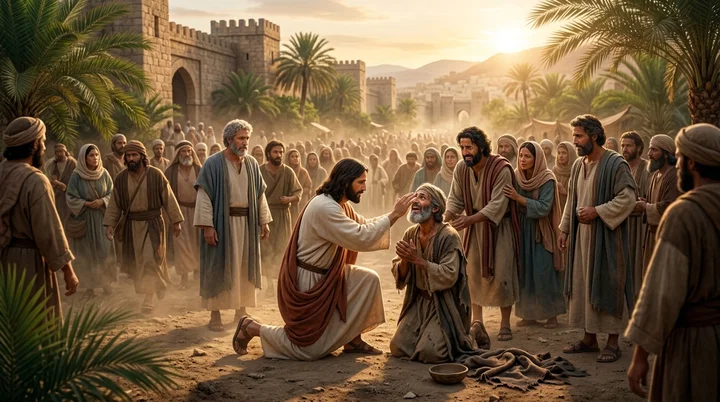
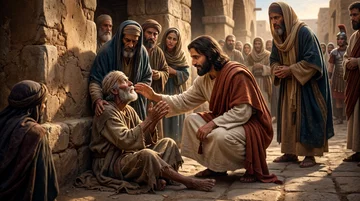
Cross-references
- Luke 18:41
Saying, What wilt thou that I shall do unto thee? And he said, Lord, that I may receive my sight.
The blind man asks Jesus to restore his sight.
- Mark 10:51-52
And Jesus answered and said unto him, What wilt thou that I should do unto thee? The blind man said unto him, Lord, that I might receive my sight.
Jesus restores the blind man’s sight in response to his request and faith.
- Mark 8:22-25
And he cometh to Bethsaida; and they bring a blind man unto him, and besought him to touch him.
Jesus heals a blind man and restores his sight.
- Matthew 9:27-30
And when Jesus departed thence, two blind men followed him, crying, and saying, Thou Son of David, have mercy on us.
Jesus heals two blind men and opens their eyes.
- Luke 18:42-43
And Jesus said unto him, Receive thy sight: thy faith hath saved thee.
Jesus restores the man’s sight, and he follows Jesus praising God.
- Isaiah 35:5
Then the eyes of the blind shall be opened, and the ears of the deaf shall be unstopped.
The prophecy says the blind will receive sight.
- Revelation 3:18
I counsel thee to buy of me gold tried in the fire, that thou mayest be rich; and white raiment, that thou mayest be clothed, and that the shame of thy nakedness do not appear; and anoint thine eyes with eyesalve, that thou mayest see.
Christ counsels the blind to receive eyesalve so they may see.
Commentary
Each commentary is drawn from primary sources: the writings of Ellen G. White and Adventist pioneers and periodicals. Each commentary is separate. Its own words are not a quotation; follow the references to read the source passages.
Ellen G. White
1 source
The two blind men by the roadside asked for their sight to be restored, directing their request to the Lord himself as the one who could open their eyes.SG2 202.1–2 Their cry for mercy was not a vague hope but a definite expression of confidence that he had power to give sight to the blind.SG2 202.1–2 That same earnest plea stands as the pattern for interceding for the sick, bringing the afflicted person to Jesus in faith.SG2 202.1–2 As they sought healing from him, so believers now are to seek healing from him with the same trust in his ability to restore.SG2 202.1–2
Sources
Pioneers and periodicals
17 sources
The verse is the plain and specific request of two blind beggars beside the road at Jericho that Jesus would open their eyes and restore their sight.ST Sep 13, 1899ST Mar 18, 1889ST Nov 20, 1901 It comes after their earnest, repeated plea for mercy to be heard, and Jesus in compassion and sympathy stops, touches their eyes, and they immediately receive sight and follow him.ST Sep 13, 1899ST Jan 3, 1911ST Aug 29, 1911ST Nov 20, 1901 Their answer expresses both need and trust, confidence and faith that his power can bring light where they are blind.ST Nov 20, 1901RH Sep 1, 1904RH Jan 25, 1906 Their need for sight pictures humanity's spiritual poverty and blindness, for people lack what they truly need whatever their wealth or claims about themselves.ST Aug 30, 1905ST Nov 20, 1901 It is also the spiritual need shared by all people to see God in Christ more clearly, to know his will and understand his truth, to be freed from sin's blindness, and the light he gives enlightens the heart as well as the understanding and leads people to follow him.ST Jul 29, 1897ST Aug 29, 1911
Narrative Setting and Healing
The verse records two blind beggars sitting beside the road at Jericho plainly and specifically asking Jesus to open their eyes and restore their sight so they could see.ST Sep 13, 1899ST Mar 18, 1889ST Nov 20, 1901ST Mar 8, 1905ST Aug 30, 1905 Their poverty and blindness were real and urgent need, and their outward condition beside the road did not measure their worth.ST Nov 20, 1901ST Aug 30, 1905ST Aug 30, 1905 Of the two, Bartimaeus was the more prominent and persistent, speaking for himself and his companion.ST Mar 18, 1889
Their request followed an earnest, repeated and pitiful plea to be heard and shown mercy, with affliction bringing them to seek Jesus.ST Sep 13, 1899ST Jan 3, 1911ST Aug 29, 1911 Matthew and Mark place the healing as Jesus was leaving Jericho while Luke mentions the prayer as Jesus was entering.ST Mar 18, 1889 These details can be reconciled if the man first called to Jesus at the entrance and renewed his plea at the opposite gate, where he was healed.ST Mar 18, 1889
Jesus was moved with compassion, kindness and sympathy, stopped to bless them and touched their eyes.ST Sep 13, 1899ST Jan 3, 1911ST Nov 20, 1901RH Feb 2, 1905 They immediately received their sight and followed him.ST Sep 13, 1899 Their healing is one of seven instances of Jesus healing blind people specially noted, while the man born blind at Jerusalem is distinguished as the only one said to have been blind from birth.ST Mar 8, 1905
Spiritual Meaning and Application
The answer is a plain statement of need joined to trust and confidence that his power can bring light where there is blindness.ST Nov 20, 1901RH Sep 1, 1904RH Jan 25, 1906 The healing follows that faith, for they ask for restored sight and receive it.ST Nov 20, 1901RH Sep 1, 1904 The plea itself belongs to physical blindness, as when a blind woman prayed for Jesus to touch her eyes and restore her sight.RH Jan 25, 1906 So too a person can receive Christ's help and know its result without being able to explain how it was accomplished, as the blind beggar was healed though he could not tell how.RH Jul 2, 1861
Their need for sight pictures the spiritual poverty and blindness of humanity.ST Aug 30, 1905ST Nov 20, 1901 People lack what they truly need whatever their wealth, reputation, clothing, or claims about themselves.ST Nov 20, 1901 In Jesus they find what they lack, including sight, rest, health, life and spiritual wealth.ST Aug 30, 1905ST Nov 20, 1901 He answers with compassionate healing, giving physical sight and bringing light and life to the soul, taking away inadequate human righteousness and clothing them in righteousness.ST Aug 30, 1905ST Nov 20, 1901ST Nov 20, 1901
The request also expresses the spiritual need shared by all to see God in Christ more clearly, to know his will and to understand his truth.ST Aug 29, 1911 It is a prayer for freedom from sin's blindness, for grace to see the Lord and to be close to him.ST Jul 29, 1897 The light God gives enlightens the heart as well as the understanding.ST Aug 29, 1911 That seeing leads to following him, and true sight is bound up with love.ST Jul 29, 1897ST Aug 29, 1911
Their outward condition does not measure their worth.ST Aug 30, 1905 Their poverty and real urgent need should call forth compassion rather than contempt or token almsgiving meant only to ease the giver's conscience.ST Aug 30, 1905 Their calling out while others pass by teaches Christians to stop and help people in need, as Jesus stopped to bless them when they called.ST Aug 30, 1905RH Feb 2, 1905
Sources