Numbers 14:15
Now if thou shalt kill all this people as one man, then the nations which have heard the fame of thee will speak, saying,
Translations
Now if you shall kill all this people as one man, then the nations which have heard the fame of you will speak, saying,
King James Version, KJV Cambridge Paragraph Bible, Webster Bible
Now if thou shalt kill all this people as one man, then the nations which have heard the fame of thee will speak, saying,
Revised Version, American Standard Version
Now if thou shalt kill this people as one man, then the nations which have heard the fame of thee will speak, saying,
'And Thou hast put to death this people as one man, and the nations who have heard Thy fame have spoken, saying,
if thou now slayest this people as one man, then the nations that have heard thy fame will speak, saying,
As soon, therefore, as thou hast put to death this people as one man, so soon will the nations who have heard thy fame speak saying:
Berean Standard Bible, Majority Standard Bible
If You kill this people as one man, the nations who have heard of Your fame will say,
Now if you killed this people as one man, then the nations which have heard the fame of you will speak, saying,
Now if you put to death all this people as one man, then the nations who have had word of your glory will say,
That thou wilt kill this people as one man: so the heathen which haue heard the fame of thee, shall thus say,
Douay-Rheims (Challoner revision)
May hear that thou hast killed so great a multitude as it were one man and may say:
Pictures
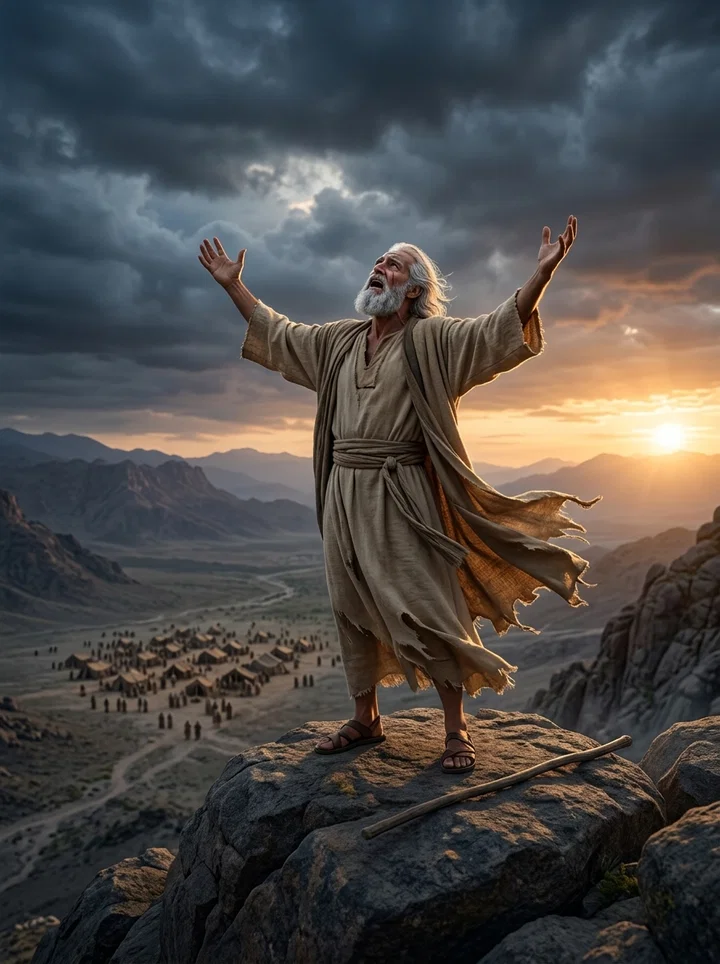
Cross-references 20 of 21
- Exodus 32:12
Wherefore should the Egyptians speak, and say, For mischief did he bring them out, to slay them in the mountains, and to consume them from the face of the earth? Turn from thy fierce wrath, and repent of this evil against thy people.
Moses warns that Israel’s destruction would give the nations cause to malign God.
- Numbers 13:17-33
And Moses sent them to spy out the land of Canaan, and said unto them, Get you up this way southward, and go up into the mountain:
The image and footnote connect the verse’s setting with the spies’ report.
- Numbers 14:20-24
And the LORD said, I have pardoned according to thy word:
God grants Moses’ plea for pardon, yet bars the rebellious generation and brings Caleb into the land.
- Numbers 14:29
Your carcases shall fall in this wilderness; and all that were numbered of you, according to your whole number, from twenty years old and upward, which have murmured against me,
murmurers fell in wilderness for putting circumstances first
- Hebrews 3:19
So we see that they could not enter in because of unbelief.
Israel’s unbelief kept that generation from entering God’s promised rest.
- Deuteronomy 9:28
Lest the land whence thou broughtest us out say, Because the LORD was not able to bring them into the land which he promised them, and because he hated them, he hath brought them out to slay them in the wilderness.
Moses appeals to what the nations would say if Israel perished in the wilderness.
- Daniel 9:15-19
And now, O Lord our God, that hast brought thy people forth out of the land of Egypt with a mighty hand, and hast gotten thee renown, as at this day; we have sinned, we have done wickedly.
Both plead for Israel’s deliverance so God’s name and renown are not dishonored.
- Numbers 26:64-65
But among these there was not a man of them whom Moses and Aaron the priest numbered, when they numbered the children of Israel in the wilderness of Sinai.
The later census confirms the rebellious generation died in the wilderness.
- Numbers 14:9
Only rebel not ye against the LORD, neither fear ye the people of the land; for they are bread for us: their defence is departed from them, and the LORD is with us: fear them not.
Joshua and Caleb urge trust in God, but the people rebel against them.
- Numbers 14:34
After the number of the days in which ye searched the land, even forty days, each day for a year, shall ye bear your iniquities, even forty years, and ye shall know my breach of promise.
The forty years of wandering followed Israel’s unbelief in Numbers 14.
- Numbers 14:2-4
And all the children of Israel murmured against Moses and against Aaron: and the whole congregation said unto them, Would God that we had died in the land of Egypt! or would God we had died in this wilderness!
The people murmur against the Lord and propose returning to Egypt.
- Exodus 34:6-7
And the LORD passed by before him, and proclaimed, The LORD, The LORD God, merciful and gracious, longsuffering, and abundant in goodness and truth,
Moses appeals to God’s long-suffering, mercy, grace, and forgiveness.
- Exodus 14:21-31
And Moses stretched out his hand over the sea; and the LORD caused the sea to go back by a strong east wind all that night, and made the sea dry land, and the waters were divided.
God’s deliverance at the sea is recalled as proof of His power.
- Numbers 13:31-33
But the men that went up with him said, We be not able to go up against the people; for they are stronger than we.
The spies’ discouraging report fuels the people’s fear.
- Ezekiel 20:13-14
But the house of Israel rebelled against me in the wilderness: they walked not in my statutes, and they despised my judgments, which if a man do, he shall even live in them; and my sabbaths they greatly polluted: then I said, I would pour out my fury upon them in the wilderness, to consume them.
God restrained judgment on rebellious Israel for his name’s sake before the nations.
- Hebrews 4:1-3
Let us therefore fear, lest, a promise being left us of entering into his rest, any of you should seem to come short of it.
Explains the rest the wilderness rebels failed to enter.
- Numbers 13:1-2
And the LORD spake unto Moses, saying,
The spies’ mission sets the scene for the rebellion.
- Psalms 95:7-11
For he is our God; and we are the people of his pasture, and the sheep of his hand. To day if ye will hear his voice,
Recalls Israel’s wilderness rebellion and God’s oath that the generation would not enter his rest.
- Nehemiah 9:17
And refused to obey, neither were mindful of thy wonders that thou didst among them; but hardened their necks, and in their rebellion appointed a captain to return to their bondage: but thou art a God ready to pardon, gracious and merciful, slow to anger, and of great kindness, and forsookest them not.
Recalls Israel’s wilderness rebellion and God’s mercy toward them.
- Numbers 14:33
And your children shall wander in the wilderness forty years, and bear your whoredoms, until your carcases be wasted in the wilderness.
The people wandered in the wilderness forty years until they died.
Commentary
Each commentary is drawn from primary sources: the writings of Ellen G. White and Adventist pioneers and periodicals. Each commentary is separate. Its own words are not a quotation; follow the references to read the source passages.
Ellen G. White
12 sources
Moses spoke these words in intercession after God threatened to strike rebellious Israel with pestilence, disinherit them, and raise a greater nation from Moses himself.Ms 10, 1903, par. 12–14Lt 34, 1899, par. 45–47RH May 20, 1902 He warned that if all the people were slain together at once, the Egyptians and Canaanites who had heard of God's mighty deliverance and abiding presence would say He lacked power to bring them into the promised land and had led them out only to kill them in the wilderness, to His dishonor and His enemies' triumph.Ms 10, 1903, par. 12–14Lt 34, 1899, par. 45–4715MR 292.1–24T 152.1–2 Refusing honor for himself and unable to bear their destruction, Moses pleaded God's own promises, long-suffering, great mercy, and past forgiveness from Egypt until now, asking Him to show His power by pardoning.Ms 10, 1903, par. 12–14Lt 34, 1899, par. 45–4715MR 292.1–21SP 291.2–292.1 God pardoned according to his word and spared them from immediate destruction, yet the pardon did not cancel consequence for the unbelieving men who had tempted Him.Ms 10, 1903, par. 12–14Lt 34, 1899, par. 45–47RH May 20, 1902 They were turned back, barred from Canaan except Caleb and Joshua, and held in the wilderness forty years, for God could not do great things through transgressors without dishonoring His name, a warning that still applies.Ms 10, 1903, par. 12–14Lt 34, 1899, par. 45–474T 154.3–155.2RH May 20, 1902PP 390.3–391.1
Setting and Intercession
This verse belongs to Israel's rebellion after the spies' report, when unbelief and acceptance of a false report led the people to turn against God and His faithful witnesses.15MR 289.1–290.3ST Oct 21, 1880 That rebellion led to a forty-year wilderness delay, with God and Moses preventing Israel from advancing into Canaan at that time.ST Oct 21, 1880
It is spoken after God threatened to strike Israel with pestilence, disinherit them, and make a greater and mightier nation from Moses.Ms 10, 1903, par. 12–14Lt 34, 1899, par. 45–47RH May 20, 1902 Moses agonized over the people and was unable to endure the thought of their destruction.Lt 34, 1899, par. 45–47RH May 20, 1902 He refused that personal exaltation and honor for himself and pleaded for Israel instead.Ms 10, 1903, par. 12–14Lt 34, 1899, par. 45–4715MR 292.1–2RH May 20, 1902 His pleading was for pardon for the sake of what might have been and the glory God would have revealed through an obedient people.Lt 34, 1899, par. 45–47
The nations who would hear are the Egyptians and the inhabitants of Canaan and the surrounding land, who had heard of God's fame.Ms 10, 1903, par. 12–14Lt 34, 1899, par. 45–47RH May 20, 1902 They had heard that He brought Israel up in might and is among them face to face, with His cloud standing over them and going before them by pillar of cloud by day and pillar of fire by night.Ms 10, 1903, par. 12–14Lt 34, 1899, par. 45–47RH May 20, 1902 They had heard of His presence and mighty acts among them and of His power and presence.4T 152.1–21SP 291.2–292.1RH May 20, 1902
Moses warns that if God kills all this people as one man, all at once and together, the nations will speak.Ms 10, 1903, par. 12–1415MR 292.1–2Lt 106, 1897, par. 10–20SG4 24.1–2RH May 20, 1902 They will conclude that He was not able to bring them into the land He swore and promised to them and therefore slew them in the wilderness.Ms 10, 1903, par. 12–14Lt 34, 1899, par. 45–47SG4 24.1–24T 152.1–2RH May 20, 1902 It would be as if He had brought them out only to kill them there.15MR 292.1–2 Such talk would speak against His name, dishonor Him, and give His enemies reason to triumph.Lt 34, 1899, par. 45–4715MR 292.1–2Lt 106, 1897, par. 10–20
The plea is therefore grounded in God's own promises and character.Ms 10, 1903, par. 12–14 It claims the privilege of citing His words back to Him.Ms 10, 1903, par. 12–14 It appeals to His past mercy and patience and asks for a display of His power through long-suffering, great mercy, and pardon as He had forgiven Israel from Egypt until now.Ms 10, 1903, par. 12–14Lt 34, 1899, par. 45–471SP 291.2–292.1RH May 20, 1902
Pardon and Consequence
God pardoned Israel in answer to Moses' word and spared the people from immediate destruction.Ms 10, 1903, par. 12–14Lt 34, 1899, par. 45–47RH May 20, 1902PP 390.3–391.1 The threatened smiting with pestilence and disinheriting was turned aside, and the whole congregation was not cut off at once.Ms 10, 1903, par. 12–14RH May 20, 1902PP 390.3–391.1 Pardon came as the direct response to the plea for long-suffering, great mercy, and forgiveness as shown from Egypt until now.Lt 34, 1899, par. 45–47RH May 20, 1902
Pardon did not remove consequence, for the unbelieving men who had seen His glory and miracles and tempted Him ten times were still turned back by the way of the Red Sea and were not to see the promised land.Ms 10, 1903, par. 12–14RH May 20, 1902PP 390.3–391.1 The generation from twenty years old and upward was barred from entering the land, except Caleb and Joshua.RH May 20, 1902 Israel was prevented from advancing into Canaan at that time, and the rebellion after the spies' report led to a forty-year delay in the wilderness.RH May 20, 1902PP 390.3–391.1ST Oct 21, 1880
He could not work through the transgressors as before, because to do great things for those who in spirit were no better than the heathen around them would dishonor His name.Lt 34, 1899, par. 45–47 The history of the twelve spies, with its cowardly complaining and unwillingness to act despite faithful counsel, stands as a warning that applies to God's people today.4T 154.3–155.2
Sources
Pioneers and periodicals
39 sources
Moses spoke these words in his second intercession on the border of the promised land, after the ten spies discouraged Israel and the people rebelled and God proposed to smite them with pestilence and make a greater nation from Moses.RH May 20, 1902AUST Jun 21, 1920ST Jun 19, 1884 It is his plea not to kill all this people as one man, appealing to God's concern for His reputation among the nations.RH Feb 17, 1916RH Jan 7, 1862RH Jul 25, 1907 He argued that the nations who had heard God's fame in delivering Israel from Egypt would hear of the destruction and say He lacked power to bring His people into the land He had promised and therefore slew them in the wilderness.ST Aug 26, 1880RH May 20, 1902ST May 13, 1889 He pled with the honor of God in view, asking for a display of power through long-suffering, great mercy, and pardon according to His revealed character as merciful and gracious and forgiving.RH May 20, 1902AUST Jun 21, 1920ST Feb 9, 1882 By that earnest intercession Israel escaped being utterly cut off for the time being, for God answered with pardon while still barring the unbelieving generation from entering Canaan, leaving their unbelief as an example to those upon whom the ends of the world are come.RH May 20, 1902RH Aug 7, 1866RH Jan 7, 1862RH Jun 13, 1854ST Feb 19, 1880
Wilderness Rebellion Setting
The verse stands in the account of the twelve spies sent from the border of Canaan, one man from every tribe, to see the country and its obstacles.ST Feb 19, 1880RH Jul 29, 1873ST Feb 26, 1885 They searched the land near its borders to learn what sort of country it was and what they would meet in going through to the promised land.ST Feb 19, 1880RH Jul 29, 1873 The spies brought back wonderful evidences that the land flowed with milk and honey, including one cluster of grapes carried on a staff between two men.ST Sep 12, 1900ST Feb 19, 1880RH Jul 29, 1873 But ten reported huge giants in whose sight Israel was as grasshoppers, with thick high walls and very numerous inhabitants, and concluded Israel could not conquer.ST Sep 12, 1900ST Feb 19, 1880RH Jul 29, 1873
Caleb and Joshua urged trust, putting obstacles and difficulties outside and putting the Lord between themselves and the foe and saying the Lord is with us, staying calm and restful.ST Sep 12, 1900 In vain the two tried to talk faith, because man's heart is naturally unbelieving.ST Feb 19, 1880RH Jul 29, 1873 The people believed the ten, forgot their covenant-keeping and wonder-working God, and saw only the sons of Anak and fenced cities.ST Sep 12, 1900 They put circumstances before the Lord and followed the counsel of the ten, so that their hearts melted and they had no heart to go farther.ST Sep 12, 1900RH Jul 29, 1873
The people rebelled and murmured against God's appointed leader.RH Mar 7, 1907ST Mar 1, 1910 They complained that they could not live apart from the world and longed for the food of Egypt.RH Apr 17, 1879 They refused to go toward Canaan and chose a captain to return to Egypt.RH Jan 12, 1869AUST Jun 21, 1920ST Nov 24, 1887 Believing the false spies, they sought to stone the two faithful spies.AUST Jun 21, 1920 Many who had been called out of Egypt acted from selfish motives, complained, and rose in insurrection against the purposes and plans of God.ST Mar 1, 1910
When God proposed to smite the nation with pestilence, disinherit them, and make a greater nation from Moses, Moses made a second intercession on the borders of the promised land.RH May 20, 1902AUST Jun 21, 1920 After Israel refused to enter Canaan on the report of the spies, he fell before the Lord forty days and forty nights.ST Jun 19, 1884 God swore the rebellious generation would not enter Canaan.RH Dec 27, 1906ST Jul 14, 1881 They wandered forty years, one year for each day the spies explored the land, until nearly all died in the wilderness.ST Oct 21, 1880RH Dec 27, 1906ST Feb 19, 1880RH Jul 29, 1873
In another reckoning the journey from Sinai to Canaan's border that could have taken eleven days or a few days instead took thirty-eight years of wandering.ST Jan 30, 1907 Thirty-eight years longer were added by unbelief.ST Nov 24, 1887 All but Caleb, Joshua, and the children perished without entering.RH Apr 17, 1879 The generation that finally entered under Caleb and Joshua was made up of people of faith.ST Jun 23, 1914
Plea for God's Reputation
The verse is Moses' plea not to kill all this people as one man, appealing to God's concern for His reputation among the nations.RH Feb 17, 1916RH Jan 7, 1862RH Jul 25, 1907 The nations who had heard God's fame would hear of the destruction and interpret it as evidence against Him, concluding that He had killed His people.RH Feb 17, 1916RH Jan 7, 1862RH Jul 25, 1907RH Jun 13, 1854 The feared saying, given more fully in the next verse, was that He lacked power to bring His people into the land He had promised and therefore slew them in the wilderness.ST Aug 26, 1880RH May 20, 1902ST May 13, 1889
The appeal rested on the nations' knowledge of God's presence with Israel and on the renown He had gained by delivering Israel from Egypt with a mighty hand.ST Aug 26, 1880RH Aug 16, 1870ST Oct 11, 1877 Free from selfish ambition and unable to endure the thought of Israel's destruction, Moses pled with the honor of God in view that the nations must not have cause to reproach Him.RH May 20, 1902AUST Jun 21, 1920ST Feb 9, 1882 He appealed to God's revealed character as merciful and gracious and forgiving, asking for a display of power through long-suffering, great mercy, and pardon according to the greatness of His mercy as He had forgiven Israel from Egypt until now.RH May 20, 1902AUST Jun 21, 1920
He pled three arguments: that after doing so much for His people and bearing so long with them God should not now destroy them, that He should show mercy for the sake of Abraham, Isaac, and Jacob and not regard only the present generation's sin, and that He must not furnish occasion for the Egyptians to think He was unable to carry His people into the promised land.ST Jun 19, 1884 Asking God to work not for personal benefit but for His own glory, out of jealous love for the honor of His name, is acceptable with Him and does not mean God is moved by ambition and vainglory.RH Aug 16, 1870ST Oct 11, 1877 Daniel used the same argument in prayer for Jerusalem and the desolate sanctuary, asking God to turn away anger, hear, forgive, and act, not for the people's righteousnesses but for His great mercies and for the Lord's sake because city and people are called by His name.ST Oct 11, 1877
Judgment Tempered by Mercy
Earnest intercession after rebellion in unbelief at the report of the ten spies secured escape from death for the time being, for the plea was that to kill all this people as one man and destroy them all at once would cause the nations which had heard the fame of God to hear of it and speak against Him.RH Aug 7, 1866RH Jan 7, 1862RH Jun 13, 1854 Those nations would interpret the destruction as evidence against Him.RH Jun 13, 1854 God did not utterly destroy the people but spared the nation from being utterly cut off, while the rebellious generation was excluded from the promised land.RH Jan 7, 1862RH Jun 13, 1854
God answered with pardon while still barring the unbelieving generation from twenty years old and upward from entering the land except Caleb and Joshua.RH May 20, 1902 When He declared He would smite rebellious Israel with pestilence, disinherit them, and make a greater nation from Moses, Moses, unable to endure the thought of Israel's destruction, pled for God's reputation among the nations lest they say He was not able to bring Israel into the land He swore to them and therefore slew them in the wilderness, asking for a display of power through long-suffering, great mercy, and pardon according to the greatness of His mercy as He had forgiven Israel from Egypt until now.RH May 20, 1902
Their unbelief and its consequences were made known, and their later decision to enter the land came too late.RH Jun 13, 1854 That rebellion led to a forty-year wilderness delay, and God and Moses prevented Israel from advancing into Canaan at that time.ST Oct 21, 1880RH Jun 13, 1854 Despite many signs of mercy the people refused to continue toward Canaan and chose a leader to take them back to Egypt, and God finally declared they would perish in the wilderness, as a warning that His mercy must not be presumed upon.RH Jan 12, 1869 That judgment excluding the generation from the land is linked in part to their violation of the Sabbath.RH Jan 7, 1862
Though called out of Egypt as God's church, many who accepted the call acted from selfish motives, murmured and complained, and rose in insurrection against the purposes and plans of God.ST Mar 1, 1910 The wilderness experience shows they were really not members of the body of Christ and were no part of the real church of God, and they were rejected and destroyed by fire, by earthquake, by pestilence, by serpents, and in war.ST Mar 1, 1910 The generation that entered the promised inheritance under Caleb and Joshua was made up of people of faith, and their entrance fulfilled God's purpose to establish Israel as a holy nation representing His kingdom before the world.ST Jun 23, 1914
Unbelief and Its Consequences
Numbers 14:15 belongs to Israel's unbelief at the border of Canaan, when lack of confidence in God's ability and willingness to lead them safely into the land and faith in the wisdom of returning to Egypt under a chosen captain caused them to rebel and murmur on the journey toward the Promised Land.ST Jul 31, 1901ST Nov 24, 1887ST Sep 30, 1886 For that unbelief God turned them back into the wilderness instead of letting them enter at once, sending them back to wander thirty-eight years longer until the whole unbelieving generation was deprived of entering the land of promise.ST Jul 31, 1901ST Nov 24, 1887ST Sep 30, 1886 That unbelief was sin with moral bearing on character and destiny, giving direction and character to their actions and fixing their destiny in terrible defeat in battle with the Amalekites and Canaanites.ST Nov 24, 1887ST Oct 7, 1897
It involved blindness of sin, hardness of heart, changing resolve with feeling, and fearful distrust, which provoked God to anger, incurred His displeasure, and brought affliction upon the whole congregation.ST Nov 24, 1887ST Oct 7, 1897RH Feb 28, 1907RH May 20, 1873 The journey that could have taken a few days instead took thirty-eight years, because Israel rejected God's word, disobeyed again, and suffered defeat.ST Oct 7, 1897 Their continued murmuring was followed by the withdrawal of God's protecting care and their wandering in the wilderness, for some disobeyed, complained that they could not live apart from the world, and longed for the food they had eaten in Egypt.RH Apr 17, 1879ST Nov 24, 1887
God was greatly displeased with the ten spies mainly because they discouraged the people, and they died by plague before the congregation.ST Feb 19, 1880RH Jul 29, 1873 They had been sent as twelve men, one from every tribe, to see the country and its obstacles, and brought back wonderful evidence that the land flowed with milk and honey, including one cluster of grapes carried on a staff between two men, yet ten reported huge giants in whose sight Israel was as grasshoppers, with thick high walls and very numerous inhabitants, and concluded Israel could not conquer.ST Feb 19, 1880RH Jul 29, 1873 Their testimony greatly discouraged the people so they had no heart to go farther, and in vain the other two tried to talk faith, because man's heart is naturally unbelieving.ST Feb 19, 1880RH Jul 29, 1873 That great multitude had to turn back over its weary course and wander forty years in the desert till all that multitude died for that act, all but Caleb, Joshua, and the children perishing without entering.RH Apr 17, 1879ST Feb 19, 1880RH Jul 29, 1873 Talking discouragement takes the life out of any enterprise and tends only toward failure, while faith, courage, and hope are necessary to success, and to talk discouragement when engaged in the work of God is sinful; these things were examples upon whom the ends of the world are come.ST Feb 19, 1880RH Jul 29, 1873
Israel eventually took the land, but delaying obedience brought hardship, for it would have been easier if they had entered when first directed.RH Oct 19, 1905 The wilderness oath concerning exclusion from Canaan also points beyond Canaan to the future rest of Paradise, though it is uncertain whether the rebellious Israelites were thereby barred from every opportunity to repent and enter that rest.RH Jul 20, 1869
Type and Present Warning
These things were examples upon whom the ends of the world are come, and the Twelve Spies experience just before the rebellion of Korah carries instruction full of meaning for the people now being led toward the land.ST Feb 19, 1880RH Jul 29, 1873RH Nov 12, 1903 When twelve men, one from every tribe, were sent to see the country and its obstacles, they brought back wonderful evidence of fruitfulness, even one cluster of grapes carried on a staff between two men proving the land flowed with milk and honey, but ten reported huge giants in whose sight Israel was as grasshoppers, with thick high walls and very numerous inhabitants, and concluded Israel could not conquer.ST Feb 19, 1880RH Jul 29, 1873 Their testimony greatly discouraged the people so they had no heart to go farther, and in vain two tried to talk faith because man's heart is naturally unbelieving.ST Feb 19, 1880RH Jul 29, 1873 God was greatly displeased with the ten mainly because they discouraged the people, and they died by plague before the congregation, while that great multitude had to turn back over the weary course and wander forty years in the desert till all died for that act.ST Feb 19, 1880RH Jul 29, 1873 Talking discouragement takes the life out of any enterprise and tends only toward failure, while faith, courage, and hope are necessary to success, so to talk discouragement when engaged in God's work is sinful.ST Feb 19, 1880RH Jul 29, 1873
Israel came up to the borders of Canaan the first time with great power, then was driven back into the wilderness because of murmurings, complainings and fault-finding until the grumblers were destroyed.RH Oct 8, 1908 They came the second time with a remnant, after complainers were destroyed in sight of the land, and then rose up as one man and did the work required, with neither the swelling Jordan, the Moabites, nor the walls of Jericho as barriers, because God led with a strong arm.RH Oct 8, 1908 The same path belongs to God's people now, who came in sight of the kingdom with power when ministers and people everywhere worked and sold books by the thousands to scatter the printed page, then were turned back into the wilderness by murmuring and complaining on all sides, and now are in sight of the land again with delay to be no longer and murmurers and fault-finders rapidly falling out.RH Oct 8, 1908 Ministers and workers must therefore rise up and lead the people on to use the press to scatter the printed page everywhere until the earth is lighted with the glory of God and they are at home in the kingdom.RH Oct 8, 1908 As hundreds and thousands who crossed the Red Sea on dry ground while Pharaoh and his army perished in the sea, and who sang the song of Moses, afterward fell in the wilderness on account of murmurings and unbelief, so after the disappointment at the close of 1843 over the twenty-three hundred days and the great Advent movement of 1844 the mass who rejected truth fell spiritually and hundreds and thousands sinned against light through unbelief and are falling by the way.RH May 28, 1867
At Kadesh-barnea a murmur and a word of unbelief brought thirty-eight years of wandering in the wilderness, while courage would have brought eternal victory. The same result follows now, for murmuring and unbelief today bring wandering, and courage is required because the generation that meets Christ cannot afford to spend much time wandering. The warnings and counsel of the spies apply to present experience, for God's people must not be turned back into the wilderness but should have faith and go forward to possess the land.RH Oct 29, 1903 Circumstances must be faced with God in the inner circle of life, bringing His loving purpose between self and difficulty, trial, and sorrow caused by others, so all things work together for good.ST Sep 12, 1900 Caleb and Joshua put obstacles outside and put the Lord between themselves and the foe, saying the Lord is with us, and stayed calm and restful, while Israel forgot its covenant-keeping and wonder-working God, saw only the sons of Anak and strongly fenced cities, followed the ten, put circumstances before the Lord, and their carcasses fell in the wilderness.ST Sep 12, 1900 Moses' second intercession on the borders of the promised land came after the people believed the false spies, rebelled, chose another leader to return to Egypt, and sought to stone the two faithful spies, when God proposed to smite the nation with pestilence, disinherit them, and make a greater nation from Moses.AUST Jun 21, 1920 Free from selfish ambition, with the honor of God in view, Moses pled that the nations who had heard God's fame must not have cause to say He could not bring His people into the promised land, appealed to God's revealed character as merciful and gracious and forgiving and asked pardon according to that forgiving nature, and by this mighty faith and love, whose one ambition was to see God glorified and the rebellious saved, he passed the test and received what he sought so Israel was spared.ST Sep 12, 1900AUST Jun 21, 1920 He fell down before the Lord forty days and forty nights and pleaded three arguments, that after doing so much for His people and bearing so long with them God should not now destroy them, that He should show mercy for the sake of Abraham, Isaac, and Jacob and not regard only the sin of the present generation, and that He must not furnish occasion for the Egyptians to think He was unable to carry His people into the promised land, and he succeeded.ST Jun 19, 1884 That answer stands as a monument to the value of intercessory prayer, encouraging Christian patriots to pray for their country, pious souls to pray for reviving of religion in declension, and every saint to pray for sinners in danger of perdition.ST Jun 19, 1884
Sources