Translations
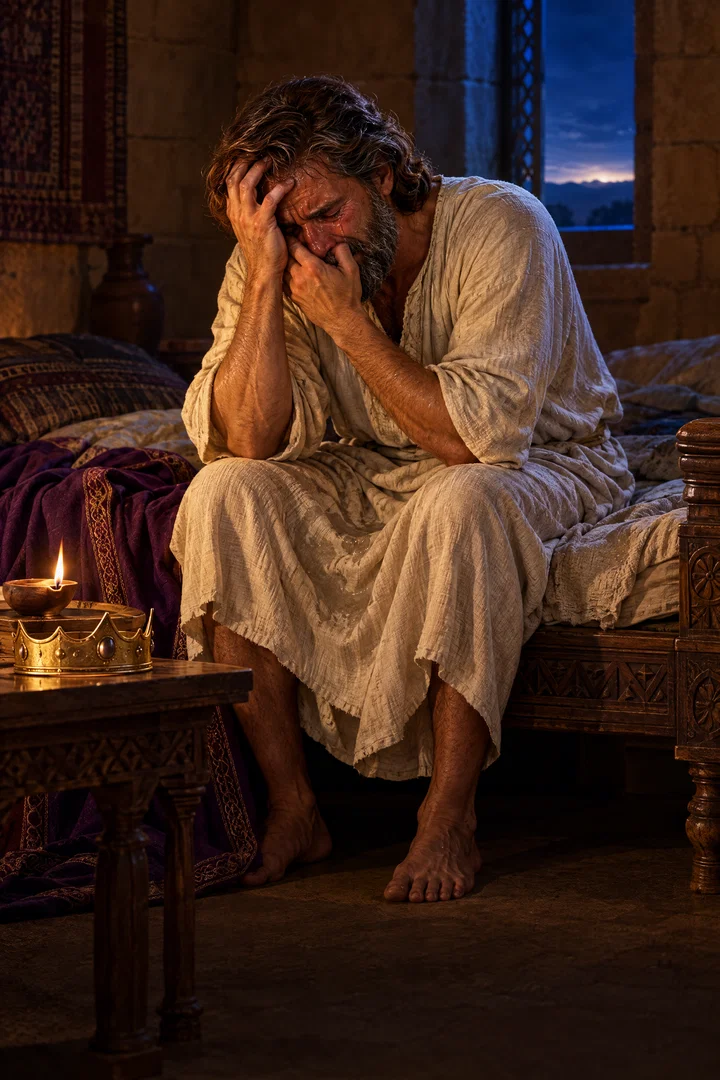
My soul is also sore vexed: but you, O LORD, how long?
My soul is also sore vexed: but thou, O LORD, how long?
My soul is also sore vexed:
But thou, O Lord, how long?My soul is also greatly disquieted: but thou, O LORD, how long?
My soul also is sore vexed: and thou, O LORD, how long?
My soul also is sore troubled:
And thou, O Jehovah, how long?And my soul hath been troubled greatly, And Thou, O Jehovah, till when?
And my soul trembleth exceedingly: and thou, Jehovah, till how long?
Yea, my soul, is dismayed greatly, Thou, then, O Yahweh—how long?
Berean Standard Bible, Majority Standard Bible
My soul is deeply distressed.
How long, O LORD, how long?My soul is also in great anguish.
But you, LORD— how long?My soul is in bitter trouble; and you, O Lord, how long?
My soule is also sore troubled: but Lord how long wilt thou delay?
Douay-Rheims (Challoner revision)
And my soul is troubled exceedingly: but thou, O Lord, how long?
Pictures
Cross-references
- Psalms 119:81
My soul fainteth for thy salvation: but I hope in thy word.
David’s fainting for God’s salvation is cited alongside his cry of distress.
Commentary
Each commentary is drawn from primary sources: the writings of Ellen G. White and Adventist pioneers and periodicals. Each commentary is separate. Its own words are not a quotation; follow the references to read the source passages.
Pioneers and periodicals
13 sources
The verse is the cry of a person deeply troubled and distressed in soul, pleading with the Lord to return and act and asking how long the suffering will continue.RH Dec 10, 1867RH Feb 12, 1861ST Dec 14, 1882ST Sep 28, 1904 The question how long is an urgent inward longing and pleading for God that is too deep to be fully put into words.RH Jul 1, 1858 It is David's complaint and prayer in sickness, and it stands among the seven psalms of penitence.RH Apr 14, 1903ST May 7, 1902ST Jun 25, 1902ST Feb 4, 1897 Like other psalms of its kind it begins in great need and ends in triumph and confidence in God, so that its words calm the troubled soul and give peace to the wounded conscience.RH Mar 1, 1860 It belongs to the first book of the Psalms as an inspired song given by God to His children to sing and study at all times.ST Mar 8, 1910
Words and Historical Setting
The soul is deeply troubled and distressed, crying out to the Lord, asking how long the distress and suffering will continue and pleading for God to return and act.RH Dec 10, 1867RH Feb 12, 1861ST Sep 28, 1904 It is a prayerful, burdened state of heart.RH Feb 12, 1861 The word soul means the person as the seat of emotion, so to say the soul is sore vexed is to express deep distress.ST Dec 14, 1882 The cry how long is a sign of intense inward longing and pleading with God and urgent waiting for Him to act, whose full force cannot be put into words.RH Jul 1, 1858
The setting is David's complaint in sickness and his prayer to God to hear him, as the psalm's heading identifies it as spoken in sickness.ST May 7, 1902ST Jun 25, 1902ST Feb 4, 1897 Psalm 6 belongs to the group of seven psalms known as the Penitential Psalms.RH Apr 14, 1903 The psalm belongs with Psalms 1 to 17, credited to David but not David's song alone, being an inspired song God has given to His children and proper to sing and study at all times.ST Mar 8, 1910 It stands outside direct chronological order with Deuteronomy and belongs to the first of the five books of the Psalms, a great treasure-house that impresses God's Fatherhood and the spiritual truths of Genesis through Job.ST Mar 8, 1910
Prayer Pattern and Comfort
This cry of deep need belongs to the pattern of psalms that open with the expression of great want and close in triumph and confidence in God. The psalm is precious because its words bring calm to a troubled inner life and peace to a wounded conscience.RH Mar 1, 1860 The same plea from deep distress, asking how much longer suffering will continue, gives voice to grief over being denied an opportunity to defend oneself from Scripture.RH Nov 1, 1853 Its language of profound inner turmoil also describes the troubled condition of Jazer and his desire to be left alone.ST Dec 20, 1910
Sources