Psalms 71:9
Cast me not off in the time of old age; forsake me not when my strength faileth.
Translations
Cast me not off in the time of old age; forsake me not when my strength fails.
King James Version, Webster Bible, Revised Version, Darby Translation
Cast me not off in the time of old age; forsake me not when my strength faileth.
KJV Cambridge Paragraph Bible, American Standard Version
Cast me not off in the time of old age;
Forsake me not when my strength faileth.Cast me not off at the time of old age, According to the consumption of my power forsake me not.
Do not cast me off in the time of old age, When my vigour faileth, do not forsake me;
Berean Standard Bible, Majority Standard Bible
Do not discard me in my old age;
do not forsake me when my strength fails.Don’t reject me in my old age.
Don’t forsake me when my strength fails.Do not give me up when I am old; be my help even when my strength is gone.
Cast mee not off in the time of age: forsake me not when my strength faileth.
Douay-Rheims (Challoner revision)
Cast me not off in the time of old age: when my strength shall fail, do not thou forsake me.
Pictures
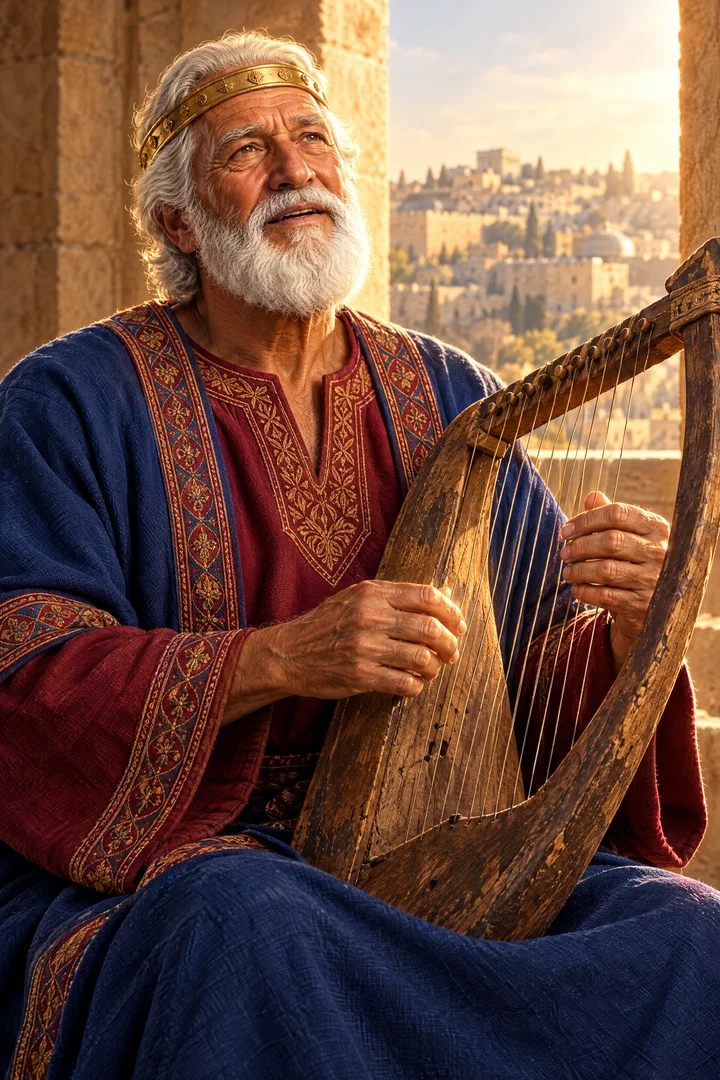
Cross-references
- Psalms 71:18
Now also when I am old and grayheaded, O God, forsake me not; until I have shewed thy strength unto this generation, and thy power to every one that is to come.
Continues the plea not to be forsaken in old age, so the speaker can testify to future generations.
- Deuteronomy 33:27
The eternal God is thy refuge, and underneath are the everlasting arms: and he shall thrust out the enemy from before thee; and shall say, Destroy them.
God is the refuge and support of those whose strength fails.
- Psalms 73:26
My flesh and my heart faileth: but God is the strength of my heart, and my portion for ever.
Both speak of human strength failing and reliance on God.
- Psalms 92:14
They shall still bring forth fruit in old age; they shall be fat and flourishing;
The righteous continue to bear fruit in old age.
- Isaiah 46:4
And even to your old age I am he; and even to hoar hairs will I carry you: I have made, and I will bear; even I will carry, and will deliver you.
God promises to carry and deliver his people into old age.
- John 21:18-19
Verily, verily, I say unto thee, When thou wast young, thou girdedst thyself, and walkedst whither thou wouldest: but when thou shalt be old, thou shalt stretch forth thy hands, and another shall gird thee, and carry thee whither thou wouldest not.
Peter’s old-age martyrdom shows God sustaining the aged.
Commentary
Each commentary is drawn from primary sources: the writings of Ellen G. White and Adventist pioneers and periodicals. Each commentary is separate. Its own words are not a quotation; follow the references to read the source passages.
Ellen G. White
3 sources
The verse is a prayer asking God not to cast off or forsake the speaker in the time of old age when strength fails, but to continue His presence and help. 1T 422.2–423.1ST Feb 19, 1880PK 340.3 David prayed it after seeing jealousy, covetousness, fear, and loss of self-control grow worse in some people as they aged, fearing that he himself might become unhappy and bring reproach upon God's name. 1T 422.2–423.1 He had also seen aged persons become unhappy as closeness, covetousness, jealousy, fretfulness, and impatience intensified in them, and had seen some lose discernment, trust deceptive advice, and become objects of ridicule, fearing he might suffer the same fate. ST Feb 19, 1880
The verse thus teaches the need to guard against the evils that can accompany aging. 1T 422.2–423.1ST Feb 19, 1880 Its aim is to remain able to declare God's works and power to the coming generation. 1T 422.2–423.1 When life draws near its end, one facing death may use this same plea, as Hezekiah did after faithfully serving God, asking to remain alive and be sustained so he could proclaim God's strength to his own generation and to those to come. PK 340.3
Sources
Pioneers and periodicals
8 sources
This is David's prayer and the prayer of every aged believer, pleading not to be cast off, rejected, or forsaken by God in the time of old age when strength fails and weakness comes.ST Feb 19, 1880RH Apr 7, 1874RH Apr 21, 1903RH Aug 2, 1864 It is to be prayed earnestly rather than facing old age and its reproaches alone, especially amid the dangers of the last days and hostile spiritual influences.RH Aug 2, 1864 It meets the need for God's care when weakness, loss, and loneliness leave a person feeling forsaken.RH Oct 20, 1910
The prayer grew from fear of sharing the fate seen in other aged people, who became unhappy as close, covetous, jealous, fretful, and impatient traits intensified.ST Feb 19, 1880 Some were seen to lose discernment, to trust deceptive advice, and to face ridicule, and David feared suffering the same fate.ST Feb 19, 1880 The prayer therefore seeks God's continuing presence and help while guarding against the evils that can accompany aging.ST Feb 19, 1880
Joined to the appeal in verse 18, the prayer seeks God's sustaining care for the purpose of continuing to testify to God's power and strength to the present generation and the generations to come.RH Apr 7, 1874 Hezekiah, when near death after faithfully serving God, could appeal to this prayer and ask to be sustained so he could continue showing God's strength to coming generations.
God remains tender and compassionate toward people in old age, with special tenderness when gray hairs appear and strength fails, and aged servants are assured that they are not cast off.ST Jan 2, 1879RH Nov 1, 1870 The verse teaches human frailty and dependence on God, so a person should make peace with God while in health in order to claim the promises when heart and flesh fail. The eternal God will then be a refuge with the everlasting arms beneath.
It is to be prayed by aged Christians when eyes grow dim and the form totters under the burden of years, meaning to lean more heavily on the divine arm in feebleness.ST Apr 20, 1915 This is trust in the same support that upheld Abraham in his greatest test of offering Isaac when bowed with years and that upheld Peter in his severest test of martyrdom when enfeebled with age.ST Apr 20, 1915 Even when infirmity ends active work, aged servants of God may continue waiting on God, honoring him, receiving comfort from him, and depending on him.ST Jan 2, 1879RH Nov 1, 1870
Faithful service to God should not end in abandonment, so those who have given their lives to the Lord's work should continue to receive support in old age from the tithes and offerings set aside for workers.RH Apr 21, 1903 Addressed to the Lord of nations and Heavenly King who has all power in heaven and is great in sovereignty, the plea not to be cast off asks him to hear when called upon, to give light, and to lead aright through earth's dark and dangerous night. It is joined with loving him more each day, humbly bowing the knee, and casting all upon him.
Sources