Revelation 1:11
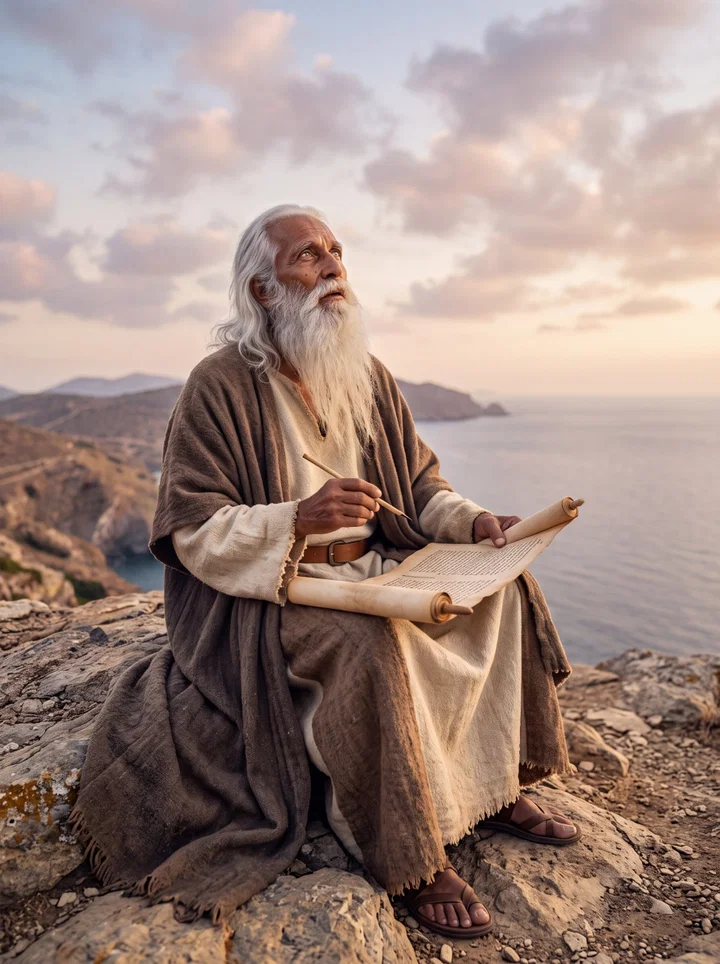
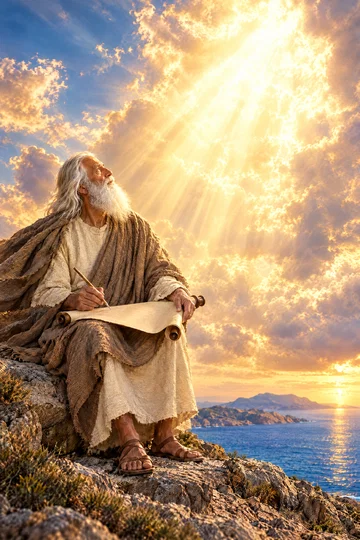
Saying, I am Alpha and Omega, the first and the last: and, What thou seest, write in a book, and send it unto the seven churches which are in Asia; unto Ephesus, and unto Smyrna, and unto Pergamos, and unto Thyatira, and unto Sardis, and unto Philadelphia, and unto Laodicea.
Translations
Saying, I am Alpha and Omega, the first and the last: and, What you see, write in a book, and send it to the seven churches which are in Asia; to Ephesus, and to Smyrna, and to Pergamos, and to Thyatira, and to Sardis, and to Philadelphia, and to Laodicea.
Saying, I am Alpha and Omega, the first and the last: and, What thou seest, write in a book, and send it unto the seven churches which are in Asia; unto Ephesus, and unto Smyrna, and unto Pergamos, and unto Thyatira, and unto Sardis, and unto Philadelphia, and unto Laodicea.
saying, I am Alpha and Omega, the first and the last: and, What thou seest, write in a book, and send it unto the seven churches which are in Asia; unto Ephesus, and unto Smyrna, and unto Pergamos, and unto Thyatira, and unto Sardis, and unto Philadelphia, and unto Laodicea.
Saying, I am Alpha and Omega, the first and the last: and, What thou seest, write in a book, and send it to the seven churches which are in Asia; to Ephesus, and to Smyrna, and to Pergamos, and to Thyatira, and to Sardis, and to Philadelphia, and to Laodicea.
saying, What thou seest, write in a book, and send it to the seven churches; unto Ephesus, and unto Smyrna, and unto Pergamum, and unto Thyatira, and unto Sardis, and unto Philadelphia, and unto Laodicea.
saying, What thou seest, write in a book and send it to the seven churches: unto Ephesus, and unto Smyrna, and unto Pergamum, and unto Thyatira, and unto Sardis, and unto Philadelphia, and unto Laodicea.
'I am the Alpha and the Omega, the First and the Last;' and, 'What thou dost see, write in a scroll, and send to the seven assemblies that [are] in Asia; to Ephesus, and to Smyrna, and to Pergamos, and to Thyatira, and to Sardis, and to Philadelphia, and to Laodicea.'
saying, What thou seest write in a book, and send to the seven assemblies: to Ephesus, and to Smyrna, and to Pergamos, and to Thyatira, and to Sardis, and to Philadelphia, and to Laodicea.
saying—What thou seest, write in a scroll, and send unto the Seven Assemblies,—unto Ephesus, and unto Smyrna, and unto Pergamum,—and unto Thyatira, and unto Sardis, and unto Philadelphia,—and unto Laodicea.
Berean Standard Bible, Majority Standard Bible
saying, “ Write on a scroll what you see and send it to the seven churches: to Ephesus, Smyrna, Pergamum, Thyatira, Sardis, Philadelphia, and Laodicea.”
saying, “ What you see, write in a book and send to the seven assemblies: to Ephesus, Smyrna, Pergamum, Thyatira, Sardis, Philadelphia, and to Laodicea.”
Saying, What you see, put in a book, and send it to the seven churches; to Ephesus and to Smyrna and to Pergamos and to Thyatira and to Sardis and to Philadelphia and to Laodicea.
Saying, I am Alpha and Omega, that first and that last: and that which thou seest, write in a booke, and send it vnto the seuen Churches which are in Asia, vnto Ephesus, and vnto Smyrna, and vnto Pergamus, and vnto Thyatira, and vnto Sardis, and vnto Philadelphia, and vnto Laodicea.
Douay-Rheims (Challoner revision)
Saying: What thou seest, write in a book, and send to the seven churches which are in Asia, to Ephesus, and to Smyrna, and to Pergamus, and to Thyatira, and to Sardis, and to Philadelphia, and to Laodicea.
Pictures

Cross-references 20 of 32
- Revelation 1:19-20
Write the things which thou hast seen, and the things which are, and the things which shall be hereafter;
Repeats the command to write and explains the symbols of the seven churches.
- Revelation 2:1-3
Unto the angel of the church of Ephesus write; These things saith he that holdeth the seven stars in his right hand, who walketh in the midst of the seven golden candlesticks;
Begins the messages to the seven churches with the message to Ephesus.
- Revelation 1:17
And when I saw him, I fell at his feet as dead. And he laid his right hand upon me, saying unto me, Fear not; I am the first and the last:
Christ repeats the title “the first and the last” used by the speaker in verse 11.
- Revelation 1:1-3
The Revelation of Jesus Christ, which God gave unto him, to shew unto his servants things which must shortly come to pass; and he sent and signified it by his angel unto his servant John:
Identifies the revelation as prophecy and blesses those who read, hear, and keep it.
- Revelation 1:20
The mystery of the seven stars which thou sawest in my right hand, and the seven golden candlesticks. The seven stars are the angels of the seven churches: and the seven candlesticks which thou sawest are the seven churches.
The lampstands identify the seven churches addressed in the vision.
- Revelation 1:1
The Revelation of Jesus Christ, which God gave unto him, to shew unto his servants things which must shortly come to pass; and he sent and signified it by his angel unto his servant John:
Identifies the book as Christ’s revelation of events to come, sent through an angel to John.
- Revelation 22:18
For I testify unto every man that heareth the words of the prophecy of this book, If any man shall add unto these things, God shall add unto him the plagues that are written in this book:
Both identify Revelation as the prophetic book addressed to its readers.
- Revelation 3:1-4
And unto the angel of the church in Sardis write; These things saith he that hath the seven Spirits of God, and the seven stars; I know thy works, that thou hast a name that thou livest, and art dead.
Christ continues his messages to the seven churches, addressing Sardis.
- Revelation 21:6
And he said unto me, It is done. I am Alpha and Omega, the beginning and the end. I will give unto him that is athirst of the fountain of the water of life freely.
Both identify Christ as Alpha and Omega, the beginning and the end.
- Revelation 22:13
I am Alpha and Omega, the beginning and the end, the first and the last.
Christ uses the same titles, Alpha and Omega and first and last.
- Revelation 1:4
John to the seven churches which are in Asia: Grace be unto you, and peace, from him which is, and which was, and which is to come; and from the seven Spirits which are before his throne;
Introduces Christ and his coming before John’s vision.
- Acts 20:17
And from Miletus he sent to Ephesus, and called the elders of the church.
Paul summoned the Ephesian elders from a church in the same region.
- Revelation 2:8
And unto the angel of the church in Smyrna write; These things saith the first and the last, which was dead, and is alive;
Christ is called the first and the last.
- Revelation 22:16
I Jesus have sent mine angel to testify unto you these things in the churches. I am the root and the offspring of David, and the bright and morning star.
Jesus says he sent his angel to testify to the churches.
- Revelation 3:14
And unto the angel of the church of the Laodiceans write; These things saith the Amen, the faithful and true witness, the beginning of the creation of God;
Christ is called the beginning of God’s creation.
- Revelation 1:18
I am he that liveth, and was dead; and, behold, I am alive for evermore, Amen; and have the keys of hell and of death.
gives the message of the risen Christ
- Colossians 1:16
For by him were all things created, that are in heaven, and that are in earth, visible and invisible, whether they be thrones, or dominions, or principalities, or powers: all things were created by him, and for him:
Christ is identified as the Creator.
- Revelation 22:10
And he saith unto me, Seal not the sayings of the prophecy of this book: for the time is at hand.
The prophecy is to remain unsealed and available for study.
- Revelation 22:19
And if any man shall take away from the words of the book of this prophecy, God shall take away his part out of the book of life, and out of the holy city, and from the things which are written in this book.
The seven churches are part of the prophetic book whose words the warning protects.
- Revelation 19:16
And he hath on his vesture and on his thigh a name written, KING OF KINGS, AND LORD OF LORDS.
Christ is named King of kings and Lord of lords.
Commentary
Each commentary is drawn from primary sources: the writings of Ellen G. White and Adventist pioneers and periodicals. Each commentary is separate. Its own words are not a quotation; follow the references to read the source passages.
Ellen G. White
79 sources
The risen Jesus Himself declares that He is the eternal One, the beginning and the end, and charges His aged servant in exile to preserve in writing what is shown him and send it to the seven named congregations in Asia.AA 581.4–582.2Ms 155, 1902, par. 10–11Ms 131, 1903, par. 11–15Ms 139, 1903, par. 33–34Ms 100, 1893, par. 2–3 John, nearly one hundred years old and banished to desolate Patmos for faithful testimony, was in the Spirit on the seventh-day Sabbath when he heard the trumpet-like voice and turned to see Christ in glorified majesty standing among seven golden candlesticks.Ms 155, 1902, par. 10–11Ms 150, 1899, par. 13–15Ms 131, 1903, par. 11–15Ms 100, 1893, par. 2–3Ms 99, 1902, par. 75–77 The seven churches named stand for the complete church of God in every place and in every period of the Christian era to the close of earth's history.Lt 110, 1902, par. 9–10Ms 161, 1904, par. 14–16Ms 81, 1900, par. 49–53AA 585.2–3AA 581.1–3 The book so commanded is the direct word of God and of Christ, not sealed but unfolded to disclose what must shortly come to pass unto His coming in glory, and it is to be diligently studied, kept, and proclaimed straight and openly to every nation and community.Ms 46, 1904, par. 3–6Ms 139, 1903, par. 33–3418MR 37.1MWISDAP 61.5–62.1STB 404.5–405.1 It assures His people that the same living Lord who strengthened John is present with them in loneliness, oppression, and persecution, and that exile and trial can become the gate of heaven for communion with Him.Lt 91, 1896, par. 2–6Ms 100, 1893, par. 2–3Ms 21, 1895, par. 16–17Ms 56, 1886, par. 14Ms 94, 1897, par. 38–39
Setting on Patmos
The voice came to John in old age, when he was nearly one hundred years old, banished to the lonely, desolate, rocky isle of Patmos for the word of God and for faithful testimony to Jesus.Lt 91, 1896, par. 2–6Ms 92, 1903, par. 2–7Ms 21, 1895, par. 16–17 It was a time of fierce persecution and great darkness, when enemies sought to silence him and outwardly triumphed in exiling him.Ms 100, 1893, par. 2–3Ms 99, 1902, par. 75–7718MR 77.1–2 His banishment was for his faithful witness to God as a brother and companion in tribulation and in the kingdom and patience of Jesus Christ.Lt 91, 1896, par. 2–6Ms 92, 1903, par. 2–7
Though he was cut off from companions in the faith, from his labors in the gospel, and from the society of brethren, he was not cut off from God and could not be separated from Jesus.Ms 100, 1893, par. 2–318MR 77.1–2STE 50.2–3 The desolate place of exile became to him the gate of heaven.Lt 91, 1896, par. 2–6Ms 100, 1893, par. 2–3 His isolation prepared him to receive more communications from heaven than in all the rest of his lifetime, for God permitted the exile so Christ could give His faithful servant a more wonderful revelation of Himself to give to the world.Ms 94, 1897, par. 38–39AA 581.1–318MR 77.1–2 With heaven opened before him he was filled with unspeakable joy.Lt 91, 1896, par. 2–6Ms 99, 1902, par. 75–77
He was in the Spirit on the Lord's day when the voice came.Ms 155, 1902, par. 10–11Ms 46, 1904, par. 3–6Ms 92, 1903, par. 2–7 That Lord's day is the seventh-day Sabbath, the holy day which God had blessed and set apart as His own, instituted in Eden.Ms 150, 1899, par. 13–15Ms 46, 1904, par. 3–6Ms 100, 1893, par. 2–3 It was still precious to John in exile, with its promises repeated and claimed as the sign that God sanctifies His people.Ms 150, 1899, par. 13–15Ms 100, 1893, par. 2–3
In that state he heard behind him a great voice as loud as a trumpet, declaring Alpha and Omega, the first and the last.Ms 155, 1902, par. 10–11Ms 131, 1903, par. 11–15Ms 100, 1893, par. 2–3 The voice came in clear, distinct tones, and turning to see the voice he beheld his Master with whom he had walked and talked in Judea.Ms 155, 1902, par. 10–11Ms 150, 1899, par. 13–15Ms 99, 1902, par. 75–77 He saw seven golden candlesticks with one like the Son of man in the midst, clothed to the foot and girt about with a golden girdle.Ms 155, 1902, par. 10–11Ms 150, 1899, par. 13–15Ms 53, 1890, par. 46–47 His hair was white, His eyes as a flame of fire, His feet as burning brass, His voice as many waters, with seven stars in His right hand, a sharp two-edged sword going from His mouth, and His countenance as the sun in its strength.Ms 155, 1902, par. 10–11Ms 150, 1899, par. 13–15
Speaker Identified
The voice that speaks is Jesus Christ Himself, the risen Lord, coming personally from heaven to John to give the Revelation.AA 581.4–582.2Ms 139, 1903, par. 33–34Lt 110, 1902, par. 9–1018MR 37.1Ms 92, 1903, par. 2–7 He works through the Holy Spirit upon John, and through His highest angels, sending a mighty angel to make plain by symbols the things to come until His coming.Ms 139, 1903, par. 33–3418MR 37.1Ms 105, 1906, par. 27–28 John receives the message while wrought upon by the Spirit, and Christ Himself tells him what to write.Ms 139, 1903, par. 33–3418MR 37.1
He declares Himself to be Alpha and Omega, the first and the last.AA 581.4–582.2Ms 155, 1902, par. 10–11Ms 150, 1899, par. 13–15Lt 91, 1896, par. 2–6Ms 106, 1897, par. 26–28 That title identifies His eternal Godhead as the beginning and the end.Lt 110, 1902, par. 9–10Ms 106, 1897, par. 26–28Ms 168, 1907, par. 15 He is the One who lives and was dead and is alive forevermore, holding the keys of hell and of death.Ms 155, 1902, par. 10–11Ms 150, 1899, par. 13–15
He appears in heavenly glory and divine majesty and power.AA 581.4–582.2 He comes in glorified humanity as the divine Being who after His ascension entered the heavenly courts and the glory of the heavenly sanctuary.Ms 53, 1890, par. 46–47Ms 168, 1907, par. 15 This is in contrast to John's earlier view of Him in suffering and humiliation, hanging in human agony on the cross.AA 581.4–582.2Ms 97, 1906, par. 55–56
He is the Lord of the Sabbath who rules the earth and keeps the waters in their appointed channel.Lt 87, 1896, par. 3Ms 21, 1895, par. 16–17 The risen Christ still bears the nail marks in His hands and feet.Ms 94, 1897, par. 38–39 The mockers' charge that He saved others but Himself He could not save was true, for in His very death He was suffering the death penalty to make provision to save sinners, that they may take hold of His life and have a life that measures with the life of God.Ms 97, 1906, par. 55–56
His glory overwhelms John so that John falls as dead because humanity cannot endure the glory.Ms 150, 1899, par. 13–15Ms 56, 1886, par. 14Ms 165, 1904, par. 12–13 He lays His right hand upon John, tells him not to fear, and revives, raises and strengthens him to endure His presence and perform his task.Ms 150, 1899, par. 13–15Ms 56, 1886, par. 14Ms 165, 1904, par. 12–13 His revelation to John in glory thus strengthens the messenger for the work of making the message known to the churches.19MR 40.4–41.2Ms 165, 1904, par. 12–13
Command to Write
The voice commands John to write in a book what he sees and hears in vision, preserving the revelation in writing.Ms 155, 1902, par. 10–11Ms 131, 1903, par. 11–15Ms 139, 1903, par. 33–34Ms 33, 1897, par. 25–26 The writing is to set down what was seen and heard during the vision so that the churches may know what was to come upon the earth.Ms 155, 1902, par. 10–11Ms 136, 1902, par. 20Ms 33, 1897, par. 25–26 By being written the testimony is immortalized as present truth until all the foretold events come to pass.Ms 46, 1904, par. 3–6Ms 139, 1903, par. 33–34Ms 136, 1902, par. 20 The order to write proves the book contains the word of God.Ms 46, 1904, par. 3–6Ms 151, 1904, par. 1–4
The book when written was to be sent to the seven churches in Asia, namely unto Ephesus, and unto Smyrna, and unto Pergamos, and unto Thyatira, and unto Sardis, and unto Philadelphia, and unto Laodicea.Ms 155, 1902, par. 10–11Ms 131, 1903, par. 11–15Ms 139, 1903, par. 33–34AA 585.2–3Ms 33, 1897, par. 25–26 The words spoken were not for John alone and not for those seven congregations alone.Ms 53, 1890, par. 46–47Ms 161, 1904, par. 14–16AA 585.2–3 But through those churches the inspired message was to come to God's people with powerful impression in every age to the close of this earth's history.Ms 53, 1890, par. 46–47Ms 161, 1904, par. 14–16AA 585.2–3
The command shows the book is the direct word of Jesus Christ, the revelation of Jesus Christ which God gave unto Him.Ms 46, 1904, par. 3–6Ms 139, 1903, par. 33–3418MR 37.1Ms 151, 1904, par. 1–4 It is not a sealed book but a mystery unfolded, shown in figures with words of explanation.Ms 46, 1904, par. 3–6Ms 139, 1903, par. 33–34Ms 175, 1903, par. 10 It is wonderful, dignified, exalted, and solemn instruction, wonderful instruction given on Patmos.Ms 131, 1903, par. 11–15Ms 139, 1903, par. 33–3418MR 37.1 It is a message exceeding in importance any other message ever entrusted to mortals, telling what is of greatest importance for the present and reaching from time into eternity.Ms 139, 1903, par. 33–34Ms 136, 1902, par. 20Ms 175, 1903, par. 10
Seven Churches Represent
The seven named congregations stand for all the churches in the world and for the complete church of God, for all who shall be saved.Lt 110, 1902, par. 9–10Ms 161, 1904, par. 14–161MR 372.2 The number seven signifies completeness and a perfect whole, so the message was not for those congregations only.Lt 110, 1902, par. 9–10Ms 161, 1904, par. 14–16Ms 81, 1900, par. 49–53 The names themselves describe characteristics found in every church.19MR 40.4–41.2
They symbolize the Christian church through different periods of the Christian era, with the symbols revealing the condition of the church in those periods.Ms 81, 1900, par. 49–53AA 585.2–3Ms 81, 1900, par. 54–56 Because seven is completeness, the messages extend to the end of time and remain in force today.Ms 81, 1900, par. 49–53AA 585.2–3Ms 81, 1900, par. 54–56 In this way the writing sent to Ephesus, Smyrna, Pergamos, Thyatira, Sardis, Philadelphia, and Laodicea reaches Christians across the ages.Ms 161, 1904, par. 14–16AA 585.2–3Ms 81, 1900, par. 54–56
What was spoken was not for John alone and not for those seven churches alone, but through those churches the inspired message was to come with powerful impression to God's people in every age to the close of earth's history.Ms 53, 1890, par. 46–47Lt 110, 1902, par. 9–10AA 581.1–3 It was meant to strengthen and enlighten the church through the end of time, making known the things which are and the things which shall be hereafter and clearly describing His coming.Lt 110, 1902, par. 9–10AA 581.1–3 Its light is therefore not to be hidden but to be studied, believed, taught to those unacquainted with truth, and preached openly, with its warnings intended to reach the churches widely and to be proclaimed today without ceasing.Lt 126, 1906, par. 5Lt 110, 1902, par. 9–101MR 372.2
Applied to the present, the direction to write to the seven churches is a message to a people in the last days who are making void the law of God.Ms 163, 1897, par. 2–5 Those churches have drunk deeply of the wine of Babylon and are to receive a startling message of truth that will reveal to them their true position.Ms 163, 1897, par. 2–5 The seven churches also represent the churches in the land, called under the banner of the commandments of God and the faith of Jesus to proclaim the third angel's message and every experienced point of present truth wherever they go.Ms 188, 1905, par. 28–30 That proclamation rejects spiritualistic ideas that deny a personal Christ and a personal God, and holds fast to the sanctuary, to Christ Jesus and to the Father.Ms 188, 1905, par. 28–30
Prophecy for Last Days
This command belongs to a symbolic revelation of events leading up to Christ's coming, disclosing what must shortly come to pass and what should be in the last days of earth's history through the ages to His coming with power and great glory in the clouds of heaven.Ms 105, 1906, par. 27–28Ms 99, 1909, par. 42–47RH Feb 14, 190713MR 304.1Lt 303, 1903, par. 1–2 A mighty angel was sent to make plain by symbols to John the things that would happen until the coming of Christ, and John while in exile on Patmos was instructed to write what was revealed in a book for the seven churches in Asia and to communicate it to the churches.Ms 105, 1906, par. 27–28RH Feb 14, 190713MR 304.1Lt 376, 1906, par. 24Lt 303, 1903, par. 1–2 That writing is preserved as the book of Revelation, which contains the message for the last days for later generations, though understood by only very few, and its prophecies deserve careful study and are to be dwelt upon much with Scripture explained by Scripture to hasten the coming of the King.Ms 105, 1906, par. 27–28Ms 99, 1909, par. 42–47RH Feb 14, 190713MR 304.1Lt 376, 1906, par. 24
The message of the first three chapters standing at the opening gives an earnest warning to prepare to meet the Lord in the clouds of heaven, for He comes with power and great glory.Lt 386, 1904, par. 1Lt 31, 1903, par. 6SLP 10.1–13.1 It rebukes indifference to the signs foretold and gives evidence that the end of the world is right upon us.Lt 386, 1904, par. 1SLP 10.1–13.1 Those chapters give the history of Satan's effort through subtlety to bring dissension into the church and destroy much of the good that had been accomplished, a history that must be met today.Lt 386, 1904, par. 1Lt 31, 1903, par. 6 From its opening through its close the book unfolds solemn truths, including events just before Christ's return in power and glory.Lt 386, 1904, par. 1SLP 10.1–13.1
The whole revelation from its opening through its close unfolds light from Jesus Christ intended to shine to the world, giving a bright view of the future and a wonderful view of His glory.18MR 77.1–2FE 423.2–3STE 50.2–3SLP 10.1–13.1Lt 10, 1879, par. 4–9 It discloses events extending through the ages to Christ's coming, gives what is of greatest importance for the present, and reaches from time into eternity.Ms 175, 1903, par. 1018MR 77.1–2Lt 10, 1879, par. 4–9 In exile on the desert island of Patmos, deprived of the society of brethren after enemies outwardly triumphed by banishing him for the word of God and the testimony of Jesus, John was not separated from Jesus but taught by Him, studying and communing with God while persecution could not separate him.18MR 77.1–2FE 423.2–3STE 50.2–3 God permitted the exile by an unseen hand so Christ could give His faithful servant a more wonderful revelation of Himself to give to the world, a great light shining from Christ to John concerning what was to come upon the earth in the last days, and the risen Saviour made His presence known on the holy Sabbath day and commanded him to write what he saw in a book for the churches, and that testimony then given is also given now to search the Scriptures that what will be may be known.18MR 77.1–2FE 423.2–3Lt 10, 1879, par. 4–9
The entire revelation Jesus Christ gave to John was already rehearsed by Moses in the Exodus and in the plagues brought upon Egypt.Ms 132, 1898, par. 1 It is in harmony with Scripture and is tested by Scripture, for there is no contradiction in the Word of God.Ms 132, 1898, par. 1 It is to be understood with Scripture explaining Scripture to hasten the coming of the King.Ms 105, 1906, par. 27–28Ms 132, 1898, par. 1 In exile John beheld his glorified Redeemer and saw more distinctly than ever before what was to be at the close of this earth's history, receiving special light for the church through faithfulness in witnessing to Christ.18MR 77.1–2Ms 38, 1905, par. 8 He saw the mercy, tenderness, and love of God blending with His holiness, justice, and power.Ms 38, 1905, par. 8 He saw sinners finding a Father in Him of whom their sins had made them afraid, where mercy and truth met together and righteousness and peace kissed each other, so that instead of fleeing from God because of sins, sinners flee to His arms for protection and pardon, and the throne terrible in unbelief becomes in repentance a place of refuge.Ms 38, 1905, par. 8
The visions given to be written down and delivered to the people are worthy of careful study, especially for what they teach about Christ's life, character, and mediatorial work.Ms 88, 1910, par. 36T 58.2–59.1 The first, important, solemn chapter reveals the Lord Jesus in the correct representation as God designed, containing what Jesus was to give to all who will be alive on the earth to hear and receive it in truth and righteousness in words of warning.Ms 88, 1910, par. 36T 58.2–59.1 It is to be clearly understood and its true meaning taken in, requiring a solemn, humble heart that is affected as the representation claims, with exact care to make no mistakes in interpreting Scripture.Ms 88, 1910, par. 3
Study and Proclamation
The message given in the opening three chapters is to be heeded, studied, believed, and kept continually before the people.MWISDAP 61.5–62.1STB 404.5–405.11MR 372.2Lt 408, 1907, par. 10–13 Its study teaches those living in the last days to recognize their dangers and how to avoid them.Lt 408, 1907, par. 10–13 It must be known in order to escape the perils of the last days and to know where dependence lies.Ms 159, 1904, par. 5 The written instruction concerning the closing scenes of earth's history is to be studied carefully and prayerfully.20MR 150.3
It is a warning message for the world that calls for earnest, prayerful study, especially of the parts that bear on the present time.Ms 165, 1904, par. 3–5 The symbolic revelations written in a book for the seven churches were preserved for later generations and contain a message for the last days whose prophecies deserve careful study.Lt 376, 1906, par. 24 They are to be diligently searched now in view of the coming of Christ, dwelt upon much in prophecy, and made known so the world can understand them.ACSMHFP 3.7Lt 5, 1903, par. 12–14 That instruction for the church in these last days must be learned and spoken about more.Ms 129, 1905, par. 1–4Lt 5, 1903, par. 12–14
The light is not to be hidden but is to be taught to those unacquainted with truth, studied, believed, and preached openly today.Lt 110, 1902, par. 9–101MR 372.2 Proclaiming it is life, and God gives the power of His grace and the treasures of truth for proclaiming it, while the Holy Spirit makes the truth shine in its original luster.Lt 279, 1904, par. 19–2021MR 177.2–3 It is to come to God's people straight, sharp, and clean from all mixture of human wisdom and tradition, and is to be preached just as the Lord gave it.Lt 279, 1904, par. 19–2018MR 33.2–34.1 Not a pin or a pillar is to be removed from the foundation of faith in it, and thus preached it is powerful in the conviction of sinners.Lt 279, 1904, par. 19–20
Labor under this command is not to be confined to those nominally united with the church, and no single place is to be made a Jerusalem center.Ms 161, 1904, par. 14–16 The message with its warnings is to be carried to those who have never heard the truth in every nation on earth, to all nations, languages, and peoples, through every route and community.Ms 161, 1904, par. 14–16Lt 115, 1890, par. 22–24 Written instruction is to prepare people for the events of the world's closing scenes, reaching even those a living messenger could not reach, because the time is at hand and past history will be repeated.Lt 1, 1890, par. 3–7 God's angels prepare the way for it, with earnest seeking for the power of the Holy Spirit to act as faithful servants until the work of salvation is accomplished, and those entrusted with this light are responsible for ensuring that it is shared.Ms 161, 1904, par. 14–16Lt 115, 1890, par. 22–24
The written instruction guards against false theories brought by people who are not taught by the Holy Spirit and who seek to exalt themselves and overturn established truth.20MR 150.3Ms 129, 1905, par. 1–4 It guards against scientific scheming brought with increasing power against those bearing responsibility in carrying Christ's instruction to the churches under His supervision for the last days, lest that work be made of no effect.Lt 311, 1905, par. 5–7 Christian missionaries in training must not be deceived and led away by teaching that confuses minds and mixes specious scientific errors with scriptural instruction, but those truths must be kept pure.Ms 70, 1905, par. 6 Studying the Word with divine inspiration gives light that helps keep error from taking root.Ms 165, 1904, par. 6–8
The instruction calls for no gods made by men, but for worship of the Lord God with all the heart and mind and soul and strength, and love to neighbor as self.Ms 159, 1904, par. 5 These are the two great principles of love to God and love to man on which hang all the law and the prophets.Ms 159, 1904, par. 5
The same Jesus who appeared to John can be present with people in lonely places and show them His love and His Father's love.Lt 91, 1896, par. 2–6 The manifestation fulfills His promise to love those who love Him and manifest Himself to them, and He will likewise manifest Himself to all who remain faithful in warfare.Ms 21, 1895, par. 16–17 When His glory is revealed and their trial is over, He will likewise reveal His presence and sustain His persecuted, scattered people, and they will recognize their Redeemer who bought them with His blood.Ms 56, 1886, par. 14 The vision of the risen Christ shows that Christ is alive and gives the church living power, and assures God's people that Christ is with them in oppression and persecution, even in prisons and at the stake, where in the deepest darkness His glory shines most clearly.
John's isolation prepared him to receive this revelation, and his enemies' persecution became a means of grace.Ms 94, 1897, par. 38–39 Even in isolation he could hold communion with God, for God did not forget or cast off him for putting trust in Him, but the Son of God met him there and filled his vision with scenes of immortal glory.Ms 165, 1904, par. 6–8PP 129.2 By constancy and obedience under trial he was spiritually enriched, and his example of submission, patience, and faith became a source of strength to others.PP 129.2 Even the trials that task faith most severely and bring feelings of being forsaken are to lead closer to Christ to lay all burdens at His feet and experience the peace He gives in exchange, for God's thoughts are peace and not evil.PP 129.2
The charge calls for the same teachable response John showed, for though beloved of God and advanced in age he was a human messenger whose humanity could not endure the glory, so that he fell as dead and Christ revived and strengthened him for his task.Ms 165, 1904, par. 12–13 Though he had erred in judgment, as when he wanted fire from heaven on those who refused Christ, he accepted Christ's reproof that the Son of man came to save lives not to destroy them and profited from the lesson.Lt 338, 1905, par. 7 Hearers are therefore to earnestly seek to understand and carry out every word of instruction Christ sends instead of becoming offended, trusting one's own judgment, and counterworking God's purposes.Lt 338, 1905, par. 7 A message from God is not to be rejected merely because it comes through human lips.Ms 165, 1904, par. 12–13
The command to write assigns writing as the appointed work, illustrating that a person given a specific task should devote himself to it rather than take on other work at the same time.6MR 179.1–180.1Lt 47a, 1886, par. 2–5 It is a standing commission to make known to others what Christ has revealed and to write out faithfully what is seen so that the people may have the revealed light.Ms 63, 1906, par. 20Lt 115, 1890, par. 22–24 One given that writing work should concentrate all powers upon that work alone, giving self wholly to writing and not dividing strength by adding speaking and visiting.6MR 179.1–180.18MR 328.2–329.1 It means doing one thing at a time and likewise letting the pen rest in great measure when engaged in speaking and visiting to present new and startling truths whose reception involves a cross.8MR 328.2–329.1
Obedience to the repeated command brings the Lord's own enabling even when the hand is unsteady and writing seems physically impossible, steadying the hand so page after page can be written with ease.Ms 49, 1906, par. 24–25 With the command He gives words, a steady even hand, and blessing, so that trembling weakness and ruined nerves and lack of learning become a lifelong work of writing volume after volume reaching through the world.Ms 143, 1906, par. 8–11 When the servant comes into right relation with the Lord and gives self wholly to Him, miracle-working power attends the written words and deeds.Ms 49, 1906, par. 24–25 The writing preserves visionary instruction in the relation of Scripture to Scripture, so the truths of the third angel's message are set down point by point.SG2 60.1Ms 49, 1906, par. 24–25
John was exiled after he had grown old in the service of the Lord, and on that isle received more communications from heaven than during the rest of his lifetime.Ms 63, 1906, par. 12–13 Ministers who have faithfully done their work and have become old and feeble in health are therefore not to be forgotten or neglected, for God still honors them with great light, and those in positions of trust and conferences have the duty to care for their needs.Ms 63, 1906, par. 12–13 The message presented exceeds in importance any other message ever entrusted to mortals, telling what was to come upon the earth, and medical workers need to realize the importance of this message.Ms 136, 1902, par. 20
Sources
Pioneers and periodicals
89 sources
The glorified Saviour speaks with a voice as of a trumpet and commands John on lonely Patmos to write what he sees in a book and send it to the seven literal churches in western Asia Minor.RH Mar 19, 1857RH Aug 7, 1860ST Dec 4, 1893RH Jun 3, 1862RH Jun 3, 1862 The seven together represent the whole Christian church in seven successive conditions from apostolic days to the close of probation, so the entire book is intended for all time and not for those congregations alone.RH Aug 7, 1860ST Nov 18, 1886RH Oct 16, 1856ST Nov 28, 1895ST Aug 4, 1909 The speaker declares himself Alpha and Omega, the first and the last, the eternal Creator and Redeemer who begins and completes faith.ST Dec 4, 1893RH Jun 23, 1903RH Jun 12, 1879RH May 21, 1901ST Nov 21, 1895 John heard the command on the seventh day, the Sabbath, which is the Lord's day, and the verse gives no sacred title or institution to the first day of the week.ST Feb 27, 1912ST May 13, 1897ST Oct 22, 1912ST Oct 21, 1897ST Dec 11, 1901 The vision was given to assure the church through oppression and persecution that Christ is alive forevermore and is with His people even in deepest darkness.ST Jun 26, 1901ST Oct 17, 1900RH Aug 19, 1873RH Jul 24, 1856
Text and Wording
The King James rendering contains the self-designation as Alpha and Omega, the first and the last, but the Revised Version omits it because it is not found in the best Greek manuscripts.ST Mar 11, 1908RH Jun 3, 1862 Many manuscripts and versions likewise omit both that clause and the phrase in Asia, so that without them the command addresses the seven churches and begins naming them with Ephesus.RH Jun 3, 1862 The longer clause was likely added by later copyists, first as a marginal explanation and then mistakenly copied into the text.ST Mar 11, 1908 Its omission does not change any essential teaching of Scripture.ST Mar 11, 1908
The limiting phrase which are in Asia is absent from ancient reliable manuscripts, from many manuscripts and versions, from important manuscripts and versions, and from the best original manuscripts.RH Jun 3, 1862RH Mar 26, 1861RH Jul 22, 1873ST May 31, 1905 Some translations and textual authorities omit it while others retain it.RH Aug 7, 1860 It is unnecessary whether the seven churches are taken as periods or as literal churches, and it is improper as a limitation.RH Mar 26, 1861ST Jun 12, 1901 Singling out these seven as the churches in Asia is striking because many other churches existed nearby, including Colosse, Miletus, and Troas, which shows the seven have significance beyond being only seven local congregations.RH Mar 26, 1861ST Jun 12, 1901 The book of Revelation is therefore dedicated to these seven churches, not merely to seven churches located in Asia, the seven having been selected despite other Christian communities in the region because their names and messages represent successive periods and religious features of the gospel age.RH Jul 22, 1873
A beginning and an end in the verse illustrate that a beginning and an end can stand for the whole of something.ST Nov 19, 1912
Setting and Written Command
The glorified Saviour speaks to John with a great voice as of a trumpet and commands him to write what he sees in a book and send it to the seven churches at Ephesus, Smyrna, Pergamum, Thyatira, Sardis, Philadelphia and Laodicea.RH Mar 19, 1857RH Aug 7, 1860ST Dec 4, 1893 The book is the prophecy of Revelation, dedicated to the Christian church, and the command to write is repeated as writing the things seen and the things which are and the things which shall come to pass hereafter.RH Aug 7, 1860ST Dec 4, 1893RH Mar 19, 1857 The whole book is addressed to those churches and not only the messages in chapters 2 and 3, and the words addressed to each church were dictated to him by divine direction.RH Mar 19, 1857ST Jan 15, 1880ST Sep 16, 1889 What is seen is to be written down and made known in writing, and this is a lesson that God's message should be published and distributed through the public press and that people can prepare themselves to serve in that work.RH Jun 10, 1862ST Dec 4, 1893RH Jun 3, 1909
The vision was received by John while banished alone on the lonely Isle of Patmos for the Word of God and the testimony of Jesus, far from sympathizers.ST May 26, 1914RH Jul 26, 1906ST Dec 9, 1913 It came near the close of the first century, about A.D. 96 under Domitian, twenty-six years after the destruction of Jerusalem and after the week of confirmation.RH Mar 11, 1862ST Dec 10, 1912ST Dec 9, 1913 That was more than half a century into the Christian age, about sixty to sixty-five years after Christ's resurrection, ascension and return to the Father, when John was old after years of service and nearly one hundred years old.RH Jul 26, 1906ST Feb 5, 1880ST Jun 26, 1907 Patmos, the Lord's day and John himself are all real and not symbolic or mystical, and give the real place and time where the vision was received.RH Mar 11, 1862 The banishment came at a critical time when nearly all John's former associates in the ministry had suffered martyrdom, the remnant of believers faced fierce opposition, the early church was losing its first love, and to all outward appearance the enemies of the church would soon triumph.ST May 26, 1914ST Jan 31, 1911 Yet the Lord's hand was moving unseen in the darkness, and in providence John was placed where Christ could give him revelation of Himself and of divine truth for the enlightenment of the churches through the centuries, showing that the Most High rules over human kingdoms and turns human wrath to praise.ST May 26, 1914ST Jan 31, 1911
The seven recipients are literal churches in western Asia Minor in the region of Lud, spread across about two hundred miles long and one hundred miles wide.RH Jun 3, 1862RH Jun 3, 1862ST Dec 3, 1896 They are Ephesus, Smyrna, Pergamos, Thyatira, Sardis, Philadelphia and Laodicea, with Ephesus where John had lived in old age about seventy-five miles from Patmos and even Pergamos the farthest only about one hundred and fifty miles away.RH Jun 3, 1862RH Jun 3, 1862ST Jun 26, 1907 Their sites still existed in 1885 though in greatly differing conditions, some desolate and others with residents who gathered to hear the message explained, while Smyrna remained as a present-day city where gospel workers had arrived and whose name and Eastern life recalled Bible times.ST Jun 18, 1885RH Jul 2, 1908 Their localities with the Isles of Greece can be shown on maps for study.ST Jun 18, 1885ST Jun 26, 1907 The verse stands among the New Testament's varied references to churches as an example of the term churches, not as establishing an exclusive name for the church.RH Oct 1, 1861
Seven Churches Represent History
The seven are seven literal churches in literal Asia, yet they also represent seven successive conditions, stages, states, epochs and periods of the Christian church spanning the entire Christian dispensation from apostolic days and Christ's first advent to Christ's coming, the end of all things and the close of probation.RH Aug 7, 1860ST Nov 18, 1886RH Oct 16, 1856RH Mar 26, 1861ST Jan 15, 1880 The message is therefore the book of Revelation intended for all time and the whole church, including Christians in the last days and Christians in seven successive periods of the Christian age.RH Aug 7, 1860ST Nov 18, 1886RH Oct 16, 1856RH Mar 26, 1861ST Jan 15, 1880 The whole book is addressed and dedicated to those churches, not only the messages in chapters 2 and 3, because its burden is to foretell the great events of the Christian age connected with God's people since it was written, occurring now and yet to take place, including the Papal beast, the woe trumpets, the two-horned beast, the three angels' messages and the last plagues.RH Aug 7, 1860RH Oct 16, 1856RH Mar 26, 1861ST Jan 15, 1880RH Mar 26, 1861 Dedicating the entire prophecy to only seven literal congregations then existing would leave it of no use to them since nearly all fulfillment lay centuries future and would leave John shown what had already come to pass, while applied to seven distinct periods in which the book has been fulfilling the dedication is plain and forcible.RH Oct 16, 1856RH Jun 3, 1862 The first vision comprising Revelation 1-3 is complete in those chapters and presents a prophetic view of the church's journey and circumstances through history to its final triumph, and the instruction to write what was seen includes events still future in John's day as part of its prophecy.RH Oct 16, 1856RH Mar 26, 1861RH Mar 26, 1861
The number seven shows fulness, completion, completeness and earthly perfection, so together the seven represent the complete history and the whole Christian church.ST Nov 18, 1886RH Oct 16, 1856ST Jan 28, 1903RH Jul 22, 1873RH Jun 3, 1862 They were selected although other nearby churches existed such as Colosse, Miletus, Troas and others as important, not because the messages applied to them more than others, but because their names by their meanings bring out the religious features, spirit, character and experience of the periods they represent and because seven signifies completeness.ST Nov 18, 1886RH Oct 16, 1856ST Jan 28, 1903RH Jul 22, 1873RH Jun 3, 1862 Each of the seven bore in its history, character, or name one or more features fitting it to be a type of the different stages and characteristics of the entire church from apostolic days till the coming of Jesus Christ.ST Nov 18, 1886RH Oct 16, 1856ST Jan 28, 1903 The singling out of these seven as the churches in Asia is striking and shows significance beyond only seven local congregations, and much of the book foretells future events and had little direct application to Christians in John's day.RH Mar 26, 1861RH Jun 3, 1862
The local circumstances of the churches and their order illustrate the church's moral and spiritual condition in every age from John's time to the end.ST Nov 22, 1910ST Nov 29, 1910 The churches represent spiritual conditions, not later-developed church organizations, and the messages also apply to individual believers in every age.ST Nov 22, 1910ST Nov 29, 1910 Each church belongs to its own separate period and no two churches apply to the same period, so the Philadelphia period does not reach to Christ's coming because the Laodicean period is the last of the seven.RH Oct 30, 1856 The conditions represented can overlap or occur at the same time, so their beginnings can only be placed approximately and the dates given are approximate.ST Nov 29, 1910ST Aug 4, 1909
Ephesus means desirable, purity or desirability and is the apostolic church in John's time A.D. 31-100.ST Nov 28, 1895ST Aug 4, 1909ST May 31, 1905 Smyrna means myrrh or a sweet-smelling offering and is the church purified through persecution in the next two centuries A.D. 100-323 as a sweet savor unto God under the pressure of persecution.ST Nov 28, 1895ST Aug 4, 1909ST May 31, 1905 Pergamos means height, elevation or perched on a pinnacle and is the period of elevation and worldly ambition from Constantine's nominal conversion to the full establishment of the Papacy in 538, A.D. 323-538, when true servants struggled against worldly state policies brought in by the state.ST Nov 28, 1895ST Aug 4, 1909ST May 31, 1905 Thyatira means sweet savor of labor, sacrifice, sacrificed for contrition and is the period of papal supremacy and the true church in the Dark Ages of papal persecution A.D. 538 to about 1529.ST Nov 28, 1895ST Aug 4, 1909ST May 31, 1905 Sardis means that which remains and is the spiritually lifeless church from the Reformation to the revival season about 1833 to 1844, A.D. 1529-1798.ST Nov 28, 1895ST Aug 4, 1909ST May 31, 1905
Philadelphia means brotherly love and is the reform and advent movement and short world-wide awakening of 1798-1844 and 1840-44 whose characteristic was brotherly love.ST Nov 28, 1895ST Aug 4, 1909ST May 31, 1905 Laodicea means judging of the people and is the final church state from 1844 to the end, marking the executive judgment which began at the close of the 2,300 days of Daniel 8:14 in 1844 with Christ's judgment work and reaches to the Lord's coming.ST Nov 28, 1895ST Aug 4, 1909ST May 31, 1905 The prophetic list reaches fulfillment in the seventh and last state, Laodicea, which is now present in those professing the Third Message who try to keep God's commandments, and even apart from the prophetic view that condition belongs to them.RH Jan 8, 1857 Together with Revelation 2 and 3 it places the church in the Laodicean state which is to be spewed out, whose predicted events are historically fulfilled.RH Dec 13, 1853RH Jan 8, 1857
Christ Declared in Verse
The voice is that of the glorified Saviour and Lord who appeared to John on Patmos, standing in the midst of the seven golden candlesticks as one like a son of man in glory.ST May 26, 1914ST Dec 4, 1893 He declares Himself the first and the last and the Living One who was dead and is alive forevermore and has the keys of death and of hades.ST Dec 4, 1893RH Jun 23, 1903 He is seen with face shining like the sun, voice like many waters and other signs of majesty beyond human description, the same glorious figure seen by Daniel.RH Jun 23, 1903ST Apr 9, 1912 He is the same speaker as in Revelation 1:17 and Revelation 22:12-13 and Revelation 21:5-6.RH Sep 11, 1856
The titles Alpha and Omega, the first and the last, name Christ as the eternal I AM, among the names expressing His relation to humanity at different times.RH Jun 12, 1879RH Oct 9, 1900 They show Him to be the beginning of creation and the ending of revelation.RH May 21, 1901 They call to mind the Creator and Redeemer as the one who begins and completes faith, the Beginner and Finisher whose creative and recreative power the Sabbath signifies as sign and remembrance.ST Nov 21, 1895ST Oct 24, 1895
He is Christ seated on His Father David's throne at the final judgment, the one from whose face earth and heaven flee away being devoured by the lake of fire coming down from God out of heaven, after which a new heaven and a new earth appear.RH Sep 11, 1856 The seven candlesticks are the seven churches to receive the book, and the seven stars in His right hand are the angels of the seven churches, each of the seven churches being represented as having an angel.ST Dec 4, 1893ST Jun 9, 1914 The first letter is thus addressed to the angel of the church in Ephesus.ST Nov 29, 1910
The candlestick represents the church, its oil the Spirit of God and its light the truth God's people are to show the world. This mystery of the seven stars and seven golden candlesticks is clearly explained, showing that symbolic prophecy can be understood through its own inspired interpretation.RH Sep 2, 1909 God signified the Revelation by visions to the church, where sign means that which signifies, a mark or symbol, so the signs cannot mean the literal objects used but must signify something else, as the woman does not mean a literal woman nor the dragon a literal reptile.ST Apr 29, 1903 The vision of Christ living in the spirit world after death in a spiritual body unlike any body He had on earth is held to prove that people immediately come into possession of resurrection bodies at death while earthly bodies are left behind, with real form having heads, hands, mouths and organs of music like the multitudes seen with crowns, harps and singing.RH Feb 25, 1873
Prophetic Scope and Study
The command to write and send embraces the whole book of Revelation, not only the messages in chapters 2 and 3, dedicating it to those churches and through them to Christians throughout the entire Christian age.RH Mar 19, 1857ST Jan 15, 1880RH Jun 3, 1862 Its burden is to foretell the great events of the Christian age connected with the people of God since it was written, occurring now and yet to take place, including the Papal beast, the woe trumpets, the two-horned beast, the three angels' messages, and the last plagues.RH Oct 16, 1856 To dedicate the entire prophecy to only seven literal congregations then existing would leave it of no use to them, since nearly all its fulfillment lay centuries in their future and much of the book foretells future events with little direct application to Christians in John's day, and would leave John shown what had already come to pass, whereas applied to seven distinct periods in which the book has been fulfilling the dedication is plain and forcible.RH Oct 16, 1856RH Jun 3, 1862 These seven are used because the meanings of their names describe the spirit and character of the successive periods of the Christian church to the end of the age, and because seven signifies completeness, not because the messages applied to them more than to other churches, yet even with definite application to other ages they could receive information and help from it.RH Mar 19, 1857RH Oct 16, 1856RH Jun 3, 1862
The first vision comprising Revelation 1-3 is complete in those chapters and presents a prophetic view of the church's journey and circumstances through history to its final triumph.RH Mar 26, 1861RH Mar 26, 1861 The seven churches represent periods especially marked by the condition and experience of God's people, not merely seven congregations existing in John's time, and the instruction to write what was seen includes events still future in his day.RH Mar 26, 1861RH Mar 26, 1861 Together with the instruction to write what has been seen, what is, and what will happen afterward, the command places the seven churches among the things recorded in the book, and as part of that book they belong to its prophecy.RH Mar 19, 1857 The seven churches, seven seals, and seven trumpets are prophetic series that cover the Christian dispensation and end in the coming glory of Christ.ST Oct 14, 1889
Those messages belong with the great lines of prophecy in Daniel and Revelation that clearly outline much of world history and many important events, the rise and fall of nations from Babylon down to the end of time including the United States.ST Feb 7, 1906ST Feb 28, 1906 They are unfolded verse by verse in harmony with the great plan of redemption, with the Bible as its own interpreter and Scripture predictions compared with historical facts as a history written for admonition, holding the coming themes for the religious world that will engage all thoughtful minds.ST Feb 28, 1906 Revelation is the complement of Daniel, especially the visions of Daniel 7 and 8, and both books are to be studied and taught with special emphasis at this time even though there is no new gospel for this generation but only the one way of personal salvation through personal faith in a personal Saviour preached since Eden.RH Sep 23, 1902 All these prophecies point to the second coming of Christ, and when compared with human history and present conditions they proclaim with one voice that the closing days of earth's history have been reached.
Some events foretold there have already taken place, others are coming to pass just now, and still others will take place in the near future, with predicted events historically fulfilled, together placing the church in the Laodicean state which is to be spewed out.RH Dec 13, 1853ST Feb 7, 1906 God revealed these things for a purpose, that everyone who heeds the warning may be prepared to meet the events intelligently, because many things foretold directly refer to the present time and concern those living now.ST Feb 7, 1906 The book is a revelation, not a sealed book, and is to be understood, with the command not to seal it and the blessing promised to those who read and hear and keep what is written showing it may be understood through the Spirit in the light of other scriptures and of authentic history.ST Jun 14, 1905 It is Scripture truth to be studied persistently verse by verse because some readers will take part in the events of the last days that it reveals, with angels enlightening those who strive to understand it, unfolding subjects destined to engage the attention of the religious world and written for the instruction of its readers.RH Oct 9, 1900ST Feb 28, 1906ST May 13, 1908 The instruction to write the things revealed in a book for the seven churches came as part of a symbolic revelation of events leading up to Christ's coming, concerning the last days and calling for careful study, presenting Christ's coming with clouds as the door with the closing prayer Even so, come, Lord Jesus as beginning and culmination.RH Feb 14, 1907RH Oct 9, 1900
John was a prophet of God, whose prophetic authority supported his right to send instruction to the church, and who had the Spirit of prophecy.RH Jul 25, 1907RH Sep 28, 1916 The Revelation was given to him on Patmos while he was filled with the spirit of prophecy, more than half a century into the Christian age, showing that the gift of prophecy was present beyond the church's beginning, with no New Testament indication that the gifts of the Spirit would cease before Jesus' second appearing.ST Feb 5, 1880 Old after years of service and exiled on Patmos, he received communications from heaven there, receiving more there than during the rest of his lifetime.RH Jul 26, 1906 The disclosure of future events given through him around A.D. 96 shows him a distinguished prophet and shows prophecy continued long after his own mission and the beginning of Christ's earthly ministry began.RH May 21, 1861 The things he was instructed to write in a book and send to the seven churches are the things later protected by the warning against adding to or taking from the book of Revelation.RH Sep 30, 1858 Christ's appearance to John on Patmos belongs to Christ coming to John in spiritual vision, not to the Second Advent.ST Jun 24, 1886
Lord's Day Is Sabbath
John heard the command on the seventh day, the Sabbath, which is the Lord's day, while banished on Patmos for faithfulness to the Word of God and the testimony of Jesus.ST Feb 27, 1912ST May 13, 1897 That day is not Sunday but the seventh day of the week, set apart at creation as a memorial when God made the world in six days and on the seventh rested and was refreshed, blessing and sanctifying it.ST Feb 27, 1912ST May 13, 1897 On that day he heard behind him a great voice as of a trumpet declaring Christ as Alpha and Omega, the first and the last, and commanding him to write what he saw in a book and send it to the seven churches in Asia.ST Feb 27, 1912ST May 13, 1897 When he turned to see the voice he saw seven golden candlesticks with one like the Son of Man in the midst.ST Feb 27, 1912 This appearance and message came on the Sabbath to strengthen the church through the end of time, Christ thus honoring John's steadfast obedience.ST Feb 27, 1912ST May 13, 1897ST May 26, 1914
The day belongs to the Lord, and the seventh day is the New Testament Sabbath and the Lord's day.ST Oct 21, 1897 Therefore the verses reject the claim that all days are alike or that Christians have no Sabbath.ST Oct 21, 1897 As Creator and Redeemer he is both Beginner and Finisher, and the seventh-day Sabbath is a sign and remembrance of his creative and recreative power as Alpha and Omega, the first and the last.ST Oct 24, 1895
The book was given twenty-six years after the destruction of Jerusalem, near the close of the first century, and it gives the real place and time where the vision was received, the isle of Patmos and the Lord's day.RH Mar 11, 1862 Patmos, the Lord's day, and John himself are all real and not symbolic or mystical.RH Mar 11, 1862 The verse thus proves the Lord's day still had real existence at that late date, after the texts used to say no distinction in days exists were written, as real as Patmos and John himself.RH Mar 11, 1862
The verse itself does not identify which day is the Lord's day, and the message was addressed to the church, whose members were expected to know God's Word.ST Oct 22, 1912 It does not fix Lord's day as the proper title of the first day of the week, and does not give the first day any claim to sacredness as a scriptural institution.RH Mar 11, 1862 Because the text does not define the term, and John on Patmos used it without defining it or connecting it with the first day of the week, the meaning of Lord's day must be looked for elsewhere in the Bible.ST Oct 22, 1912RH Mar 11, 1862 That John did not regard the first day as the Lord's day is proved by the fact that after returning from Patmos he wrote his gospel at Ephesus and twice mentioned the first day of the week there by the plain name first day of the week and by no name expressive of sacredness.RH Mar 11, 1862 Where the verse is cited in support of a first-day Patmos revelation showing the church's history through the time when God's kingdom fills the earth, it is only to dispute that it establishes the first day as the Lord's day.ST Dec 11, 1901
Encouragement and Holy Living
The appearance is given to reassure the church that she has a living Saviour, not only raised from the dead but alive forevermore to give instruction and reassurance to frail humanity.ST Jun 26, 1901 That vision of the risen Christ imparts living power and assures God's people that Christ is with them in oppression and persecution, even in prisons and at the stake.ST Jun 26, 1901 In the deepest darkness His glory shines most clearly.
God revealed Himself and spiritual realities to John on the lonely Isle of Patmos, far from the sympathy of those of like faith, giving a glimpse of the glory to be revealed.ST Oct 17, 1900RH Aug 19, 1873 The command to write came not while preaching a crucified and risen Redeemer but while enduring banishment for the word of God and the testimony of Jesus, to write in a book the things which are and the things which shall be hereafter.RH Aug 19, 1873 Being taken higher up he was given the grandest revelation ever made to man, seeing a rainbow-circled throne and Him that sat thereon, before the throne a sea of glass like crystal, and ten thousand times ten thousand praising the slain Lamb as worthy to receive power and riches and wisdom and strength and honor and glory and blessing, and the heavenly Jerusalem which needs no light of sun nor moon nor star because the Lord God gives them light.RH Aug 19, 1873
Through John the Aegean islands and surrounding coasts were illuminated by visions of heaven, saints and angels, and the final glory of God's city and kingdom, so that his confinement did not silence him but became the setting for prophecy spread across the lands.RH Jul 24, 1856RH Mar 27, 1856 John on Patmos had angels with him, showing God's care for His saints in peril, so that the little flock may hope because He is a very present help in trouble to those who commit all to Him as unto a faithful Creator in well doing.RH Apr 9, 1857 The vision of God's throne and the living creatures was given when the early church was losing its first love and Christians faced persecution, to encourage John and the faithful through the centuries that the Most High rules over human kingdoms and turns even human wrath to His praise.ST Jan 31, 1911
His loneliness in banishment became God's opportunity to work for and through him mightily to God's honor and glory in writing the most interesting prophecy of the Bible.RH Oct 22, 1872 A lonely position teaches leaning on God, self-reliance and personal experience, self-denial, earnestness, and following Christ alone.RH Oct 22, 1872 It brings God's special nearness, support, strength, wisdom, and greater spiritual power to do and suffer for God, for God was specially near to him when alone on Patmos.RH Oct 22, 1872ST Nov 24, 1887
Seeing Jesus in glory and grand array, John fell at His feet as dead, arrested by the same voice that smote Saul to the earth, falling on his face in terror and daring not to speak or stir until encouraged with fear not.RH Mar 15, 1870RH Jan 22, 1857 Unlike Paul, who kept self-control and answered at once, John dared not speak until Jesus laid His right hand on him and told him not to fear.RH Mar 15, 1870RH Jan 22, 1857 This veneration when beholding angels or the glory of God in vision, like that of Ezekiel and Daniel and others, is commendable and teaches giving God and holy things their just and rightful glorious and exalted place.RH Mar 15, 1870 That exalted place gives a molding influence to all worship and keeps from displaying self and from speaking of God and sacred things in a careless and irreverent manner in prayer, singing and exhortation.RH Mar 15, 1870
The direction to write what is seen and send it to the seven churches in Asia presents seven stages of the Christian church, and in the messages to them Jesus says He knows their works, showing that the lives and actions of Christians are examined.RH Aug 23, 1864 Those churches are set forth as churches from which the candlestick was removed, using that loss as a warning of what can happen to churches that lose their faith.RH Dec 16, 1909
The command makes the Revelation a written message for those churches, identifying them by name, and connects John's receiving visions of the glorified King in old age with writing for the instruction of people throughout the world.RH Jul 14, 1904RH Oct 26, 1905
Sources