ONE of our native teachers, W. H. Wilson, who is conducting a school in the midst of a heathen tribe in the Hinterland, West Africa, gives the following account of an experience he had one morning on reaching the schoolhouse:
“As the boys were reciting their A B C’s, I heard a sound far in the distance, like the yelling of a woman. The sound kept coming nearer, until a woman appeared, striking a piece of metal which she held in her hand, and at the same time warning the men to go inside their houses and shut the doors, as a big procession was coming into town, and if any man should see it, he would die, or something terrible would happen to him. In a second the boys vanished, and I was left alone in the schoolhouse.
“As I sat there, some women from a neighboring house came up, and in an advising way invited me to go into one of their houses and hide. I asked why I should do so. They answered that unless I did, I would be punished with death or something terrible by the krefe. I then told them that I was not afraid of the krefe, for God is mightier than he. Seeing that I could not be frightened, they finally asked me to show them some respect by going into the house and waiting for the procession to pass. To this627I consented, and went into a room where I could see the procession. As I stood there, a voice from the house ordered me to shut the door, for my own safety. I answered, ‘No.’
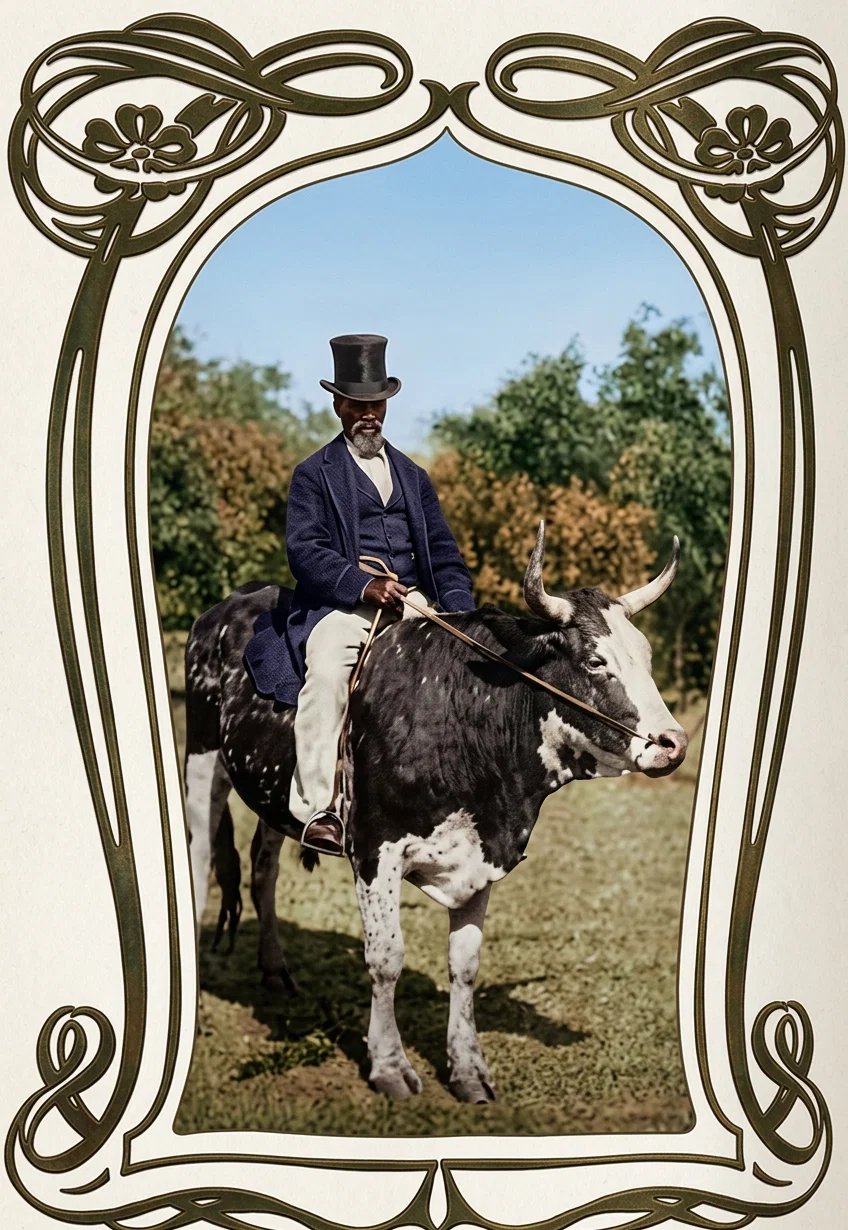
Prominent African Chief
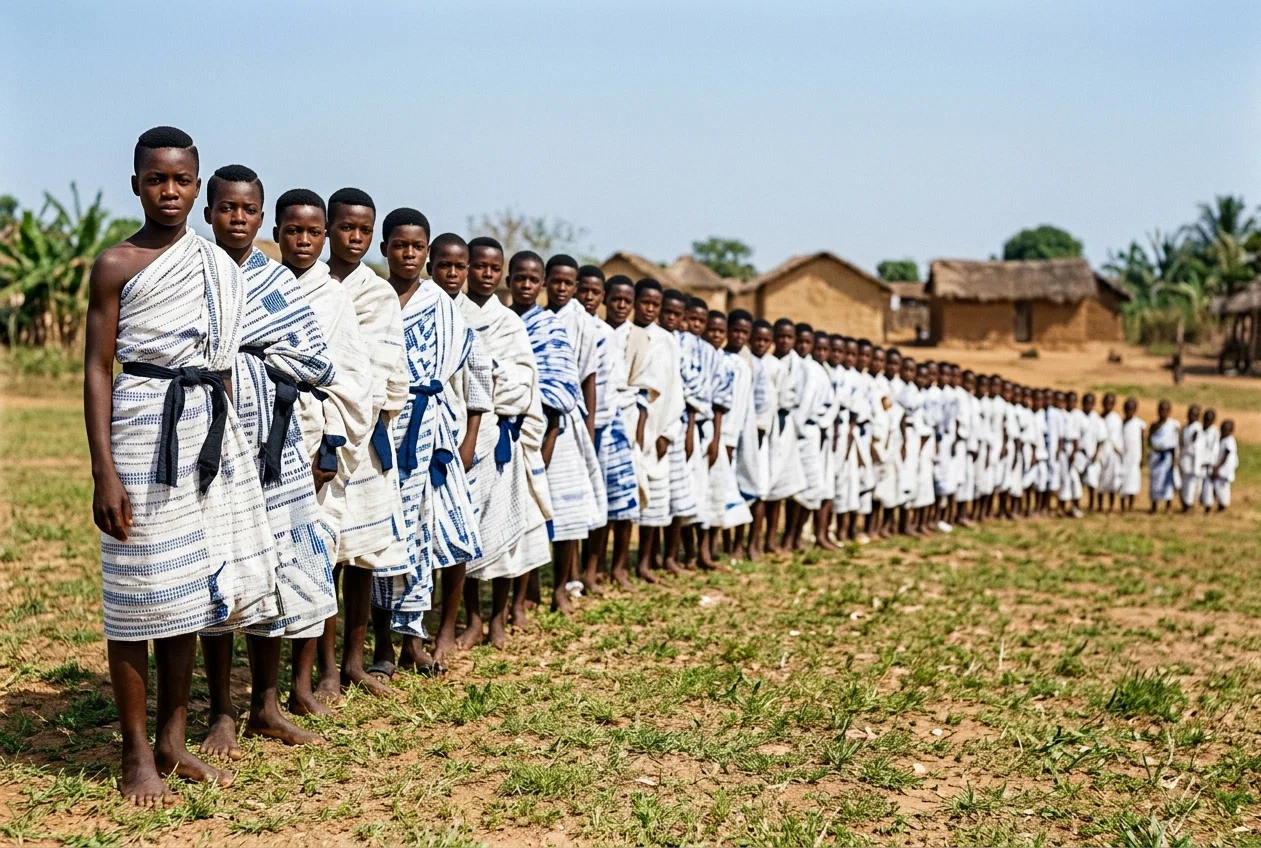
Row of Young Converts in Our Kafir Schools
“In a little while, the procession came in sight. It was composed of about fifty women marching two abreast and humming a peculiar song. As I watched them pass, my heart longed for the time when this earth shall be free from the power of Satan, when all shall be loyal subjects to the one true God.
“There are vast fields yet to be worked here in West Africa. Many more workers of deep consecration are needed to win souls to Christ.”
Abyssinians Asking the Way
By Emery J. Lorntz
BY EMERY J. LORNTZ
THE past year has been one of great blessing for the Abyssinian Mission. We had our second baptismal service last October. The Spirit of God is working upon hearts, and many are coming to ask and search for the true way. “Why didn’t you come before to preach us this gospel, and why are you so few?” we hear from so many. Among those hidden in darkness are many souls who are seeking for the pure gospel, and we need the prayers of our brethren and sisters as never before. “Ethiopia shall soon stretch out her hands unto God.” Ps. 68:31. In the year 1836, Thomas Wolff brought the gospel of the second coming of Christ to this country, and now again the same message is heard.
Amara.
Lights and Shadows of Mission Life
By W. C. Walston
BY W. C. WALSTON
HERE at the Solusi Mission we made our first attempt to work for the heathen of South Africa. We now have eleven outschools, which are from eight to eighty miles from the main station. These schools are well attended. In December, twenty-nine students were baptized. Another baptismal class of twenty-one was organized very soon after. The rapid advance of the work here, and the many blessings bestowed upon us, shine as lights in our experiences.
During 1911-12, this station was self-supporting; but two years of crop failure, one of severe drought, and another of floods, have brought a cloud over our bright prospects. Our expenses are increasing, as our school is growing larger all the time. New students are coming in every week. We now have over one hundred. The perplexing question confronting us now is, “Shall we go on with our work, or shall we curtail our expenses by turning away those who come to us for the gospel, and thus be obliged to refuse to do, in a measure, the very work we are here to do?”
We are of good courage. We know the work is the Lord’s and He will in some way render us help.
Near Bulawayo.
A Lion Surprised by a Bicycle
ONE of our missionaries in northern Rhodesia relates the following experience:
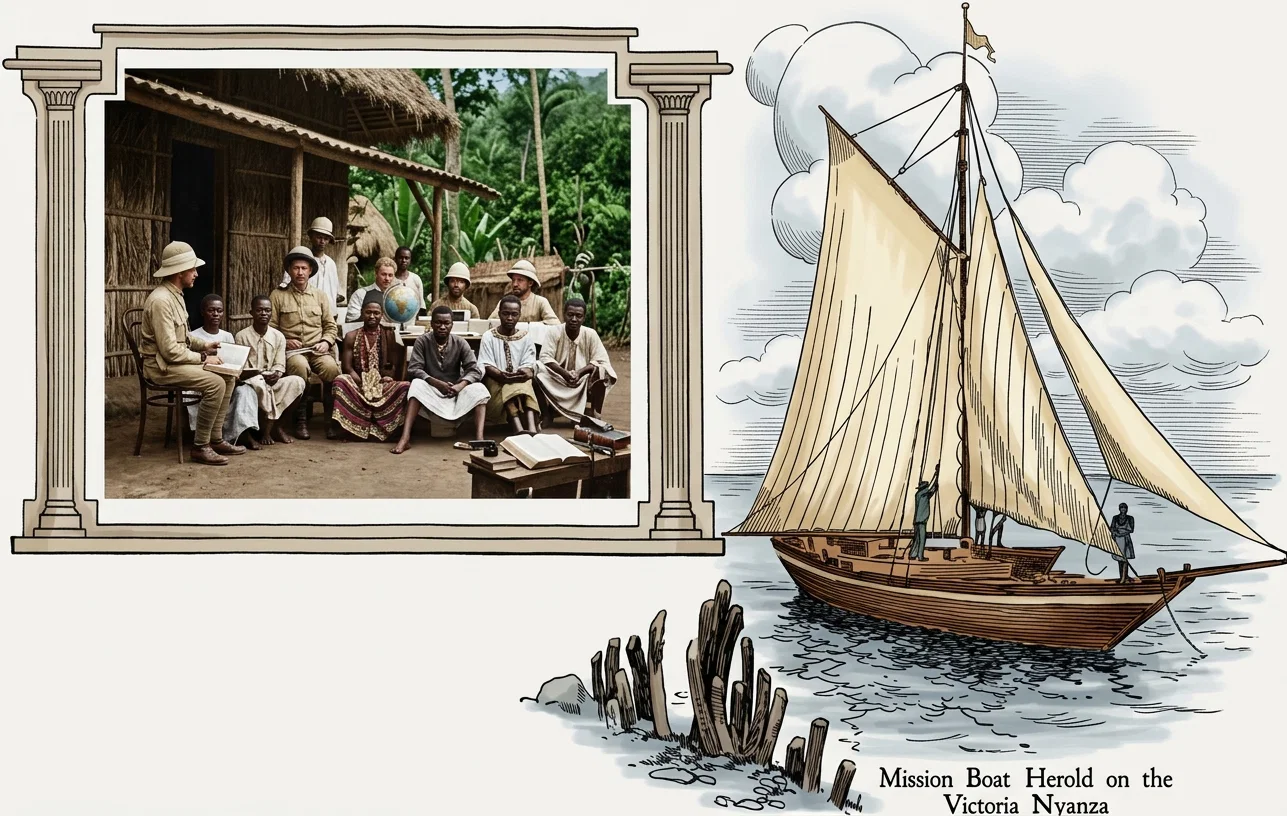
Mission Boat Herald on the Victoria Nyanza
“One night I was riding my cycle through the wilderness on a new road. All the carriers were far ahead, as we had expected to reach the camp before night. While going along a narrow path, I came suddenly on a lion in the jungle close to the wayside. I had not so much as a pocketknife, so was prepared to sell my life rather cheaply. However, I had a box of matches wrapped in a piece of newspaper, which I lighted and held up for his enlightenment. Seeing this, he went off across the road ahead of me, and for a time disappeared in the tall grass. I went on to a village half a mile farther on. But the lion did not leave us. After I reached the village, he came on after me, walking around the huts as near as he dared, muttering his disappointment for two or three hours. I had taken the wrong path, and found myself some ten miles from my tent, in a strange village. I slept in a native hut that night.”
Eager to Tell the Glad News
By Sam Konigmacher
BY SAM KONIGMACHER
HERE in Northwest Rhodesia there are openings all about us for work, and how we long to be able to step into these openings while peace still reigns in the land and there is opportunity to work! The boys in our school are eager to hear the gospel story; and when they have heard, they want their own people also to hear.
I was talking to some of the Batonga boys about the signs of the soon coming of our Saviour, and one boy said, “How will the people in the villages know?” How, indeed, except some one be sent to tell them?
One beautiful moonlight night, Mrs. Konigmacher and I went over to the boys’ houses to see the boys. We found one reclining in a steamer chair, some were hovering around a pot that was over a little fire, and some had spread their blankets and beds outside, as the mosquitoes were more numerous inside the huts. We stepped up to the largest boy, and asked him about that vast territory to the north along the Kongo border. All the boys became interested at once. They said that was near their home, and asked if we were going up there. When we told them that we expected to do so, they said: “Let us go! Let us go to-night, to preach the gospel to our people.”
Monze Siding.
A Dream and a Providence
By F. Burton Jewell
BY F. BURTON JEWELL
ABOUT three months before the mission was opened here at Tsungwesi, Joel Chirano had a dream in which he was shown that if he wanted to be saved, he must go to school and become a Christian. This matter weighed heavily upon him; and just about the time the workers were opening this mission, he and another young man started out in search of a mission school.
They first applied at a Catholic mission; but a certain tuition was asked of them, which they were unable to give. Leaving that place, they traveled westward about sixty miles. Their course brought them near our place; but they passed by, knowing nothing of the mission here. After going some distance,20Joel’s friend was stricken with a severe pain in his limbs, and they were obliged to stop. They were much disappointed at this, as another day’s walk would have brought them to the mission that had been recommended to them. Now they must go back, for Joel must take his friend home. The boys and girls here want to be at home when they are sick, the same as in other lands.
Tanganyika Mission Home
Securing the services of another young man, they started back. After they had come some distance this way, the pain suddenly disappeared, and the friend exclaimed: “Why, I am all right now! The pain is gone!” Joel was provoked at this, and said: “What do you mean? You have been deceiving me all the time.” But his friend affirmed that he had actually been suffering, and that now the pain had left as suddenly as it began.
They stopped for the night at a kraal near. Here they met a man who had just come from our mission. He told them all about the new mission here. Joel was much interested in all that was said, and especially what was told them with reference to the Sabbath. He decided to visit the mission at once, and was favorably impressed with all he saw. He soon returned to school, bringing his friend with him. These two young men, together with a small boy who had accompanied our workers from the Solusi Mission, were the first students to come to our school here at Tsungwesi.
Joel made rapid progress in his studies; and as the wonderful Bible truths were taught to him, he readily responded. He was baptized at the end of the first year. As he told us the story, he said, “O, how I do rejoice at the way the Lord has led me!” For nearly three years, Joel has been teaching in the school; and for nearly two years, he has been preaching. He has had several remarkable experiences, and we cannot but feel that God is working for him.
Tsungwesi, Rhodesia.
Iron Purpose and Unflinching Courage
By W. H. Anderson
BY W. H. ANDERSON
IN our field in northwestern Rhodesia, there are many disadvantages and obstacles that have to be surmounted. For instance, it costs over ten dollars a hundred to send goods along the Zambezi River, a distance of three hundred miles. One third of this great territory is infested with the tsetse fly; and in this area, not a horse, a mule, a donkey, an ox, a cow, a sheep, a goat, or a dog can live. In all this extensive territory, we have to travel on foot; and all food, bedding, and other conveniences have to be carried on the heads of the natives. They will carry a load of sixty pounds, and travel about fifteen miles a day. In the rest of the territory, freight is forwarded by an ox wagon, which travels about twelve miles a day. This mode of transportation is expensive.
Each of the tribes has its own customs and superstitions. These vary almost as much as the languages; yet the missionary must respect them, or lose his influence.
Because of the heavy rains in the wet season, much of the country becomes a vast swamp. Malaria, black-water, dysentery, typhoid, as well as such contagious diseases as measles, chicken pox, and smallpox, are very common. The average life of a white man here is seven years. One of our missionaries has had typhoid, smallpox, appendicitis, and black-water fever in the short space of two years. We are taking every precaution, by drainage and screening, to protect the lives of our workers. Still we must expect some sickness.
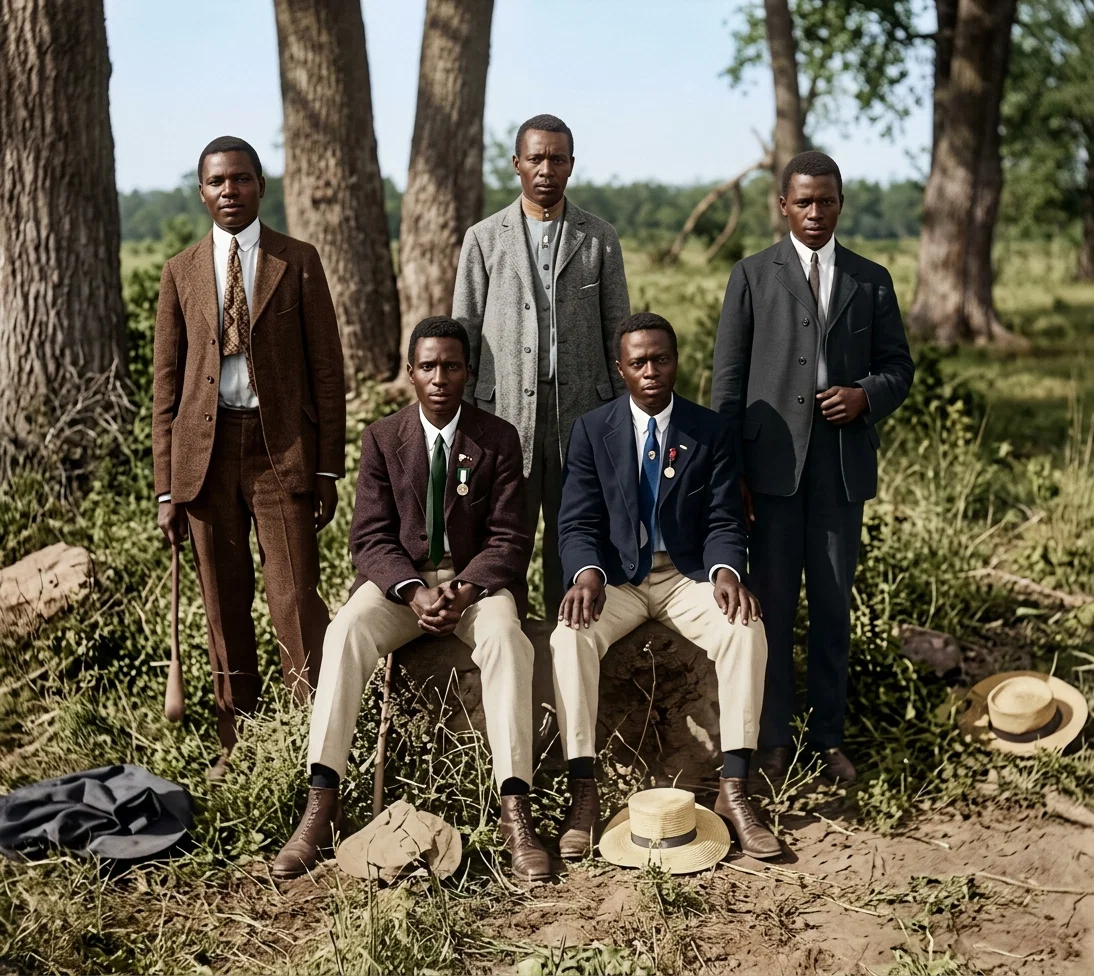
Native Teachers with Our Somabula Mission—Some of the Results of Christianity in the Heart
In spite of transportation expense, the babel of tongues, conflicting customs, fever and pestilence, we must press on with the gospel message. In this field, we need workers of iron constitutions, nerves of steel, faith that never fails, confidence in the speedy triumph of God's truth, and a willingness to spend and be spent for the harvest of souls in the coming kingdom.
On the Tanganyika Plateau
By Joel C. Rogers
BY JOEL C. ROGERS
We are very much pleased with the country up here. We find it very healthful, apparently. The elevation is good,—four to six thousand feet,—and almost free of mosquitoes on the plateau. Perennial springs furnish splendid water, which it is not usually necessary to boil. Of course you know this plateau is the source of the big rivers of Africa, the Nile and the Zambezi. Game is abundant.
Lions, leopards, and hyenas are our companions. I can understand pretty well now the text, “And was with the wild beasts.” Almost every night, we are wakened by their roaring about the bungalow, sometimes a quartet of lions and hyenas. Last night, a leopard left tracks in some fresh mud plaster on the veranda. But “none of these things move” us, I am happy to say.
We would like very much to go on into the Belgian Kongo, on the west of Lake Tanganyika, if we are not allowed to locate in the British territory soon. The natives about us, formerly very warlike, are intelligent, and probably unsurpassed physically.
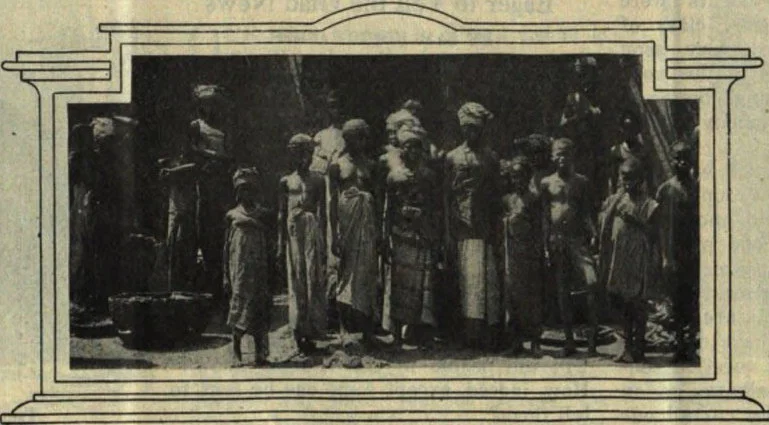
Girls Sold in the Market, Sierra Leone
Near Abercorn.
My First Glimpse of Native Life
By Ina Marchus Robison
BY MRS. INA MARCHUS ROBISON
After spending eleven happy months at our college at Cape Town, where we were busily engaged in teaching, we eagerly prepared for a vacation trip of nine hundred miles up country, to visit old schoolmates on the mission stations in Basutoland, and get our first glimpse of real Africa.
As the train wound slowly up through the mountains, how eagerly we watched for the first sight of the queer native huts, little children dressed in smiles and shining black birthday suits, the small mealie (corn) patches, and other signs of typical native life! Soon they began to appear—odd little villages, composed of small thatched mud houses, their smoke curling up from many a green hill.
We found the Basuto people very interesting. They differ from most heathen people in that they seem to have no religion or form of worship, except a few ceremonies connected with the burial of their dead. They are pleasant and sociable, of comparatively high moral standard, yet proud, stolid, and self-sufficient, often slow to accept the gospel; but once in their hearts, it usually takes deep and abiding root, producing marked changes in their lives.
Many of the women are adopting European dress. They have the idea that the number of skirts worn indicates the rank in society; hence we find the “élite” wearing as many as twelve or fifteen full gathered skirts at once, which stand out almost horizontally from the body.
Their huts, nearly void of furniture, are also usually without windows or air holes. On retiring at night, several persons in one hut, the door is closed, the blanket pulled over the head, and thus they sleep until morning. No wonder tuberculosis is a common disease here. Their chief article of diet is corn meal porridge.
Our hope lies in the education and training of young natives as teachers and gospel workers to labor for their own people. To do this, more men and means are needed. Dear friends, let us help by giving cheerfully and faithfully what we can.
Cape Town.
The New Well on the Hill
By D. C. Babcock
BY D. C. BABCOCK
DURING the dry season here in Nigeria, West Africa, water becomes very scarce. At times we did not know what to do at our new mission station. At last we decided to dig a well up on a hill by the mission. When we commenced, the natives came up, shook their heads, and expressed great surprise at such an undertaking. Before digging twenty-five feet, we found good water. Crowds came each day to see the great wonder. The water is cold, and we truly appreciate it.
Lalapou.
Women Helping Women in Darkened Lands
By R. C. Wangerin
Students at Hankau
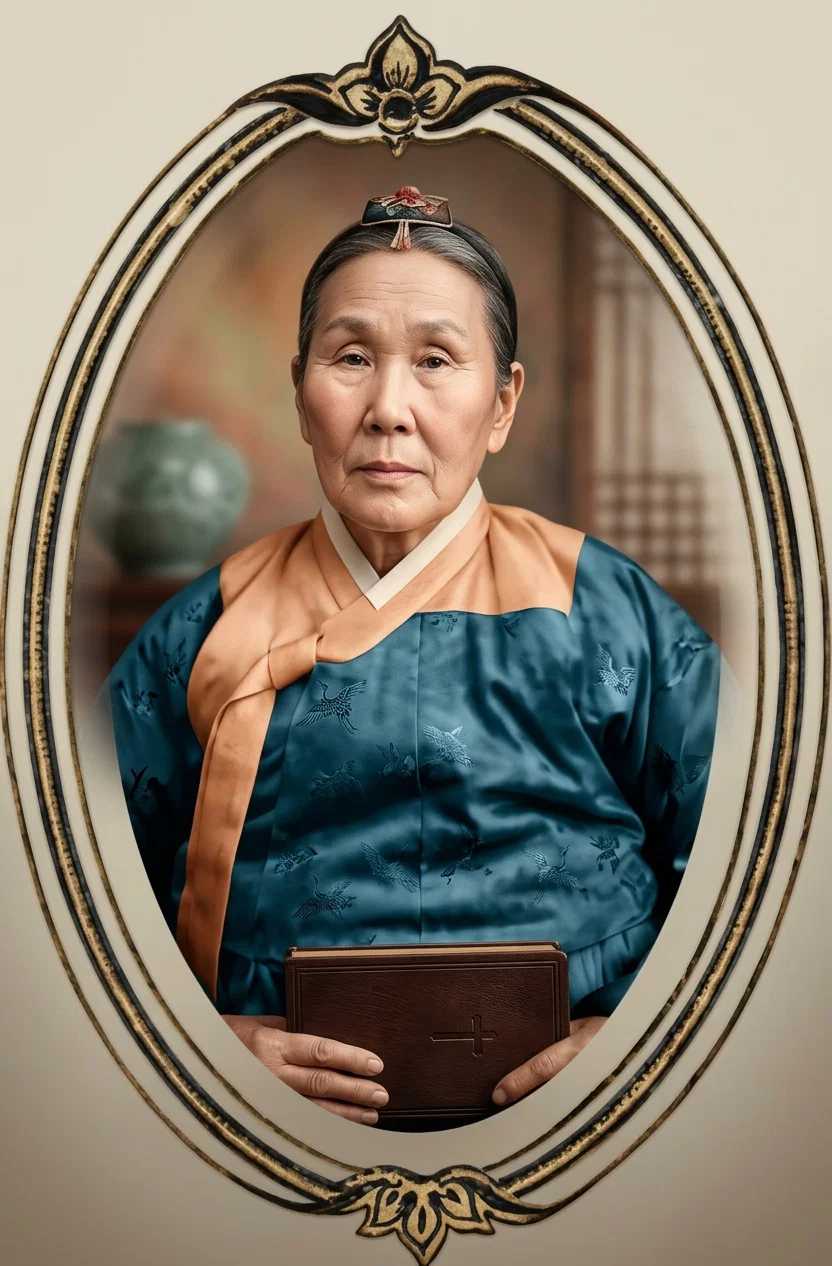
Grandma Sung
Sewing Class at Santali Girls' School, India
Refused Devil Worship
BY MRS. R. C. WANGERIN
WE have here in Korea two old women who are very faithful. Although over sixty years of age, they walk to services a long and lonely way, for they are the only believers in the villages where they live. One of them lives three miles to the east, and the other five miles to the north of here. They both have great persecution in their families and from their village people, yet they are not discouraged. One of them was forced to leave her home because she refused to take part in the devil worship in the home of her son. The village people would not take her in, as she was a Christian. Still she is faithful, and is always in her place on Sabbath.
Keizan, Korea.
In His Steps
By Miss V. Chilton
BY MISS V. CHILTON
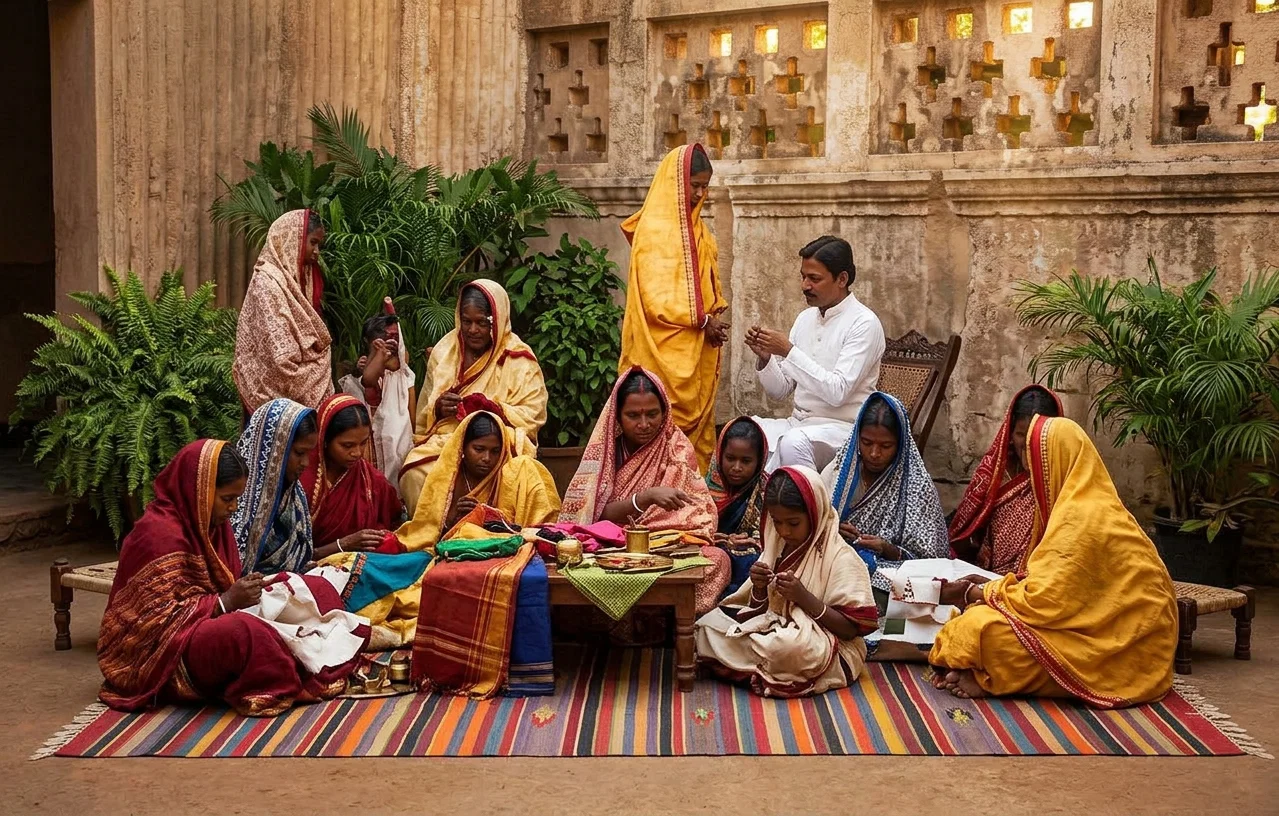
THE Nawab sahib's wife was sitting sewing—strong, useful clothes they were, but certainly not the kind she was accustomed to wear.
Some time after, I went to visit her, and give her her usual lesson. After we had finished, I noticed what appeared to be a child of about twelve sitting at our feet. Her hands and feet attracted my attention, the fingers and the toes being as diminutive as those of a very small child.
My pupil followed my gaze, and removed the veil from the girl's head, revealing, to my surprise, the face of a woman about forty years of age, instead of the supposed child of twelve. “Yes,” she said, “she is about forty, and so ugly and deformed that no one cares for her. She is an outcast.” Calling a servant, she gave her an order; and soon the servant returned, bringing a complete outfit of nice, strong clothes. A joyous smile lighted up the face of the poor outcast.
“See,” continued my pupil, “I have been making some clothes for her. Every one laughs at me for making clothes for such an ugly, misshapen creature; but”—and her voice grew tender—“you have so often told me how Jesus loved the poor and dreary outcast, and I know if He were here now, He would help her; so I want to follow in His steps and help her too.”
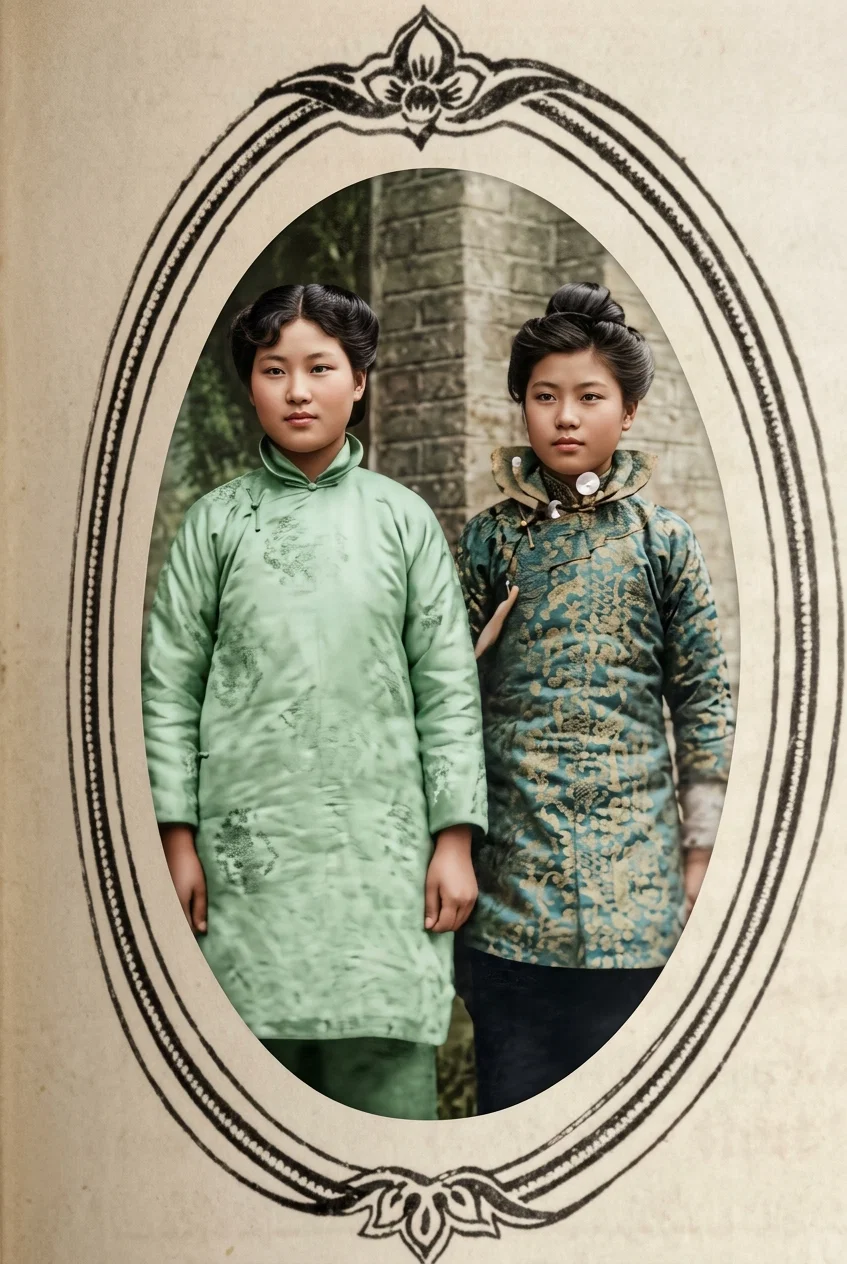
Women Converts at Nanziang, China
“The people that walked in darkness have seen a great light: they that dwell in the land of the shadow of death, upon them hath the light shined.”
Lucknow.
“Sisters in Christ Jesus” Attending Honan Meeting
A Persecutor Won
By Mrs. B. Miller
BY MRS. B. MILLER
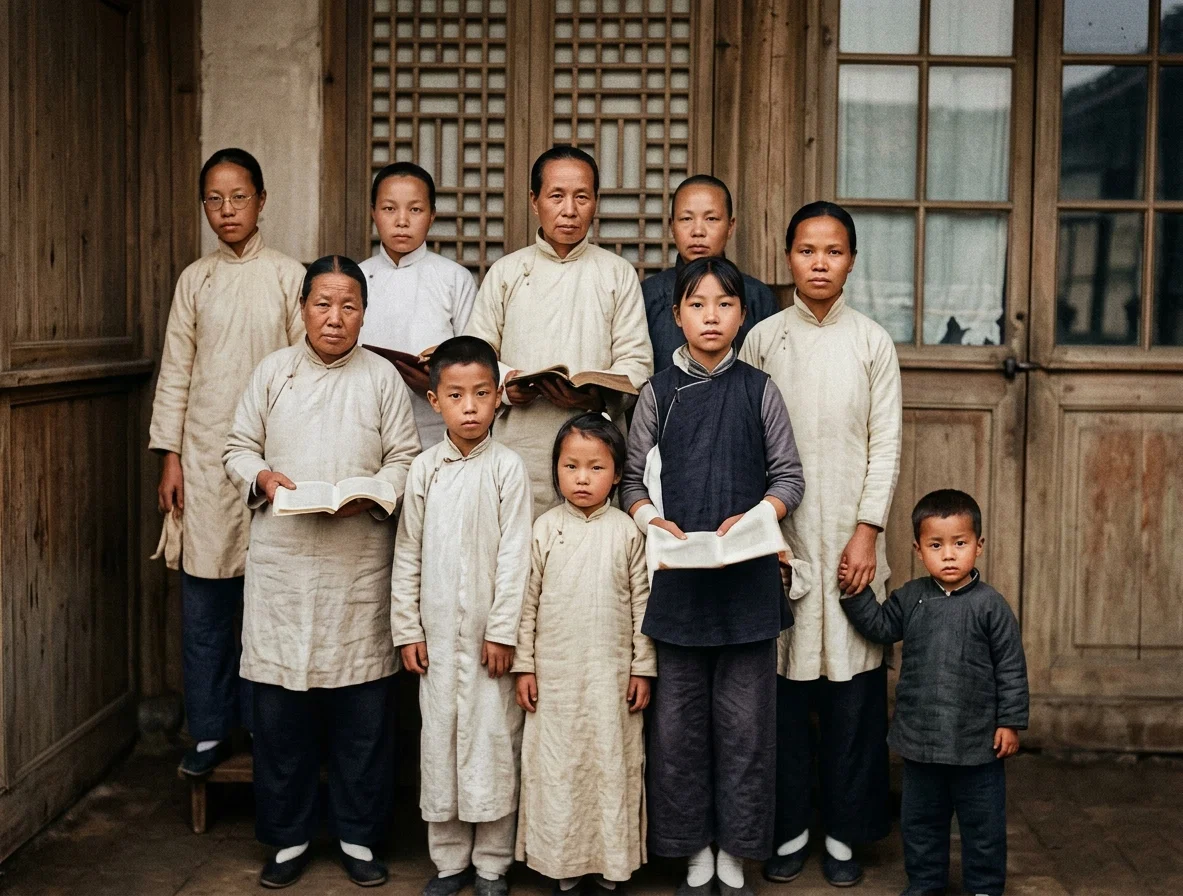
THE accompanying photograph is of Sung Ta Ta. She is an old woman past eighty-four years. About three years ago, she came in touch with our work in Shanghai through her daughter-in-law.
The daughter-in-law attended our meetings at the street chapel, and I gave her a number of Bible studies. She became very much interested, and began observing the Sabbath. Sung Ta Ta strenuously objected. She said it was all right for her to be a Christian, but to observe the Sabbath was out of the question. She went so far in her opposition as to throw her daughter-in-law's food to her on the floor or out the window.
But the young woman's faithfulness in observing Bible truth, and the wonderful change that took place in her life, caused the old woman to take notice. She began studying the Bible herself, and finally joined her daughter-in-law in obeying the Word.
She is now one of our most faithful workers. At her age, her mind is very bright, and she visits the sick, tells them of the love of Jesus, and does a great deal toward maintaining the spiritual interests in the local church. She was about eighty-two when baptized. She had been ill for some time, expecting to die. She said that she wanted to be baptized before going to sleep. At her baptism, she made up her mind that the Lord could heal her, and claimed His healing power. Since that time, she has been in good health, and hopes to live to see the Lord come.
Shanghai.
Had Not Heard the Name
By Mrs. O. A. Hall
BY MRS. O. A. HALL
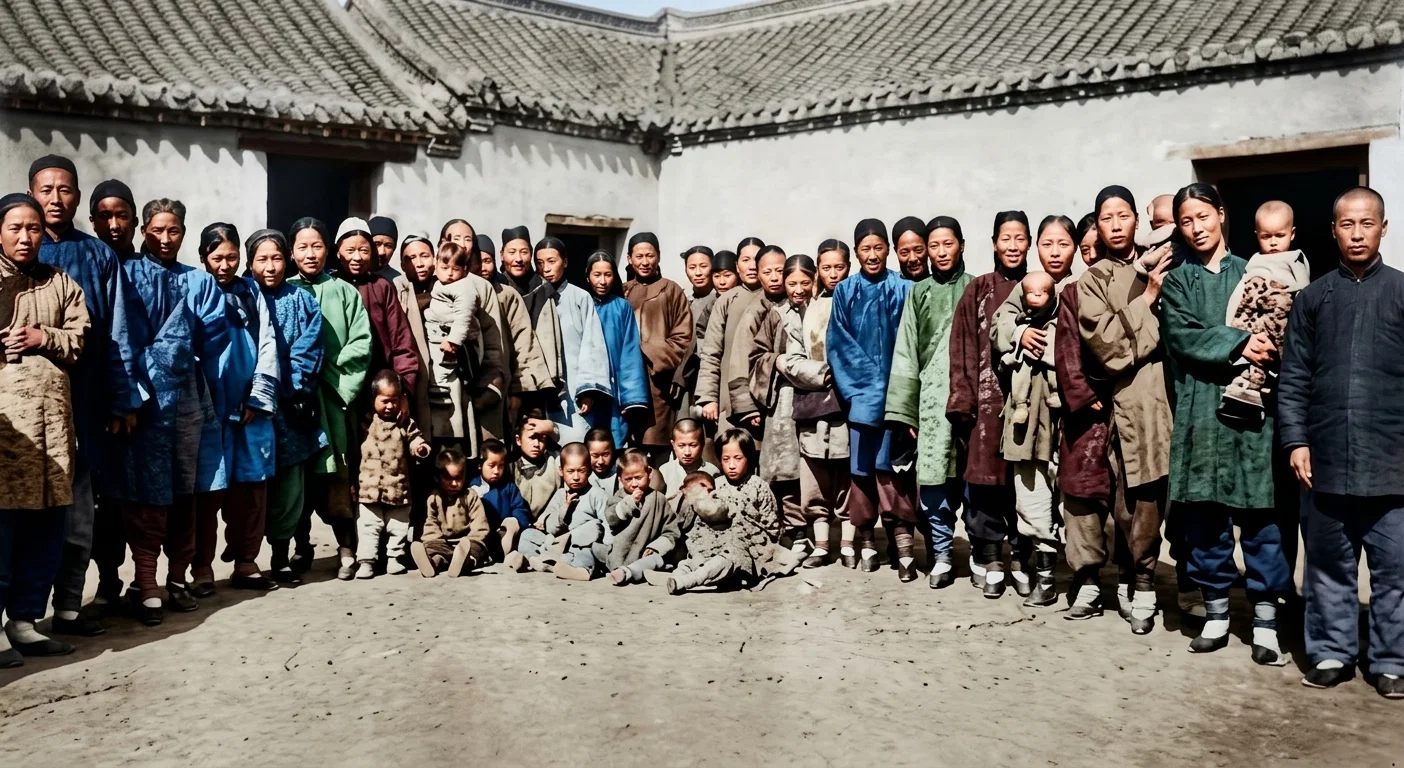
THE women's meetings recently held in our chapel in Nanking, China, were well attended. Some who came had previously known something of the gospel, but others knew not even the name of God and His dear Son, Jesus. The story of creation was told one day; and at the mention of the name “Shang Di,” meaning God, one woman, with a puzzled look on her face, repeated the name over and over. As I explained to her who God is, and told her of His love and care, her face brightened. The thought was impressed anew upon my mind that we whose lot has been cast in Christian lands, where there is, comparatively speaking, not a tongue but has been taught to lisp the blessed name, can little realize the darkness that enshrouds the many millions of people in these heathen lands.
Nanking.
Sharing the Value of Religion
“THE value of a man's religion may be estimated by his desire to give it to others.”