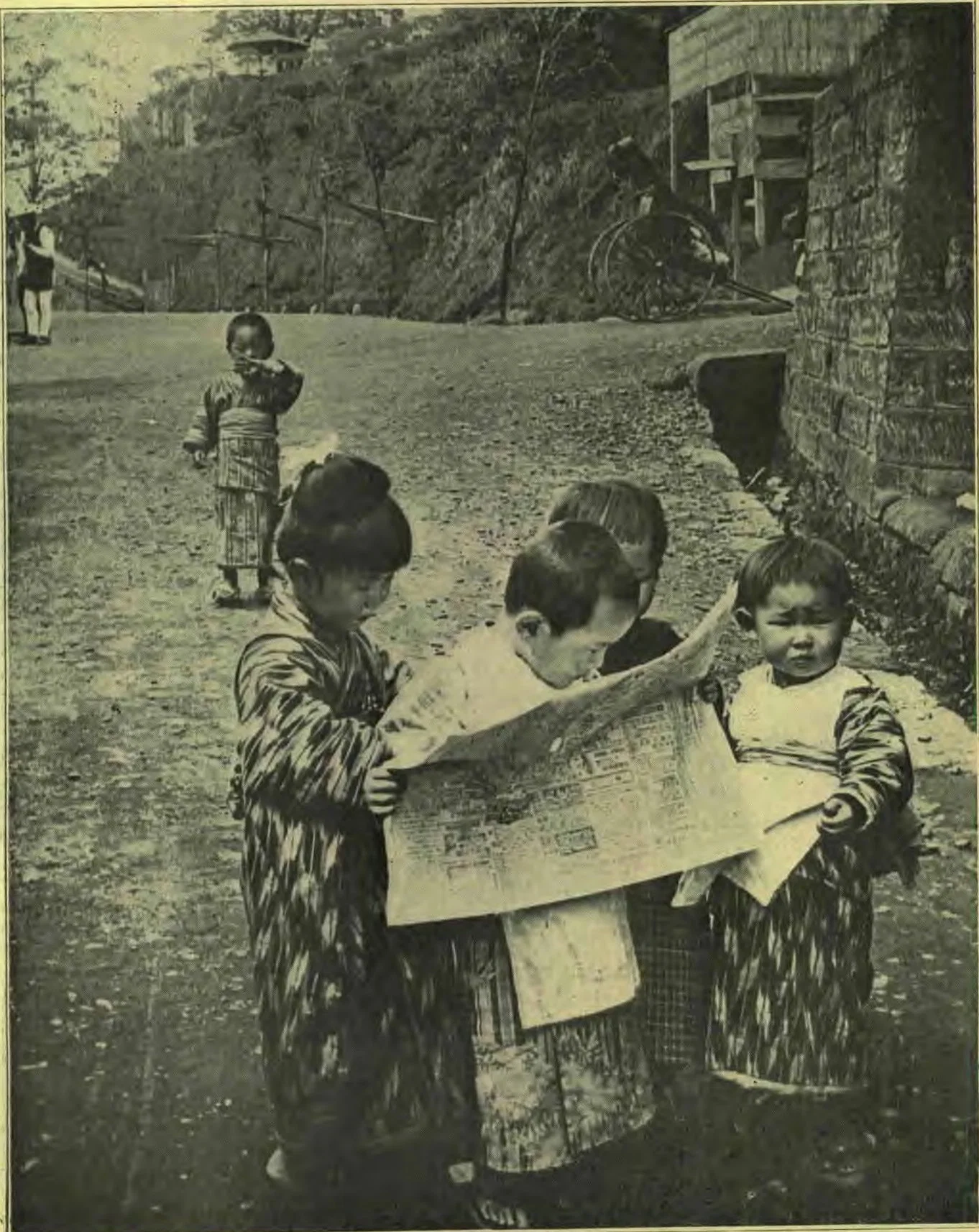
IN the goldroom of a printing house where the delicate yellow sheets are being manipulated, a breath is enough to set the leaves aflutter. No less delicate is the soul of a child.
Only as one discloses some such early experience as is quoted below do we begin to appreciate the sensitiveness of the child. We then see why the Saviour pronounced a woe upon him who should offend one of these little ones.
“‘Many years ago, when I was a small boy,’ a gentleman said recently, ‘a Mr. Gorton was pastor of our church—a godly and gifted man, for whom I grew to have an admiration that almost amounted to idolatry. I listened to his earnest sermons with rapt attention, and they were sermons that an intelligent boy could understand and enjoy. My father was an elder in the church, and Mr. Gorton often called at our house. His smile and his brisk, cheery greeting were things to look forward to and to think of pleasantly afterward. I remember thinking that one of his prayers, when he knelt with the family at the close of his call, must be worth at least a hundred of those which father offered every night and morning. Not that I discredited father’s goodness and sincerity, but Mr. Gorton seemed to be something above a common man, more like Moses and Paul and the other holy personages we read of in the Bible.
“‘If it had become customary to receive children into the church, I should have joined before I was ten years old, for I had implicit faith in a religion that could make a man like Mr. Gorton. As a matter of fact, however, I did not become a church member until I was well past thirty, and, strangely enough, Mr. Gorton was indirectly responsible for the delay.
“‘One crisp, starlit winter night I went to the back door of the parsonage with a basket of dishes. There was to be a donation party the next evening, and father had sent me from the horse sheds with the basket while he did some errands at the store. As the girl took the dishes at the door, I heard Mr. Gorton’s voice raised in high, angry tones, and I turned away quickly, forgetting the message that was to go with the basket. If Mr. Gorton used any unseemly language, I did not hear it, but the mere fact that he was angry, like ordinary men, shocked me. I ran all the way to the sheds with the unreasoning fear that the minister might follow me to ask about the dishes, and thus be shamed and humiliated by knowing that I had overheard his burst of ill temper. It was weeks before I could look Mr. Gorton in the face, and I think I never again heard him preach or pray without seeming to hear those high-pitched tones of anger.
“‘Of course in my boyish idealism I expected too much. The best and godliest of men have their faults; but the impressions made upon my mind by that incident have never been effaced. It has made me more careful not to say or do anything that might seem to others inconsistent with a Christian profession. If the New Testament means what it says, we make a high claim for ourselves when we stand before the world as loyal disciples of Jesus Christ. We sometimes resent criticism, but do our critics really demand any more of us than our loyalty to Christ demands? And is there not a grave danger of wounding the idealism of some one who takes the teaching of the gospel at its face value?’”
More than a score of years of Christian joy and service were lost to this boy because of Mr. Gorton’s anger. Surely this incident alone shows that it is imperative that parents, ministers, and teachers walk softly lest they offend the child; but it is equally imperative that older brothers and sisters should remember the far-reaching effect one wrong or inconsiderate act of theirs may have upon their younger brothers and sisters.
F. D. C.
We Are Fed
By Ada Melville Shaw
O LITTLE brown bird on the city street
Where the ways of a hundred nations meet,
Where the chink and weight of the hoarded gold
Turn the blood of many a true heart cold,—
Are you fed?
Where the passions clamor; where clash and din
Speak the iron purpose of wills to win;
Where success is the far, elusive end;
Where the many save that the few may spend,—
Are you fed?
“A foot-worn hollow, a shower of rain;
A van o’erloaded, a plenty of grain;
A roof’s high shelter; a little brown mate;
However the passers may strive or hate,—
We are fed!”
No man provided; the self-seeking street
Forgot the wee bird that chirped at its feet;
The world hurries by; but One keeps care
For you and me and the birds of the air,—
We are fed!
— Ada Melville Shaw, in the Sunday School Times.
Discarding the Old System for a Better One
ACCORDING to the World Trade Club our system of weights and measures is of German origin; and strange to say it was discarded by Germany in 1871, while it is still used by Great Britain and the United States of America.
In one hundred fifty-two other nations, really the rest of the world, it has been superseded by the metric system, a system that is simple, scientific, and efficient.
There is now a strong effort being made to have the old system give place in Britain and the United States to the metric.
Another curious anomaly is the fact that the metric system in reality was devised by a British inventor, who greatly felt the need of such a system in his scientific work.
Besides the commercial advantage to be derived from the adoption of the decimal system of weights and measures, instead of our present cumbersome one, the master mathematician of the University of California says that two years less time would be required to teach a child arithmetic.
It is not “persnickety,” but it is pernickety.
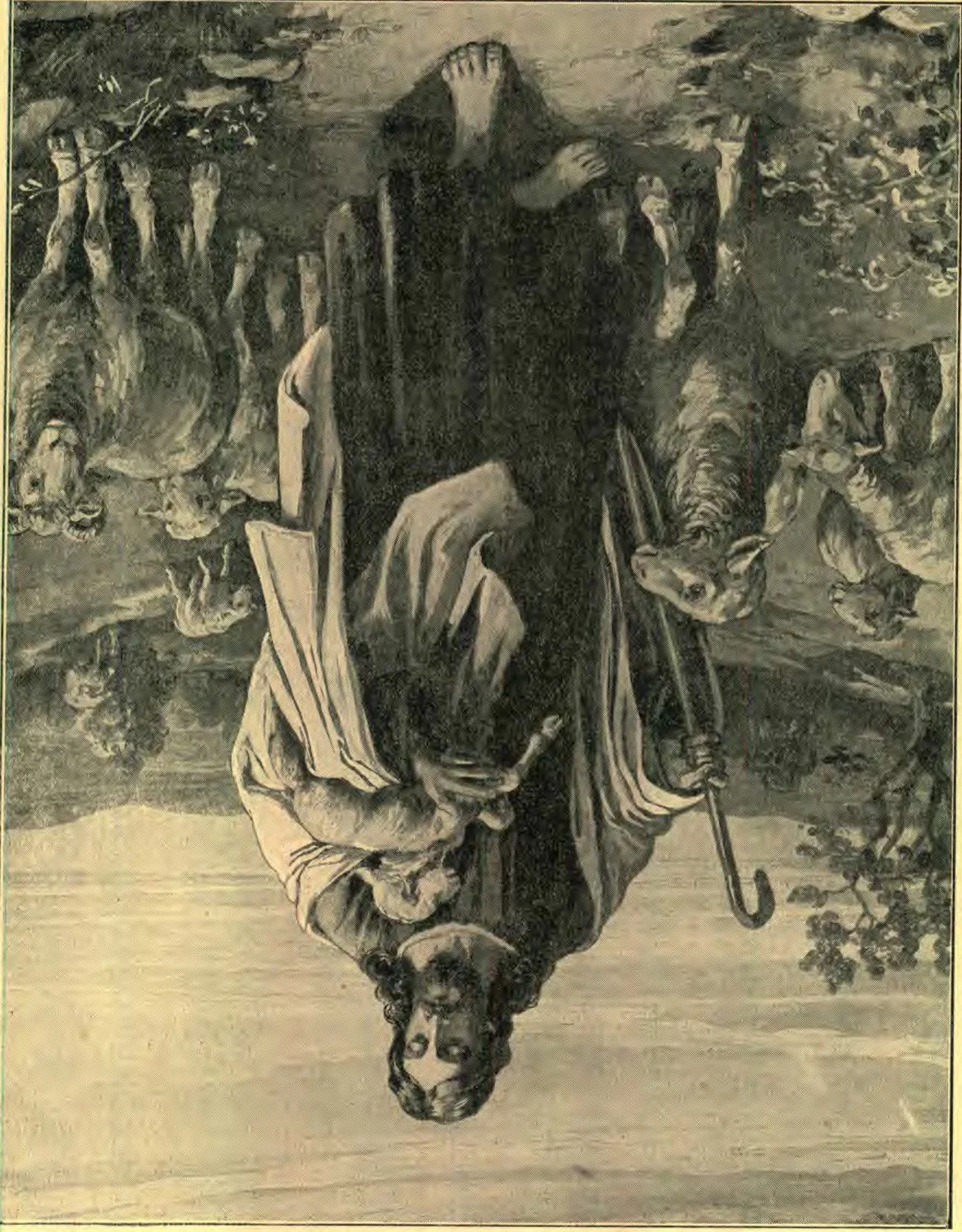
“The Son of man is come to seek and to save that which was lost.” Luke 19:10.