Review and Herald, Vol. 82, No. 2.
Publishers' PageReview and Herald
Review and Herald Publishing Association · Washington, D.C. · Jan 12, 1905
Publishers' Page

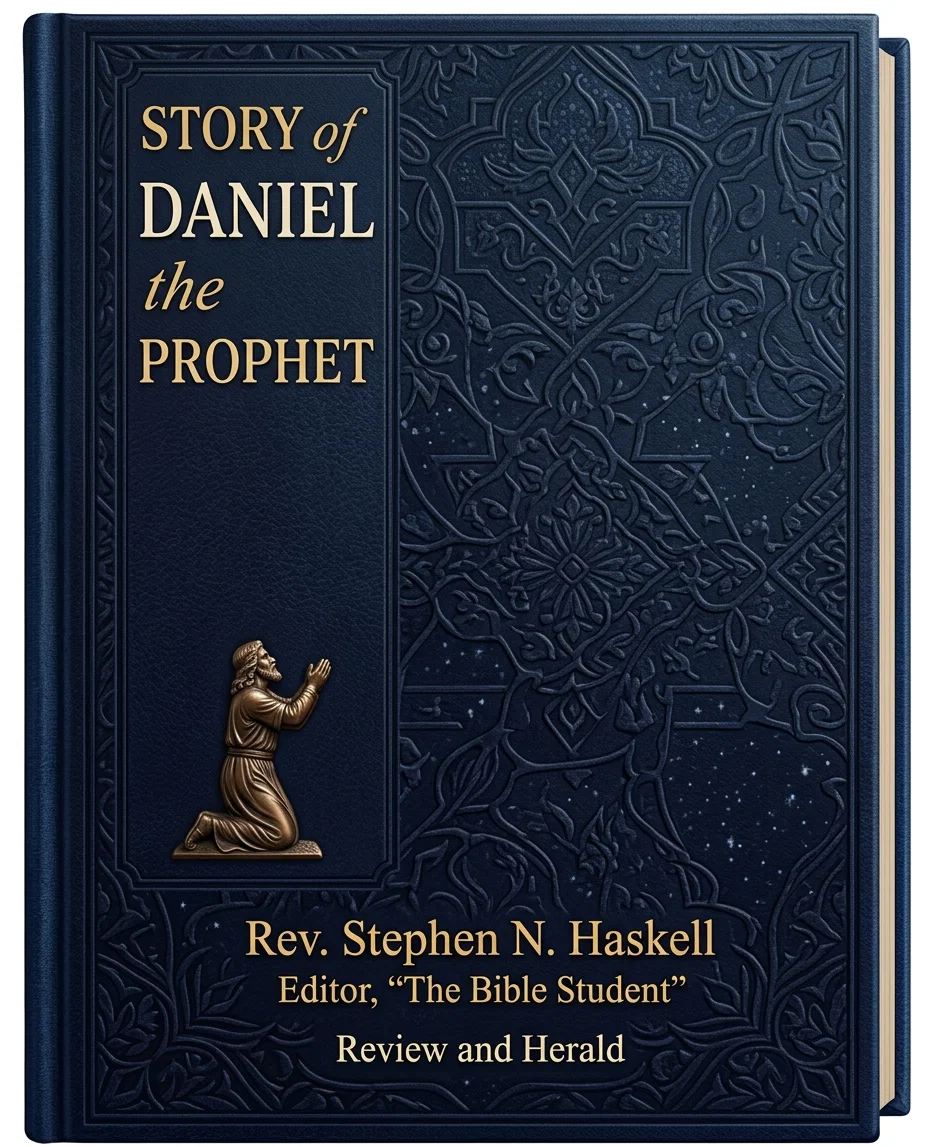
The Story of Daniel the Prophet
Good Stenographers Wanted
First Quarter Sabbath-School Lessons for 1905
Our Paradise Home
Order of Review & Herald
Editorial
A Saving Message
Our Time and Its Meaning
In 1844 there was connected with the proclamation of the “midnight cry” just such a message as that of the second angel of Revelation 14. By it was set forth the fact that those who were taking the mere opinions of men in place of the plain statements of God’s Word, were following, thus far, in the steps of the mother church of Rome, and were in danger of placing themselves where the day of the Lord would finally overtake them “as a thief in the night.” The nominal churches were told that in thus setting aside the word of the Lord to establish their own opinions and creeds, they were like the papal church in taking “the Bible as explained by tradition,”—by the customs, sayings, and practices of the fathers, popes, and cardinals,—which was a direct departure from the Protestant’s rule of taking “the Bible and the Bible alone as the standard of faith.”
It was not until “divers were hardened” and “spake evil of that way” [the Lord’s coming] before the multitude, that our brethren were moved to come out and separate from the churches. They could not endure this “evil speaking” of the “evil servants.” And the churches that could pursue the course of oppression and “evil speaking” toward those who were looking for the “blessed hope,” were to them none other than the daughters of the mystic Babylon. They so proclaimed them, and came into the liberty of the gospel.
Liberty to think and teach in the terms of the New Theology, and to interpret the Bible in the terms of the new criticism, is no longer denied in the Protestant churches.