KEEP THESE STATISTICS FOR FUTURE REFERENCE. THEY ARE ACCURATE.
The following table of earthquakes is gathered from the reports of the British Association for the Advancement of Science. The list is of what are denominated “destructive earthquakes” only. As stated by the late Mr. John Milne, compiler of the statistics from which the subjoined table is made up:
“Small earthquakes have been excluded, while the number of large earthquakes, both for ancient and modern times, has been extended. As an illustration of exclusion, I may mention that between 1800 and 1808, which are years taken at random, I find in Mallet’s catalogue 407 entries. Only 37 of these, which were accompanied by structural damage, have been retained.”
Mr. Milne also states that recent researches “indicate that thirty thousand earthquakes may occur annually.” He furthermore states that at the present time, there is an average of about sixty “world-shaking earthquakes” a year.
Duplications have been avoided. Where, for instance, in the eighteenth century, four quakes are listed in Germany, those mentioned under the names of parts of the country, Bavaria, Prussia, Saxony, Silesia, and Swabia, are in addition to these, and do not include them. It has been the aim to give, in each case, the central area of the earthquake, whether country or province, although the shock may have been felt, and even have produced damage, in other places.
The facts for the nineteenth century are so striking that it is thought best to give first that century as a whole, and then, in addition, to give it in ten-year periods. Thus the century may be studied in sections as well as in its entirety.
FIRST CENTURY, 15
Asia Minor — 2; China — 2; Cyprus — 1; Italy — 10.
SECOND CENTURY, 11
Asia Minor — 2; China — 6; England — 1; Italy — 2.
THIRD CENTURY, 18
Asia Minor — 1; China — 6; England — 3; Italy — 7; Wales — 1.
FOURTH CENTURY, 14
Armenia — 1; Asia Minor — 1; China — 2; Italy — 9; Scotland — 1.
FIFTH CENTURY, 15
Asia Minor — 3; China — 3; England — 2; Italy — 3; Japan — 1; Palestine — 1; Turkey — 2.
SIXTH CENTURY, 13
Asia Minor — 1; China — 2; England — 1; France — 1; Hungary — 1; Italy — 4; Japan — 1; Turkey — 1; Known world — 1.
SEVENTH CENTURY, 17
Asia Minor — 1; China — 5; Italy — 4; Japan — 6; Scotland — 1.
EIGHTH CENTURY, 35
Asia Minor — 2; China — 10; Egypt — 2; Italy — 7; Japan — 10; Palestine — 2; Russia — 1; Turkey — 1.
NINTH CENTURY, 59
Asia Minor — 2; Caucasia — 2; China — 8; England — 1; Germany — 1; Greece — 1; Italy — 7; Japan — 31; Persia — 1; Russia — 3; Scotland — 1; Switzerland — 1.
TENTH CENTURY, 32
Asia Minor — 2; China — 7; England — 1; Germany and France — 1; Greece — 1; Italy — 6; Japan — 13; Known world — 1.
ELEVENTH CENTURY, 53
Asia Minor — 3; China — 14; England — 1; France — 1; Iceland — 1; Italy — 9; Japan — 12; Mesopotamia — 1; Persia — 3; Scotland — 1; Syria and Palestine — 4; Turkey in Europe — 3.
TWELFTH CENTURY, 84
Arabia — 1; Asia Minor — 9; Austria Hungary — 1; Bohemia — 1; Caucasia — 1; China — 9; England — 8; Europe, especially England — 1; France — 1; Germany and Poland — 1; Iceland — 4; Italy — 15; Japan — 23; Mesopotamia — 1; Persia — 1; Russia — 1; Sumatra and Java — 1; Syria — 4; Tibet — 1.
THIRTEENTH CENTURY, 115
Asia Minor — 6; Austria — 3; Caucasia — 1; Central Asia — 1; China — 6; Crete — 1; Egypt — 1; England — 4; France — 2; Iceland — 5; Italy — 38; Japan — 45; Roumania — 1; Russia — 1.
FOURTEENTH CENTURY, 137
Asia Minor — 4; Caucasia — 1; China — 30; Egypt and East Mediterranean — 1; England — 3; Germany — 2; Iceland — 6; Italy — 37; Japan — 44; Malta — 1; Norway and Southern Iceland — 1; Portugal — 1; Spain — 2; Switzerland — 2; Turkey in Europe — 2.
FIFTEENTH CENTURY, 174
Asia Minor — 2; Austria — 2; China — 27; England — 1; France — 1; Greece — 2; Italy — 60; Japan — 69; Mexico — 4; Spain — 4; Switzerland — 1; Syria — 1.
SIXTEENTH CENTURY, 258
Afghanistan — 2; Argentina — 1; Asia Minor — 2; Azores — 1; Baden or Transylvania — 1; Bavaria — 2; Chile — 7; China — 61; Ecuador — 2; England — 3; Europe, Central — 1; France — 2; Greece — 13; Guatemala — 1; Iceland — 9; Italy — 64; Japan — 43; Mexico — 10; Palestine — 1; Persia — 1; Peru — 6; Philippines — 3; Portugal — 3; Russia — 1; Saxony — 1; Switzerland — 3; Tirol and Germany — 1; Turkey — 3; Venezuela — 1; West Indies — 2.
SEVENTEENTH CENTURY, 378
Arabia — 1; Argentina — 2; Asia Minor — 4; Assyria — 1; Austria — 6; Azores — 1; Bolivia — 1; Canada — 1; Caucasia — 10; Chile — 13; China — 73; Colombia — 2; Crete — 2; Ecuador — 2; England — 5; Europe, general — 1; Formosa — 5; France — 3; Germany — 3; Greece — 6; Iceland — 10; India — 6; Italy — 75; Japan — 64; Malta — 3; Mexico — 14; New England — 3; Persia — 7; Peru — 11; Philippines — 19; Siberia — 1; Spain — 2; Switzerland — 7; Syria — 1; Turkey — 1; Venezuela — 1; West Indies — 13.
EIGHTEENTH CENTURY, 640
Africa, North — 2; Alaska — 1; Aleutian Islands — 1; Algeria — 4; Alps, The — 1; Argentina — 1; Asia Minor — 13; Austria — 12; Azores — 4; Bavaria — 1; Belgium — 1; Bering Islands — 1; Bolivia — 1; California — 1; Canada — 2; Caucasia — 1; Central America — 2; Central Asia — 2; Chile — 16; China — 71; Colombia — 7; Connecticut — 1; Corsica — 1; Costa Rica — 1; Crete — 1; Cyprus — 1; Ecuador — 5; England — 10; Formosa — 14; France — 23; Germany — 4; Grecian Archipelago — 1; Greece — 18; Guatemala — 6; Guernsey — 1; Hungary — 12.
Ireland — 15; Iceland — 15; India — 4; Italy — 157; Japan — 37; Java — 1; Lapland, Russian — 2; Majorean, Island of — 1; Malta — 5; Mexico — 27; Moluccas — 1; Morocco — 4; New England — 4; New Zealand — 4; Nicaragua — 5; Persia — 14; Peru — 14; Philippines — 15; Portugal — 11; Prussia — 1; Roumania — 1; Russia — 3; Salvador — 3; Saxony — 1; Scotland — 2; Serbia — 3; Siberia — 14; Silesia, Upper — 1; Spain — 9; Swabia — 1; Sweden — 2; Switzerland — 12; Timor — 1; Transylvania — 3; Turkey in Asia — 2; Turkey in Europe — 8; Venezuela — 4; West Indies — 21.
### NINETEENTH CENTURY, 2,119
Abyssinia — 2; Afghanistan — 2; Alaska — 13; Albania — 1; Aleutian Island — 1; Algiers — 33; Argentina — 15; Arizona — 1; Arizona and Mexico — 1; Armenia — 22; Asia, Central — 2; Asia Minor — 84; Atlantic Ocean, middle north — 1; Australia, South — 1; Austria — 71; Austria and Italy — 1; Azores — 9; Baluchistan — 4; Batavia — 1; Bering Sea — 3; Bohemia — 1; Bolivia — 9; Bosnia — 1; Bosnia and Albania — 1; Burma — 1; California — 33; California and Nevada — 1; Canada — 9; Canary Islands — 2; Cape of Good Hope — 1; Caucasia — 44; Celebes — 15; Celebes, Moluccas, and others — 1; Central America — 8; Central Asia — 1; Ceylon — 1; Chile — 54; China — 96; Colombia — 1; Colombia and Venezuela — 1; Costa Rica — 2; Crete — 2; Cyprus — 1; Denmark — 1; East Indies — 4; Ecuador — 9; Egypt — 4; England — 6; Eversura — 1; Formosa — 25; France — 46; Germany — 27; Gold Coast — 4; Greece — 59; Greece, Italy, Egypt, islands of Mediterranean — 1; Grecian Archipelago — 1; Guatemala — 21; Hawaiian Islands — 7; Holland — 1; Honduras — 5; Hudson River District — 1; Hungary — 41; Iceland — 22; Illinois — 2; India — 60; Indiana — 2; Italy — 289; Italy and France — 1; Japan — 54; Java — 63; Kampucheon — 1; Kansas — 2; Ladrone Islands — 4; Loochoo — 2; Lueques — 1; Malakka — 2; Malta — 6; Malta and other Mediterranean islands — 1; Massachusetts — 1; Mauritius — 1; Mexico — 85; Mississippi Valley — 1; Moluccas — 25; Montana — 1; Morocco — 3; New Caledonia — 1; New England and Canada — 2; New Guinea — 2; New Hebrides — 4; New York State — 1; New Zealand — 20; Nicaragua — 5; North Africa — 1; Norway — 6; Nova Scotia — 1; Nubia — 1; Ohio, Indiana, and Illinois — 1; Ontario — 1; Oregon — 2; Panama — 3; Persia — 22; Persian Gulf — 2; Peru — 45; Peru and Chile — 1; Philippines — 147; Poland — 1; Portugal — 6; Prussia — 1; Roumania — 6.
NINETEENTH CENTURY, FIRST DECADE, 80
Aleutian Islands — 1; Algiers — 2; Austria — 4; Azores — 1; California — 2; Canary Islands — 1; Caucasia — 2; Chile — 1; China — 8; Colombia — 1; Ecuador — 1; Formosa — 3; France — 3; Germany — 1; Greece — 4; Hungary — 2; India — 3; Italy — 19; Japan — 5; Mexico — 3; Peru — 1; Poland — 1; Russia — 2; Salvador — 1; Siberia — 1; Spain — 4; Sweden — 1; Turkey in Europe — 1; Venezuela — 1.
NINETEENTH CENTURY, SECOND DECADE, 87
Alaska — 1; Austria — 2; California — 6; Caucasia — 1; Chile — 2; China — 13; Formosa — 3; France — 4; Germany — 2; Greece — 4; Honduras — 1; Hungary — 1; India — 2; Italy — 17; Japan — 3; Massachusetts — 1; Mexico — 6; Mississippi Valley — 1; Morocco — 1; Norway — 1; Peru — 2; Philippines — 3; Roumania — 1; Scotland — 1; Siberia — 3; Spain — 1; Venezuela — 1; Wales, Southern — 1; West Indies — 2.
NINETEENTH CENTURY, THIRD DECADE, 132
Albania — 1; Algiers — 1; Asia Minor — 5; Austria — 3; Bering Sea — 1; Canary Islands — 1; Caucasia — 4; Celebes — 1; Central America — 1; Chile — 5; China — 16; Colombia — 3; Costa Rica — 1; Formosa — 3; Greece — 3; Guatemala — 2; Hungary — 2; Iceland — 3; India — 6; Indiana — 1; Italy — 22; Japan — 4; Mexico — 6; Persia — 3; Peru — 3; Philippines — 6; Portugal — 1; Roumania, North — 1; Russia — 3; Siberia — 4; Spain — 5; Turkey — 3; West Indies — 8.
NINETEENTH CENTURY, FOURTH DECADE, 106
Armenia — 5; Asia, Central — 1; Asia Minor — 3; Austria — 2; Bering Sea — 1; Chile — 5; Sumatra — 2; Sweden — 2; Switzerland — 6; Timor (East Indies) — 1; Turkey in Asia — 1; Turkey in Europe — 14; Venezuela — 2; West Indies — 11.765
NINETEENTH CENTURY, FIFTH DECADE, 185
Abyssinia — 1; Alaska — 2; Algiers — 6; Argentina — 2; Armenia — 4; Asia Minor — 4; Austria — 7; Azores — 3; Bolivia — 1; California — 1; Caucasia — 2; Celebes — 1; Central America — 1; Chile — 9; China — 15; Colombia — 1; Costa Rica — 1; Crete — 1; Denmark — 1; Egypt — 2; Formosa — 1; France — 5; Germany — 4; Greece — 2; Holland — 1; Hungary — 5; Iceland — 1; Illinois — 1; India — 6; Italy — 23; Japan — 3; Java — 5; Ladrone Islands — 1; Lucques — 1; Malta — 2; Mexico — 7; Moluccas — 4; Morocco — 1; New Zealand — 3; Nicaragua — 3; Norway — 2; Nova Scotia — 1; Persia — 1; Peru — 2; Philippines — 2; Portugal — 1; Russia — 6; Scotland — 2; Siam — 2; Siberia — 2; Spain — 5; Sumatra — 2; Sweden — 1; Switzerland — 1; Turkey in Asia — 1; Venezuela — 1; West Indies — 9.
NINETEENTH CENTURY, SIXTH DECADE, 313
Abyssinia — 1; Algeria — 8; Arizona — 1; Armenia — 6; Asia, Central — 1; Asia Minor — 16; Austria — 16; Azores — 1; Baluchistan — 1; Batavia — 1; Bolivia — 1; Bosnia and Albania — 1; Burma — 1; California — 8; Cape of Good Hope — 1; Caucasia — 6; Celebes — 7; Central America — 3; Chile — 5; China — 5; Colombia — 2; Costa Rica — 2; Ecuador — 4; Eversura — 1; Formosa — 2; France — 17; Germany — 1; Grecian Archipelago — 1; Greece — 5; Guatemala — 8; Honduras — 3; Hungary — 3; Iceland — 1; Illinois — 1; India — 5; Italy — 27; Japan — 10; Java — 10; Loochoo Islands — 2; Malta — 1; Malta and other Mediterranean islands — 1; Mexico — 13; Moluccas — 10; New England and Canada — 1; New Guinea — 1; New York State — 1; New Zealand — 5; Nicaragua — 1; Norway — 1; Nubia — 1; Panama — 1; Persia — 6; Peru — 6; Philippines — 6; Portugal — 2; Russia — 1; Salvador — 9; Siberia — 4; Spain — 7.
NINETEENTH CENTURY, SEVENTH DECADE, 339
Alaska — 1; Algeria — 7; Argentina — 5; Armenia — 2; Asia Minor — 21; Atlantic Ocean, middle north — 1; Austria — 13; Azores — 1; Bering Sea — 1; Bolivia — 2; California — 5; California and Nevada — 1; Canada — 5; Caucasia — 11; Celebes — 1; Central America — 1; Chile — 9; China — 12; Colombia — 2; Ecuador — 1; England — 3; Formosa — 5; France — 4; Germany — 6; Gold Coast — 2; Greece — 11; Guatemala — 4; Hawaiian Islands — 3; Hungary — 6; Iceland — 3; India — 12; Italy — 29; Japan — 1; Java — 12; Kansas — 2; Ladrone Islands — 3; Malta — 1; Mauritius — 1; Mexico — 10; Moluccas — 3; New England and New Brunswick — 1; New Guinea — 1; New Zealand — 6; Norway — 1; Persia — 3; Philippines — 25; Portugal — 7; Russia — 4; Salvador — 4; Siberia — 10; Spain — 7; Sumatra — 12; Sunda Island — 1; Switzerland — 5; Syria — 1; Turkestan — 3; Turkey in Europe — 5; Venezuela — 2; West Indies — 10.
NINETEENTH CENTURY, EIGHTH DECADE, 297
Afghanistan — 2; Alaska — 3; Algeria — 1; Argentina — 5; Armenia — 1; Asia Minor — 9; Austria — 10; Bolivia — 2; California — 1; Canada — 2; Caucasia — 10; Chile — 16; China — 7; Colombia — 1; Colombia and Venezuela — 1; France — 2; Germany — 12; Gold Coast — 1; Greece — 6; Guatemala — 2; Hawaiian Islands — 3; Hudson River District — 1; Hungary — 11; Iceland — 2; India — 5; Italy — 36; Japan — 4; Java — 12; Malakka — 1; Malta — 1; Mexico — 15; Moluccas — 1; Montana — 1; New Caledonia — 1; New Hebrides — 3; New Zealand — 6; New York State — 2; Ohio, Indiana, and Illinois — 1; Oregon — 1; Panama — 1; Persia — 3; Peru — 10; Peru and Chile — 1; Philippines — 43; Roumania — 1; Russia — 8; Salvador — 7; Siberia — 2; Spain — 2; Sumatra — 3; Sunda Island — 1; Sweden — 4; Switzerland — 3; Turkestan — 3; Turkey in Europe — 2; Venezuela — 3; West Indies — 7.
NINETEENTH CENTURY, NINTH DECADE, 339
Alaska — 1; Algeria — 6; Argentina — 1; Arizona and Mexico — 1; Armenia — 9; Asia Minor — 23; Austria — 11; Azores — 3; Baluchistan — 1; Bohemia — 1; Bolivia — 2; Bosnia — 3; California — 3; Canada — 1; Caucasia — 6; Celebes — 3; Celebes, Moluccas, and others — 1; Central America — 1; Central Asia — 1; China — 9; Colombia — 2; Costa Rica — 3; Crete — 1; East Indies — 2; Ecuador — 3; Egypt — 2; England — 1; Formosa — 1; France — 3; Germany — 1; Greece — 2; Guatemala — 5; Hungary — 2; India — 3; Italy — 32; Japan — 7; Java — 12; Kampucheon — 1; Malta — 1; Mexico — 13; Moluccas — 4; New Zealand — 2; Nicaragua — 1; North Africa — 1; Norway — 1; Ontario — 1; Panama — 1; Persian Gulf — 2; Peru — 3; Philippines — 28; Portugal — 1; Russia — 4; Salvador — 2; Samoa — 1; Scotland — 1; Seaquake, near Porto Rico — 1; Servia — 3; Siberia — 1; South Carolina — 2; Spain — 17; Sumatra — 3; Sumatra and Java — 1; Switzerland — 9; Tennessee — 1; Tonga Islands — 1; Turkestan — 14; Turkey in Europe — 1; Virginia — 1; West Indies — 9.
NINETEENTH CENTURY, TENTH DECADE, 241
Algeria — 2; Alaska — 3; Argentina — 2; Armenia — 1; Asia Minor — 3; Australia, South — 1; Austria — 1; Austria and Italy — 1; Baluchistan — 2; Bolivia — 1; California — 7; Canada — 1; Caucasia — 2; Celebes — 2; Central America — 1; Chile — 4; China — 2; Colombia — 1; Cyprus — 1; East Indies — 2; England — 1; Formosa — 1; Greece — 13; Hungary — 3; Iceland — 4; India — 5; Indiana — 1; Italy — 57; Japan — 12; Java — 11; Mexico — 8; Moluccas — 3; New Hebrides — 1; New Zealand — 4; Oregon — 1; Persia — 3; Peru — 3; Philippines — 31; Prussia — 1; Roumania — 1; Russia — 2; Salvador — 1; Servia — 7; Spain — 2; Sumatra — 4; Tasmania — 1; Texas — 1; Turkestan — 2; Turkey in Europe — 2; Utah — 1; West Indies — 2.
TWENTIETH CENTURY, FIRST DECADE, 86
In the list of destructive earthquakes for the first decade of the twentieth century, as noted on page 55 of the report of the British Association for the Advancement of Science, under date of 1911, the ones given are “those which have been recorded at stations all over the world, or at stations representing an area not less than that of Europe and Asia,” as follows:
Alaska — 2; Algeria — 1; Asia, Central — 7; Asia Minor — 2; Baluchistan — 1; Bolivia — 1; California — 2; Chile — 4; China — 3; Colombia — 1; Costa Rica — 2; Crete — 1; East Indies — 6; Formosa — 5; France — 1; Greece — 3; Guam — 2; Guatemala — 1; India — 2; Italy — 3; Japan — 4; Java — 1; Mexico — 5; New Zealand — 1; Nicaragua, Costa Rica, and Panama — 1; Persia — 3; Peru — 1; Philippines — 9; Samoa — 1; Siberia, East — 3; Spain — 2; Turkey in Europe — 3; West Indies — 2.
He Paid the Debt for All
By Louis H. Christian
By LOUIS H. CHRISTIAN
A CERTAIN radical sect teaches that only the elect are predestined to salvation; that God never tries to save the others, as they are born to be lost. In harmony with this, they hold that Christ, instead of dying for all, died for the sins of this privileged class only. Nearly all Bible students of to-day have rejected this provincial view, knowing that if Jesus died for any, He died for all. The Scriptures state very plainly that Christ “by the grace of God should taste death for every man.” Heb. 2: 9.
New Theological Invention
In a crude, inconsistent book recently published, the author propounds what he regards as a new “invention in the theological world.” He has discovered—so he claims—that it is untrue that “Christ died for all the sinning of all men.” “He did not taste death for every sin which it is possible for a man to commit.” “Christ died for all men, but not for all sins.”
The exception, the sin for which Christ did not die, is declared to be the sin against the Holy Spirit. “The sinning which is ‘unto death’ is the sinning which our Saviour did not bear.” This is the sinning which did not meet its penalty in the death of Christ. Not only is this unpardonable sin said to be “a final rejecting of the gospel,” but we are told that if a man had sinned “with a full knowledge of what he was doing, he would not have found mercy.”
We apprehend that this discovery is not so new as the writer supposes; whether old or new, it is woefully out of plumb with the Bible. For if this theory is right, some very precious scriptures will need to be revised. Instead of reading, “Behold the Lamb of God, which taketh away the sin of the world,” we will have to read, “Behold the Lamb of God, which taketh away a part of the sin of the world.” And the fifty-third chapter of Isaiah, that marvelous portrayal of the sufferings of our blessed Redeemer, would have to be very carefully edited, or possibly entirely eliminated. We could not say, “The Lord hath laid on Him the iniquity of us all,” but, “The Lord hath laid on Him a share of the iniquity of us all.”
Our difficulties, however, increase when we come to the New Testament. We are told in 1 John 2: 2 that Christ “is the propitiation for our sins: and not for ours only, but also for the sins of the whole world.” We might as well be blunt and right to the point. If this “new discovery” stands the test of truth, the above verse is a falsehood. The phrase, “the sins of the whole world,” is not qualified. It must mean all the sins of the whole world. Christ did not die for the sins committed by the fallen angels. They are not of this world. But if this and other like texts are true, then He did die for all the sins of all mankind.
Drinking from Muddy Fountains
By G. B. Thompson
WHILE we should “give attendance to reading,” we should also take heed as to what we read. Frequently, on the tables of Christians, we find light, trashy literature, the reading of which tends to wean the heart from prayer and the study of the Word, and to grieve the Holy Spirit. The Bible should stand first in our course of reading. Nothing else will so strengthen and expand the mind as will a prayerful study of God’s word. We should read it daily, and thus gather manna to nourish our souls. We should not fail to read publications which explain the prophecies and point out the way to holier living and deeper consecration. Besides this, there are many other good books written by men of God, where we can glean excellent and helpful thoughts. Then the whole field of literature—science, history, biography, and travel—is before us, from which works on a thousand subjects can be selected and read with profit.
We need not drink from the muddy fountain of pagan authors, nor study the writings of critics- who insidiously undermine faith in the Scriptures. There is a far greater library of good, healthful books than we shall be able to read in a lifetime. Books are companions, and should be as carefully selected as should friends. Then the Holy Spirit, the great Teacher, will draw near and help us in our study.
G. B. THOMPSON.
Recruiting Stations of the Gospel
By Frederick Griggs
Schools at Home and in Foreign Lands—Two Classes
By FREDERICK GRIGGS
The establishment of schools has ever gone hand in hand with mission enterprises. This is only in the natural order of gospel work. The regenerated heart of the heathen longs for an ability to minister to others as he has been ministered to. He is impelled by the spirit of Him who “came not to be ministered unto, but to minister.” The schools can assist him in acquiring this ability for service, and so the same reasons exist for them to be connected with the church in heathen lands as in Christendom.
The spirit of learning and civilization has in some degree at least reached to the corners of the darkest lands. The African and the South Sea Islander appreciate, if even in a faint way, the value of an education; and where the missionaries open schools adapted to their needs, they come to them.
In a rapidly increasing number are opportunities offered for the missionary to reach the mind and heart of the most unenlightened peoples, by means of schools as an opening wedge. Not only in reaching the heart of the heathen are the schools of value, but also in giving permanence to the change of life wrought by the gospel; for the stronger the grasp of the gospel on the intellect, the stronger its hold on the life.
Schools for Two Classes
Roughly speaking, the mission school enterprises of Seventh-day Adventists are of two classes: those which offer a means of reaching the unbeliever in God, and those which educate the believer and his children for gospel service. The former class are confined almost wholly to the more unenlightened portions of the world, particularly in Africa and the South Seas; whereas in such lands as China and Japan, our schools follow more largely the order of the schools of the home lands in educating the children and youth of church members, and are not so directly a means of reaching the souls who know not God.
Heathen Children in Christian Schools
There are approximately six thousand pupils in our missionary schools of the first class—those which appeal to unbelievers. The larger portion of the pupils who attend these schools become Christians, and so workers for Christ. Great care is exercised in accepting these pupils into church membership. After they have signified their desire to be Christians and to unite with the church, they join classes for instruction in Christian doctrine and the usages of the church.
Work as Well as Think
A large number of the members of these schools are mature men and women, or youths of some years. They are taught to work with their hands as well as with their minds. The schools
are generally located on large tracts of land, which the students work, and thus assist in meeting the expenses of their education. Most of the schools of this class are found in Africa. They are made possible, in part, by the opening of that continent to enterprises of modern civilization.
Difficult Problems
The problems of organization and management of these schools are not light, and often they tax those in charge very heavily. African and South Sea Island wilds, and the darkened minds of the natives, who are sometimes savages and cannibals, are obstacles not easily overcome.
Yet, wherever there is an opening for this work, there are always those who offer a ready affirmative response to that oft asked question in all mission undertakings, “Who will go?” The men and women of God who undertake this work fear not its dangers, dread not its obstacles, nor bewail its isolations. They remember that God “hath made of one blood all nations of men;” and they cheerfully leave pleasant homes, to aid in the uplift of their unfortunate brothers. Their chief reward is in seeing dark minds enlightened, and cold hearts possessed of the same warm spirit that animates their own; and in seeing the heathen, in turn, become Christian missionaries, and enter into the privations and joys which they themselves experience.
[[FIGURE]]
It is from the training schools in the home lands that these self-sacrificing teachers come. In all our advanced schools, mission bands are formed for the study of the darkened lands. The members of these bands are volunteers for this service, and study with the one idea of devoting their lives to gospel service in the lands about which they study. This missionary spirit is fostered and is prominent in all our schools. What is here said does not imply that all our gospel enterprises in heathen countries are conducted through the schools, but the schools are certainly one important means of approach.
Pioneer Southern Schools
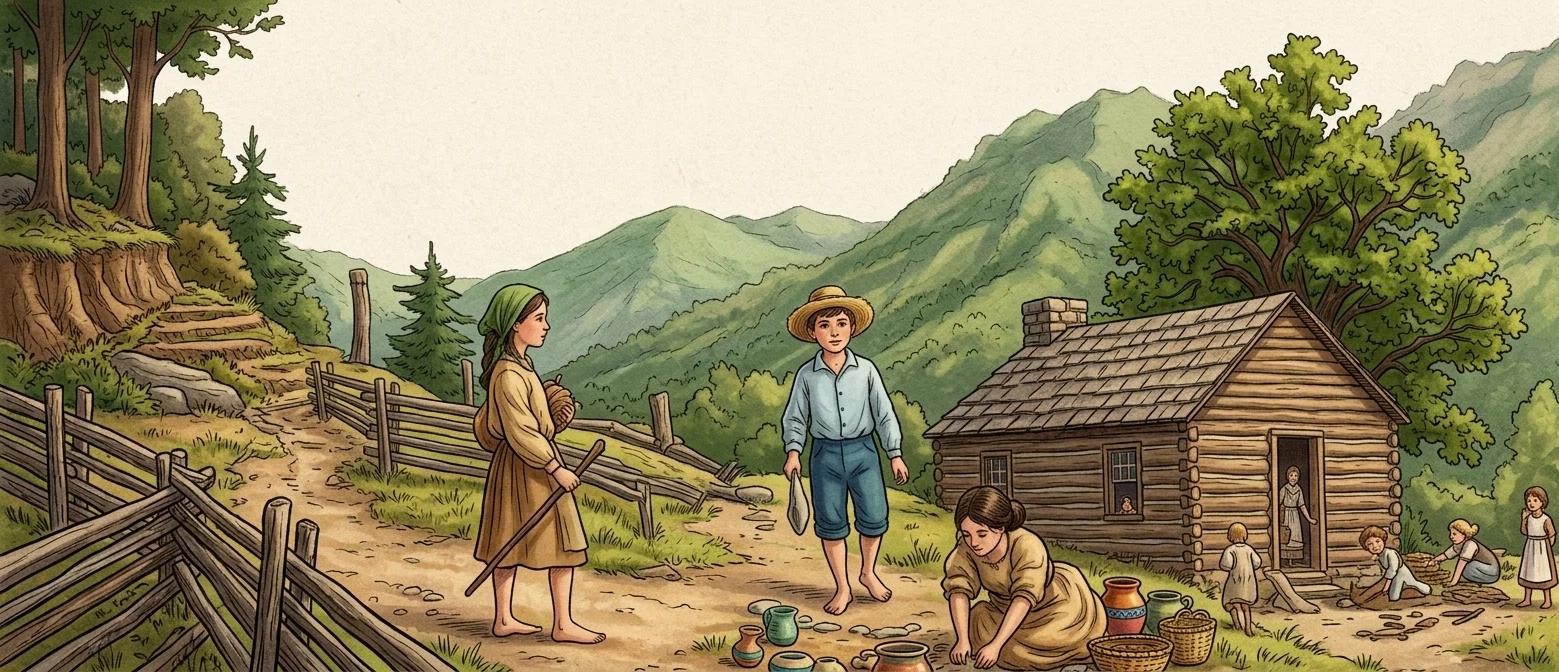
Seventh-day Adventists are conducting in the United States a class of schools which in purpose are closely related to their foreign mission schools. There are in certain rural portions of the South, neighborhoods that are yet remote from modern life. The people of these localities are of sterling worth, but very conservative, and lacking in education and in the knowledge of present-day methods of life and work. They are generally religious, many of them being church members.
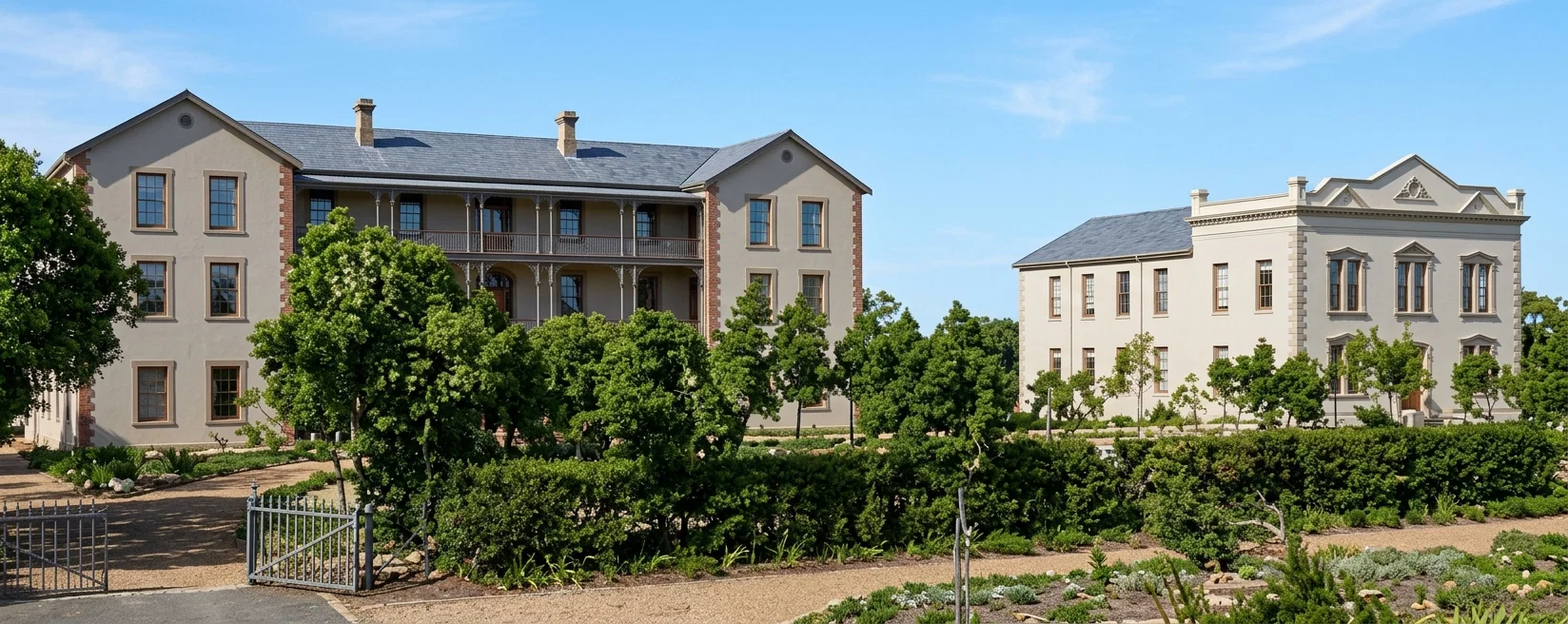
UNION COLLEGE, CAPE TOWN, SOUTH AFRICA
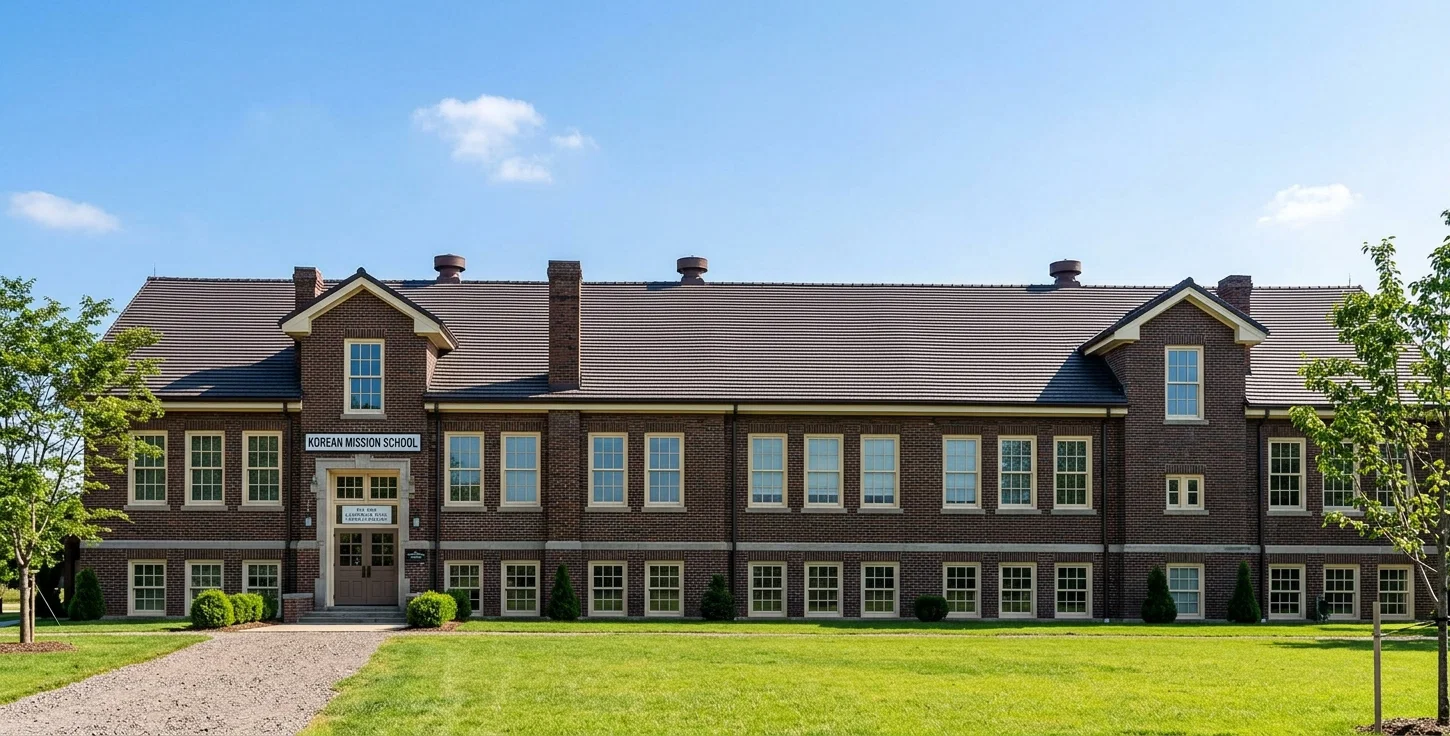
KOREAN MISSION SCHOOL
Our teachers purchase land and establish permanent homes in these rural sections. They open day schools for the children, and often night schools for the older people. Besides the common school branches, they teach agriculture also, by employing up-to-date methods on their own farms. The schools are free, and are appreciated by the people, as there are no others near; for they are usually located in remote mountain districts, where public schools are not yet established.
These rural schools naturally and readily become centers of culture and uplift; and in time, the devoted, self-supporting teachers have the pleasure not only of seeing improved conditions in the general life of the community, but also of seeing the gospel message which is so dear to them, fixed in the hearts of those who are willing to give thought to matters of eternal interest.
Health with Education
In all our mission schools, as indeed in all our schools, health instruction and practice are combined. The teachers are able to give simple treatments and remedies, and they teach these in their schools. This is of large value in those lands where physicians and nurses are few. Ministrations to the bodily needs of ignorantly helpless ones bind them to the hearts and teachings of those who thus help them.
Medical work is a fundamental feature of the enterprises of Seventh-day Adventists, and hence finds a natural place in their schools. They have a medical school located at Loma Linda, California.
As has been said above, our schools in such mission lands as China and Japan are of a nature and take on a form similar to our schools in the United States. We have the elementary or local church school for the instruction of the children of the members of the church. However, more children not of our faith attend these elementary schools in mission fields than in this land; and in some instances, schools are composed almost wholly
of pupils not of our faith. Of the schools having but few of our own faith, may be mentioned the girls’ school in Canton, China, and the Tamil school in South India. In this latter school, one hundred students enrolled in 1912 and the next year, fifteen were baptized.
We then have our higher schools, where men and women are educated, and specially instructed for evangelistic, colporteur, and other forms of gospel work. Christ did His work as a767teacher, and was so styled. For three and a half years, He conducted a mission training school which, in point of strength of teaching and extent of influence, has never been nor can ever be equaled. The daily teaching, “line upon line,” “precept upon precept,” is what fixes the lesson, and changes the life of the learner, and makes him, in turn, a missionary to others. The life and work of our Lord, that greatest of all missionaries and of all teachers, is an example for His church to follow. If aggressiveness and permanence are to mark the work of the church of God, then that church must educate its youth into its work; and, indeed, there is no nobler calling “under heaven given among men” than that of the Christian missionary. It demands all that is best, strongest, and most enduring in man.
Then why should not every professed follower of Christ train his children for such work, and commend it to them? In the ultimate, no work yields more generous returns in the durable satisfaction of life. The responsibility of giving to the children and youth an education and a Christian culture that will fit them for gospel service in mission or home lands, rests not alone on parents, but as well upon every member of every church.
The demands of God and the call of a perishing world are an inspiration for a great educational movement for life and service.
MISSION SCHOOL, SHANGHAI
Excellent Olives and Choice Fruits
By A. E. Crist
Peaches, per lb., 8c; prunes, 9c; pitted plums, 7c; pears, 10c; apricots, 13c; figs, 7c; almonds, 20c; black walnuts, polished, 25c; olives, 11-16 in. diameter, quart cans, 20c; gal. cans, 70c; 5-gal. cans, 65c per gal.; 25-gal. barrels, 60c per gal.; 50-gal. barrels, 50c per gal.; 9-16 to 10-16 in. diameter, 10c less per gal., 12-16 to 14-16 in. diameter, 20c per gal. additional. Pure olive oil, $2.00 per gal. Olives ready to ship at once. Satisfaction guaranteed. A. E. Crist, Chico, Cal.
Faithfulness in Present Duty
By White
WHEREVER we may be, Christ bids us take up the duty that presents itself. If this is in the home, take hold willingly and earnestly to make home a pleasant place. If you are a mother, train your children for Christ. This is as verily a work for God as is that of the minister in the pulpit. If your duty is in the kitchen, seek to be a perfect cook. Prepare food that will be healthful, nourishing, and appetizing. And as you employ the best ingredients in preparing food, remember that you are to give your mind the best thoughts. If it is your work to till the soil, or to engage in any other trade or occupation, make a success of the present duty. Put your mind on whatever you are doing. In all your work, represent Christ.—White.
Four Ways to Save Money
By Editor
CHRISTMAS SUGGESTIONS
Any combination to one or separate addresses, as desired, and without extra cost to you. Don't ask us how we can do it.
Signs Magazine and Signs weekly, one year $1.75. Saving of 25c
Signs weekly or Signs Magazine, one year, with copy of “Questions and Answers” $1.50. Saving of 75c
Signs Magazine, Signs weekly, and Our Little Friend, one year $2.50. Saving of 30c
Signs Magazine, one year, with copy of “Home and Health” $2.50. Saving of $1.50
PREMIUMS
Questions and Answers.—A cloth-bound book of 255 pages, containing 271 answers to most of those Bible questions and texts which puzzle so many.
Home and Health.—A handsome cloth-bound book of nearly 600 pages, 6 x 9 inches. Intensely practical suggestions on the care of the home, care and training of children, care of the body, and treatment of disease. In short, a volume of general information for everyday use.
Mark the combination wanted, cut out, and send with your remittance to our depository in your state, if address is known.
SIGNS OF THE TIMES
MOUNTAIN VIEW, CALIFORNIA
COTTOLATE
Order 10 lbs. 30c a lb.
COTTOLATE
A VERY HEALTHFUL COCOA SUBSTITUTE
far more nutritious, is ready to serve when brought to boiling point.
VEGETARIAN FOODS CO., ST. LOUIS, MO.
Dr. Godsmark's HYGIENIC COOKING OIL
The shortening used by vegetarians. Shipped everywhere from Louisville, Ky.