1 Chronicles 6:49
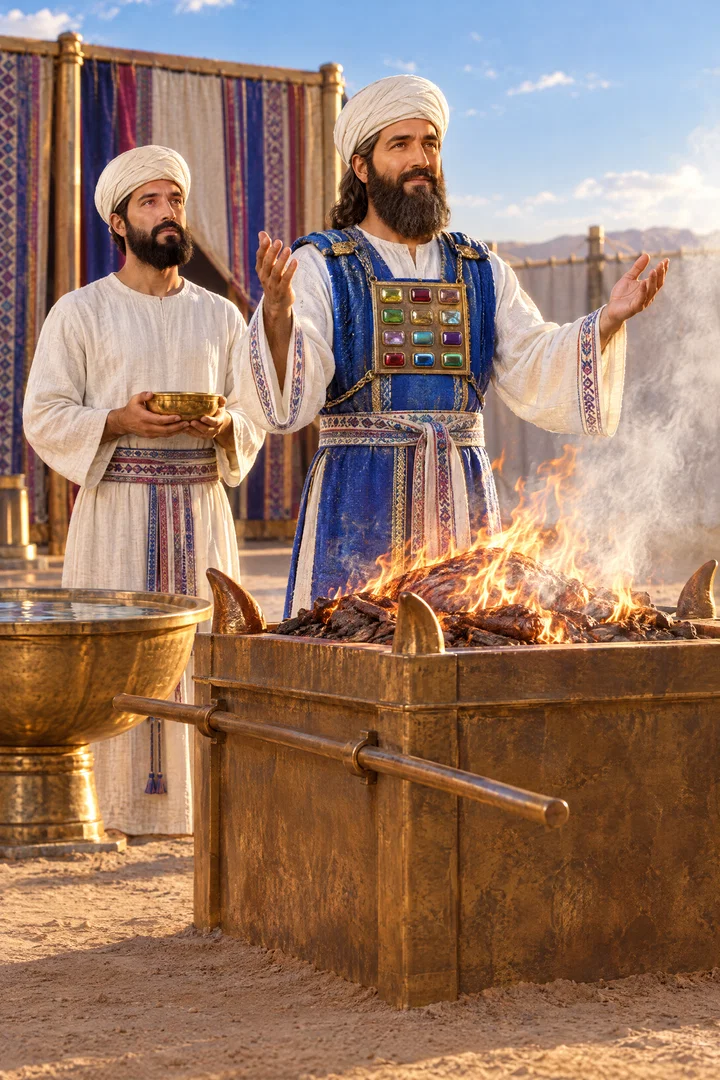
But Aaron and his sons offered upon the altar of the burnt offering, and on the altar of incense, and were appointed for all the work of the place most holy, and to make an atonement for Israel, according to all that Moses the servant of God had commanded.
Translations
But Aaron and his sons offered on the altar of the burnt offering, and on the altar of incense, and were appointed for all the work of the place most holy, and to make an atonement for Israel, according to all that Moses the servant of God had commanded.
King James Version, KJV Cambridge Paragraph Bible
But Aaron and his sons offered upon the altar of the burnt offering, and on the altar of incense, and were appointed for all the work of the place most holy, and to make an atonement for Israel, according to all that Moses the servant of God had commanded.
But Aaron and his sons offered upon the altar of the burnt-offering, and on the altar of incense, and were appointed for all the work of the place most holy, and to make an atonement for Israel, according to all that Moses the servant of God had commanded.
But Aaron and his sons offered upon the altar of burnt offering, and upon the altar of incense, for all the work of the most holy place, and to make atonement for Israel, according to all that Moses the servant of God had commanded.
But Aaron and his sons offered upon the altar of burnt-offering, and upon the altar of incense, for all the work of the most holy place, and to make atonement for Israel, according to all that Moses the servant of God had commanded.
And Aaron and his sons are making perfume on the altar of the burnt-offering, and on the altar of the perfume, for all the work of the holy of holies, and to make atonement for Israel, according to all that Moses servant of God commanded.
And Aaron and his sons offered upon the altar of the burnt-offering, and on the altar of incense, for all the work of the most holy place, and to make atonement for Israel, according to all that Moses the servant of God had commanded.
But, Aaron and his sons, were to make perfume upon the altar of ascending-sacrifice, and upon the altar of incense, according to all the service of the holy of holies,—even for putting a propitiatory-covering over Israel, according go all that, Moses, the servant of God, commanded.
Berean Standard Bible, Majority Standard Bible
But Aaron and his sons did all the work of the Most Holy Place. They presented the offerings on the altar of burnt offering and on the altar of incense to make atonement for Israel, according to all that Moses the servant of God had commanded.
But Aaron and his sons offered on the altar of burnt offering, and on the altar of incense, for all the work of the most holy place, and to make atonement for Israel, according to all that Moses the servant of God had commanded.
But Aaron and his sons made offerings on the altar of burned offering, and on the altar of perfume, for all the work of the most holy place, and to take away the sin of Israel, doing everything ordered by Moses, the servant of God.
But Aaron and his sonnes burnt incense vpon the altar of burnt offering, and on the altar of incense, for all that was to do in the most holy place, and to make an atonement for Israel, according to all that Moses the seruant of God had commanded.
Douay-Rheims (Challoner revision)
But Aaron and his sons offered burnt offerings upon the altar of holocausts, and upon the altar of incense, for very work of the holy of holies: and to pray for Israel according to all that Moses the servant of God had commanded.
Pictures
Cross-references
- Exodus 30:7-8
And Aaron shall burn thereon sweet incense every morning: when he dresseth the lamps, he shall burn incense upon it.
Describes the high priest’s regular incense service.
- Leviticus 16:1-28
And the LORD spake unto Moses after the death of the two sons of Aaron, when they offered before the LORD, and died;
Describes the high priest’s annual atonement service.
- Hebrews 9:14
How much more shall the blood of Christ, who through the eternal Spirit offered himself without spot to God, purge your conscience from dead works to serve the living God?
Christ’s sacrifice fulfills the sanctuary’s typical atonement.
- Hebrews 9:7
But into the second went the high priest alone once every year, not without blood, which he offered for himself, and for the errors of the people:
Contrasts the high priest’s work with the priests’ service.
- Leviticus 4:3-7
If the priest that is anointed do sin according to the sin of the people; then let him bring for his sin, which he hath sinned, a young bullock without blemish unto the LORD for a sin offering.
Prescribes the priest’s sin offering and the handling of its blood at the altars.
- Hebrews 9:26
For then must he often have suffered since the foundation of the world: but now once in the end of the world hath he appeared to put away sin by the sacrifice of himself.
Christ’s once-for-all sacrifice puts away sin, fulfilling the work of atonement.
- Hebrews 13:11
For the bodies of those beasts, whose blood is brought into the sanctuary by the high priest for sin, are burned without the camp.
Both describe priestly sin offerings and sanctuary service.
Commentary
Each commentary is drawn from primary sources: the writings of Ellen G. White and Adventist pioneers and periodicals. Each commentary is separate. Its own words are not a quotation; follow the references to read the source passages.
Pioneers and periodicals
3 sources
The verse stands in the opening genealogical portion of the book, in the first nine chapters, which are lists and genealogies of the various tribes with interesting matters thrown in.ST May 12, 1909 It lies within the extended record of names and chronology in chapters 4-19 that is often regarded as long, tedious, dry, and uninteresting.ST May 27, 1908 Even in that record illuminating gems appear that show the preservation of the records of God's children and the integrity of the tribes, especially in the carefully preserved genealogy of the tribe of Judah through whom Christ came.ST May 27, 1908 That genealogical setting shows the book's special attention to the house of Judah and to the priesthood, greater than that found in Kings.ST May 12, 1909
The book containing the verse originally formed one book in the third part of the Jewish canon called Words or Acts of Days, meaning minutes of events and lists of names and the like.ST May 12, 1909 In the Septuagint it is called Things omitted or passed over, its common name comes from the Latin Chronica, and it was compiled by Ezra.ST May 12, 1909 The verse states that Aaron and his sons offered upon both the altar of burnt offering and the altar of incense, were appointed to all the work of the most holy place, and made atonement for Israel according to all commanded through Moses the servant of God.ST Dec 10, 1912 The burnt offerings Aaron offered at the altar in the court were part of the priestly work that typified the work of Christ.ST Dec 10, 1912
Sources