Hebrews 9:14
How much more shall the blood of Christ, who through the eternal Spirit offered himself without spot to God, purge your conscience from dead works to serve the living God?
Translations
American King James Version, King James Version
How much more shall the blood of Christ, who through the eternal Spirit offered himself without spot to God, purge your conscience from dead works to serve the living God?
how much more shall the blood of Christ, who through the eternal Spirit offered himself without spot to God, purge your conscience from dead works to serve the living God?
How much more shall the blood of Christ, who through the eternal Spirit offered himself without spot to God, cleanse your conscience from dead works to serve the living God?
Revised Version, American Standard Version
how much more shall the blood of Christ, who through the eternal Spirit offered himself without blemish unto God, cleanse your conscience from dead works to serve the living God?
how much more shall the blood of the Christ (who through the age-during Spirit did offer himself unblemished to God) purify your conscience from dead works to serve the living God?
how much rather shall the blood of the Christ, who by the eternal Spirit offered himself spotless to God, purify your conscience from dead works to worship [ the] living God?
How much rather shall the blood of the Christ, who through an age-abiding spirit offered himself unspotted unto God, purify our conscience from dead works, to the rendering of divine-service, unto a Living God?
how much more will the blood of Christ, who through the eternal Spirit offered Himself unblemished to God, purify our consciences from works of death, so that we may serve the living God!
how much more will the blood of Christ, who through the eternal Spirit offered Himself unblemished to God, purify your consciences from works of death, so that we may serve the living God!
how much more will the blood of Christ, who through the eternal Spirit offered himself without defect to God, cleanse your conscience from dead works to serve the living God?
How much more will the blood of Christ, who, being without sin, made an offering of himself to God through the Holy Spirit, make your hearts clean from dead works to be servants of the living God?
How much more shall the blood of Christ which through the eternall Spirit offered himselfe without fault to God, purge your conscience from dead workes, to serue the liuing God?
Douay-Rheims (Challoner revision)
How much more shall the blood of Christ, who by the Holy Ghost offered himself unspotted unto God, cleanse our conscience from dead works, to serve the living God?
Pictures
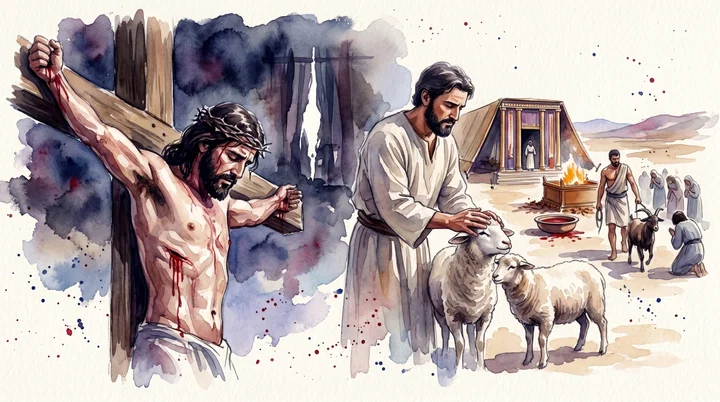
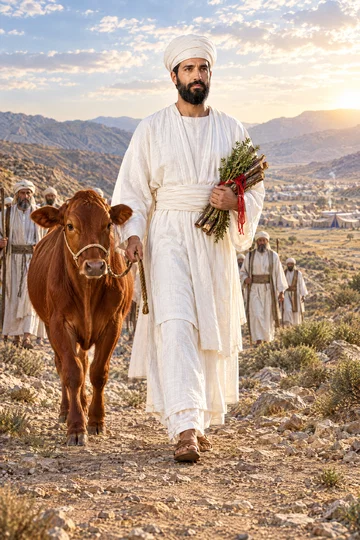
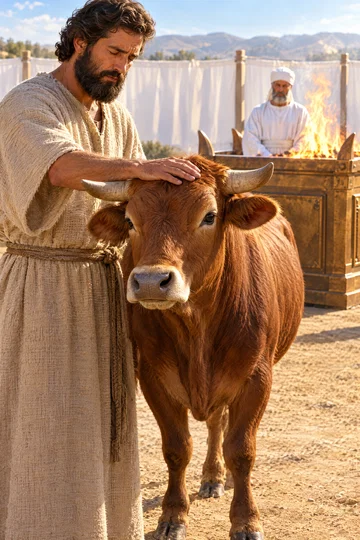
Cross-references 20 of 177
- Hebrews 8:1-3
Now of the things which we have spoken this is the sum: We have such an high priest, who is set on the right hand of the throne of the Majesty in the heavens;
Christ serves as High Priest in the heavenly sanctuary and offers for sin.
- Hebrews 10:4
For it is not possible that the blood of bulls and of goats should take away sins.
Animal blood cannot take away sins, unlike Christ’s effective offering.
- Hebrews 9:24
For Christ is not entered into the holy places made with hands, which are the figures of the true; but into heaven itself, now to appear in the presence of God for us:
Christ appears before God in heaven on behalf of his people after offering himself.
- Leviticus 16:15-16
Then shall he kill the goat of the sin offering, that is for the people, and bring his blood within the vail, and do with that blood as he did with the blood of the bullock, and sprinkle it upon the mercy seat, and before the mercy seat:
The high priest’s blood cleansed the sanctuary, prefiguring Christ’s atoning work.
- Hebrews 10:22
Let us draw near with a true heart in full assurance of faith, having our hearts sprinkled from an evil conscience, and our bodies washed with pure water.
Hearts cleansed from an evil conscience accompany drawing near to God.
- Hebrews 9:26
For then must he often have suffered since the foundation of the world: but now once in the end of the world hath he appeared to put away sin by the sacrifice of himself.
Christ’s self-sacrifice once puts away sin.
- 1 Peter 1:19
But with the precious blood of Christ, as of a lamb without blemish and without spot:
Both identify Christ’s precious blood with the spotless sacrificial Lamb.
- Hebrews 10:14
For by one offering he hath perfected for ever them that are sanctified.
Christ’s offering fulfills the typical offerings.
- Hebrews 9:22
And almost all things are by the law purged with blood; and without shedding of blood is no remission.
Both texts connect shed blood with remission and cleansing from sin.
- 1 John 1:7
But if we walk in the light, as he is in the light, we have fellowship one with another, and the blood of Jesus Christ his Son cleanseth us from all sin.
Christ’s blood cleanses from all sin.
- Hebrews 7:27
Who needeth not daily, as those high priests, to offer up sacrifice, first for his own sins, and then for the people’s: for this he did once, when he offered up himself.
Christ’s offering fulfills the typical offerings.
- Hebrews 9:1-7
Then verily the first covenant had also ordinances of divine service, and a worldly sanctuary.
Describes the earthly sanctuary, its furnishings, and its priestly services.
- John 1:29
The next day John seeth Jesus coming unto him, and saith, Behold the Lamb of God, which taketh away the sin of the world.
Christ is the Lamb whose sacrifice takes away the world’s sin.
- Hebrews 9:23
It was therefore necessary that the patterns of things in the heavens should be purified with these; but the heavenly things themselves with better sacrifices than these.
The heavenly sanctuary is cleansed with Christ’s better sacrifice.
- Isaiah 53:6
All we like sheep have gone astray; we have turned every one to his own way; and the LORD hath laid on him the iniquity of us all.
The LORD lays humanity’s iniquity on Christ, who bears sinners’ sins.
- Hebrews 10:1
For the law having a shadow of good things to come, and not the very image of the things, can never with those sacrifices which they offered year by year continually make the comers thereunto perfect.
The repeated sacrifices were shadows of Christ’s ministry but could not perfect worshipers.
- Hebrews 10:10
By the which will we are sanctified through the offering of the body of Jesus Christ once for all.
Christ’s offering fulfills the typical offerings.
- 2 Corinthians 5:21
For he hath made him to be sin for us, who knew no sin; that we might be made the righteousness of God in him.
The sinless Christ bore sin so believers might receive God’s righteousness.
- 1 Peter 2:24
Who his own self bare our sins in his own body on the tree, that we, being dead to sins, should live unto righteousness: by whose stripes ye were healed.
Christ bore sins in his body so people may live righteously.
- Colossians 2:14
Blotting out the handwriting of ordinances that was against us, which was contrary to us, and took it out of the way, nailing it to his cross;
Ordinances are blotted out and nailed to the cross through Christ’s death.
Commentary part 1 of 2
Each commentary is drawn from primary sources: the writings of Ellen G. White and Adventist pioneers and periodicals. Each commentary is separate. Its own words are not a quotation; follow the references to read the source passages.
Ellen G. White
60 sources
The verse contrasts outward ritual cleansing with inward cleansing: animal blood and ashes could purify only the flesh, while the blood of Christ cleanses the conscience from lifeless works to serve the living God.Ms 3, 1903, par. 8Ms 143, 1902, par. 7–10Ms 44, 1897, par. 15–20ST Jul 15, 18802SP 10.3–11.1 Through the eternal Spirit He offered Himself to God as a complete offering without blemish, personally pure and sinless from birth to death, of far greater worth than fallen humanity and therefore able to ransom sinners.Ms 3, 1903, par. 812MR 392.1–3Ms 143, 1902, par. 7–10LC1 10.11RED 10.1 As sin-bearer, substitute and true High Priest He entered by His own blood to obtain eternal redemption, satisfying divine justice, vindicating God's law, and making pardon and reconciliation possible.12MR 392.1–312MR 415.2–416.1Ms 111, 1897, par. 46–49Lt 62, 1907, par. 5–6STE 227.1 That purging of conscience is pardon that opens the way to sanctification, made effectual only as the Holy Spirit convicts of sin, produces repentance and faith, and renews the soul into perfect love, obedience and conformity to God's will.Lt 57, 1895, par. 54–57SPBC 154.2–314MR 133.2–135.1Lt 77, 1896, par. 142MR 14.1–15.2 The cleansed conscience frees the believer to serve God with undivided heart in daily consecration, bearing fruit in righteousness and unselfish works, for to neglect this sacrifice leaves no other sacrifice for sins.SPBC 154.2–3Ms 68, 1898, par. 22Ms 9, 1906, par. 13–14Ms 38, 1899, par. 1–2Ms 145, 1904, par. 3–4
Ritual Contrast and Fulfillment
Hebrews 9:14 turns on the contrast between outward ritual purification and inward cleansing, for the blood of bulls and goats and the ashes of a heifer sprinkled on the unclean could sanctify only to the purifying of the flesh, while the blood of Christ purges the conscience from dead works to serve the living God.Ms 3, 1903, par. 8Ms 143, 1902, par. 7–10Ms 101, 1897, par. 17–20Lt 62, 1907, par. 5–6RH Mar 17, 1903 That greater cleansing belongs to Christ because He offered Himself without spot to God through the eternal Spirit, and His spotless, sinless self-offering accomplishes what animal blood and ritual ashes could never fully accomplish.Ms 3, 1903, par. 8Ms 143, 1902, par. 7–10Ms 44, 1897, par. 15–20Ms 101, 1897, par. 17–20Lt 62, 1907, par. 5–6 His blood does more than purify outwardly, for His sinlessness made Him a sacrifice for sinful humanity able to endure temptation without yielding, and therefore the basis of cleansing the conscience so that people may serve the living God.Ms 3, 1903, par. 8Ms 143, 1902, par. 7–10Ms 44, 1897, par. 15–20Ms 101, 1897, par. 17–20
Animal sacrifices had no saving power in themselves, for the blood of the slain victim only symbolized the blood of the Son of God and the use of blood to cleanse the sanctuary only typified the cleansing power of Christ's blood.ST Jul 15, 18802SP 10.3–11.1ST Apr 8, 1875RH Dec 17, 1872LC1 4.1 They were figures, symbols and types pointing forward to Christ, keeping before people the separation caused by sin and the need for a mediator, and opening no way to God except as they represented His voluntary, perfect offering that alone met the demands of the divine law.2SP 10.3–11.1ST Apr 8, 1875RH Dec 17, 1872LC1 4.13SP 10.1–2 When type met its reality at Christ's death their value ceased, so the sacrificial offerings of the Jewish law no longer had worth once the one great offering they foreshadowed had been made.2SP 10.3–11.1ST Apr 8, 1875RH Dec 17, 1872
The blood of beasts could not satisfy God's demands in atoning for transgression of His perfect law, because the life of a beast is of less value than the life of the offending sinner and could not be a ransom for sin.LC1 4.13SP 10.1–2 Animal blood was acceptable only as a figure representing the perfect Offering it prefigured, and even abundant blood of bulls and goats could not wash away guilt incurred by rejecting mercy and warnings.LC1 4.13SP 10.1–2 Without genuine sorrow for sin, obedience to God, and a broken contrite heart, many offerings made without repentance were worth less to God than that contrite heart itself.LC1 4.13SP 10.1–2
Because atonement comes through the shedding of the blood of the Son of God alone, and only Christ's blood atones and cleanses, blood is sacred and a clear distinction between the sacred and the common must always be preserved.ST Jul 15, 1880 The sanctuary service surrounding that sacrifice, even the rivers of blood flowing when sacrifices were offered in large numbers at the harvest thanksgiving, was designed to impress that what God has set apart for Himself is holy and to teach that earth's productions and bounties for man's sustenance are owed to Christ's offering upon the cross as the gift of redeeming love.ST Jul 15, 1880 Christ is the substance of all sacrifices and offerings, who came to do God's will by offering Himself as the world's Redeemer standing at the head of humanity, and through Him the Holy Spirit comes to man.Ms 68, 1898, par. 17 Those animal sacrifices could give only a ceremonial holiness and could not cleanse the conscience because they were only a representation of the great sacrifice, while salvation is complete because it rests on the plan laid before the foundation of the world and is accomplished in His whole and entire sacrifice made once for all, so that when type met antitype there could be no second probation.Ms 68, 1898, par. 17
Spotless Offering Through Spirit
Hebrews 9:14 declares that Christ through the eternal Spirit offered Himself without spot to God as a complete offering, sinless and spotless, whose blood purges the conscience from dead works to serve the living God with a cleansing greater than ritual purification by animal blood and ashes could accomplish.Ms 3, 1903, par. 8Ms 143, 1902, par. 7–10Ms 14, 1900, par. 27–29Ms 44, 1897, par. 15–20Ms 101, 1897, par. 17–20 As the sinless true High Priest He so offered Himself to God, and His death both redeems transgression and makes Him mediator of the new testament so those called may receive the promised eternal inheritance.12MR 392.1–3Ms 14, 1900, par. 27–29 His sinless offering is the basis of this inward cleansing, doing what animal sacrifices could not do.Ms 44, 1897, par. 15–20Ms 101, 1897, par. 17–20 Without spot means noble, spotless perfection of character without blemish, in the express image of the Father not in features alone but in perfection of character.LC1 10.11RED 10.1
He was personally perfect, pure and sinless through His whole life from birth in Bethlehem to death on Calvary, the holy Sin-bearer who though just died for the unjust, and He could challenge His accusers and enemies that none could convict Him of sin.Ms 84a, 1897, par. 4Ms 165, 1899, par. 7–9 Only One who was Himself perfection could be at once Sin-bearer and Sin-pardoner, standing before the redeemed as their sin-burdened, sin-stained Surety while bearing only their sins.Ms 165, 1899, par. 7–9 He had to remain without stain under terrible testing, for any failure would have made the offering imperfect and redemption fail, yet though He could have used divine power to escape or destroy His persecutors He endured their insults with meekness, patience and composure.3SP 139.1 His life alone could suffice to ransom fallen man because He was of far greater value than man as next in authority to the great Lawgiver and commander of all the heavenly host, so that He alone could become an acceptable offering.LC1 10.11RED 10.1 No smaller sacrifice could redeem men or save the sinner from ruin, for the spotless Son of God was the only offering that would atone.Ms 11, 1909, par. 18
His sinlessness made Him a sacrifice for sinful humanity and enabled Him to endure Satan's temptations and wrestle throughout His earthly life without yielding, taking the guilt of the transgressor upon His sinless soul and dying as the Just for the unjust so humanity might not perish.Ms 44, 1897, par. 15–20Ms 11, 1909, par. 182MR 14.1–15.2 By laying aside glory, clothing divinity with humanity and taking the form of a servant, He became both offerer and offering, both priest and victim, revealing a character wholly unlike Satan's.18MR 362.1–3Ms 92, 1899, par. 13–16 He voluntarily took human nature upon Him and purchased the world by ransom, which made it possible for Him to offer Himself, while that human life was taken into union with Deity.Ms 92, 1899, par. 13–16 Possessing in Himself power to lay down His life and take it up again, He could lay it down as both priest and victim, and He offered Himself once through the eternal Spirit.18MR 362.1–3Ms 92, 1899, par. 13–16ST Aug 4, 1898 His sinlessness gives His life in human flesh and His death on the cross its value to procure grace for the sinner, for otherwise it would be of no more value than the death of any other man, and His perfect obedience and self-sacrifice satisfied the Father's justice, made reconciliation possible and purchased an everlasting inheritance for those given to Him.Ms 92, 1899, par. 13–16ST Aug 4, 1898
Priesthood and Mediation
Christ is the sinless true High Priest of good things to come, ministering by a greater and more perfect tabernacle not made with hands.12MR 392.1–3Lt 62, 1907, par. 5–6 He entered once into the holy place not by the blood of goats and calves but by His own blood to obtain eternal redemption.Lt 62, 1907, par. 5–6 Through the eternal Spirit He offered Himself without spot to God, and His blood purges the conscience from dead works to serve the living God.12MR 392.1–3Lt 62, 1907, par. 5–6 This purging brings converting power upon the heart under the softening, subduing influence of the Holy Spirit, freeing from faultfinding, making of one mind and submissive to God so He can use the person effectively in His great work.Lt 62, 1907, par. 5–6
The tearing of the Temple veil at His death marked the end of the old priestly access.12MR 392.1–3 It opened a new and living way for all people to come to God without a human priest or ruler.12MR 392.1–3
For this cause He is mediator of the new testament.Ms 14, 1900, par. 27–29RH Mar 17, 1903ST Nov 25, 1897 By His death redemption is made for the transgressions under the first testament.Ms 14, 1900, par. 27–29RH Mar 17, 1903ST Nov 25, 1897 Those who are called may thus receive the promise of eternal inheritance.Ms 14, 1900, par. 27–29RH Mar 17, 1903ST Nov 25, 1897ST Aug 4, 1898 His perfect obedience and self-sacrifice satisfied the Father's justice, made reconciliation possible, purchased an everlasting inheritance for those given to Him, and makes it possible for people to obey God's law through faith.ST Aug 4, 1898
He now serves as interceding High Priest in the sanctuary for those who come to Him in faith.ST Jun 28, 1899STE 227.1 There He pleads in behalf of sinners the efficacy of His blood as an atoning sacrifice, and after giving His life for the world He presents the virtue of His offering before God.STE 227.14MR 243.3 His death is the complete and only sacrifice of value for salvation, its meaning reflected in the Day of Atonement.ST Jun 28, 1899 The sanctuary ritual of casting sacrificial blood toward the holy place seven times expressed perfection, and His blood reconciles humanity to God.4MR 243.3 The object of the sacrifice was to uplift fallen man degraded by sin, so that through faith in the crucified and risen Saviour sins are pardoned, the guilty who deserved punishment go free and return to allegiance to God through His merits.STE 227.1 Through the love of God revealed in Him there is forgiveness with God and reconciliation of God to man, received when man repents, becomes contrite in heart, and believes in Christ as his atoning sacrifice.STE 227.1
He is the fulfillment of the ceremonial sacrifices in His crucifixion and His ministry as priest in the heavenly sanctuary.SLP 103.2–104.1 He is the foundation of the Jewish economy and the one to whom all sacrifices and offerings pointed.SLP 103.2–104.1Lt 164, 1902, par. 28 In His death type met antitype so the need for those sacrifices was soon to cease.Lt 164, 1902, par. 28 The temple where He proclaimed truth as His own, unawed by its splendor and teaching even in the outer court that Gentiles might hear, was left as the tomb of a departed dispensation.Lt 164, 1902, par. 28
No quality in a person can make that person acceptable to God.ST Dec 19, 1892 Access, pardon, peace and righteousness come only through Jesus as the sinner's substitute, Redeemer, Advocate and Mediator.ST Dec 19, 1892 Christ's blood given in His sacrifice restores the sin-stricken soul, and He makes the sinner's petition acceptable to the Father.ST Dec 19, 1892 Understanding the sanctuary and Christ's atoning sacrifice and mediation as High Priest is central truth necessary for exercising the faith God requires, and nothing should distract from studying these truths.4SP 312.2–3
Atonement Justice and Redemption
Atonement for sin comes through the shedding of the blood of the Son of God alone, and that blood alone can cleanse from sin.ST Jul 15, 1880ST Jun 28, 1899 His death is the complete and only sacrifice of value for salvation, and pardon and forgiveness rest wholly on that spotless and perfect offering.ST Jun 28, 1899Lt 30, 1895, par. 44–46 The blood of the slain sacrificial victim symbolized His blood, and the use of blood to cleanse the sanctuary from the sins of the people typified the cleansing power of His blood.ST Jul 15, 1880
As man's substitute, sin-bearer, surety, and antitypical sacrifice in His own body, He paid the penalty for disobedience, bore the curse, and took undeserved punishment to satisfy divine justice and vindicate the honor of God's law.Ms 111, 1897, par. 46–49STE 227.1Lt 60, 1895, par. 6–7 Entire justice was done with Christ as its object, and by His own merits He covered everything God's justice demanded.Ms 111, 1897, par. 46–49 His spotless self-offering fulfilled every condition upon which the free communication of grace to the human family was suspended.Ms 92, 1899, par. 13–16 His perfect obedience and self-sacrifice satisfied the Father, made reconciliation possible, and purchased an everlasting inheritance for those given to Him, while also making it possible for people to obey God's law through faith.Ms 92, 1899, par. 13–16ST Aug 4, 1898 That offering sealed forever the everlasting covenant of grace and broke down every barrier intercepting the fullest exercise of grace, mercy, peace, and love to the most guilty of the race.Ms 92, 1899, par. 13–16
The guilty sinner who receives and holds Christ as personal Saviour goes free, and though guilty is looked upon as innocent, freed from condemnation, pardoned through faith, restored to allegiance to God, and given everlasting life instead of perishing.12MR 415.2–416.1Ms 111, 1897, par. 46–49STE 227.1Lt 60, 1895, par. 6–7 Through faith in the crucified and risen Saviour sins are pardoned, and those now on probation become prisoners of hope, with forgiveness received when there is repentance, contrition of heart, and belief in Him as the atoning sacrifice.STE 227.1 The cross is God's mightiest pledge of justice and love, showing His character as holy, good, compassionate, and loving.Ms 111, 1897, par. 46–49 It sheds abundant vindication on the faithful obedient child of God and leagues righteousness with truth to make unrighteousness appear.Ms 111, 1897, par. 46–49
By creation and by redemption through the ransom price of His spotless offering, every human being is His property and of special value.Ms 25, 1898, par. 22 That offering furnishes abundant provision for everyone and proves He has suffered so much that He will leave nothing undone to accomplish man's salvation.Ms 25, 1898, par. 22 It manifests an unabated love that human words fail to express, a love that can be made unavailable only by the sinner himself.Ms 25, 1898, par. 22 Through His merits those He came to save are made unblameable, pure, and holy.Lt 20, 1880, par. 5–6
Purged Conscience and Sanctification
Purging the conscience from dead works is pardon as justification, which saves the soul from perdition and places it where it can receive the blessings of sanctification, leading through sanctification to the life of heaven.Lt 57, 1895, par. 54–57Ms 113, 1902, par. 26ST Dec 17, 1902 His blood provides the basis for justification and forgiveness, while the cleansing power of the Holy Spirit brings sanctification and transformation, so the cleansing is the basis of both.Lt 57, 1895, par. 54–57SPBC 154.2–314MR 133.2–135.1 It is a glorious offer kept before sinners for years, and those who humble themselves, confess the iniquities that separated them from God, and ask for sins to be blotted out receive forgiveness, conversion and transformation.SPBC 154.2–3
Those chosen by God from eternity are to be holy, with soul, body and spirit sanctified and conscience cleansed from dead works to serve the living God, which surrounds them with the atmosphere of heaven.Lt 105, 1898, par. 194MR 348.3 This is possible because God gave Himself to die to purify people from all iniquity, and the Lord carries on this work of perfection in all who refuse to make self god and allow themselves to be controlled by Him, for their good and His own name's glory.Lt 105, 1898, par. 194MR 348.3 God's purpose is for His people to be holy, and Christ will continue His work of perfection in those who yield to His control.ST Oct 11, 1899
The purging means perfect love, perfect obedience and entire conformity to the will of God, worked out in conformity of life to the life of Christ through sanctification of mind, soul and body by obedience to the truth so as not to be separated from the Sun of Righteousness.AA 565.1Ms 38, 1899, par. 1–2 Believers are not yet perfect, but they can put away self and sin, cut away the entanglements of self and sin, and advance and go on unto perfection.AA 565.1Ms 38, 1899, par. 1–2 Such a conformed life will have a powerful influence on the world.Ms 38, 1899, par. 1–2 This righteousness requires faith and the Spirit's daily guidance, for faith that works through Christ's love purifies the soul, while self must die for Christ to live in the believer.ST Oct 11, 1899 Jesus takes possession of the sanctified soul to renew, sustain, guide and give vitality to all its impulses.Ms 68, 1898, par. 22
The blood purges the conscience only as the Holy Spirit as constant, working, regenerating agent makes that sacrifice effectual in each person.2MR 14.1–15.2 The Spirit constantly draws attention to the great sacrifice on Calvary, unfolds the love of God, opens to the convicted soul the precious things in Scripture, opens darkened minds to the bright beams of the Sun of Righteousness, presents the moral standard of righteousness, convinces of sin, produces godly sorrow that works repentance not to be repented of, and inspires faith in Christ who alone saves from all sin.Lt 77, 1896, par. 142MR 14.1–15.2 Through the Holy Spirit God uses Christ's suffering and death to purify the mind and heart from selfishness, restore His image in humanity and bring a new principle of life to minds defiled by sin.Lt 77, 1896, par. 14 The Spirit withdraws affections from temporal perishable things, imbues the soul with desire for the imperishable immortal inheritance, recreates, refines and sanctifies character to make human agents members of the royal family and children of the heavenly King, and enables them to stand firmly against every species of idolatry and exalt the Lord alone in service to the living God.2MR 14.1–15.2
Through His blood believers are presented spotless before the Father and become temples for the indwelling of the Holy Spirit.Ms 68, 1898, par. 22 This cleansing sets the mind at rest and consecrates heart and hands to His service with undivided use of mind, soul, heart and strength, giving spiritual life that manifests love to God and to others and reveals His grace and life in character.Ms 68, 1898, par. 22 Bodily affliction and reliance on good works cannot bring pardon or peace of conscience; only Christ's sacrifice cleanses.GC 72.2 To neglect this great salvation and despise this glorious offer is to reject Christ, and there remaineth no more sacrifice for sins but a certain fearful looking for of judgment and fiery indignation.SPBC 154.2–314MR 133.2–135.1
Service in Daily Life
The blood of Christ sanctifies and cleanses from dead works by His taking possession of the sanctified soul to renew, sustain, guide and give vitality to every impulse, setting the mind at rest and consecrating heart and hands to His service with undivided mind, soul, heart and strength.Ms 68, 1898, par. 22 Through that blood believers are presented spotless before the Father and become temples for the indwelling of the Holy Spirit, with spiritual life manifesting love to God and to others and revealing His grace and life in character.Ms 68, 1898, par. 22 That cleansing sanctifies the heart, making it holy and renewed so service to God is with full purpose.Ms 145, 1904, par. 3–4 This cleansing must be applied to the heart daily, and is especially essential for those living in the perils of the last days while exposed to Satan's temptations.4T 123.1–2 It calls for closer union with God and earnest unselfish devotion to His work rather than attention to temporal matters and business for self, and refusal to be purified brings being cut off from the congregation.4T 123.1–2
This purging brings converting power upon the heart and brings a person under the softening, subduing influence of the Holy Spirit, freeing from the spirit of faultfinding, making of one mind, and making submissive to God so He can use them effectively in His great work.Lt 62, 1907, par. 5–6 Applied to the heart, that sacrifice cleanses the guilty conscience from sin's pollution and leads to seek forgiveness and sanctification, submit the will to God, and turn from selfishness and faultfinding so as to honor God and obey His commandments.Lt 62, 1907, par. 5–6Ms 175, 1903, par. 25–26 By that better sacrifice than the blood of bulls and goats believers are purchased and consecrated to the ministry of service.Ms 9, 1906, par. 13–14 Through the merits of Christ's grace daily received they practice His virtues and bear satisfactory fruit in works of righteousness, and their unselfish works give evidence to the world that they are indeed converted, have experienced the new birth, stand on the sure foundation, are heavenly minded, united with one another, and accepted of God.Ms 9, 1906, par. 13–14 Such a purged conscience means perfect love, perfect obedience and entire conformity to the will of God, worked out in conformity of life to the life of Christ through sanctification of mind, soul and body.Ms 38, 1899, par. 1–2 Though not yet perfect, believers have the privilege to cut away the entanglements of self and sin and go on unto perfection, and such a conformed life will have a powerful influence on the world.Ms 38, 1899, par. 1–2
Those cleansed by Christ's sacrifice are purged from sin and given freedom, and are not to return to transgression but are to seek more of His grace and serve God.Ms 103, 1902, par. 8 This cleansing is received by taking hold of His merits and believing in Him for salvation, giving liberty and making it possible to reveal Him by telling what He has done.Ms 7, 1888, par. 26 His shed blood is ground for seeking God's help in the struggle against evil, so that drawing near with heartfelt contrition and full assurance of faith, believers may plead that blood and trust that the enemy will be overcome.RH Oct 1, 1903 Discernment of the priceless worth of that cleansing blood and atonement requires a clear mind, and healthful simply prepared food helps protect the brain's fine nerves so they can discern it.HL 43.4
Sources