Translations
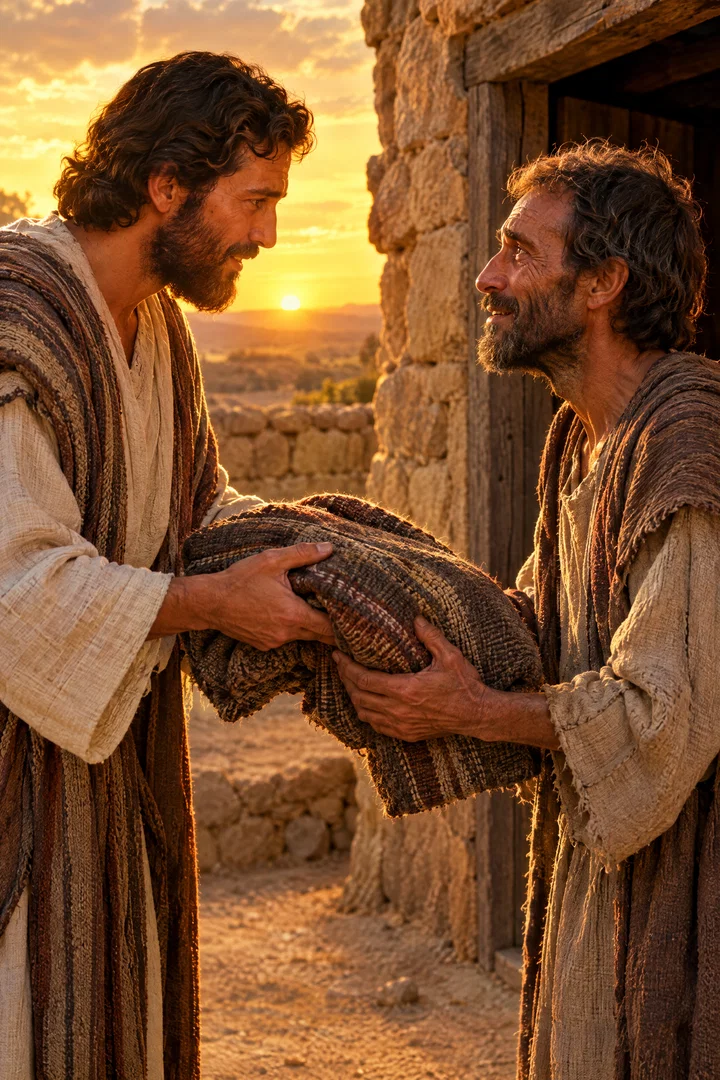
And if the man be poor, you shall not sleep with his pledge:
King James Version, KJV Cambridge Paragraph Bible
And if the man be poor, thou shalt not sleep with his pledge:
And if the man is poor, thou shalt not sleep with his pledge:
And if he be a poor man, thou shalt not sleep with his pledge:
And if he be a poor man, thou shalt not sleep with his pledge;
'And if he is a poor man, thou dost not lie down with his pledge;
And if the man be needy, thou shalt not lie down with his pledge;
And, if he be a poor man, thou shalt not sleep in his pledge:
Berean Standard Bible, Majority Standard Bible
If he is a poor man, you must not go to sleep with the security in your possession;
If he is a poor man, you shall not sleep with his pledge.
If he is a poor man, do not keep his property all night;
Furthermore if it be a poore body, thou shalt not sleepe with his pledge,
Douay-Rheims (Challoner revision)
But if he be poor, the pledge shall not lodge with thee that night,
Pictures
Cross-references
- Exodus 22:26-27
If thou at all take thy neighbour’s raiment to pledge, thou shalt deliver it unto him by that the sun goeth down:
A poor person’s garment pledge must be returned before nightfall for covering.
- Deuteronomy 24:17
Thou shalt not pervert the judgment of the stranger, nor of the fatherless; nor take a widow’s raiment to pledge:
Both forbid injustice toward the poor and other vulnerable people.
Commentary
Each commentary is drawn from primary sources: the writings of Ellen G. White and Adventist pioneers and periodicals. Each commentary is separate. Its own words are not a quotation; follow the references to read the source passages.
Ellen G. White
5 sources
The law forbids keeping a poor borrower's pledged garment overnight, requiring its return before nightfall so he can use it to sleep.MH 188.2MH 188.1MH 188.3–4MH 187.3 That garment is his only covering for sleep, so it must be given back by sunset to meet his immediate need and to guard his dignity.MH 188.2MH 188.3–4MH 187.3 The lender must respect the borrower's rights and needs by not going into his house to take the pledge, but by standing outside in the street while the borrower brings it out.MH 188.1 This rule shows tender regard for the poor and requires mercy and just, merciful treatment of the poor, the unemployed and the homeless, forbidding oppression in lending, borrowing and business dealing even when a debt is owed.MH 188.2MH 188.1
It belongs to Israel's laws for caring for the needy, given as provision for people in poverty within a plan meant to serve as an example for all people.MH 188.5 God hears the cry of a person deprived of the pledged covering and is gracious toward him.MH 187.3 In the days of Christ these merciful provisions for pledges were little regarded.
Christ's command to release the coat and give the cloak also goes beyond what Moses authorized. It requires submission to the decisions of the courts even when they demand part of one's clothing. It requires willingness to surrender to a creditor even more than the court authorizes him to seize.
Sources
Pioneers and periodicals
3 sources
The verse concerns a poor borrower who gives his garment or cloak as security for a debt.RH Mar 2, 1916RH Jun 22, 1916ST Nov 21, 1900 The pledge in view is the outer clothing of a poor man, taken by the creditor to secure repayment.RH Mar 2, 1916RH Jun 22, 1916ST Nov 21, 1900
It forbids the creditor to keep that pledged garment overnight.RH Mar 2, 1916RH Jun 22, 1916ST Nov 21, 1900 The pledge must be given back before nightfall, and not retained while the borrower sleeps.RH Mar 2, 1916RH Jun 22, 1916ST Nov 21, 1900
The reason is that the poor often use that same garment as a covering in which to sleep.RH Jun 22, 1916ST Nov 21, 1900 It serves for warmth through the night and for personal dignity.RH Mar 2, 1916RH Jun 22, 1916 Returning it allows the borrower to sleep in it rather than suffer cold and exposure.RH Mar 2, 1916RH Jun 22, 1916ST Nov 21, 1900
The requirement illustrates the broader duty to put matters right promptly before sleep.RH Jun 22, 1916 It calls for treating another person's needs with care instead of holding a claim over them overnight.RH Jun 22, 1916
Sources