Ezra 10:3
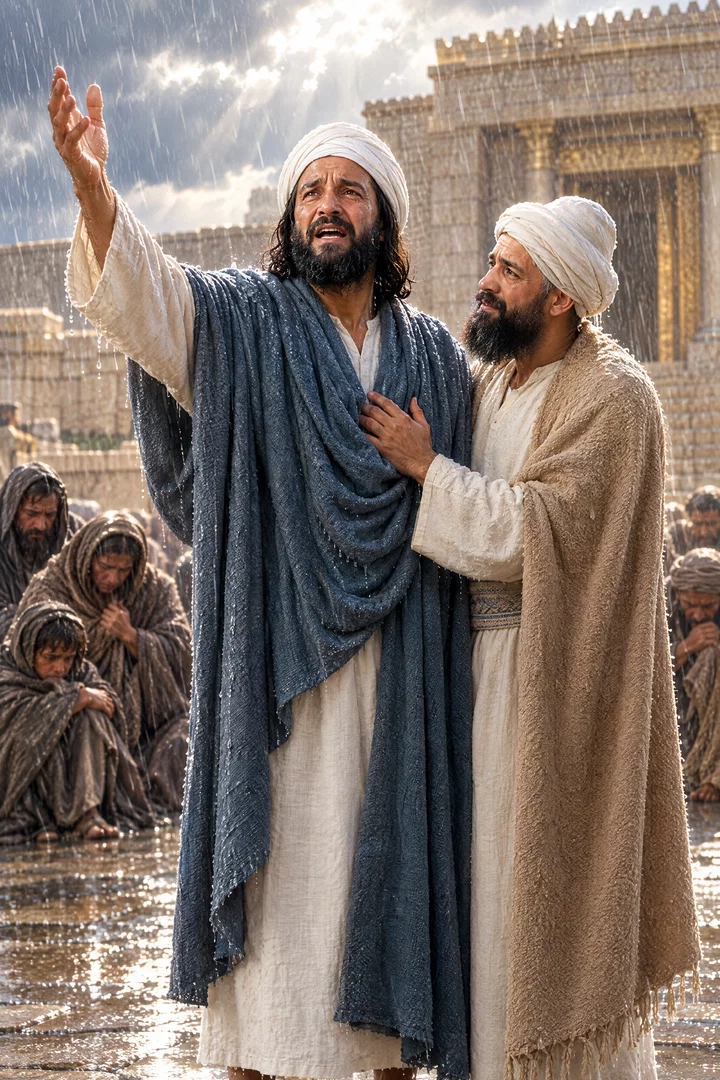
Now therefore let us make a covenant with our God to put away all the wives, and such as are born of them, according to the counsel of my lord, and of those that tremble at the commandment of our God; and let it be done according to the law.
Translations
American King James Version, King James Version, KJV Cambridge Paragraph Bible, Webster Bible, Revised Version, American Standard Version
Now therefore let us make a covenant with our God to put away all the wives, and such as are born of them, according to the counsel of my lord, and of those that tremble at the commandment of our God; and let it be done according to the law.
and now, let us make a covenant with our God, to cause all the women to go out, and that which is born of them, by the counsel of the Lord, and of those trembling at the command of our God, and according to law it is done;
And now let us make a covenant with our God to put away all the wives, and such as are born of them, according to the counsel of [ my] lord, and of those that tremble at the commandments of our God; and let it be done according to the law.
Now, therefore, let us solemnize a covenant unto our God—to put away all the women and such as have been born of them, in the counsel of my lord, and them who tremble at the commandment of our God,—and, according to the law, let it be done.
Berean Standard Bible, Majority Standard Bible
So now let us make a covenant before our God to send away all the foreign wives and their children, according to the counsel of my lord and of those who tremble at the command of our God. Let it be done according to the Law.
Now therefore let’s make a covenant with our God to put away all the wives and those who are born of them, according to the counsel of my lord and of those who tremble at the commandment of our God. Let it be done according to the law.
Let us now make an agreement with our God to put away all the wives and all their children, if it seems right to my lord and to those who go in fear of the words of our God; and let it be done in keeping with the law.
Now therfore let vs make a couenant with our God, to put away all the wiues (and such as are borne of them) according to the counsell of the Lord, and of those that feare the commandements of our God, and let it be done according to the Lawe.
Douay-Rheims (Challoner revision)
Let us make a covenant with the Lord our God, to put away all the wives, and such as are born of them, according to the will of the Lord, and of them that fear the commandment of the Lord our God: let it be done according to the law.
Pictures
Cross-references
- Deuteronomy 7:3-4
Neither shalt thou make marriages with them; thy daughter thou shalt not give unto his son, nor his daughter shalt thou take unto thy son.
The law forbids intermarriage that could turn Israel to other gods.
- Ezra 9:2-12
For they have taken of their daughters for themselves, and for their sons: so that the holy seed have mingled themselves with the people of those lands: yea, the hand of the princes and rulers hath been chief in this trespass.
listed together as counsel to obey
- Nehemiah 13:23-27
In those days also saw I Jews that had married wives of Ashdod, of Ammon, and of Moab:
Nehemiah likewise rebuked marriages with foreign peoples.
- Ezra 10:11
Now therefore make confession unto the LORD God of your fathers, and do his pleasure: and separate yourselves from the people of the land, and from the strange wives.
Commands separation from the foreign wives and people of the land.
- Deuteronomy 23:3-4
An Ammonite or Moabite shall not enter into the congregation of the LORD; even to their tenth generation shall they not enter into the congregation of the LORD for ever:
the law the Ezra reformation enforced
- 1 Corinthians 7:12-14
But to the rest speak I, not the Lord: If any brother hath a wife that believeth not, and she be pleased to dwell with him, let him not put her away.
Paul's exception contrasts with Ezra's putting away
- Joshua 23:12
Else if ye do in any wise go back, and cleave unto the remnant of these nations, even these that remain among you, and shall make marriages with them, and go in unto them, and they to you:
Both warn against intermarriage contrary to God’s command.
Commentary
Each commentary is drawn from primary sources: the writings of Ellen G. White and Adventist pioneers and periodicals. Each commentary is separate. Its own words are not a quotation; follow the references to read the source passages.
Ellen G. White
6 sources
Shechaniah answered Ezra by affirming that his words were true, confessing that Israel had trespassed in taking strange wives from the people of the land, and declaring that hope still remained in Israel.PK 622.2RH Feb 20, 1908 The proposal arose from repentance, as the people wept while beginning to grasp the seriousness of their sin and the sacredness of God's law.PK 622.1 It was a covenant with God to put away the foreign wives and the children born of them and to forsake sinful living, to be dealt with under the judgment of the law and according to the counsel of the leaders and of those who revere God's command.PK 622.2PK 622.1RH Feb 20, 1908 It called on Ezra to arise and take charge of the matter with courage and with the people's help, encouragement and assured support, and Ezra then secured the proposal by making the chief priests, the Levites and all Israel swear to act according to it.PK 622.2RH Feb 20, 1908
The reform that followed was carried out with patience, tact and careful regard for each person's rights and welfare, as Ezra as a teacher of the law examined every individual case and led the repentant into right living by impressing on them the holiness of God's law and the blessings gained through obedience.PK 622.3RH Feb 20, 1908 Those who reverence God's commandment tremble at it, and this reverence is needed to uphold the binding claims of God's law and to turn transgressors toward obedience.PK 623.4 This reverent fear of God's commandments must be restored in this age when Satan blinds minds against the binding claims of God's law.RH Feb 27, 1908 There is need for men like Ezra who cause many to tremble at God's commandment, meaning true reformers who point transgressors to the great Lawgiver and teach that the law of the Lord is perfect to convert the soul, who are mighty in the Scriptures, exalt the law in every word and act, labor amid apostasy and unbelief to strengthen faith in the law and the prophets, and inspire hearts with reverence and love for the Holy Scriptures.RH Feb 27, 1908
Sources
Pioneers and periodicals
13 sources
Shechaniah confessed Israel's trespass in taking foreign wives, affirmed that hope remained, and proposed a covenant to put away those wives and their children with their heathen practices according to the counsel of Ezra and those who trembled at God's commandment and according to the law, which Ezra then bound the leaders and all Israel by oath to perform.RH Feb 20, 1908RH Jul 13, 1869ST May 7, 1902 Ezra patiently examined every case with regard for rights and welfare to lead the repentant into right living, a work of about two months that separated the people from corruptness and worldliness and fitted them to be taught the law, to rebuild, and to be joined again to God.RH Feb 20, 1908RH Feb 7, 1907ST Jun 18, 1902 Reconciliation required that separation because direct violation of the command against marrying unbelievers could not be passed over, since a life companion who holds the affections is the most insidious tempter to idolatry, so believers must marry only in the Lord and must not give worldly affection a place that brings strange flesh into the holy camp.RH Jul 14, 1868RH May 2, 1871RH Jul 14, 1868 Those already married when converted were not to put away a willing unbelieving spouse, for Paul treated their emergency under the new system as different from Israel's direct violation, and Ruth the Moabitess becoming ancestress of David and of Christ shows God holds the right to commute the sentence against Moabites for those who with persistent faith humble themselves and take their place with true Israel.ST Jun 15, 1904RH Jul 14, 1868 Earnest prayer and weeping over sin still brings a willing people to stand with reform and retrace wrong steps with courage, restoring the reverent fear of God's commandments by pointing transgressors to the great Lawgiver and exalting His perfect law.RH Feb 27, 1908RH Oct 7, 1909RH Jul 13, 1869ST May 7, 1902RH Sep 28, 1916
Setting and Covenant Action
The verse stands in Ezra's account of backsliding, humility, and seeking God in Jerusalem after the temple was rebuilt.ST Jun 2, 1909 It records Shechaniah's confession that Israel had trespassed by taking strange wives from the people of the land, his affirmation that Ezra's words were true and that hope still remained in Israel, and his proposal that the transgressors make a covenant with God to forsake sinful living and be dealt with under the judgment of the law.RH Feb 20, 1908ST May 7, 1902 With that proposal he charged Ezra to arise and act with courage and with assured support, framing the step as ground for hope and a matter requiring courage and shared commitment.RH Feb 20, 1908ST May 7, 1902
The covenant was to put away all the foreign wives and the children born of them, together with the associated heathen practices, as part of Ezra's reform to restore the community and its religious order. The decision was to be made according to the counsel of Ezra and of those who trembled at the commandment of God, and to be carried out according to the law.RH Feb 20, 1908RH Jul 13, 1869ST May 7, 1902 Ezra then bound the chief priests, the Levites, and all Israel by oath to do as proposed, and the people's acknowledgment of trespass and willingness to stand with him gave him encouragement and support in leading the reform.RH Feb 20, 1908RH Jul 13, 1869
As teacher of the law Ezra then patiently examined every individual case with regard for rights and welfare, seeking to lead the repentant into right living by impressing the holiness of heaven's law and the blessings gained through obedience.RH Feb 20, 1908 The work is described as taking two months. This practical separation from the surrounding nations, from the heathen and from corruptness and worldliness, prepared the people to be taught the law, brought them into a spiritual condition fit to rebuild Jerusalem, and joined the backslidden people again to God.RH Feb 7, 1907ST Jun 18, 1902
Doctrine of Marriage Separation
When Israel sought reconciliation with God after marrying strange wives, He would not receive them until they covenanted to put away those wives and the offspring born of them according to the law, making separation the required step after direct violation of the command against marrying unbelievers.RH Jul 14, 1868RH Jul 14, 1868 The reform enforced the law that an Ammonite or Moabite shall not enter into the congregation of the Lord forever, with those who had married Moabite wives putting away the wives and the children born of them.ST Jun 15, 1904 Since the tenth generation from Ruth reaches to generations beyond David, Ruth the Moabitess becoming ancestress of David and of Christ means the sentence against the Moabites was commuted in her case, for God holds the right to commute and reverse sentences.ST Jun 15, 1904 Those of whatever nationality who with persistent faith take the kingdom by force and humble themselves to accept a low place are counted with the true Israel.ST Jun 15, 1904
The principle behind the command is preservation from idolatry, because men and women governed by fleshly inclinations are apt to be led astray, and no tempter is more insidious or dangerous than a life companion who holds the affections.RH Jul 14, 1868 God's holy and special people must not reunite with the world from which He has separated them and must give no worldly man or woman a place in affection so as to induce union and bring strange flesh into the holy camp, and the trouble in Ezra's day stands as warning against believers marrying unbelievers now.RH Jul 14, 1868 The chapter gives counsel in love and mercy that marriage must be entered only in the Lord and that the duties of marriage must be studied before entering it, to be read, prayerfully considered, and cheerfully obeyed to escape bitter anguish of heart, painful regret for long years, frequent disappointments, and repentance that is at once too soon and too late.RH May 2, 1871 Believers converted while already married to unbelievers looked back to that example and thought they also must separate, but Paul distinguished their case as an emergency caused by adoption into the new system that had supplanted the vanishing Mosaic system, not a direct violation like Israel's, and directed them not to put away a willing unbelieving spouse.RH Jul 14, 1868 The fact they raised the question proves it was a settled point that no unmarried person called out from the world had a right to yoke with worldlings or marry out of the Lord.RH Jul 14, 1868
Lessons for Revival Reform
The verse belongs to the account of a people who had taken foreign wives, and who after Ezra prayed confessed their sin and became eager to retrace their wrong steps, and their change of heart made it possible to address the wrong they had committed.RH Oct 7, 1909 Their acknowledgment of trespass and willingness to stand with Ezra gave him encouragement and support in leading the reform.RH Jul 13, 1869 The covenant commitment to address the taking of foreign wives was to be made according to the counsel of Ezra and those who feared God's commandment, and in accordance with the law.RH Jul 13, 1869ST May 7, 1902 The proposal to end the marriages to foreign wives and separate from the children born of them was framed as a ground for hope and as a matter requiring courage and shared commitment.ST May 7, 1902
When Ezra prayed and wept before the Lord a great number of men, women, and children assembled to him and pledged to stand with him and urged him to take courage and act.RH Sep 28, 1916 Earnest seeking of the Lord brings a willing response from the people to do the required work.RH Sep 28, 1916 That same earnest seeking will bring the same willing response today in building work that safeguards the spiritual interests of young men and women.RH Sep 28, 1916
The verse shows the reverent fear of God's commandments that must be restored in this age when Satan blinds minds against the binding claims of God's law.RH Feb 27, 1908 There is need for men like Ezra who cause many to tremble at the commandment of God.RH Feb 27, 1908 Such true reformers point transgressors to the great Lawgiver and teach that the law of the Lord is perfect, converting the soul.RH Feb 27, 1908 They are mighty in the Scriptures, exalt the law of Jehovah in every word and act, labor in apostasy and unbelief to strengthen faith in the law and the prophets, and inspire hearts with reverence and love for the Holy Scriptures.RH Feb 27, 1908
Sources