Jeremiah 22:13
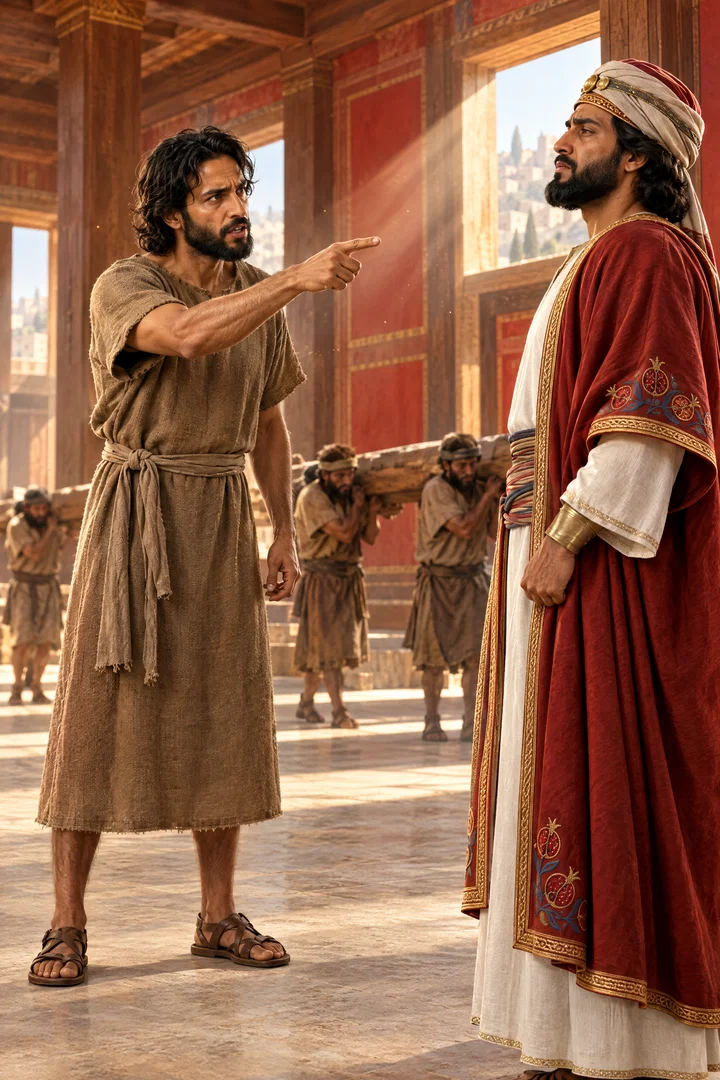
Woe unto him that buildeth his house by unrighteousness, and his chambers by wrong; that useth his neighbour’s service without wages, and giveth him not for his work;
Translations
Woe to him that builds his house by unrighteousness, and his chambers by wrong; that uses his neighbor’s service without wages, and gives him not for his work;
Woe unto him that buildeth his house by unrighteousness, and his chambers by wrong; that useth his neighbour’s service without wages, and giveth him not for his work;
Woe unto him that buildeth his house by unrighteousness,
And his chambers by wrong;
That useth his neighbour’s service without wages,
And giveth him not for his work;Woe to him that buildeth his house by unrighteousness, and his chambers by wrong; that useth his neighbor's service without wages, and giveth him not for his work;
Woe unto him that buildeth his house by unrighteousness, and his chambers by injustice; that useth his neighbour’s service without wages, and giveth him not his hire;
Woe unto him that buildeth his house by unrighteousness, and his chambers by injustice; that useth his neighbor’s service without wages, and giveth him not his hire;
Woe to him who is building his house by unrighteousness, And his upper chambers by injustice, On his neighbour he layeth service for nought, And his wage he doth not give to him.
Woe unto him that buildeth his house by unrighteousness, and his upper chambers by injustice; that taketh his neighbour's service without wages, and giveth him not his earning;
Alas! for him who buildeth his house without righteousness, And his roof-chambers without justice,—Of his neighbour, taketh service for nought, And recompense for his work, giveth him not.
Berean Standard Bible, Majority Standard Bible
“ Woe to him who builds his palace by unrighteousness,
and his upper rooms without justice,
who makes his countrymen serve without pay,
and fails to pay their wages,“ Woe to him who builds his house by unrighteousness,
and his rooms by injustice;
who uses his neighbor’s service without wages,
and doesn’t give him his hire;A curse is on him who is building his house by wrongdoing, and his rooms by doing what is not right; who makes use of his neighbour without payment, and gives him nothing for his work;
Wo vnto him that buildeth his house by vnrighteousnesse, and his chambers without equitie: he vseth his neighbour without wages, and giueth him not for his worke.
Douay-Rheims (Challoner revision)
Woe to him that buildeth up his house by injustice, and his chambers not in judgement: that will oppress his friend without cause, and will not pay him his wages.
Pictures
Cross-references
- Deuteronomy 24:14-15
Thou shalt not oppress an hired servant that is poor and needy, whether he be of thy brethren, or of thy strangers that are in thy land within thy gates:
Both condemn withholding wages from workers.
- James 5:4
Behold, the hire of the labourers who have reaped down your fields, which is of you kept back by fraud, crieth: and the cries of them which have reaped are entered into the ears of the Lord of sabaoth.
Both condemn withholding laborers’ wages, whose cries God hears.
- Habakkuk 2:9-12
Woe to him that coveteth an evil covetousness to his house, that he may set his nest on high, that he may be delivered from the power of evil!
Both condemn building and enriching oneself through oppression and iniquity.
- Malachi 3:5
And I will come near to you to judgment; and I will be a swift witness against the sorcerers, and against the adulterers, and against false swearers, and against those that oppress the hireling in his wages, the widow, and the fatherless, and that turn aside the stranger from his right, and fear not me, saith the LORD of hosts.
God warns of judgment against those who oppress hired workers by withholding wages.
- Jeremiah 22:18-19
Therefore thus saith the LORD concerning Jehoiakim the son of Josiah king of Judah; They shall not lament for him, saying, Ah my brother! or, Ah sister! they shall not lament for him, saying, Ah lord! or, Ah his glory!
declares unlamented death as punishment
- Habakkuk 2:12
Woe to him that buildeth a town with blood, and stablisheth a city by iniquity!
Both condemn building through wrongdoing and the unjust exploitation of others.
- Colossians 4:1
Masters, give unto your servants that which is just and equal; knowing that ye also have a Master in heaven.
Requires masters to treat servants justly and equally.
- Romans 13:7
Render therefore to all their dues: tribute to whom tribute is due; custom to whom custom; fear to whom fear; honour to whom honour.
both require giving White his due
Commentary
Each commentary is drawn from primary sources: the writings of Ellen G. White and Adventist pioneers and periodicals. Each commentary is separate. Its own words are not a quotation; follow the references to read the source passages.
Ellen G. White
9 sources
The woe is a sentence of judgment on building a house and its chambers and gaining wealth and comfort by unrighteousness and wrong, including using a neighbor's service without wages and withholding pay for work.ST Oct 20, 1914PK 429.2–430.1MH 337.1Ms 73, 1901, par. 5–6MH 337.2 It fell on Jehoiakim son of Josiah for building himself a wide house with large chambers ceiled with cedar and painted with vermilion by money and labor secured through fraud and oppression.PK 429.2–430.1 It was spoken while messages of impending doom were being urged upon princes and people, when he should have been a wise spiritual leader foremost in confession of sin and in reformation and good works, but instead he spent his time in selfish pleasure.PK 429.2–430.1
The surrounding verses describe this wrongdoing as driven by covetousness and joined with oppression, violence, and the shedding of innocent blood.ST Oct 20, 191414MR 344.3–345.1MH 337.1Ms 73, 1901, par. 5–6 The following verses contrast this conduct with a former king who practiced judgment and justice and defended the poor and needy, showing that knowing God is revealed in such just treatment.14MR 344.3–345.1Ms 73, 1901, par. 5–6 Grand houses and luxurious materials cannot establish a ruler's right to reign; only doing justice and defending the poor and needy shows true knowledge of God, while covetousness, bloodshed, oppression, and violence bring judgment.Ms 73, 1901, par. 5–6 Judah had received great light, blessings, and prosperity, but its unfaithfulness to its trust and failure to render the fruits of the vineyard, acting as though there were no God, brought desolation.14MR 344.3–345.1Ms 73, 1901, par. 5–6
The verse condemns manufacturers and sellers of intoxicating liquor as robbers because buyers receive no equivalent for their money, and every dollar added to the sellers' gains brings a curse to the spender.MH 337.1MH 337.2ST Oct 20, 1914 It exposes how God's gifts of grain and fruit, meant to sustain people, are turned by greed and appetite into poisons that bring misery and ruin.ST Oct 20, 1914 It applies to the liquor seller who grows rich by degrading people and causing misery: despite worldly approval, God sees the harm and will hold him accountable for the suffering, deprivation, and lost hope brought on others.ST Oct 20, 1914 It applies to liquor sellers who enrich themselves by degrading people: God sees the misery their trade causes and will hold them accountable for the suffering of families and for the souls they lead toward ruin.MH 341.2 Those who support the liquor seller share in his guilt.MH 341.2
Sources
Pioneers and periodicals
18 sources
Woe is pronounced on building a house, home, wealth and luxury by unrighteousness and wrong, by using a neighbor's labor without wages or fair wages and giving nothing for the work.ST Oct 20, 1914RH Feb 24, 1863ST Nov 25, 1908RH Jun 22, 1911ST Aug 3, 1904 The wrong is driven by covetousness, with eyes and heart set only on gain, and is joined with oppression, violence and the shedding of innocent blood, in contrast to doing judgment and justice to the poor and needy.ST Oct 20, 1914RH Jul 10, 1916RH Sep 13, 1906 Withholding or underpaying a worker's wages is a grave offense before God and an oppression abominable to Him, and strict justice requires paying the full estimated value for time and labor received even when the worker declined pay because funds were low.ST Oct 12, 1876RH Jun 22, 1911ST Aug 3, 1904ST Jul 29, 1913 Taking a person's service without compensation is forbidden, a principle that condemns slavery as a system that compels people to work without wages.RH Feb 24, 1863 The same woe condemns the liquor traffic as an unjust enterprise built by oppression and covetousness, taking money without giving any useful equivalent in return and growing rich by bringing poverty, disease, degradation, crime and death on drinkers and their families, for which God will hold the seller accountable.STST Oct 20, 1914ST Oct 20, 1914STST Jan 29, 1908
Meaning and Historical Context
Woe is pronounced on building a house and chambers, a home and wealth and luxury, by unrighteousness and wrong, including exploiting a neighbor's labor without paying wages or fair wages and giving nothing for the work.ST Oct 20, 1914RH Feb 24, 1863ST Nov 25, 1908ST Jul 29, 1913 Building and furnishing through such injustice is unrighteousness that brings woe, and denying workers their wages is a grave wrong before God.RH Feb 24, 1863ST Jul 29, 1913 The unjust builder says he will build for himself a wide house and large chambers with windows, ceiled with cedar and painted with vermilion, and seeks to reign by enclosing himself in cedar, which exposes ambition and status pursued at the expense of others.RH Jul 10, 1916ST Nov 25, 1908 Such wrongdoing is driven by covetousness, with eyes and heart set only on covetousness, and is joined with oppression and violence and the shedding of innocent blood.ST Oct 20, 1914RH Jul 10, 1916 It stands in contrast to doing judgment and justice to the poor and needy.RH Sep 13, 1906
The call to do what is right is directed to King Jehoiakim and condemns his selfishness and injustice toward others.RH Sep 13, 1906 He had treated the warnings sent to him disrespectfully, cutting the roll with a penknife and burning it in the fire without fear, and the woe declares he would have no lamentation and would be buried with the burial of an ass beyond the gates of Jerusalem.RH Sep 13, 1906 The verse belongs to the warnings to the Jews in chapters 12 to 24, spoken in striking symbols, signs and figures of speech.RH Jul 27, 1916 Its warning and appeal, with assurance of the heavenly Father's kindness and everlasting love, applies peculiarly to the present day.RH Jul 27, 1916
True prophets befriend the poor and the oppressed and the neglected.RH Jun 22, 1911 They stand at variance with the idle and frivolous, the selfish and insolent, and the luxurious and sensual, condemning selfish gain by exploitation as abominable to God.RH Jun 22, 1911 They speak God's own words whether men will hear or forbear, in independence from popular thought and estimates.RH Jun 22, 1911 They stand on a standard of character above normal with the support and presence of Jehovah, indifferent to praise or blame in courageous response to duty.RH Jun 22, 1911
Condemned Practices and Accountability
Withholding or underpaying a worker's wages and denying workers their wages is unrighteousness that brings woe, for it is a grave offense before God and a form of oppression abominable to Him.RH Jun 22, 1911ST Aug 3, 1904ST Jul 29, 1913 Building a house and chambers and furnishing wealth by such injustice, by making a neighbor work without paying him and using his labor without paying what is owed, stands condemned as selfish gain by exploitation.RH Jun 22, 1911ST Aug 3, 1904ST Jul 29, 1913 Taking a person's service without compensation is forbidden, a principle that condemns slavery as a system that compels people to work without wages.RH Feb 24, 1863
Strict justice requires paying at least the estimated value for time and labors received, here $1,100 for twenty-one months at $12.00 per week and $200 loss on carriage and harness used up solely in service.ST Oct 12, 1876 The obligation is not lessened when the worker declines pay because the treasury is low and there is great demand for means elsewhere, but as the work spreads and funds increase the debt is still owed and should be considered and refunded by an auditing committee so that woe does not come upon those who had the benefit.ST Oct 12, 1876 The same condemnation of building and gaining wealth through injustice, including wronging workers by withholding fair wages, falls on the liquor traffic as an unjust enterprise that exploits and harms others.ST Liquor manufacturers and sellers build wealth through oppression and covetousness by a trade that gives no useful equivalent in return, bringing poverty, disease, degradation, crime and death to those who spend on it and to their families.ST
The liquor trade is robbery in taking money without giving an equivalent in return, with every dollar added to its gains bringing a curse to the spender, turning God's gifts of grain and fruit meant to sustain people by greed and appetite into poisons that bring misery and ruin.ST Oct 20, 1914 The liquor-seller grows rich by degrading people and causing misery, and despite worldly approval God sees the harm and will hold him accountable for the suffering, deprivation and lost hope brought on others.ST Oct 20, 1914 The dealer's business is unjust because it creates drinkers, including among the youth, and its profits and continued operation are linked to grave harm, crime and the destruction of lives through a wrongful enterprise that brings great harm.ST Jan 29, 1908STST Jan 6, 1909 The woe on him who builds a wide house and large chambers with windows ceiled with cedar and painted with vermilion, and seeks to reign by enclosing himself in cedar, with eyes and heart set only on covetousness and on shedding innocent blood and oppression and violence, is joined to the warning against giving a neighbor drink, connecting unjust gain with causing harm to others, and condemns the liquor traffic and stands for prohibition.RH Jul 10, 1916ST Mar 11, 1880
The woe exposes covetousness, oppression, violence and shedding innocent blood in contrast to doing judgment and justice to the poor and needy, after warnings and entreaties were treated disrespectfully by cutting the roll with a penknife and burning it in the fire without fear, with the declaration that there would be no lamentation and burial with the burial of an ass beyond the gates of Jerusalem.RH Sep 13, 1906 When an individual uses the message for distrust of the instrument instead of personal correction, the Lord forbids further messages to the individual and sends future testimonies concerning him directly to the church, and this stands as a warning to those in the present time who are being passed by for the same treatment of God's messages.RH Sep 13, 1906
Sources